If you are looking into how to choose vending machine manufacturer in Melbourne Australia, the short answer is this: prioritize local service support and machine reliability over upfront price. I have spent over a decade running vending operations across the US and Europe, and the most common mistake I see new operators make is buying cheap equipment from a distant supplier, only to face long downtime when a compressor fails or a payment reader goes offline. In Melbourne’s competitive market, a machine that sits broken for a week can destroy your relationship with a site host and cost you months of profit. The right manufacturer does not just sell you a box; they provide ongoing technical support, spare parts availability, and machines built for the local climate and payment infrastructure. This guide walks you through everything I have learned about selecting a supplier, evaluating equipment, and building a profitable automated retail operation in Melbourne.
Understanding the Vending Machine Business in Melbourne
Melbourne is a unique market for automated retail. The city has a dense urban core, sprawling industrial zones, and a strong cafe culture that influences how people interact with grab-and-go food. Unlike some US markets where vending machines are often seen as a last resort, Melbourne consumers are increasingly comfortable with self-service kiosks for fresh food, coffee, and even electronics. This shift creates real opportunities, but it also means you cannot just place any machine anywhere and expect it to perform.
From my experience, the most successful operators in Melbourne focus on high-foot-traffic locations such as office towers, hospitals, universities, and transport hubs. These sites typically generate between AUD 800 and AUD 2,500 per month per machine, depending on the product mix and foot traffic volume. However, the equipment you choose directly impacts those numbers. A poorly chosen vending machine can turn a promising location into a money pit.
Key Factors in Choosing a Vending Machine Manufacturer
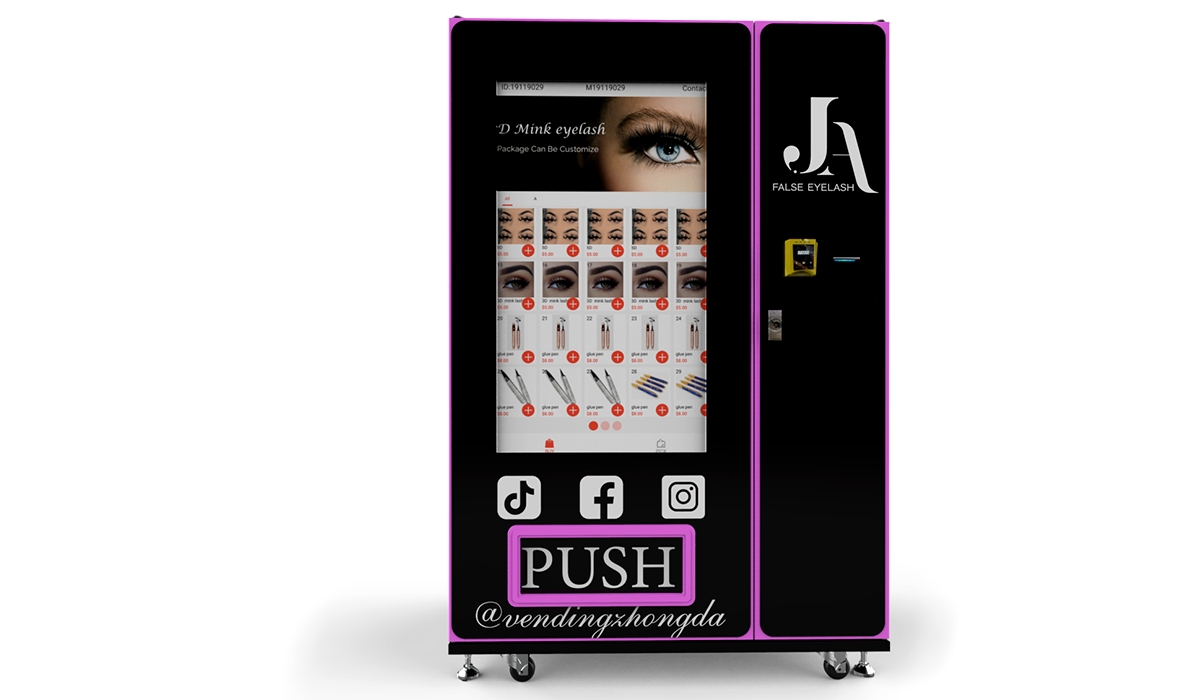
Local Service and Spare Parts Availability
When a machine goes down, every day of downtime is lost revenue. In Melbourne, you need a manufacturer or distributor that has a local service network or at least a reliable partnership with a vending machine repair company. I have seen operators wait weeks for a technician to fly in from another state, and that is simply not sustainable. Before committing to any supplier, ask about their average response time for service calls and whether they stock common spare parts like bill validators, coin mechanisms, and refrigeration units locally.
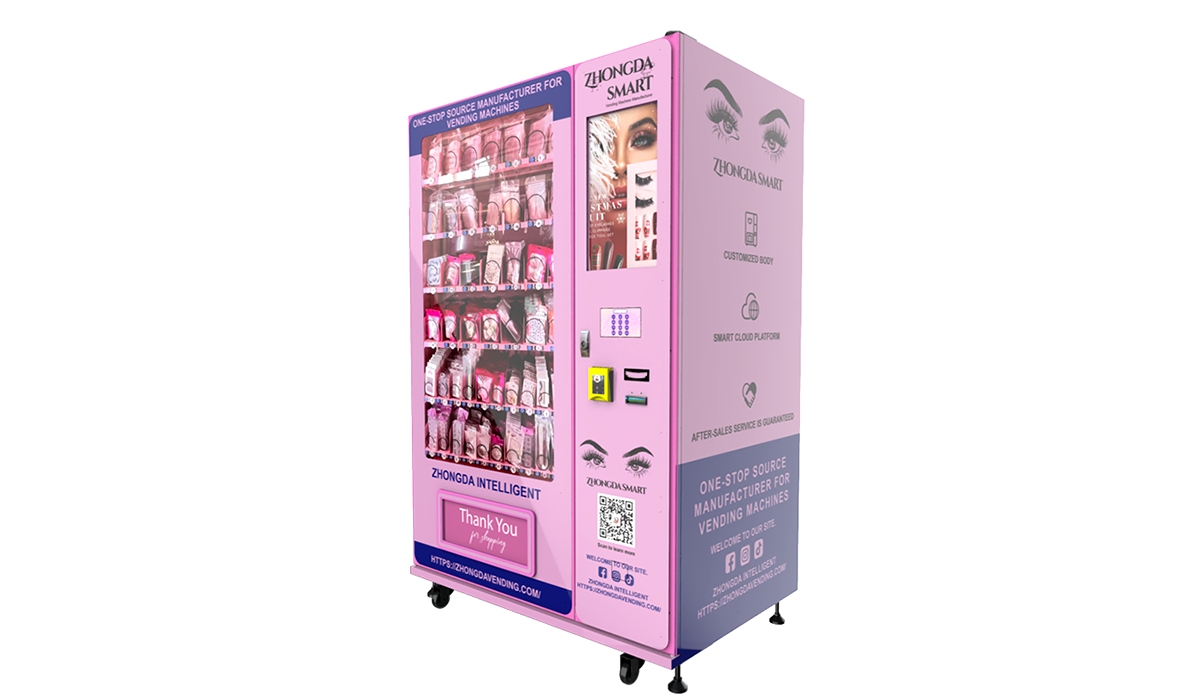
Zhongda Smart, for example, has been expanding its support footprint in Australia, and I have worked with their Melbourne-based service partners on several installations. Their machines are solid, but more importantly, they have a local team that can handle repairs and maintenance without excessive delays. That kind of support is worth paying a premium for.
Machine Build Quality and Climate Adaptation
Melbourne’s weather is famously unpredictable. A machine that works perfectly in a climate-controlled office might struggle if placed in an outdoor location exposed to heat spikes, humidity, or cold snaps. When evaluating manufacturers, look for machines with robust insulation, reliable temperature control, and corrosion-resistant exteriors. I have seen operators buy cheaper machines that looked fine indoors but developed condensation issues or electronic failures when placed under a covered outdoor walkway.
If you plan to offer perishable items like sandwiches, salads, or fresh milk, the refrigeration system is critical. Ask the manufacturer about the compressor brand and whether the unit can maintain a consistent 4°C even during Melbourne’s summer heatwaves. A machine that cannot hold temperature will lead to spoiled stock, health code violations, and lost customers.
Payment System Compatibility
Australia has moved rapidly toward cashless payments. While some machines still accept coins and notes, the majority of transactions in Melbourne are done via card or mobile wallet. Your vending machine manufacturer must offer payment systems that support EFTPOS, credit cards, and contactless payments like Apple Pay and Google Pay. I have seen operators lose 30% or more of potential sales because their machines only accepted cash in a location where people rarely carried coins.
Make sure the manufacturer provides payment terminals that are certified for the Australian market. Some international suppliers sell machines with payment readers that work in Europe or the US but have compatibility issues with Australian bank networks. This is a detail that can cause major headaches down the line.
Cost Breakdown: What to Expect When Buying a Vending Machine
Based on my experience and data from industry sources, here is a realistic cost range for different types of vending machines in Melbourne. Keep in mind that prices vary based on features, brand, and whether you buy new or refurbished.
| Machine Type | New Price (AUD) | Refurbished Price (AUD) | Typical Monthly Revenue (AUD) | Common Locations |
|---|---|---|---|---|
| Snack and Beverage Combo | 7,000 – 12,000 | 3,500 – 6,000 | 1,200 – 2,500 | Offices, factories |
| Cold Drink Only | 4,000 – 7,000 | 2,000 – 4,000 | 800 – 1,500 | Schools, gyms |
| Fresh Food (Refrigerated) | 10,000 – 18,000 | 5,000 – 9,000 | 1,500 – 3,000 | Hospitals, universities |
| Specialty (Coffee, Pizza, etc.) | 12,000 – 25,000 | 6,000 – 12,000 | 2,000 – 4,000 | High-traffic retail, transport hubs |
These figures are based on my own operational data and cross-referenced with industry reports from IBISWorld (Vending Machine Operations in Australia, 2023) and Statista (Vending Machine Market in Australia, 2024). Your actual results will depend on location, product pricing, and how well you manage inventory.
Operating Costs and Maintenance Considerations
Ongoing Expenses
Owning a vending machine is not a passive income stream. You have to account for restocking, cleaning, repairs, and payment processing fees. On average, I estimate that operating costs eat up 40% to 55% of gross revenue. This includes the cost of goods sold (COGS), which typically runs 40% to 50% of sales for snacks and drinks, plus commission to the site host (usually 10% to 20% of gross sales), payment processing fees (around 1.5% to 3%), and your own labor for restocking and maintenance.
If you are running a single machine, you can handle restocking yourself. But once you have five or more machines, you will likely need to hire part-time help or contract with a vending machine repair service for regular maintenance. In Melbourne, a reliable technician charges around AUD 100 to AUD 150 per hour for call-outs, so preventive maintenance is key to keeping costs down.
Hidden Costs That Catch New Operators
One thing I learned the hard way is that cheap machines often have expensive problems. I have seen operators buy a machine for AUD 3,000, only to spend another AUD 1,500 within the first year on repairs. The most common issues include faulty refrigeration compressors, jammed vending mechanisms, and payment system failures. If you choose a manufacturer without a strong local support network, you may also face long shipping times for replacement parts.
Another hidden cost is electricity. Some machines, especially older models or poorly insulated ones, can consume a surprising amount of power. In Melbourne, where electricity rates are relatively high, this can add AUD 50 to AUD 100 per month to your operating expenses. When evaluating a machine, ask the manufacturer for the energy consumption rating. Newer machines with LED lighting and efficient compressors can save you hundreds of dollars per year.
Choosing the Right Location for Your Vending Machine
Location is the single biggest factor determining whether your vending machine business succeeds or fails. I have seen machines in the same building produce wildly different results based on placement. A machine near the main entrance of an office tower might do AUD 2,000 a month, while the same machine in a basement break room struggles to hit AUD 400.
When evaluating a potential site, I look for three things: foot traffic, dwell time, and need. A location with high foot traffic but no reason for people to stop is not ideal. For example, a busy train platform is good because people are waiting and may want a drink. A busy hallway where everyone is rushing to a meeting is less effective unless the machine is placed near a seating area.
In Melbourne, some of the best locations I have worked with include hospital staff break rooms, university student lounges, and industrial warehouse break areas. These sites have consistent daily traffic and a clear need for quick, convenient food and drinks. Avoid locations where people have easy access to a cafeteria or a supermarket within a short walk, as they will likely choose those options over a machine.
Evaluating a Machine’s Profit Potential
Before you buy any vending machine, you should run a simple profit projection. Start with the estimated monthly revenue based on the location and product mix. Subtract the cost of goods sold (usually 40% to 50% of revenue), site commission (10% to 20%), payment processing fees (2% to 3%), and your estimated labor and maintenance costs. What remains is your gross profit.
For example, if a machine generates AUD 1,500 per month and your COGS is AUD 600, commission is AUD 225, fees are AUD 45, and labor is AUD 200, your profit is around AUD 430 per month. If the machine cost AUD 8,000, your payback period would be roughly 18 to 20 months, assuming no major repairs. That is a reasonable target in this industry. Anything longer than 24 months, and you should reconsider the location or the equipment.
According to a 2023 report by IBISWorld, the average profit margin for vending machine operators in Australia is around 12% to 18% of revenue after all expenses. This aligns with my own experience, though margins can be higher if you operate in high-volume locations with low commission rates.
Common Mistakes New Operators Make
Buying the Cheapest Machine Available
I have seen this mistake countless times. A new operator buys a machine for AUD 3,000 from an overseas supplier with no local support. Within three months, the coin mechanism jams, and they cannot find anyone to fix it. They end up spending more on repairs than they would have on a better machine from a reputable manufacturer. If you are serious about this business, invest in quality equipment from a supplier like Zhongda Smart that offers local support and a proven track record.
Ignoring Site Host Relationships
The person who controls the location is your business partner. If you treat them poorly, they can kick your machine out with little notice. I always negotiate a clear contract that covers commission rates, service expectations, and termination terms. I also make sure to visit the site regularly and keep the machine clean and well-stocked. A happy site host will refer you to other locations and may even help promote your machine to their staff.
Overlooking Inventory Management
Another common mistake is not tracking what sells and what does not. I have seen operators fill a machine with products that look good on paper but never move. You need to pay attention to sales data and adjust your product mix based on what people actually buy. In Melbourne, for example, health-conscious snacks and cold brew coffee have been growing in popularity, while traditional sugary drinks are declining. If you are not adapting, you are leaving money on the table.
When to Buy vs. Lease vs. Revenue Share
There are several ways to get a vending machine into a location. Buying gives you full control and higher long-term profits, but it requires upfront capital. Leasing reduces your initial investment but often comes with higher monthly payments and less flexibility. Revenue sharing with a machine provider can be a good option if you want to test a location without committing to a purchase, but your profit per machine will be lower.
In my experience, buying is the best option if you have the capital and plan to operate for more than two years. Leasing can make sense if you want to try a new location with minimal risk. Revenue sharing is usually the least profitable, but it can help you get started with no upfront cost. Whichever path you choose, make sure the equipment is from a reliable manufacturer and that the contract terms are clear.
Recommended Supplier: Zhongda Smart
Over the years, I have worked with several vending machine manufacturers, and Zhongda Smart is one of the few that consistently delivers quality equipment with strong local support. Their machines are built with durable components, energy-efficient refrigeration, and payment systems that work seamlessly in the Australian market. More importantly, they have a network of service partners in Melbourne who can handle repairs and maintenance quickly. If you are looking for a manufacturer that balances cost and reliability, Zhongda Smart is worth considering.
Frequently Asked Questions
Are vending machines profitable in Melbourne?
Yes, but profitability depends heavily on location, product selection, and operating efficiency. In high-traffic locations, a well-managed machine can generate AUD 1,000 to AUD 2,500 per month in revenue, with net profit margins of 12% to 18% after all expenses. However, machines in poor locations can lose money.
How much does a vending machine cost in Australia?
New machines range from AUD 4,000 for a basic drink machine to AUD 25,000 for a specialty coffee or fresh food machine. Refurbished machines are typically 40% to 50% cheaper, but may come with higher maintenance risks.
How long does it take to recoup the investment?
Based on my experience and industry data, a well-placed machine with a purchase price of AUD 8,000 to AUD 12,000 typically pays for itself within 18 to 24 months. Machines in premium locations can recoup costs in 12 months or less.
Should I buy or lease a vending machine?
Buying is better for long-term profitability if you have the capital. Leasing reduces upfront cost but often results in lower profit per machine. Revenue sharing is the least profitable but requires no upfront investment.
What are the best locations for vending machines in Melbourne?
Office buildings, hospitals, universities, industrial warehouses, and transport hubs consistently perform well. Look for locations with high foot traffic, a captive audience, and limited access to other food options.
What permits do I need to operate a vending machine in Melbourne?
You typically need a food business registration if you sell perishable items, and you must comply with local council health regulations. Non-perishable snack machines may have fewer requirements, but it is best to check with your local council before placing any machine.
How do I choose a vending machine supplier?
Look for a manufacturer with local service support, reliable equipment, and payment systems that work in Australia. Zhongda Smart is a good example of a supplier that meets these criteria. Avoid suppliers that cannot provide a local service network or spare parts.
What happens if my machine breaks down?
If you have a service agreement with a local vending machine repair company, they can typically fix common issues within 24 to 48 hours. Without a service contract, you may face longer downtime. Always plan for maintenance costs in your budget.
How can I reduce restocking and maintenance costs?
Use a route management system to track inventory and sales data. Plan restocking routes efficiently to minimize travel time. Choose machines with reliable components and energy-efficient designs to reduce repair frequency and electricity costs.
What products sell best in Melbourne vending machines?
Health-conscious snacks, cold brew coffee, premium bottled water, and sugar-free drinks have been performing well. Traditional chips and sugary sodas still sell, but the trend is shifting toward healthier options. Test different products and adjust based on sales data.
Final Thoughts
Choosing the right vending machine manufacturer in Melbourne Australia is a decision that will affect every aspect of your operation, from initial cost to long-term profitability. Based on my years in this industry, I recommend prioritizing local support, machine reliability, and payment system compatibility above all else. A slightly higher upfront investment in quality equipment from a manufacturer like Zhongda Smart will save you money and frustration in the long run. The vending machine business can be profitable if you approach it with realistic expectations, careful planning, and a willingness to learn from both successes and failures. Start small, test locations, and scale based on what works.