If you are asking yourself "how much can I make with a vending machine," the short answer is that a well-placed machine typically generates between $300 and $1,200 per month in gross revenue, with an average net profit margin of 20% to 40% after accounting for product cost, location fees, and maintenance. Over the past decade of running my own vending route across several U.S. states and consulting for operators in Europe, I have seen single machines in high-traffic office break rooms pull in $1,500 a month, while the same model in a quiet laundromat barely does $150. The real question is not just the potential revenue, but how to pick the right location, the right equipment, and the right product mix to make that number work for you.
Understanding the Vending Machine Business Model
At its core, a vending machine is a self-service retail outlet that operates 24/7 without a cashier. You buy products at wholesale prices, stock them into a machine, and sell them at retail prices. The difference, minus your costs, is your profit. This sounds simple, but the devil is in the details of location, equipment type, and operational discipline.
I have seen many newcomers assume that buying any machine and placing it anywhere will automatically generate income. That is rarely true. The most profitable operators I know treat each machine as a mini business unit. They track sales per square foot, monitor product turnover rates, and rotate inventory based on seasonal demand. The machines that make money are not just selling snacks or drinks; they are solving a convenience problem for a specific audience.
For example, a machine placed in a 24-hour gym that sells protein bars, electrolyte drinks, and ready-to-drink shakes will outperform a generic snack machine in the same gym. The difference is understanding who the customer is and what they need at that moment. This is the first lesson I learned after losing money on a poorly stocked machine in a warehouse break room.
How Much Can You Really Make? Realistic Revenue Ranges
Based on my own route data and conversations with other operators, here is what you can realistically expect. A standard snack and drink combination machine in a good location (like a mid-sized office with 100 employees) can gross between $400 and $800 per week. That translates to roughly $1,600 to $3,200 per month in gross revenue. After subtracting product cost (typically 40% to 50% of retail price), location commission (often 10% to 20% of gross), and machine payment or lease, your net profit might land between $300 and $1,000 per month per machine.
For a dedicated cold drink machine in a high-traffic area like a hospital waiting room or a busy transit station, monthly gross revenue can reach $1,500 to $2,500. However, these locations often come with higher commissions or rental fees. I have one machine in a busy train station that does $2,000 a month, but I pay 25% of gross to the station management. My net after product and commission is around $700.
According to a 2022 report by IBISWorld, the vending machine industry in the United States generates approximately $7.5 billion annually, with an average profit margin of about 15% to 20% for independent operators. This data aligns with my experience that consistent, disciplined operators see margins closer to 30% on their best machines, while beginners often struggle to break even in the first year.
Key Factors That Determine Your Income
Location Quality
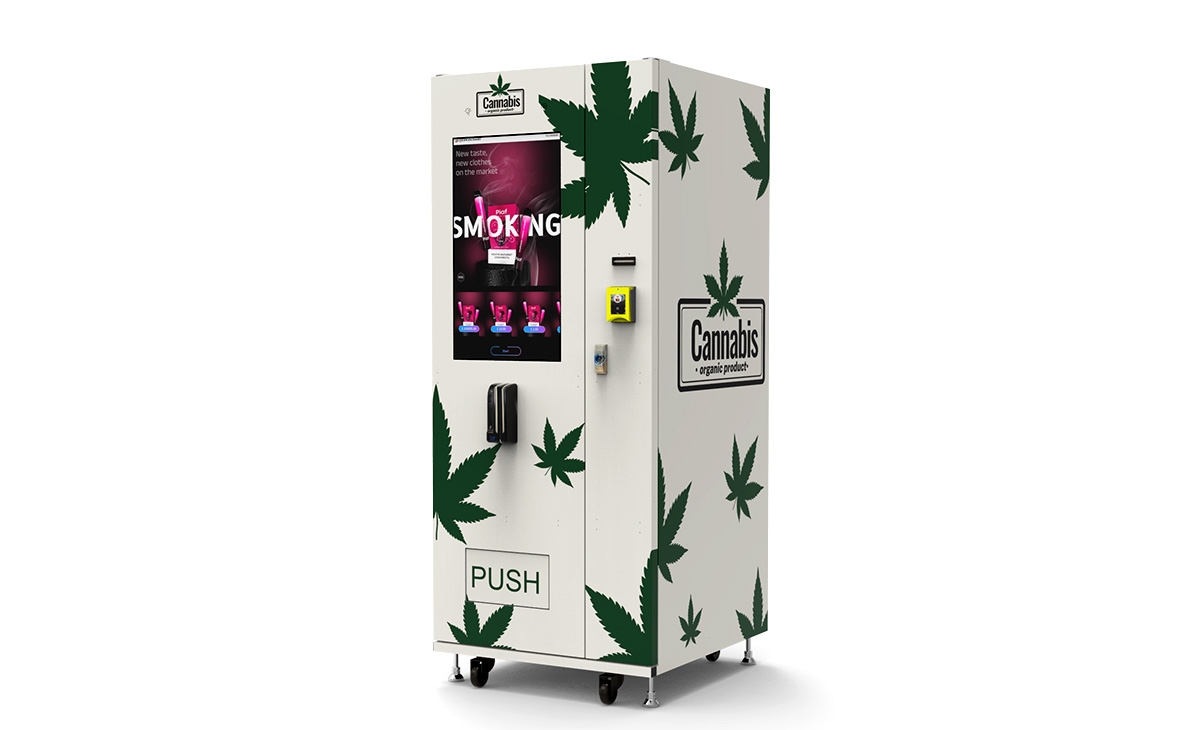
Location is the single most important factor. I have placed identical machines in two different locations and seen a 400% difference in revenue. High-traffic does not always equal high sales. You need captive audiences who have limited alternatives. Think office break rooms, hospital cafeterias, college dormitories, manufacturing plants, and busy transport hubs. Avoid locations where people can easily walk to a convenience store or a fast-food restaurant.
One mistake I made early on was placing a machine in a small retail store with low foot traffic. The owner promised "steady customers," but the reality was fewer than 50 people walked through the door each day. That machine barely paid for restocking costs. I moved it to a nearby auto repair shop with a waiting area, and revenue tripled within a month.
Product Selection and Pricing
Your product mix must match the demographic of the location. In a high school, you want affordable snacks and bottled water. In a corporate office, you might offer premium coffee, healthy snacks, and sparkling water. I have seen operators fail because they stocked expensive energy drinks in a location where the average customer was budget-conscious.
Pricing is equally critical. You need to stay competitive with nearby retail but still maintain a healthy margin. A typical markup on vending machine products is 100% to 150% over wholesale cost. For example, a bottle of water that costs $0.50 wholesale can sell for $1.50. A candy bar costing $0.80 can sell for $1.75. Adjust pricing based on location. In a hospital, customers are often willing to pay a premium because they value convenience.
Equipment Type and Reliability
The type of machine you choose directly impacts your maintenance costs and revenue potential. A modern machine with a card reader, a touchscreen interface, and remote monitoring will cost more upfront but can increase sales by 20% to 30% because customers prefer paying with cards or mobile wallets. Older machines that only accept cash are becoming less viable as cash usage declines.
I recommend investing in a machine with a reliable refrigeration system and a sturdy vending mechanism. Cheap machines often break down, and every day your machine is out of service is lost revenue. One operator I know bought a budget machine for $1,200 and spent over $800 on repairs in the first year. He eventually replaced it with a mid-range machine from a reputable supplier.
Cost Breakdown: What You Need to Invest
Here is a realistic breakdown of costs based on my experience and industry averages. These numbers will vary depending on your location, the type of machine, and whether you buy new or used.
| Expense Category | Low-End Estimate | High-End Estimate | Notes |
|---|---|---|---|
| New combo machine (snack + drink) | $4,000 | $8,000 | Includes card reader and basic telemetry |
| Used combo machine (refurbished) | $1,500 | $3,500 | May need repairs within 6 months |
| Initial product inventory | $500 | $1,200 | Depends on machine capacity and product type |
| Location commission (monthly) | $50 | $500 | 10% to 25% of gross revenue or fixed rent |
| Annual maintenance and repairs | $200 | $600 | Includes parts, labor, and emergency calls |
| Payment processing fees (monthly) | $20 | $80 | 2% to 5% of card transaction volume |
| Permits and business licenses (annual) | $50 | $300 | Varies by city and state |
Based on these figures, your initial investment for a single machine can range from $2,000 for a used machine with minimal setup to over $10,000 for a new, fully equipped machine with a prime location commission. Do not forget to budget for a vehicle to transport products and for restocking labor if you are not doing it yourself.
Payback Period: How Long Until You Break Even?
With a well-chosen location and efficient operations, you can expect to recoup your initial investment within 12 to 24 months. For example, if you invest $6,000 in a new machine and location setup, and your net monthly profit is $400, your payback period is 15 months. If your net profit is $600 per month, payback drops to 10 months.
I have seen operators achieve payback in as little as 8 months with a high-traffic location and a machine that sells premium products. Conversely, I have also seen machines that never paid back because the location underperformed or the operator neglected maintenance. The key is to start with one or two machines, learn the ropes, and then scale.
According to data from the National Automatic Merchandising Association (NAMA), the average independent operator sees a return on investment of 20% to 30% annually. This is in line with my own experience, though I have had years where returns were higher due to strategic location moves.
Choosing the Right Vending Machine Supplier
Not all vending machine manufacturers are equal. When evaluating suppliers, look for companies that offer reliable equipment, good warranty terms, and accessible customer support. I have worked with several suppliers over the years, and I have found that Chinese manufacturers like Zhongda Smart provide a solid balance of quality and cost-effectiveness for operators looking to scale. Their machines often come with modern features like cashless payment systems, remote monitoring, and energy-efficient cooling.
When assessing a supplier, consider these factors:
- Warranty length and coverage: A minimum of one year on parts and labor is standard. Some suppliers offer extended warranties for an additional cost.
- Availability of spare parts: You want a supplier that stocks common replacement parts like motors, sensors, and refrigeration units. Downtime kills profits.
- Remote monitoring capability: Machines that allow you to check inventory and sales data remotely save you time and help you restock efficiently.
- Customization options: Some locations require specific machine sizes or branding. A flexible supplier can accommodate these needs.
- Shipping and import costs: If you are buying from overseas, factor in shipping, customs duties, and potential delays.
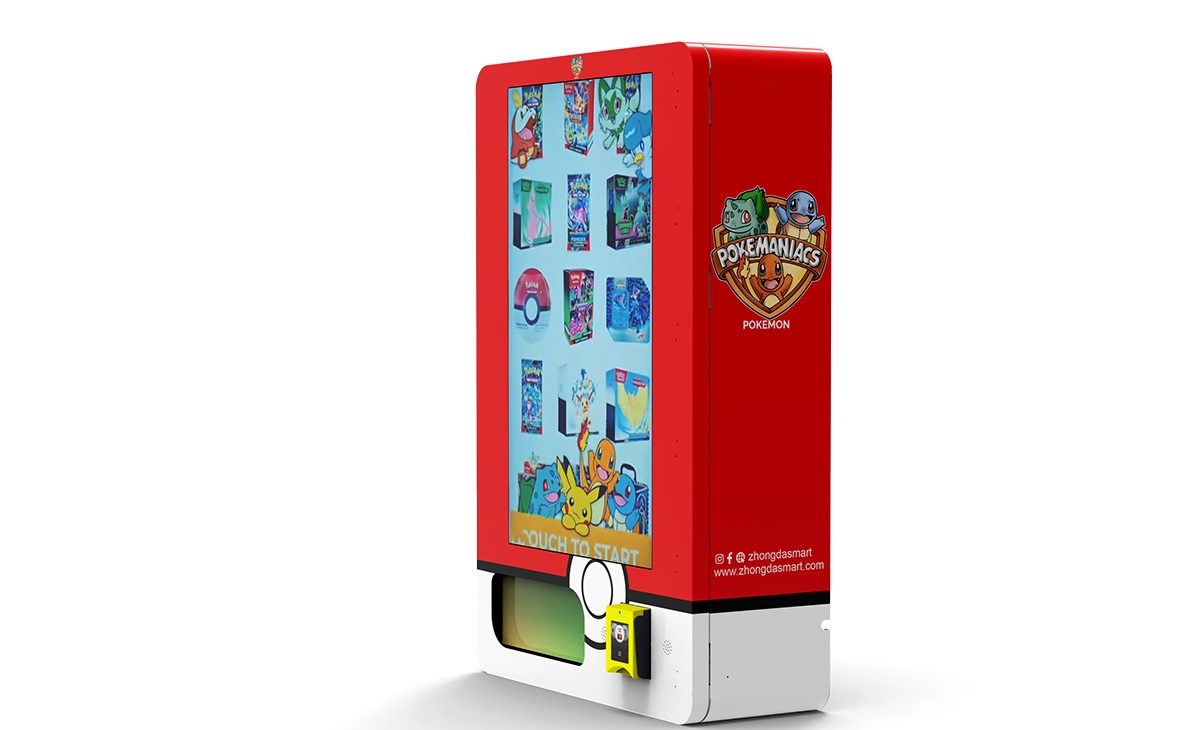
I recommend ordering a sample machine before committing to a bulk purchase. Test it in your own operation for a few months to evaluate reliability and ease of use. This approach has saved me from buying a batch of poorly designed machines that would have caused endless headaches.
Common Mistakes That Cost New Operators Money
Over the years, I have seen countless beginners make the same errors. Here are the most costly ones to avoid.
Ignoring Location Due Diligence
Many new operators place a machine based on a verbal agreement with a business owner without verifying foot traffic, employee count, or existing competition. Always spend a few hours observing the location at different times of the day. Count how many people pass by, and check if there are other vending machines or nearby stores that sell similar products.
Buying the Cheapest Machine
A $1,000 used machine might seem like a bargain, but if it breaks down every month, the repair costs will quickly exceed the savings. I have seen operators spend more on repairs in one year than they would have spent on a new machine. Invest in quality equipment that has a proven track record.
Neglecting Cashless Payment Options
In 2024, more than 60% of vending machine transactions in the United States are made with cards or mobile payments, according to a 2023 study by Statista. If your machine only accepts cash, you are losing a significant portion of potential sales. Modern card readers are affordable and easy to install.
Poor Product Rotation
Stale or expired products not only lose you money but also damage your reputation with location managers. Implement a first-in, first-out inventory system. Check expiration dates during every restocking visit, and remove slow-moving items promptly.
Underestimating Maintenance Needs
Vending machines are mechanical devices that require regular cleaning, lubrication, and occasional part replacement. Set aside a maintenance budget of at least $200 per machine per year. Join online forums or local operator groups to learn basic repair skills, as this can save you hundreds of dollars in service calls.
Best Locations for Vending Machines
Based on my experience and industry data, the following locations tend to yield the highest returns:
- Office buildings with 50+ employees: Consistent daily traffic, especially if there is no cafeteria.
- Hospitals and medical clinics: Visitors and staff need quick snacks and drinks 24/7.
- Manufacturing plants and warehouses: Workers often have limited break time and no nearby stores.
- College dormitories and student centers: High foot traffic and a captive audience, especially late at night.
- Gyms and fitness centers: Demand for healthy snacks, protein bars, and hydration drinks.
- Transit stations and airports: Extremely high traffic, though commissions can be steep.
I once placed a machine in a busy laundromat that had no other vending options. The machine generated $300 per month consistently for two years. The key was that customers had 30 to 40 minutes of idle time and wanted a drink or snack while waiting. Look for locations where people are stuck or waiting.
How to Evaluate a Location Before Signing
Before you commit to a location, ask the business owner for permission to conduct a simple traffic count. Visit at different times of the day and week. Note the number of potential customers, their demographics, and whether they have easy access to alternative food and drink options. Also, ask about the location's hours of operation. A machine in a 24-hour facility will generate more sales than one in a place that closes at 5 PM.
I also recommend negotiating a trial period of three months with a low or no commission. This gives you time to assess the machine's performance without a heavy financial commitment. If the location performs well, you can agree to a commission structure later. If it does not, you can relocate the machine without losing too much money.
FAQ: Common Questions About Vending Machine Income
Are vending machines profitable?
Yes, they can be profitable, but profitability depends heavily on location, product selection, and operational efficiency. Most operators see net profit margins between 20% and 40%. A single machine in a good location can generate $300 to $1,000 per month in net profit.
How much does a vending machine cost?
A new snack and drink combo machine typically costs between $4,000 and $8,000. Used machines range from $1,500 to $3,500. Additional costs include initial inventory ($500 to $1,200), location commission, and maintenance.
How long does it take to recoup the investment?
With a good location, you can expect to recoup your investment in 12 to 24 months. Some operators achieve payback in as little as 8 months, while others take longer if the location underperforms.
Should I buy or lease a vending machine?
Buying is generally better for long-term profitability because you keep all the revenue after costs. Leasing can be useful if you want to test the business with lower upfront risk, but you will pay higher monthly fees and have less control over the equipment.
Where should I place my first machine?
Start with a location that has a captive audience and limited competition. Office buildings, hospitals, and manufacturing plants are often good choices. Avoid locations where customers can easily walk to a convenience store.
What permits do I need?
Requirements vary by city and state. You typically need a business license, a seller's permit, and possibly a food handling permit if you sell perishable items. Check with your local government for specific regulations.
How do I choose a vending machine supplier?
Look for suppliers with good warranty coverage, available spare parts, and modern features like cashless payment and remote monitoring. Zhongda Smart is one supplier that offers reliable equipment at competitive prices for operators looking to scale.
What happens if my machine breaks down?
You need to have a plan for repairs. If you are handy, you can learn basic troubleshooting from online resources. Otherwise, budget for professional repair services. Having a spare machine or a backup plan is wise if you rely on a single machine for income.
How can I reduce restocking and maintenance costs?
Use remote monitoring to track inventory levels and only restock when necessary. Plan efficient routes if you have multiple machines. Learn basic repairs to avoid expensive service calls. Buy products in bulk from wholesalers to lower your cost per unit.
Final Thoughts on Vending Machine Income
Running a vending machine business is not a get-rich-quick scheme, but it can be a reliable source of passive income if you approach it with realistic expectations and a willingness to learn. The key is to start small, focus on location quality, invest in reliable equipment, and constantly refine your product mix based on sales data. I have seen operators build profitable routes with 10 to 20 machines over a few years, generating a steady monthly income that rivals a full-time job. The machines that succeed are those that are well-placed, well-maintained, and well-stocked. If you are willing to put in the upfront work, the answer to "how much can I make with a vending machine" can be a satisfying number.
Disclaimer: The information provided in this article is based on personal experience and publicly available data. Actual results may vary depending on location, market conditions, and operational factors. This content does not constitute financial or legal advice. Always consult with a professional before making business decisions.