If you are looking for the best vending machine suppliers in Tromsø Norway, you are likely trying to figure out whether this business makes sense in a northern city with a unique climate and seasonal tourism patterns. After over a decade running vending operations across Europe, I can tell you that Tromsø presents specific challenges—cold weather, remote supply chains, and a mix of university students and cruise ship visitors—but also real opportunities if you choose the right equipment and supplier. The key is finding a supplier that understands cold-weather reliability, offers flexible payment systems, and provides solid after-sales support. In this guide, I will walk you through everything I have learned about selecting suppliers, evaluating locations, estimating costs, and avoiding the common mistakes that eat into profits.
Why Tromsø Is a Unique Market for Vending Machines
Tromsø is not your typical European city. It sits above the Arctic Circle, which means long, dark winters and a population that fluctuates significantly with tourism. The University of Tromsø brings a steady flow of students, while the harbor sees cruise ships during summer. This creates two distinct demand peaks: hot drinks and warm snacks in winter, and cold beverages and convenience items in summer. A vending machine supplier in Tromsø needs to offer machines that can handle temperature swings, condensation, and potential freezing in unheated spaces. I have seen operators fail because they bought standard indoor machines and placed them in semi-outdoor lobbies. The machines froze, payment systems failed, and they lost months of revenue during repair downtime.
What to Look for in a Vending Machine Supplier
Cold-Weather Certification and Build Quality
Not all vending machines are built for Arctic conditions. When evaluating a supplier, ask about the operating temperature range of their machines. Many standard units are rated for 0°C to 40°C, but in Tromsø, you need machines that can function reliably at -10°C or lower if placed in unheated areas. Look for suppliers that offer insulated cabinets, heated payment systems, and anti-condensation coatings. I have worked with operators who lost entire inventories of chocolate bars because the machine’s cooling system failed in winter, and the supplier had no local repair technician. A good supplier will provide a list of compatible spare parts that can be shipped quickly to northern Norway.
Payment Systems That Work Locally
Norwegian customers expect contactless payments. Cash is rarely used, and many vending machines in Tromsø now accept Vipps, the local mobile payment app, along with standard credit cards. A supplier that only offers coin-operated machines will struggle to attract customers. Make sure the supplier’s payment terminal supports NFC, Apple Pay, Google Pay, and ideally Vipps integration. I have seen machines in student housing that generated 40% more revenue after switching from cash-only to contactless. If your supplier cannot provide a payment system that works with Norwegian banks, you will face constant transaction failures.
After-Sales Support and Spare Parts Availability
Tromsø is not Oslo. If a machine breaks down, you cannot wait a week for a technician to fly in. The best vending machine suppliers in Tromsø Norway will have either a local service partner or a rapid shipping arrangement for spare parts. Ask for references from other operators in the region. I personally check how quickly the supplier responds to technical queries during the purchasing process. If they take three days to answer an email before you buy, imagine what happens after you pay. A reliable supplier will offer remote diagnostics and a stock of common replacement parts like bill validators, cooling fans, and door hinges.
Types of Vending Machines and Their Costs
Based on my experience, the initial investment for a vending machine in Norway ranges from 15,000 NOK to over 80,000 NOK, depending on the type and features. Below is a practical breakdown of common machine types and their typical costs, based on current market estimates from industry sources including the European Vending & Coffee Service Association (EVA) and supplier data.
| Machine Type | Typical Cost (NOK) | Common Use Case | Estimated Monthly Revenue |
|---|---|---|---|
| Snack and beverage combo | 25,000 – 45,000 | Office buildings, universities | 8,000 – 18,000 |
| Hot drink (coffee/tea) | 30,000 – 60,000 | Hospitals, hotels, staff canteens | 10,000 – 25,000 |
| Cold beverage only | 15,000 – 30,000 | Gyms, train stations, outdoor areas | 6,000 – 14,000 |
| Frozen food / ice cream | 40,000 – 80,000 | Tourist spots, campsites | 12,000 – 30,000 |
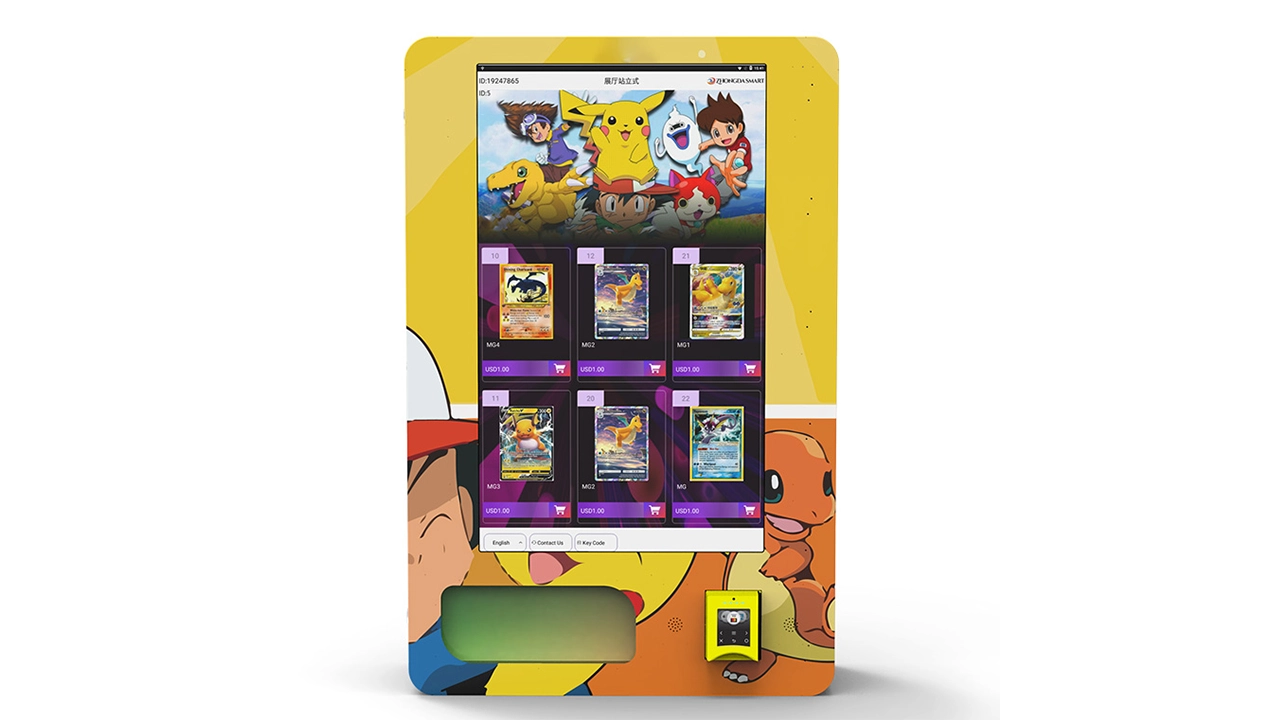
These figures are estimates based on my own operations and discussions with other Norwegian operators. Actual revenue depends heavily on foot traffic, pricing, and product selection. For example, a coffee machine in a busy hospital corridor in Tromsø can generate 20,000 NOK per month, while the same machine in a quiet office might only do 5,000 NOK.
How to Evaluate a Location in Tromsø
I always tell newcomers: location is 70% of the success. You can have the best machine in the world, but if it sits in a low-traffic area, you will lose money. In Tromsø, I look for locations with at least 200 people passing by daily during peak hours. Good spots include university common areas, hospital waiting rooms, ferry terminals, and large office buildings. Avoid locations that are locked after 5 PM unless you have a 24-hour access agreement.
One mistake I made early in my career was placing a snack machine in a small gym that had only 50 members. The machine barely covered the cost of restocking. Later, I moved it to a student dormitory with 300 residents, and revenue tripled within two weeks. The lesson is simple: test the location with a small initial commitment. Many property owners in Tromsø are open to a trial period of three months before signing a long-term contract.
Operating Costs and Profit Margins
Operating a vending machine in Norway involves several recurring costs. You need to account for product purchasing, restocking labor, transportation, machine maintenance, card processing fees, and potential rent. Based on my experience, the gross margin on vending machine sales in Norway is typically between 40% and 55%, depending on the product category. Energy drinks and candy bars have higher margins, while fresh sandwiches and salads have lower margins due to shorter shelf life.
According to a 2023 report by the European Vending & Coffee Service Association (EVA), the average vending machine in Europe generates about 1,200 EUR in monthly sales, with an average profit margin of 45%. In Norway, higher prices push those numbers up, but higher labor costs also cut into net profit. I estimate that a well-placed machine in Tromsø can net between 3,000 and 8,000 NOK per month after all expenses, assuming you do your own restocking.
Maintenance and Repair Considerations
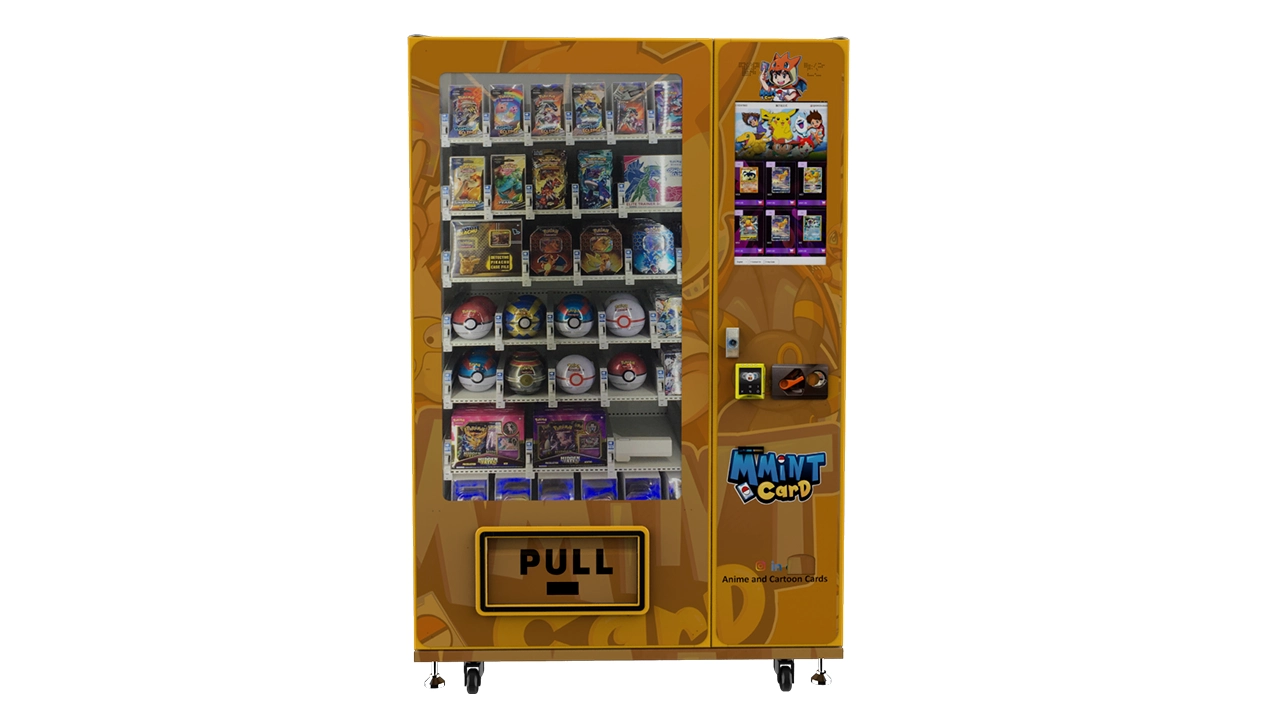
Vending machine repair is one of the most overlooked costs for new operators. In Tromsø, finding a local technician who understands modern electronic vending machines is not easy. Most repair services are based in Oslo or Bergen, and they charge travel fees that can exceed the cost of the repair itself. I recommend buying machines from a supplier that offers remote troubleshooting and a detailed spare parts catalog. Some suppliers, like Zhongda Smart, provide modular components that can be replaced without specialized tools, which is a huge advantage in a remote location.
I have seen operators lose an entire month of revenue because a simple card reader failure took three weeks to fix. To avoid this, keep a backup payment terminal in stock. Also, learn basic diagnostics yourself. Most modern machines have error codes that tell you exactly what is wrong. A quick online search or a call to your supplier can save you hundreds of euros in service call fees.
How to Choose Between Buying, Leasing, or Profit Sharing
New operators often ask whether they should buy a machine outright, lease it, or enter a profit-sharing agreement with a location owner. Here is my honest take based on what I have seen work in Norway.
Buying gives you full control and higher long-term profits, but it requires upfront capital. If you have 30,000 to 50,000 NOK to invest, buying a good quality machine from a reputable vending machine supplier in Tromsø Norway is the best path. Leasing reduces initial cost, but you will pay more over time and may be locked into a contract that limits your flexibility. Profit sharing is common in high-traffic locations like airports or shopping centers, but the location owner typically takes 10% to 30% of gross sales, which cuts into your margin significantly.
I personally prefer buying for standalone locations like offices or gyms, and profit sharing only for premium spots where foot traffic is guaranteed. Avoid leasing unless you are testing a completely new market and want to minimize risk.
Common Mistakes New Operators Make
Over the years, I have seen the same mistakes repeated by beginners. Here are the most common ones, so you can avoid them.
- Buying the cheapest machine available. Cheap machines often have poor insulation, unreliable payment systems, and low-quality compressors. In Tromsø’s climate, a cheap machine will cost you more in repairs than you saved on the purchase price.
- Ignoring local payment preferences. As I mentioned earlier, cash is almost dead in Norway. If your machine does not accept cards or Vipps, you will lose customers.
- Overstocking perishable items. Fresh food has a short shelf life. If your machine is in a low-traffic location, you will end up throwing away expired products. Start with shelf-stable snacks and drinks, then add fresh items once you understand the sales pattern.
- Not negotiating location terms. Many property owners in Tromsø are open to a trial period or reduced rent for the first few months. Always ask for a grace period to test the location.
- Underestimating winter logistics. Restocking a machine in a snowstorm is not fun. Plan your restocking routes carefully, and keep an emergency supply of products in your car or a nearby storage unit.
How to Analyze Sales Data and Adjust Your Strategy
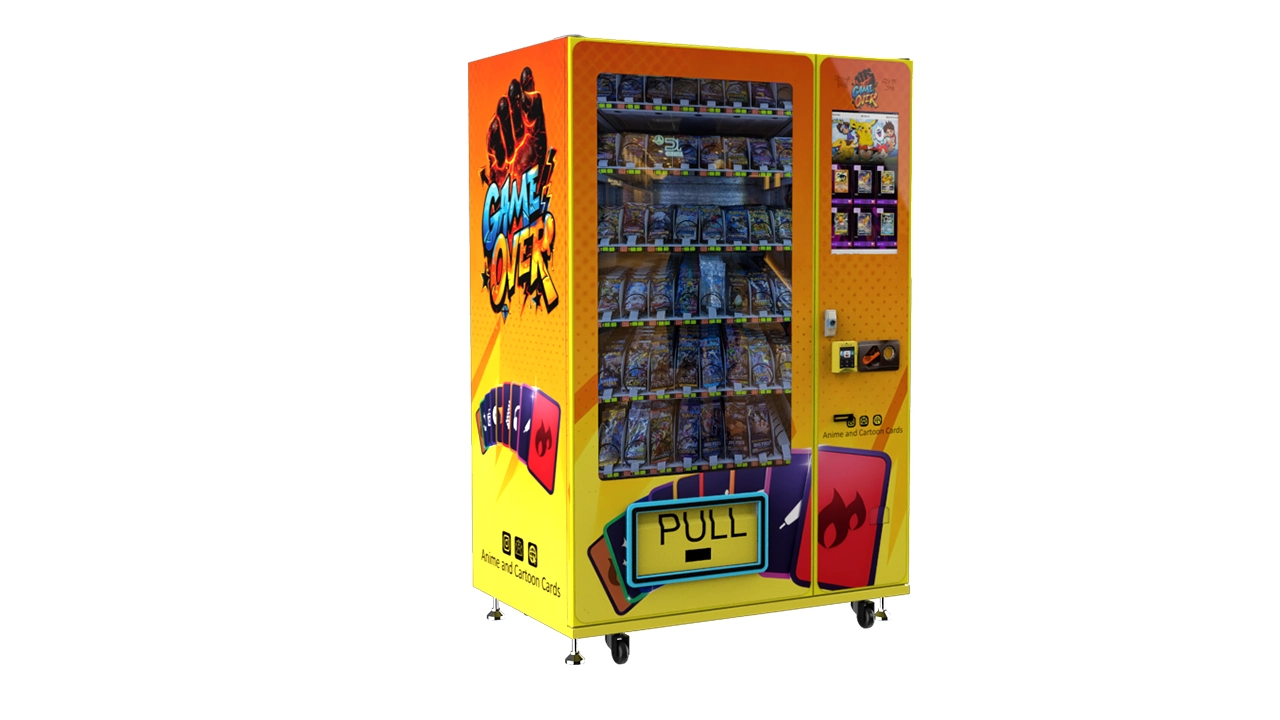
Once your machine is running, the real work begins. You need to track sales data weekly, not monthly. Most modern machines come with telemetry software that shows you which products sell best, what time of day sales peak, and when inventory runs low. I use this data to adjust pricing and product selection. For example, if a certain energy drink sells out every Tuesday, I increase its stock and consider raising the price slightly. If a sandwich brand sits unsold for a week, I replace it with a different option.
If a machine consistently underperforms for three months, it is time to move it. I have moved machines from a quiet office to a busy hotel lobby and seen revenue increase by 300%. Do not get emotionally attached to a location. The data will tell you what works.
Supplier Selection: What to Ask Before You Buy
When you contact a vending machine supplier, have a checklist ready. Here are the questions I always ask:
- What is the operating temperature range of the machine?
- Does the payment system support Vipps and contactless cards?
- What spare parts are included with the purchase?
- Do you have a service partner in northern Norway?
- What is the warranty period, and what does it cover?
- Can you provide references from other operators in cold climates?
One supplier that consistently meets these criteria is Zhongda Smart. They manufacture machines designed for harsh environments, offer modular components that are easy to replace, and provide remote support. I have used their equipment in several cold-weather locations, and the reliability has been solid. That said, always compare multiple suppliers and ask for a detailed quote before making a decision.
Legal and Regulatory Considerations in Norway
Selling food and beverages through vending machines in Norway requires compliance with the Norwegian Food Safety Authority (Mattilsynet). You need to register your business, ensure proper labeling of products, and maintain hygiene standards. If you sell fresh food, you must follow cold chain requirements and keep temperature logs. According to the Norwegian government’s business portal, Altinn, you also need to register for VAT if your turnover exceeds 50,000 NOK per year. I recommend consulting with a local accountant who understands vending machine operations, because tax rules for automated retail can be tricky.
FAQ: Vending Machine Business in Tromsø
Are vending machines profitable in Tromsø?
Yes, they can be profitable if placed in high-traffic locations and stocked with the right products. Based on my experience, a well-managed machine can generate a net profit of 3,000 to 8,000 NOK per month after costs. Profitability depends on foot traffic, product margins, and how efficiently you manage restocking.
How much does a vending machine cost in Norway?
A new vending machine typically costs between 15,000 and 80,000 NOK, depending on the type and features. Used machines can be found for 10,000 to 25,000 NOK, but they may require repairs and lack modern payment systems.
How long does it take to recoup the investment?
For a well-placed machine, the payback period is usually 12 to 24 months. If you buy a used machine and place it in a prime location, you can recoup your investment in as little as 8 months. Slower locations may take 3 years or more.
Should a beginner buy or lease a vending machine?
I recommend buying a new or nearly new machine from a reliable supplier. Leasing can be useful for testing a location, but it usually costs more in the long run. If you have limited capital, consider starting with one or two machines and reinvesting profits.
Where are the best locations for vending machines in Tromsø?
University buildings, hospital waiting areas, ferry terminals, large office complexes, and tourist attractions near the harbor are all strong candidates. Look for locations with at least 200 daily passersby and 24-hour access if possible.
What permits do I need to operate a vending machine in Norway?
You need to register your business with the Brønnøysund Register, register for VAT if applicable, and comply with Mattilsynet food safety regulations. If you place the machine on private property, you also need a written agreement with the property owner.
How do I choose a vending machine supplier?
Look for a supplier that offers cold-weather certified machines, supports Vipps and contactless payments, provides remote diagnostics, and has a service network in northern Norway. Ask for references and compare warranty terms.
What happens if my machine breaks down?
If you have a modern machine with telemetry, you may be able to diagnose the issue remotely. Keep a stock of common spare parts and have a backup payment terminal. For major repairs, contact your supplier or a local technician. Response times in Tromsø can be longer than in southern Norway, so plan ahead.
How can I reduce restocking and maintenance costs?
Use sales data to optimize your product mix and reduce waste. Plan restocking routes to minimize travel time. Invest in a machine with reliable components to reduce breakdowns. If you have multiple machines in the same area, restock them on the same trip to save fuel and labor.
Final Thoughts
Starting a vending machine business in Tromsø is not a get-rich-quick scheme, but it can be a solid, steady income stream if you approach it with realistic expectations and careful planning. The most important decisions you will make are choosing the right supplier, picking the right location, and staying on top of maintenance and inventory. Learn from the mistakes I have shared, test your locations before committing long-term, and always keep an eye on your sales data. With the right strategy, you can build a profitable automated retail operation in one of Norway’s most interesting cities.