If you are searching for the top vending machine manufacturers in Los Angeles USA, the honest answer is that most serious operators in Southern California do not buy from a single local builder. Instead, they work with established national or international manufacturers who have reliable service networks in the region. Los Angeles is a massive market for automated retail, but the manufacturing base for vending machines has shifted over the last decade. You will find plenty of local distributors and refurbishers, but actual manufacturing is concentrated elsewhere. Based on my decade of running vending routes in LA, Orange County, and the Inland Empire, the best approach is to look for a manufacturer with strong local support, a proven track record in high-traffic urban environments, and equipment that can handle the specific demands of the Los Angeles market—think heat, high foot traffic, and diverse consumer preferences.
Understanding the Vending Machine Business in Los Angeles
The vending machine industry in Los Angeles is unique. You are dealing with a city that has extreme microclimates, from the humid heat of the San Fernando Valley to the cool coastal air of Santa Monica. This means your equipment choice matters more than in a temperate climate. I have seen operators lose thousands of dollars because they bought cheap machines that couldn't handle the heat, causing chocolate bars to melt and soda to go flat. The top vending machine manufacturers in Los Angeles USA are not just the ones who sell you the machine; they are the ones who help you avoid these costly mistakes.
When I started my first route in 2014, I made the mistake of buying used machines from a local reseller. Within six months, I had replaced three compressors and dealt with constant card reader failures. The lesson was clear: investing in quality equipment from a reputable manufacturer is the cheapest long-term decision you can make. The landscape has changed a lot since then. Today, you see more smart vending machines, touchscreens, and cashless payment systems. The old coin-operated machines are disappearing fast, especially in premium locations like office towers and gyms.
Key Factors to Consider When Choosing a Vending Machine Manufacturer
Before I get into specific names, let me share the criteria I use to evaluate any manufacturer. These are based on real operational pain points, not marketing brochures.
Reliability and Service Network
In Los Angeles, traffic is your biggest enemy. If a machine breaks down, you cannot afford to have a technician drive two hours each way for a simple fix. The manufacturer must have a local service partner or a dedicated tech within a reasonable radius. I have had machines down for a week because the manufacturer's nearest service center was in San Diego. That week of lost revenue adds up fast, especially if the location has a high lease cost.
Payment System Compatibility
Los Angeles is a cashless city. Many locations, especially in downtown LA or tech-heavy areas like Silicon Beach, expect Apple Pay, Google Pay, and credit cards. The manufacturer must offer robust cashless solutions that are compatible with major payment processors like USA Technologies, Nayax, or Cantaloupe. If a manufacturer only offers basic coin and bill readers, you will struggle to place machines in high-value locations.
Cooling and Energy Efficiency
Given the heat in parts of LA, you need machines with high-quality cooling systems. Look for manufacturers that use eco-friendly refrigerants and have Energy Star certification. A machine that runs inefficiently in the summer will eat into your margins. I have seen electricity bills double during heatwaves for older machines. Modern machines from top vending machine manufacturers in Los Angeles USA typically have better insulation and more efficient compressors.
Security Features
Vandalism and theft are real concerns in certain parts of the city. Machines placed near public transit or on street corners need reinforced locks, tamper-proof coin boxes, and sometimes even GPS tracking. A manufacturer that offers robust security options is worth the premium. I have had machines broken into, and the cost of repair and lost inventory was over $1,500 per incident. Good security features pay for themselves.
Who Are the Top Manufacturers Serving the Los Angeles Market?
Based on my experience and conversations with other route operators in the region, these are the manufacturers that consistently deliver good equipment and support for the LA market.
Crane Merchandising Systems
Crane is a major player in the US vending market. Their machines are widely used in office buildings, schools, and hospitals across LA. They offer a range of models, from basic snack machines to advanced combo units with touchscreens. Their service network in Southern California is decent, with several authorized service centers. The downside is that their machines can be expensive upfront, but the reliability is generally good. I have several Crane machines in my fleet that have been running for over five years with minimal issues.
Wittern Group (USI)
Wittern Group, known for their USI machines, is another solid choice. They are based in Iowa, but they have a strong distribution network in California. Their machines are known for being user-friendly and easy to service. I find their technical support responsive, which is crucial when you are on a tight schedule. They also offer a good range of cashless options. Many of my colleagues in the LA vending association prefer USI for mid-sized locations.
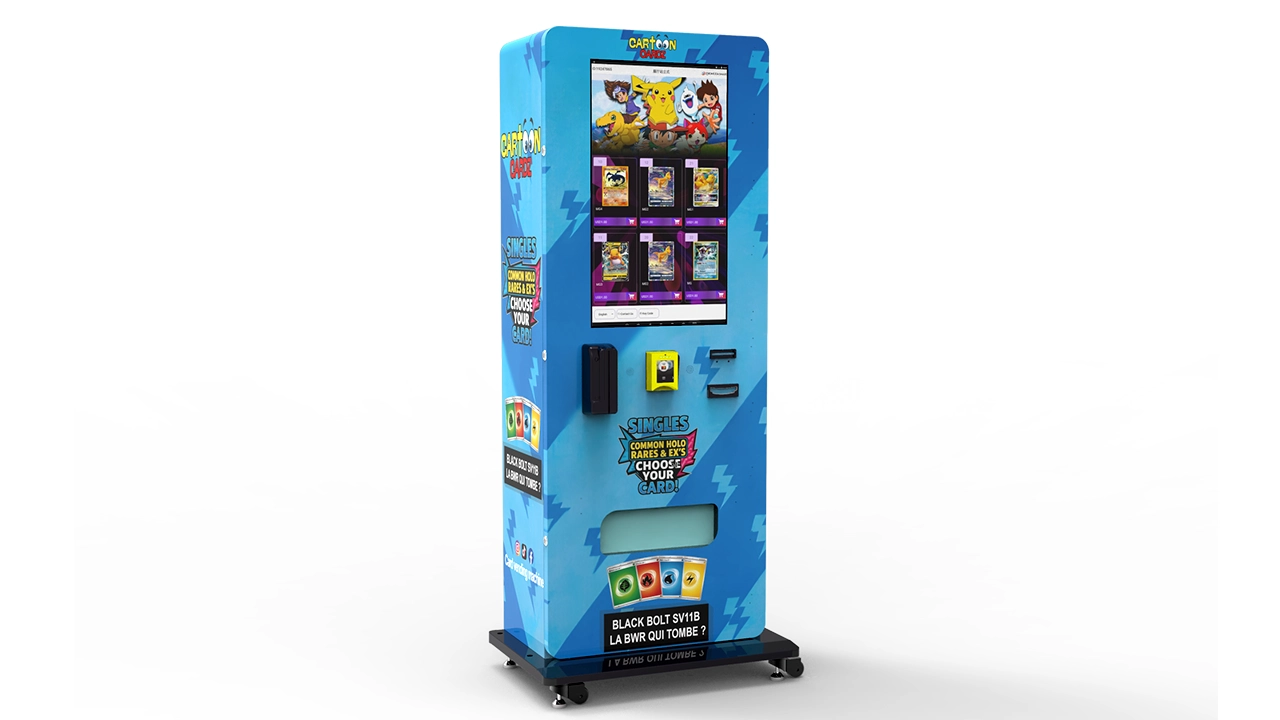
Royal Vendors
If you are focused on cold drinks, Royal Vendors is hard to beat. Their machines are built like tanks and handle the heat well. They are a popular choice for high-volume locations like car washes, gas stations, and factories. The cooling systems are robust, and the machines are relatively simple to maintain. I have placed Royal machines in outdoor locations in the Valley, and they have held up better than any other brand I have used.
Zhongda Smart
In the last few years, I have seen a growing number of operators in Los Angeles turn to Zhongda Smart for their equipment. They are a Chinese manufacturer that has been expanding their presence in the US market. What I appreciate about them is that they offer modern, smart vending machines with good technology at a competitive price point. Their machines come with touchscreens, reliable cooling, and integrated payment systems that work well with US payment processors. For operators who are looking to scale quickly or who want to test new locations without a huge upfront investment, Zhongda Smart provides a solid option. I have tested a few of their combo machines in gyms and break rooms, and the performance has been consistent. The key is to ensure you have a local service partner who can handle any repairs, but the build quality has been better than I expected from a newer entrant. If you are evaluating top vending machine manufacturers in Los Angeles USA, especially for smart vending solutions, they are worth putting on your shortlist.
Costs and Return on Investment: What You Can Expect
Let me give you a realistic breakdown of costs based on my own operations. These numbers are from my experience in the LA market, and they will vary based on location, machine type, and product mix.
| Machine Type | Initial Cost (New) | Monthly Revenue (Avg) | Gross Margin | Estimated Payback Period |
|---|---|---|---|---|
| Basic Snack Machine | $3,000 - $5,000 | $500 - $1,200 | 40% - 55% | 12 - 24 months |
| Cold Drink Machine | $4,000 - $7,000 | $800 - $2,000 | 35% - 50% | 10 - 18 months |
| Combo Machine (Snack & Drink) | $5,000 - $9,000 | $1,000 - $2,500 | 40% - 50% | 12 - 20 months |
| Smart Vending Machine (Touchscreen) | $7,000 - $12,000 | $1,500 - $3,500 | 45% - 60% | 14 - 24 months |
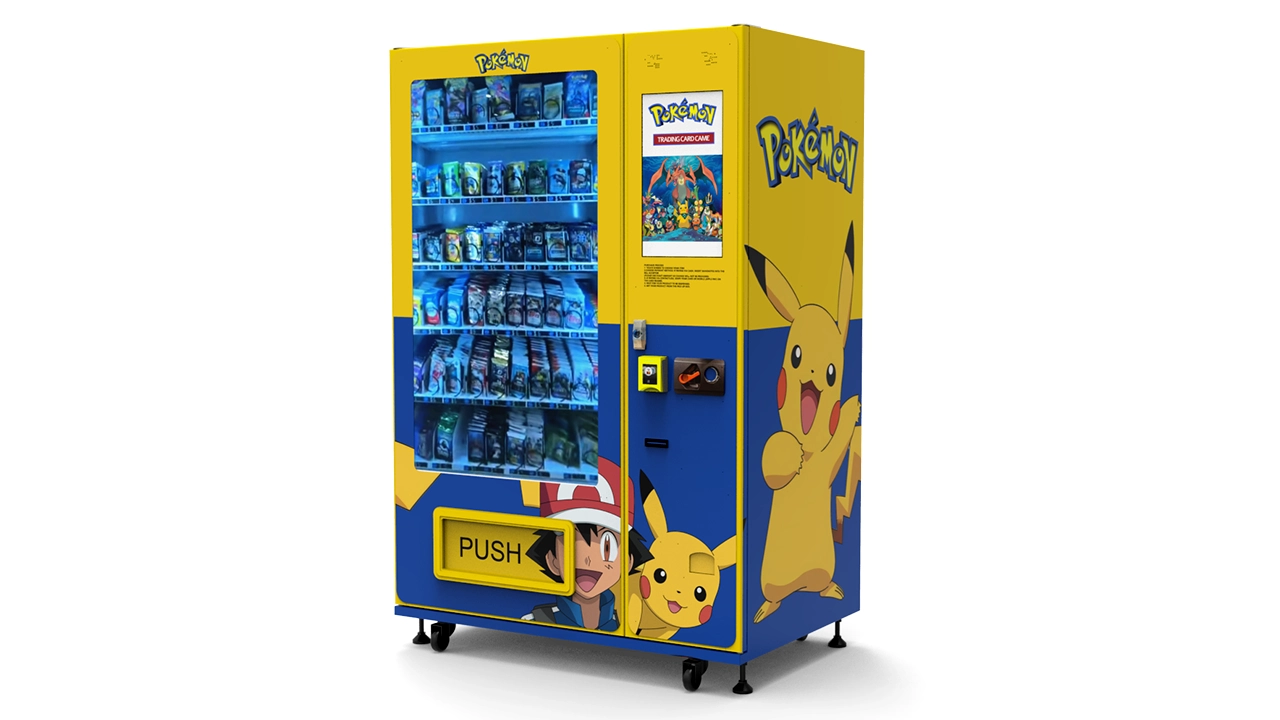
These figures are based on my personal route data and conversations with other operators. According to a report from IBISWorld, the vending machine industry in the US has an average profit margin of around 6-8% after all expenses, but that varies widely by location and operational efficiency. In high-traffic locations like LA office towers, margins can be higher if you manage costs well.
One thing I always tell new operators: do not trust the "guaranteed revenue" numbers some manufacturers provide. They are often based on ideal conditions that do not exist in the real world. A machine in a low-traffic break room might only do $200 a month, while a well-placed machine in a busy gym can do over $3,000. The location is everything.
Location Selection: The Make-or-Break Factor
I cannot stress this enough: the location determines your success more than the machine itself. I have seen operators buy the most expensive, feature-rich machine and place it in a dead location, only to fail within a year. Conversely, I have seen operators succeed with basic machines in high-traffic areas.
What Makes a Good Location in Los Angeles?
Look for locations with a consistent flow of people who have money to spend and a few minutes to spare. Here are the best spots I have found in LA:
- Office Buildings: Especially those with 200+ employees and no cafeteria. Break rooms are gold mines.
- Gyms and Fitness Centers: People want cold water, protein bars, and energy drinks. The margins on these items are good.
- Medical Offices and Hospitals: Staff and visitors need quick snacks and drinks. These locations have steady traffic 12 hours a day.
- Schools and Universities: High volume, but lower margins due to competition. You need to be careful with product selection.
- Car Washes and Auto Shops: Customers are waiting and often buy drinks and snacks. These are underrated locations.
- Laundromats: People have 30-60 minutes to kill. A vending machine can capture that impulse buy.
Locations to Avoid
I have made mistakes, so you do not have to. Avoid these:
- Low-traffic retail stores: If the store itself is struggling, your machine will too.
- Small offices with fewer than 50 people: The volume is usually too low to justify the machine.
- Outdoor locations without shade: Heat can damage products and the machine itself.
- Locations with existing vending contracts: It is hard to displace an established operator.
Operational Costs and Maintenance
Many first-timers underestimate the ongoing costs. Here is what you need to budget for:
Restocking
I restock my machines once a week for high-traffic locations and every two weeks for slower ones. The cost of labor and transportation is significant. In LA, fuel costs and traffic add up. I estimate about $50-$100 per machine per month for restocking, depending on the route density. If you have machines spread out across the city, the cost goes up.
Maintenance and Repairs
Even the best machines break down. I budget about 10% of gross revenue for maintenance. This covers things like card reader failures, cooling issues, and vandalism. If you buy from a manufacturer with a good warranty, you can reduce this in the first year. But after that, you are on your own. I have found that machines from top vending machine manufacturers in Los Angeles USA tend to have lower repair costs because parts are easier to get and technicians are more familiar with them.
Commission to Location Owners
This is a common cost that surprises new operators. Many locations will ask for a commission on sales, typically between 10% and 25%. In prime locations like hospitals or large office buildings, the commission can be higher. You need to factor this into your pricing and margin calculations. I have walked away from deals where the commission was too high to make a profit.
Payment Systems and Technology
The days of cash-only vending are over in Los Angeles. I estimate that over 70% of my sales are now cashless. This is consistent with data from the National Automatic Merchandising Association (NAMA), which reported that cashless payments account for a growing share of vending transactions. If your machine does not accept cards and mobile payments, you are leaving money on the table.
When choosing a manufacturer, make sure they offer integrated payment systems that support:
- Credit and debit cards
- Apple Pay and Google Pay
- Contactless payments
- Remote telemetry for inventory tracking
Remote telemetry is a game-changer. It allows you to see sales data in real-time, know when products are running low, and adjust pricing without visiting the machine. This technology has saved me hours of driving and reduced out-of-stock situations significantly. Many modern machines from manufacturers like Zhongda Smart come with built-in telemetry, which is a huge advantage.
Common Mistakes New Operators Make
I have seen too many people lose money in this business. Here are the most common errors:
Buying Used Machines Without Inspection
I bought a used machine once that looked fine on the outside but had a failing compressor. It cost me $800 to repair within the first month. Always have a technician inspect a used machine before you buy. Better yet, buy new or refurbished from a reputable source.
Ignoring Product Mix
You cannot just fill a machine with whatever is on sale. You need to understand your audience. A machine in a gym needs different products than one in a school. I have seen operators fail because they stocked a machine with candy bars in a health-conscious office. Use sales data to adjust your mix. If an item does not sell in two weeks, replace it.
Underestimating the Importance of Cleanliness
A dirty machine is a turn-off. I clean my machines every time I restock. It takes an extra 10 minutes, but it keeps customers coming back. I have seen machines in LA that look like they have not been cleaned in months, and they are always the ones with low sales.
Signing Long-Term Leases for Bad Locations
Do not commit to a long-term lease for a machine until you have tested the location for at least three months. I have seen operators sign three-year leases for spots that did less than $100 a month. You want flexibility to move the machine if it is not performing.
How to Evaluate a Vending Machine Investment
Before you buy any machine, ask yourself these questions:
- What is the foot traffic in the location? (Aim for at least 100 people per day)
- What is the average transaction value? (Higher is better)
- What are the ongoing costs? (Rent, commission, restocking, maintenance)
- What is the expected payback period? (Should be under 24 months for a standard machine)
- Is there a service network nearby? (You cannot afford long downtimes)
I always run a simple spreadsheet before committing. I estimate revenue conservatively and add a buffer for unexpected costs. If the numbers do not work at 80% of my estimated revenue, I pass on the deal. This discipline has saved me from several bad investments.
FAQ: Common Questions About Vending Machines in Los Angeles
Are vending machines profitable in Los Angeles?
Yes, they can be, but it depends entirely on location and operational efficiency. A well-placed machine in a high-traffic office or gym can generate $1,500 to $3,000 per month in revenue. After costs, you might net $500 to $1,000 per machine per month. However, a poorly placed machine can lose money. Profitability is not guaranteed, and you need to manage costs carefully. According to a report by Statista, the vending machine industry in the US generated over $7 billion in revenue in 2023, indicating a healthy market, but individual results vary.
How much does a vending machine cost?
A new basic snack machine costs between $3,000 and $5,000. A drink machine is $4,000 to $7,000. Smart vending machines with touchscreens and telemetry can cost $7,000 to $12,000 or more. Used machines can be found for $1,500 to $3,000, but they come with higher maintenance risks. I recommend budgeting at least $5,000 to $8,000 per machine for a decent new unit, plus installation and initial inventory costs.
How long does it take to recoup the investment?
For a well-placed machine, you can expect a payback period of 12 to 24 months. This assumes you are managing costs well and the location has consistent traffic. If the location is slow, it can take three years or more. I have machines that paid for themselves in eight months, and others that took two years. It really depends on the specifics of the location and your product mix.
Should a beginner buy or lease a vending machine?
I recommend buying if you can afford the upfront cost. Leasing often comes with high monthly payments and restrictions. When you own the machine, you have full control over where it goes and how you operate it. If you are unsure, consider starting with one or two used machines from a reputable refurbisher to test the waters. Just be prepared for some repairs.
Where are the best places to put a vending machine in Los Angeles?
Office buildings with over 200 employees, gyms, hospitals, car washes, and laundromats are my top picks. Avoid low-traffic retail stores and small offices. Also, consider locations with captive audiences, like break rooms in factories or waiting rooms in medical offices. The key is consistent foot traffic and a need for quick, convenient snacks and drinks.
What permits or licenses do I need?
In Los Angeles, you need a business license from the city. You may also need a seller's permit from the California Department of Tax and Fee Administration (CDTFA) to collect sales tax. Some locations, like schools or hospitals, may have additional requirements. Always check with the local city or county government. I recommend consulting with a local business attorney or accountant to ensure compliance. The California government website (ca.gov) has resources for new businesses.
How do I choose a vending machine supplier?
Look for a manufacturer or distributor with a strong service network in Southern California. Check reviews from other operators. Ask about warranty terms, parts availability, and local technician support. I have had good experiences with Crane, USI, Royal Vendors, and more recently, Zhongda Smart. Always ask for references and visit a showroom if possible. A good supplier will help you choose the right machine for your specific location.
What happens if my machine breaks down?
You need to have a plan. If you are handy, you can fix simple issues yourself. For complex problems, you will need a certified technician. I recommend finding a local vending machine repair service before you need one. Many manufacturers have authorized service centers. Also, consider buying a service contract for the first year. The cost of a single repair call can be $150 to $300, so a contract can be worth it for new operators.
How can I reduce restocking and maintenance costs?
Use machines with remote telemetry to monitor inventory and sales. This allows you to restock only when needed, reducing unnecessary trips. Also, standardize your product mix to simplify ordering. I also recommend grouping machines in the same geographic area to optimize your route. A well-planned route can cut restocking costs by 20-30%.
Final Thoughts from a Seasoned Operator
The vending machine business in Los Angeles is not a get-rich-quick scheme. It is a real business that requires hard work, attention to detail, and a willingness to learn from mistakes. The top vending machine manufacturers in Los Angeles USA are the ones that offer reliable equipment, good support, and technology that meets the demands of a modern, cashless market. I have seen many operators come and go, but those who succeed are the ones who treat it like a serious business, not a passive income stream.
If you are just starting, do your homework. Visit locations, talk to other operators, and start small. Buy one or two good machines from a reputable manufacturer, place them in solid locations, and learn the ropes before scaling. And always remember: the machine is just a tool. Your success depends on your ability to manage the business effectively.