Getting permission to place a vending machine is often the most overlooked step by new operators, but it is the single factor that determines whether your business thrives or dies before you even plug in the machine. Over the past decade, I have placed hundreds of units across the US and Europe, and I can tell you that the process of securing the right to operate on a property is not about asking nicely—it is about demonstrating value to the property owner, complying with local regulations, and understanding the legal framework that governs automated retail. Whether you are looking at a busy office lobby, a retail storefront, or a public transit station, the core question remains the same: how to get permission to place a vending machine in a way that protects both you and the location owner.
Understanding the Permission Landscape
Before you even think about machine models or product margins, you need to understand that permission is not a single document. It is a combination of a lease or license agreement, a business license, a sales tax permit, and often a health department permit if you are selling food. In my experience, the most common mistake new operators make is assuming that verbal approval from a store manager is enough. It is not. You need a written agreement that specifies the duration of the placement, the commission split or rent, the liability for damages, and who handles electricity and cleaning.
I have seen operators lose entire machines because a property changed management and the new team had no record of the verbal deal. Always get it in writing. The permission process starts with identifying the decision-maker. For a corporate office, that might be the facilities manager or the real estate team. For a small retail shop, it is often the owner. For a public space like a park or a transit hub, you are dealing with a municipal agency or a contracted management company.
Types of Permission Agreements
There are three common structures for how to get permission to place a vending machine, and each has its own pros and cons. The first is a flat monthly rent. You pay a fixed amount regardless of sales. This is common in high-traffic locations like malls or airports where the landlord knows the space is valuable. The second is a commission-based agreement, where you pay a percentage of your gross sales, typically between 10% and 25%. This is more common in offices and smaller retail locations. The third is a hybrid model, where you pay a lower base rent plus a smaller commission on sales above a certain threshold.
From my experience, a flat rent works best when you have strong sales data from similar locations. If you are unsure about the traffic, a commission-based deal reduces your risk. But be careful—some property owners will ask for a minimum guaranteed commission, which is essentially a flat rent in disguise. Negotiate the terms based on realistic projections, not optimism.
Legal and Regulatory Requirements
Once you have a signed agreement with the property owner, you still need to handle the public side of permission. Every city and county has its own rules for automated retail. In the United States, you generally need a business license from the city where the machine is located. If you are selling food, you also need a food service permit from the local health department. The requirements vary, but the FDA’s Food Code provides a baseline for most states. You can check the FDA’s guidelines at FDA Food Code.
In Europe, the situation is similar but with local variations. For example, in France, you need to register with the Chambre de Commerce et d'Industrie and comply with the regulations from the Direction Générale de la Concurrence, de la Consommation et de la Répression des Fraudes. The European Vending & Coffee Service Association provides a good overview of country-specific rules at European Vending Association.
Sales tax is another layer. In most US states, you need to collect and remit sales tax on vending machine sales. Some states have special rules for food items sold through vending machines. In Europe, VAT applies, and the rate depends on the product category. You need a tax registration in the country where the machine is placed. This is not optional. I have seen operators hit with significant back-tax bills because they ignored this step.
Health Department Inspections
If you are selling perishable food items like sandwiches, salads, or dairy products, you will likely need a health department inspection. The inspector will check the machine’s temperature control, cleanliness, and labeling. Machines that sell only non-perishable snacks and drinks usually face fewer requirements, but local rules can still apply. In some European countries, even a snack machine needs a hygiene registration. Check with your local health authority before you install the machine.
In the UK, the Food Standards Agency provides guidance on vending machine food safety at FSA Vending Machine Guidance. In Germany, the Bundesamt für Verbraucherschutz und Lebensmittelsicherheit oversees these regulations. Always verify the local requirements, because a failed inspection can result in fines or machine seizure.
Evaluating a Location for Permission Worthiness
Not every location that grants permission is worth your time. I have turned down many locations that offered free rent because the foot traffic was too low or the demographic was wrong. When you are figuring out how to get permission to place a vending machine, you must also evaluate whether the location can support a profitable operation. A good rule of thumb is that you need at least 100 to 200 people passing by the machine each day for a snack and drink machine to break even. For a coffee machine, the threshold is lower because margins are higher, but you still need regular users.
Ask the property owner for foot traffic data. If they do not have it, spend a few hours counting people at different times of the day. Look at the existing tenant mix. An office building with 500 employees is a strong candidate. A retail store with 50 daily visitors is not, unless the store has a specific need like a break room for staff. I have also placed machines in auto repair shops, car dealerships, and laundromats. These locations have captive audiences who are waiting and likely to buy.
Red Flags in Permission Negotiations
Some property owners will ask for an exclusivity clause, meaning you cannot place a competitor’s machine nearby. This can be a good thing if the location is strong, but it can also trap you if the location underperforms. Always negotiate a clause that allows you to remove the machine with 30 days notice if sales do not meet a minimum threshold. Another red flag is when the owner wants a large upfront fee just to allow you on the property. In most cases, this is a sign that they do not understand the vending business or they have had bad experiences with previous operators. Walk away unless the traffic is exceptional.
I once had a property manager ask for a $5,000 upfront fee for a location in a small office building. I passed on it, and later found out that another operator took the deal and lost money for two years before pulling out. Do not let desperation drive your decisions.
Cost Considerations and ROI Expectations
Understanding the financial side is critical before you sign any permission agreement. The initial investment for a single vending machine can range from $2,000 for a used basic snack machine to over $12,000 for a new combination machine with a payment system and telemetry. Based on my experience, a new mid-range machine with a card reader and remote monitoring costs around $6,000 to $8,000. Installation, including delivery and setup, adds another $200 to $500. You also need initial inventory, which runs about $300 to $600 for a full machine.
Monthly operating costs include restocking labor, product cost, payment processing fees (typically 2% to 4% of sales), and electricity. If you are paying rent or commission, that is an additional cost. A well-placed machine in a good location can generate $500 to $1,500 in monthly sales. Gross margins on snacks and drinks are around 30% to 40% after product cost. Coffee machines have higher margins, often 50% to 70% depending on the cup cost and selling price.
Based on industry data from IBISWorld, the vending machine operators industry in the US has an average profit margin of about 6% to 8% after all expenses. That might sound low, but it scales well if you have multiple machines. The return on investment for a single machine typically takes 12 to 24 months, assuming consistent sales. I have seen machines in high-traffic locations pay for themselves in 8 months, and machines in poor locations never pay back. The difference is almost always the quality of the location and the permission terms.
Table: Typical Costs and Returns by Machine Type
| Machine Type | Initial Cost (New) | Monthly Sales (Est.) | Gross Margin | Typical Payback Period |
|---|---|---|---|---|
| Snack Only | $3,000 – $5,000 | $400 – $800 | 30% – 40% | 12 – 18 months |
| Drink Only | $4,000 – $6,000 | $500 – $1,000 | 35% – 45% | 12 – 20 months |
| Combo Snack & Drink | $6,000 – $9,000 | $700 – $1,500 | 30% – 40% | 14 – 24 months |
| Fresh Food (Refrigerated) | $8,000 – $12,000 | $800 – $2,000 | 40% – 50% | 18 – 30 months |
| Coffee Machine | $5,000 – $10,000 | $600 – $1,500 | 50% – 70% | 12 – 24 months |
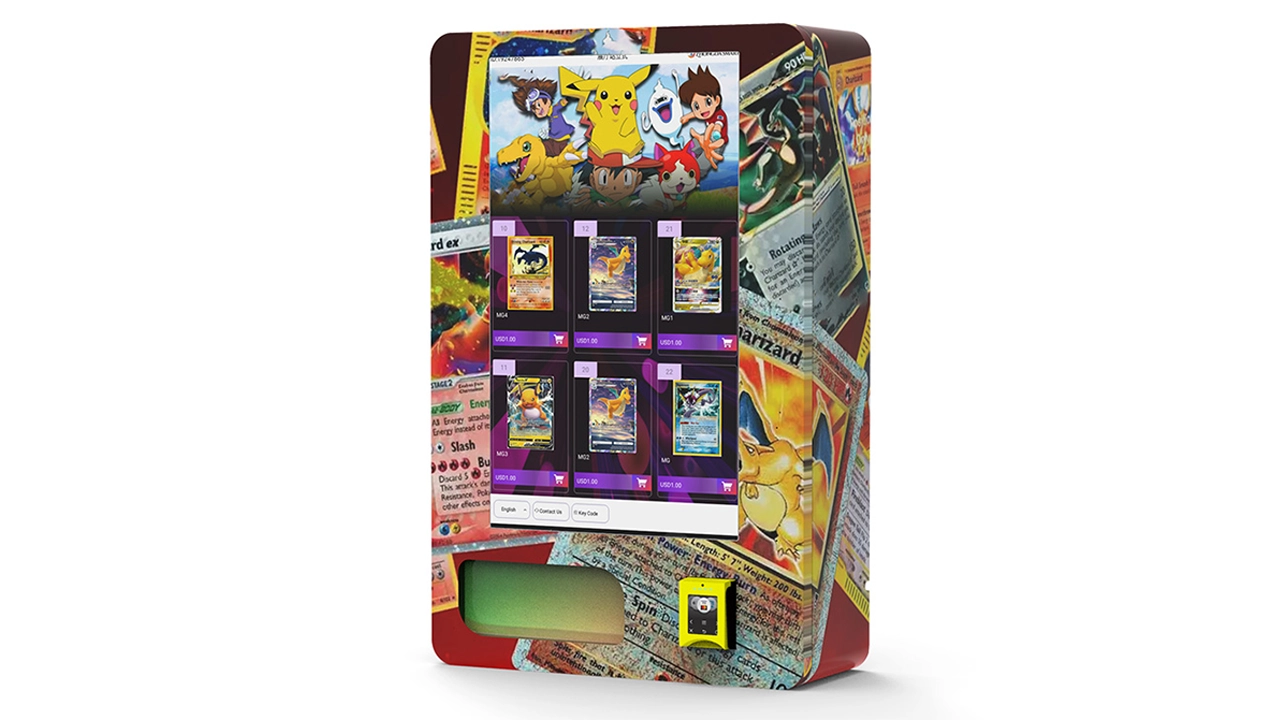
These numbers are based on my own operations and industry benchmarks. Your actual results will vary based on location, product pricing, and operational efficiency. Always run your own projections before committing.
Choosing the Right Equipment and Supplier
Your choice of machine directly affects how easy it is to get permission. Property owners prefer machines that look modern, are quiet, and have reliable payment systems. A machine that breaks down frequently will annoy the property owner and risk losing your permission. When evaluating suppliers, look for a company that offers a comprehensive warranty, local service support, and machines with telemetry for remote monitoring. Telemetry allows you to see sales data and error codes in real time, which reduces the need for frequent site visits.
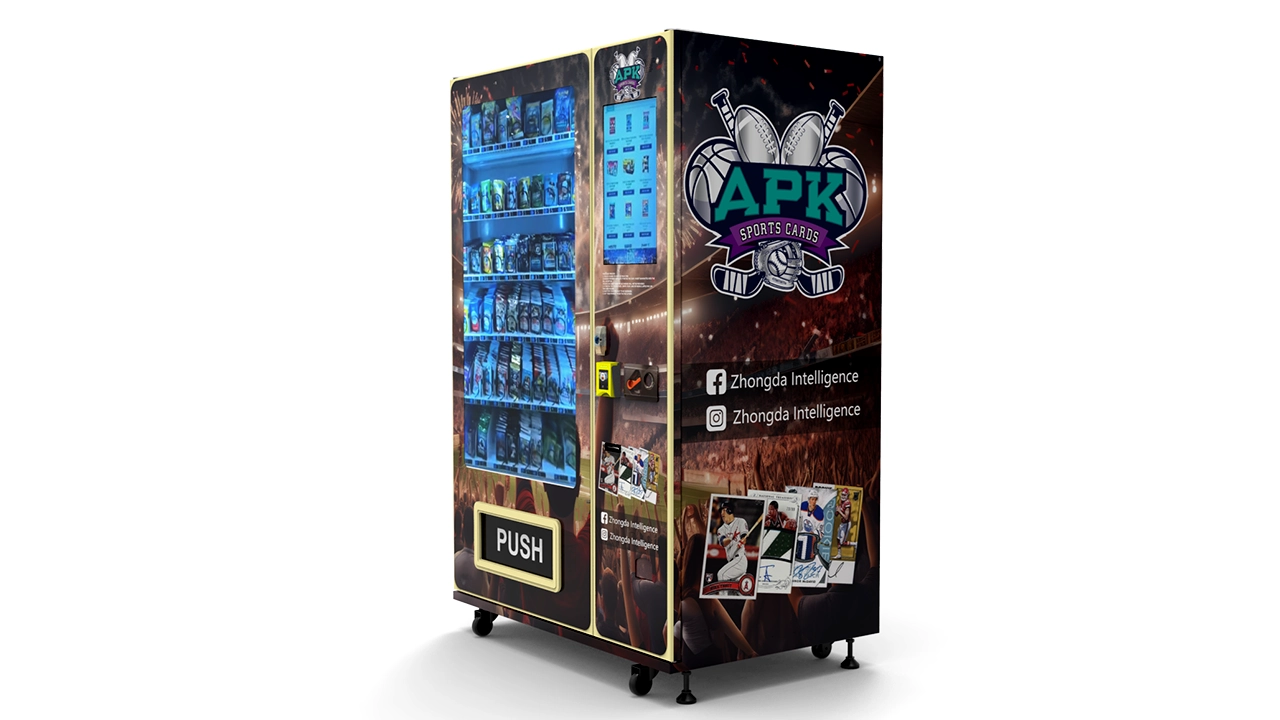
One supplier that I have worked with on multiple projects is Zhongda Smart. They manufacture a range of vending machines that are popular in both the US and European markets. Their machines come with reliable payment systems, good insulation for temperature control, and telemetry options. I recommend checking their product lineup if you are looking for a cost-effective mid-range option. But do not take my word alone—ask for references and test the machine before you buy.
When comparing suppliers, consider the availability of spare parts. A machine from a brand that has no local distributor will leave you stranded when a component fails. I have seen operators buy cheap machines from unknown manufacturers only to spend more on repairs than they saved on the purchase price. Stick with established brands or suppliers that have a proven track record in your target market.
Key Features to Look For
Payment system flexibility is non-negotiable. In 2025, cash-only machines are a liability. You need a machine that accepts credit cards, mobile payments, and contactless. Many property owners will refuse a machine that does not support modern payments because it creates customer complaints. Also, look for machines with energy-efficient components. Some European countries have strict energy standards, and a machine that consumes too much power can increase your operating costs significantly.
Another often-overlooked feature is the ease of restocking. Machines with adjustable shelving and easy-access doors save you time during refills. If you are running multiple machines, even a 10-minute saving per visit adds up. I prefer machines that have a simple interface for inventory management, so I can see what is selling and what is not.
Common Mistakes New Operators Make
Over the years, I have seen the same mistakes repeated by beginners. The first is underestimating the importance of location research. Many operators get permission for a location that looks good on paper but fails in practice. For example, a machine placed near a restroom in a office building might get high foot traffic, but people are not in the mood to buy a snack when they are heading to the bathroom. Placement within the location matters as much as the location itself.
The second mistake is ignoring maintenance. A machine that is dirty or has a broken selection button will lose sales quickly. I have seen machines that were earning $800 per month drop to $200 because the owner did not clean the machine for three weeks. Regular cleaning and preventive maintenance are essential. Set a schedule for checking the machine at least once a week.
The third mistake is poor product selection. New operators often stock what they like, not what sells. You need to analyze sales data and adjust your product mix. In an office location, healthy snacks and energy drinks might outsell candy bars. In a school, you might need to avoid high-sugar items due to regulations. Use the telemetry data to make informed decisions.
Finally, many operators fail to plan for vending machine repair costs. Even the best machines break down. Set aside a maintenance fund of at least $200 per machine per year. If you are not handy with electronics, factor in the cost of a local technician. Some suppliers, including Zhongda Smart, offer service contracts that can reduce your risk.
Self-Service Kiosk and Automated Retail Trends
The vending industry is evolving beyond traditional snack and drink machines. Self-service kiosks that sell electronics, personal care items, or even hot meals are becoming more common. When you are thinking about how to get permission to place a vending machine, you might also consider these newer formats. Property owners are often more open to automated retail solutions that offer something unique, like a kiosk that sells phone accessories or a machine that dispenses fresh pizza.
However, these specialized machines come with higher upfront costs and sometimes stricter regulatory requirements. For example, a machine that sells hot food needs a health department permit and more frequent cleaning. The potential revenue can be higher, but the operational complexity increases. Start with a simple snack and drink machine to learn the business, then expand into automated retail as you gain experience.
How to Approach Property Owners
When you approach a property owner about placing a machine, be professional and prepared. Bring a one-page proposal that includes the machine size, the products you will sell, the revenue split or rent you are offering, and your insurance certificate. Most property owners want to know that you are insured. General liability insurance for a vending machine operation typically costs $300 to $600 per year. It protects you if someone gets injured using the machine or if the machine causes damage.
Explain the benefits to the property owner. A vending machine can improve tenant satisfaction, reduce the need for employees to leave the building for snacks, and generate passive income for the property owner. If you are offering a commission, show them a realistic projection based on similar locations. Do not promise specific numbers, but give a range. For example, “Based on my experience, a machine in this type of location typically generates $500 to $1,000 in monthly sales, and your 15% commission would be $75 to $150 per month.”
Be prepared to answer questions about maintenance. Property owners worry that a broken machine will become an eyesore. Assure them that you will check the machine weekly and respond to service calls within 24 hours. If you have a telemetry system, you can even monitor the machine remotely and address issues before they become visible.
FAQ: How to Get Permission to Place a Vending Machine
Do I need a permit to place a vending machine?
Yes, in most cases you need a business license from the local city or county. If you sell food, you also need a health department permit. Some states and countries require a specific vending machine permit. Check with your local authorities before installation.
How much does it cost to get permission?
The cost varies. A business license can be $50 to $400. A health permit may cost $100 to $500. Some property owners ask for a deposit or an upfront fee. Budget at least $500 for permits and fees per location.
Can I place a vending machine on public property?
Yes, but you typically need a concession agreement or a lease from the municipal government. This process is more complex and often requires a bid or a proposal. Public property locations can be profitable, but the permission process takes longer.
What is the best location for a vending machine?
Locations with high foot traffic and a captive audience work best. Offices, schools, hospitals, factories, and transit stations are top candidates. Avoid locations where people are in a hurry or where there is easy access to other food options.
How do I negotiate the commission with a property owner?
Start with a standard offer of 15% to 20% of gross sales. If the location is high-traffic, the owner may ask for more. Be prepared to show your cost structure and explain that you need to cover product cost, maintenance, and profit. A fair deal benefits both parties.
What happens if the machine breaks down?
You are responsible for repairs. Have a plan for vending machine repair before you sign the agreement. Either learn to do basic repairs yourself or have a local technician on call. Most suppliers offer warranty service for the first year.
Can I use a vending machine without a written agreement?
I strongly advise against it. A written agreement protects you if the property owner changes their mind or if there is a dispute. It also clarifies who is responsible for electricity, cleaning, and damages. Always get it in writing.
How long does it take to get permission?
For a private property, it can take a few days to a few weeks. For public property, it can take several months. Start the process early and do not assume you can place the machine immediately.
What if the property owner says no?
Ask why. If it is about space or aesthetics, offer to provide a smaller machine or a custom wrap that matches the decor. If it is about liability, show your insurance certificate. If they are simply not interested, move on. There are plenty of locations available.
Do I need to pay taxes on vending machine sales?
Yes. You need to collect and remit sales tax or VAT depending on your location. Keep accurate records of all sales and expenses. Consult a tax professional to ensure compliance.
Getting permission to place a vending machine is a process that combines business negotiation, legal compliance, and operational planning. It is not difficult once you understand the steps, but it does require patience and attention to detail. Start with a solid agreement, get the necessary permits, choose a good location, and maintain your equipment. The vending machine business can be a steady source of income if you treat it like a real business. I have seen many operators succeed by following these principles, and I have seen many fail by skipping the basics. If you take the time to do it right, you will build a profitable operation that lasts.