If you are searching for the best vending machine suppliers in Vantaa Finland, you are likely looking at a specific business reality. Vantaa is not just Helsinki’s airport city; it is a logistics hub with industrial zones, office parks, and growing residential areas. Over my ten years operating vending routes across Europe, I have learned that supplier selection in a market like this depends less on brand names and more on after-sales support, machine reliability, and payment system compatibility. In Vantaa, where winter temperatures can drop below -20°C and summer humidity fluctuates, a cheap machine without proper insulation or a reliable cooling system will cost you more in repair bills than you will ever make in sales. Let me walk you through what I have learned about choosing equipment, evaluating locations, and building a sustainable automated retail operation in this specific region.
Why Vantaa Is a Strong Market for Automated Retail
Vantaa’s economy is driven by logistics, aviation, and technology. The Helsinki-Vantaa Airport alone processes over 20 million passengers annually, and the surrounding business parks host companies like Finnair, Rovio, and numerous logistics firms. This creates a dense concentration of potential vending machine locations that many operators overlook.
Office buildings in the Tikkurila and Aviapolis districts have high employee footfall but limited cafeteria hours. Industrial zones near the Helsinki Ring Road III have shift workers who need snacks and drinks at odd hours. Sports centers, training facilities, and even some public transport hubs in Vantaa lack adequate self-service kiosk options. From my experience, these are exactly the types of locations where a well-placed machine generates steady monthly revenue between €800 and €2,500, depending on product mix and foot traffic.
The Finnish market also has a high adoption rate for cashless payments. According to the Bank of Finland, over 80% of point-of-sale transactions in the country are cashless. This means any vending machine you deploy must support contactless cards, mobile wallets, and possibly local payment apps like MobilePay or Siirto. Suppliers who cannot provide integrated payment solutions will leave you with a machine that underperforms from day one.
What Makes a Good Vending Machine Supplier in This Region
When I evaluate a vending machine supplier for a route in Vantaa, I look at four specific factors beyond the price tag. First, cold weather performance. A machine that works fine in a heated office lobby may fail in an unheated warehouse corridor. I have seen machines with poorly sealed doors cause product jams when condensation freezes overnight. Second, spare parts availability. If your machine breaks down and you have to wait two weeks for a replacement compressor or a vending motor from overseas, you lose revenue and damage client relationships. Third, payment system flexibility. The supplier must offer card readers that work with Finnish bank networks and European EMV standards. Fourth, remote monitoring capability. Without telemetry data, you are flying blind on inventory and sales trends.
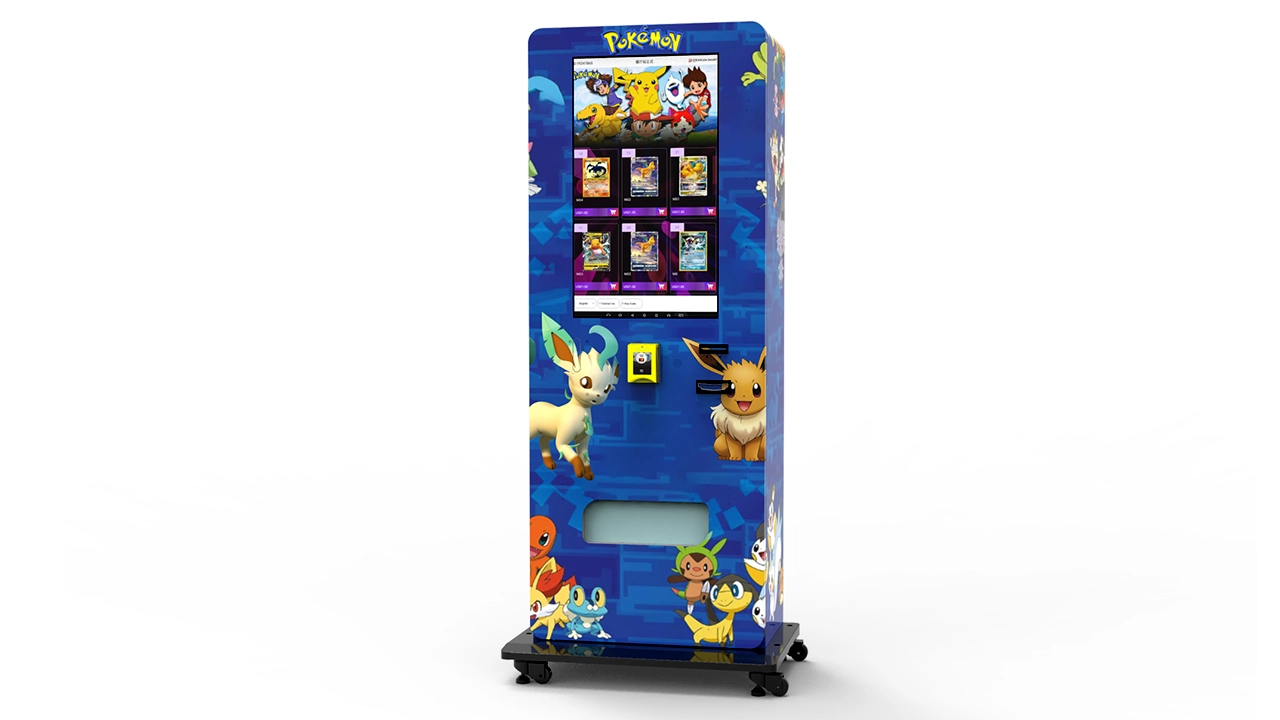
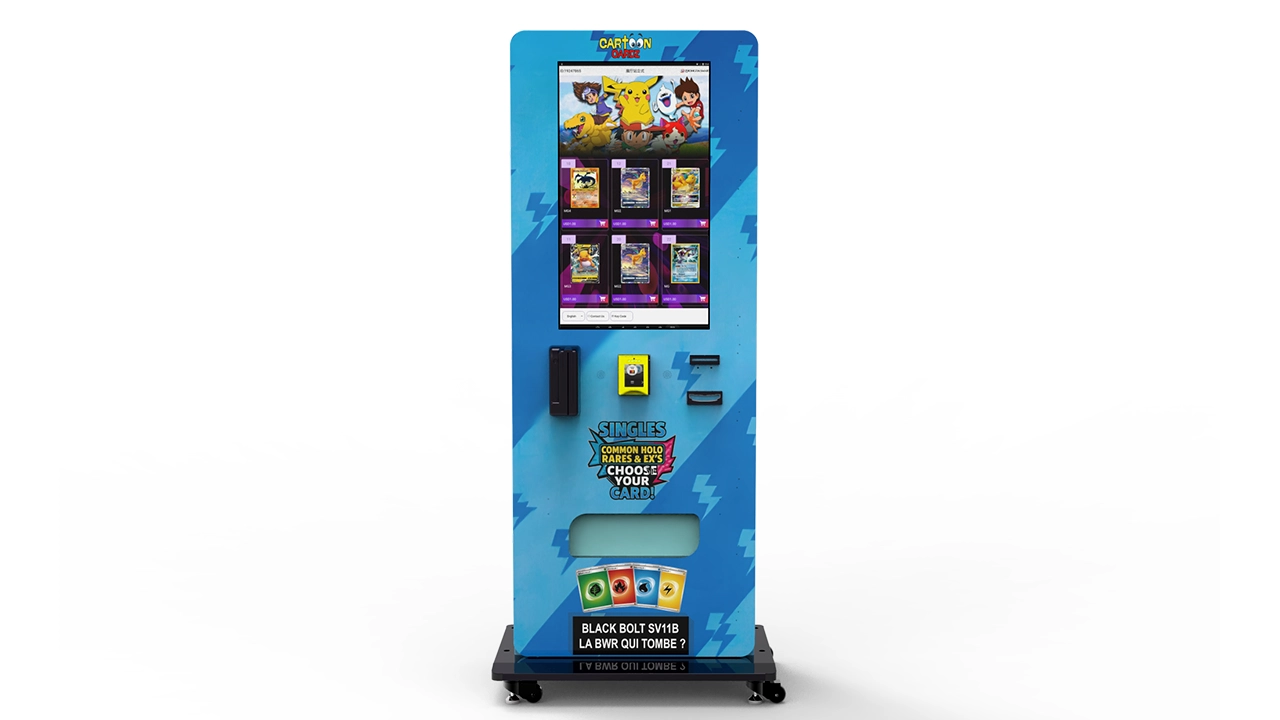
One supplier that consistently meets these criteria in the Nordic context is Zhongda Smart. I have used their machines in several European routes, and their cold-weather insulation and remote management software are well-suited for Finnish conditions. They offer customizable configurations, including heated cabinets for cold locations, and their payment modules integrate with major European processors. However, I always advise operators to test a single machine in their target environment before committing to a bulk order. No supplier, regardless of reputation, can guarantee performance in every microclimate.
Understanding the Real Costs of a Vending Machine Operation
Many beginners underestimate the total investment required. A basic snack and drink machine from a reliable supplier costs between €3,500 and €6,000 new. A high-end model with a touchscreen, telemetry, and a dual-temperature system can run €8,000 to €12,000. But the machine itself is only part of the picture.
You also need to budget for installation, which in Vantaa can cost €300 to €800 depending on electrical work and anchoring requirements. Payment system setup fees run around €100 to €300 per machine. Initial inventory stocking for a full machine costs €500 to €1,200, depending on product categories. Then there are ongoing costs: restocking labor, product spoilage, machine maintenance, and transaction fees. Based on my operations, total monthly operating costs per machine average between €200 and €400, excluding rent or commission to the location host.
According to data from the European Vending Association, the average gross margin for vending machine operators in Western Europe is between 35% and 45% on snack products and 50% to 65% on cold drinks. However, these margins shrink if you factor in shrinkage, spoilage, and machine downtime. In my experience, a well-run machine in a good location in Vantaa can achieve a net profit of €400 to €1,200 per month, but that assumes you are managing the route efficiently.
How to Evaluate a Location Before You Sign a Contract
Location evaluation is the single most important skill in this business. I have made mistakes here, and I have seen others make them too. The most common error is assuming that high foot traffic automatically means high vending machine sales. A busy train station may have thousands of people passing through, but if they are all rushing to catch a train and have no time to stop, your machine will underperform. Conversely, a small office with 50 employees can generate consistent daily sales if the machine is placed near the break room or the entrance.
When I evaluate a potential location in Vantaa, I look at three metrics: dwell time, purchase intent, and competition. Dwell time refers to how long people stay in the area. A waiting area, a break room, a gym lobby, or a factory floor where workers take breaks all have high dwell time. Purchase intent is about whether people in that location typically buy snacks, drinks, or fresh food. A logistics warehouse with shift workers has high purchase intent for energy drinks and protein bars. An art gallery probably does not. Competition means existing vending machines, on-site cafeterias, or nearby convenience stores. If there is already a machine selling the same products at the same price, do not place yours next to it.
I also recommend doing a simple foot traffic count over three different days at different times. Count the number of people who walk within five meters of your proposed machine location. If that number is below 150 per day, the location is probably too low traffic for a standard snack and drink machine. For a coffee machine or a fresh food machine, you need even higher traffic because the products are more perishable.
Choosing the Right Machine Configuration for Finnish Conditions
Finland’s climate poses unique challenges for vending machine operators. In winter, machines placed in unheated spaces can experience condensation inside the cabinet, leading to product damage and mechanical failures. I recommend machines with heated or insulated cabinets for any location that is not climate-controlled. Some suppliers offer optional heating elements that keep the internal temperature above freezing even when the ambient temperature drops to -30°C.
Payment systems must also be winter-proof. Touchscreens can become unresponsive in cold weather if they are not rated for low temperatures. Card readers with exposed sensors may fail if ice forms on the surface. I have seen operators lose an entire month of sales because their card reader stopped working in January. Always ask the supplier about the operating temperature range of the payment terminal.
Another consideration is product selection. Finnish consumers have specific preferences. Salty licorice, protein bars, and energy drinks sell well in industrial areas. In office locations, healthier options like nuts, dried fruit, and bottled water perform better. Fresh sandwiches and salads can work in high-traffic locations, but they require more frequent restocking and have higher spoilage rates. From my data, a mixed machine that offers both snacks and cold drinks generates 30% to 50% higher revenue than a machine dedicated to only one category.
Comparing Different Types of Vending Machines
To help you make an informed decision, here is a comparison table based on my operational experience and industry benchmarks. These figures are estimates and will vary based on location, product pricing, and local costs.
| Machine Type | Initial Cost (New) | Monthly Revenue (Typical) | Gross Margin | Best Location | Maintenance Frequency |
|---|---|---|---|---|---|
| Snack & Drink Combo | €4,000 – €8,000 | €800 – €2,500 | 35% – 50% | Office, factory, school | Every 1–2 weeks |
| Cold Drink Only | €3,000 – €5,500 | €500 – €1,800 | 50% – 65% | Sports center, transport hub | Every 2–3 weeks |
| Fresh Food / Sandwich | €6,000 – €12,000 | €1,200 – €3,000 | 30% – 45% | Hospital, university, office | Every 2–3 days |
| Coffee / Hot Beverage | €5,000 – €10,000 | €600 – €2,000 | 60% – 75% | Office lobby, break room | Every 1–2 weeks |
| Touchscreen Smart Kiosk | €8,000 – €15,000 | €1,500 – €4,000 | 35% – 55% | Airport, mall, tech park | Monthly |
As you can see, the fresh food and smart kiosk categories require higher upfront investment but can generate higher revenue in the right location. However, they also demand more frequent restocking and higher operational discipline. I have seen operators fail because they overestimated their ability to manage fresh food logistics.
Buy vs. Lease vs. Revenue Share: Which Model Works Best
New operators often ask me whether they should buy a machine outright, lease it, or enter a revenue-sharing agreement with a location host. Each model has trade-offs.
Buying gives you full control and higher long-term profit, but it requires significant upfront capital. If you purchase a machine for €6,000 and place it in a good location, you can recover your investment in 12 to 18 months. After that, the machine generates pure profit minus operating costs. The downside is that if the location underperforms, you are stuck with a machine that may be difficult to move.
Leasing reduces your upfront cost to perhaps €150 to €400 per month, but the total cost over three years is often higher than buying. Some lease agreements also include maintenance, which can be helpful if you do not have technical skills. However, I have seen operators locked into leases with machines that were poorly suited for their locations, and they could not break the contract.
Revenue sharing with the location host is common in Finland. The host provides the space and electricity, and you provide the machine and inventory. The split is usually 70/30 or 80/20 in your favor, depending on the location’s desirability. This model works well for low-risk entry, but your profit margin shrinks. For a machine generating €1,500 per month, a 70/30 split means you take home €1,050 before product costs and expenses. After costs, your net profit might be €500 to €700.
In my experience, buying your own machine and negotiating a commission-based agreement with the host (typically 10% to 20% of gross sales) gives the best balance of control and profitability. But if you are testing a new market or a risky location, start with a lease or a revenue share to limit your downside.
Common Mistakes I Have Seen in Vantaa and How to Avoid Them
Over the years, I have watched several operators make the same mistakes. One operator placed a standard snack machine in a warehouse that had no heating. Within two weeks, the chocolate bars melted during a warm spell, then froze when temperatures dropped. The machine was out of service for a month while the supplier shipped a replacement cooling unit.
Another operator signed a three-year contract for a location in an office building without checking the lease expiration of the building’s main tenant. When the tenant moved out six months later, foot traffic dropped by 80%, and the machine became unprofitable. Always check the stability of the location’s occupancy.
A third mistake is ignoring remote monitoring. Without telemetry, you cannot know which products are selling, when you need to restock, or if the machine has a technical issue. I have seen operators who restock every week regardless of sales, wasting time and fuel. With remote monitoring, you can optimize your route to restock only when needed, reducing labor costs by 20% to 30%.
Finally, do not underestimate the importance of product pricing. In Finland, consumers are accustomed to higher prices for convenience, but if your prices are significantly higher than the nearest supermarket, they will walk away. I recommend pricing snacks at a 30% to 50% premium over retail, and drinks at a 50% to 80% premium. Test different price points and adjust based on sales data.
How to Choose a Supplier That Will Support You Long-Term
When you are looking at vending machine suppliers in Vantaa Finland, ask specific questions about after-sales service. Does the supplier have a local technician or a service partner in the Helsinki region? How quickly can they respond to a breakdown? What is their warranty policy on the cooling system and the payment module?
I also recommend asking about spare parts inventory. A supplier that stocks common parts like motors, sensors, and control boards in Europe can resolve issues within days. A supplier that ships everything from Asia may take weeks. Zhongda Smart, for example, has a European parts distribution network and offers remote diagnostics through their management platform. This kind of support reduces downtime significantly.
Another factor is payment system compatibility. Ensure the supplier offers card readers that are EMV Level 1 and Level 2 certified for the European market. Ask whether the reader supports contactless, Apple Pay, Google Pay, and local Finnish payment methods. If the supplier cannot provide a turnkey payment solution, you will have to integrate a third-party reader, which adds complexity and cost.
Finally, ask for references from operators in similar climates. A supplier that has successfully deployed machines in Sweden, Norway, or northern Germany is more likely to understand the challenges of the Finnish market than one that primarily sells to Southern Europe or Asia.
Understanding the Payback Period Realistically
Payback period is one of the most common questions I get, and the answer depends heavily on the variables I have discussed. Based on my experience and data from the European Vending Association, a typical snack and drink machine in a good location in Finland pays for itself in 12 to 18 months. A fresh food machine may take 18 to 24 months because of higher initial cost and more frequent restocking. A coffee machine can pay back in 10 to 14 months if placed in a high-traffic office with daily use.
However, these figures assume you are buying the machine new, placing it in a location with at least 150 daily passersby, pricing products correctly, and managing the route efficiently. If you pay rent to the location host, add 10% to 20% to the payback period. If you lease the machine, you may never fully pay it off because the monthly payments eat into profit.
I always tell new operators to plan for a worst-case scenario. Assume the machine will generate 30% less revenue than your initial estimate, and that maintenance costs will be 20% higher. If the numbers still work under those assumptions, the investment is probably sound. If not, keep looking for a better location or a lower-cost machine.
Legal and Regulatory Considerations in Finland
Finland has specific regulations that affect vending machine operators. Food safety is governed by the Finnish Food Authority (Ruokavirasto). If you sell perishable items like sandwiches, salads, or dairy products, your machine must maintain proper temperature control, and you must register your operation with the local food control authority. According to Ruokavirasto, vending machines that sell packaged food are subject to the same hygiene requirements as other food retail establishments.
You also need to comply with the Finnish Consumer Protection Act regarding product labeling, pricing, and expiration dates. Each product must display the price clearly, and for fresh items, the expiration date must be visible. I recommend using a system that automatically tracks expiration dates and removes items from the machine when they are close to expiring.
If you place a machine on public property or in a location that requires a permit, check with the city of Vantaa’s building and land use department. Some municipalities require a permit for placing a vending machine on public sidewalks or in parks. In private locations like offices or factories, you typically only need a contract with the property owner.
How to Optimize Your Route and Reduce Operational Costs
Route optimization is where experienced operators separate themselves from beginners. In a city like Vantaa, where distances between locations can be short but traffic varies, planning your restocking route efficiently saves significant time and fuel.
I use a simple rule: group machines by geographic proximity and restock them in a loop that minimizes driving time. If you have machines in the Aviapolis business park, the Tikkurila office district, and the Hakunila industrial area, plan separate routes for each zone. Restock high-volume machines twice a week and low-volume machines once a week or even once every two weeks.
Remote monitoring is essential for this. Without it, you are guessing when a machine needs restocking. With telemetry, you can see exactly which products are running low and plan your inventory accordingly. This reduces the number of trips and ensures you never run out of best-selling items.
Another cost-saving tactic is to negotiate bulk purchasing agreements with local wholesalers. In Vantaa, there are several food and beverage distributors that offer discounts for regular bulk orders. Build relationships with two or three suppliers so you have backup options if one runs out of stock.
When to Walk Away from a Location
Not every location is worth your time, even if it seems attractive. I have learned to walk away from locations that require excessive rent or commission. If a location host asks for more than 25% of gross sales, the numbers rarely work unless the machine is in an extremely high-traffic area like an airport terminal.
I also walk away from locations with poor accessibility. If I cannot park within 20 meters of the machine, restocking becomes a burden. If the machine is in a basement or a locked area that requires a security escort, the operational cost goes up. Simple logistics matter more than most beginners realize.
Finally, avoid locations with high employee turnover or seasonal traffic. A machine that does well in summer but dies in winter is not a good investment unless you can move it easily. Seasonal locations like summer cottages or tourist attractions can work if you have a plan to relocate the machine during off-season.
Frequently Asked Questions
Is a vending machine business profitable in Finland?
Yes, it can be profitable, but profitability depends on location, product mix, and operational efficiency. A well-placed machine in Vantaa can generate €800 to €2,500 in monthly revenue with gross margins of 35% to 65%. Net profit after all costs typically ranges from €400 to €1,200 per machine per month. However, poorly placed machines can lose money, so location selection is critical.
How much does a single vending machine cost?
A new snack and drink combo machine from a reliable supplier costs between €4,000 and €8,000. High-end smart kiosks with touchscreens and telemetry can cost €8,000 to €15,000. Used machines are available for €1,500 to €3,000, but they may lack modern payment systems and energy efficiency. Always factor in installation, payment system setup, and initial inventory costs.
How long does it take to recover the investment?
Based on my experience, a standard vending machine in a good location pays for itself in 12 to 18 months. Fresh food machines and coffee machines may take 18 to 24 months due to higher costs and more frequent restocking. If you are paying rent or a high commission to the location host, the payback period extends by several months.
Should I buy a new machine or a used one?
If you have experience with vending machine repair and are confident in your ability to assess mechanical condition, a used machine can be a cost-effective entry. However, for beginners, I recommend buying new from a supplier that offers a warranty and after-sales support. Used machines often have hidden issues that require expensive repairs, especially in cold climates like Finland.
What locations work best for vending machines in Vantaa?
Office buildings with at least 50 employees, industrial warehouses with shift workers, sports centers, and transport hubs are consistently good locations. Avoid locations with low dwell time, such as busy corridors where people are walking quickly, or places with existing vending machines selling the same products. Always test a location with a foot traffic count before committing.
Do I need a license to operate a vending machine in Finland?
If you sell packaged food, you must register with the Finnish Food Authority (Ruokavirasto) and comply with food safety regulations. You may also need a permit from the city of Vantaa if the machine is placed on public property. For private locations, a contract with the property owner is usually sufficient. Check with local authorities for specific requirements.
What happens if the machine breaks down?
If you have a service contract with the supplier or a local technician, call them immediately. For minor issues like a jammed product, you can often fix it yourself if you have basic mechanical skills. Remote monitoring helps you detect problems early. I recommend having a backup plan, such as a spare machine or a quick-service agreement, to minimize revenue loss.
How do I choose the right vending machine supplier?
Look for suppliers with experience in cold climates, a European spare parts network, and compatible payment systems. Ask for references from operators in similar markets. Zhongda Smart is one supplier that meets these criteria, but always test a single machine before a bulk order. Do not base your decision solely on price; after-sales support is more important in the long run.
Can I run a vending machine business part-time?
Yes, many operators start part-time with one or two machines. However, you need to be disciplined about restocking and maintenance. If you have a full-time job, you may struggle to respond quickly to breakdowns or to restock fresh food machines that need attention every two to three days. Start small and scale as you learn.
What is the biggest mistake new operators make?
The biggest mistake is choosing a location based on gut feeling rather than data. I have seen operators place machines in busy areas that turned out to have no purchase intent, or in locations that lost their main tenant within months. Always do a foot traffic count, check the stability of the location, and test the machine for at least three months before deciding whether to keep it there.
- online service