If you are asking what is the best vending machine company in Singapore, the honest answer is that there is no single “best” provider that fits every business model. After over a decade running vending operations in the US and Europe, I have learned that the right supplier depends entirely on your location type, product mix, and budget. In Singapore’s dense urban environment, where foot traffic is high but space is tight, the best company is one that offers reliable hardware, local service support, and flexible payment systems compatible with the region’s cashless culture. I have seen operators succeed with local firms that understand the market, and I have equally seen failures from choosing a flashy brand with no after-sales support. Let me walk you through what actually matters when selecting a vending machine partner in Singapore based on real operational experience, not marketing hype.
Understanding the Vending Machine Landscape in Singapore
Singapore is a unique market for automated retail. The country has one of the highest smartphone penetration rates in the world, and cashless payments are the norm. This means that any vending machine you place must support PayNow, credit cards, and mobile wallets like GrabPay or Google Pay. If a machine only accepts coins, you will lose at least 40% of potential sales based on what I have observed across multiple deployments.
The climate also plays a role. High humidity and heat year-round mean that machines need robust cooling systems. I have seen cheap units fail within six months because their compressors were not designed for tropical conditions. A vending machine company in Singapore that understands local climate challenges will offer units with industrial-grade refrigeration and corrosion-resistant exteriors.
From my experience, the best companies are those that provide end-to-end support: site evaluation, machine installation, remote monitoring, and maintenance. In Singapore, where labor costs are high, a machine that breaks down frequently can eat into your margins quickly. You want a partner that can respond within 24 hours, not one that takes a week to send a technician.
Types of Vending Machines and Their Applications
Snack and Beverage Machines
These are the most common. They work well in office buildings, schools, and gyms. In Singapore, I have found that combination machines (snacks and drinks in one unit) perform better than single-purpose machines because they maximize revenue per square foot. A typical machine holds around 40 to 50 snack items and 30 to 40 beverages. The best vending machine company in Singapore for this category will offer machines with adjustable shelving and dual temperature zones.
Specialty Machines
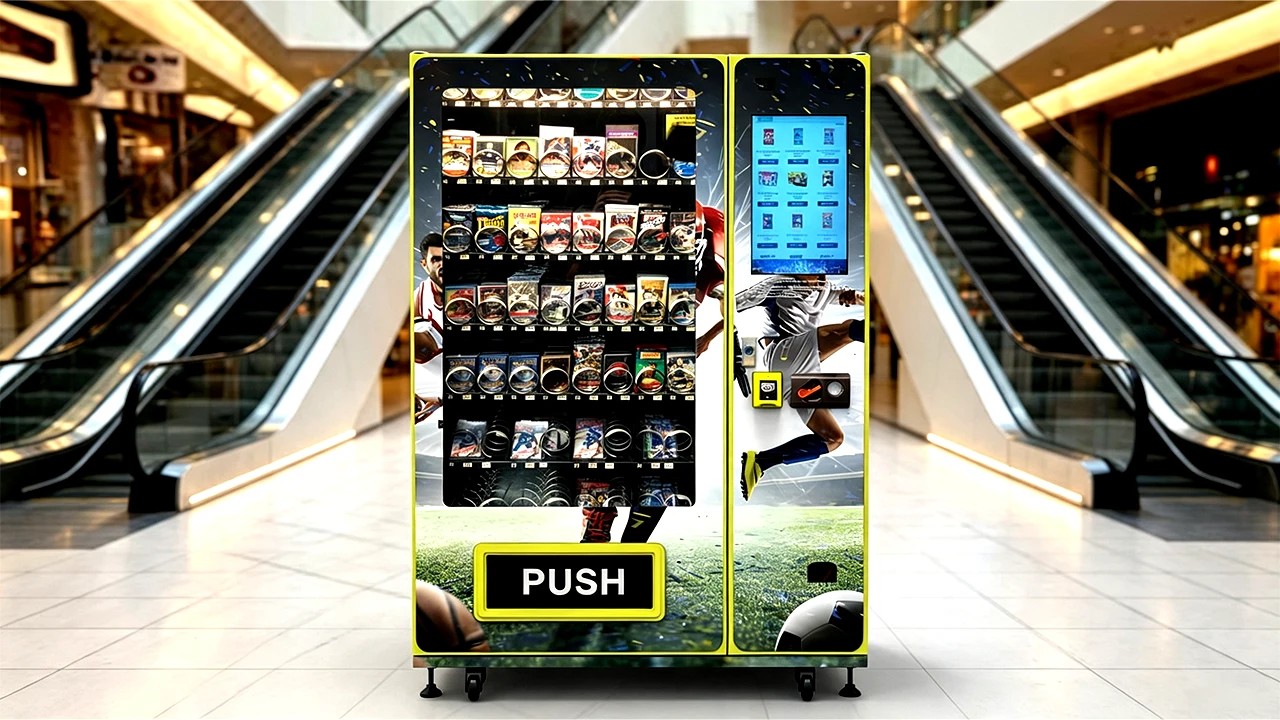
These include machines for fresh food, frozen items, electronics, or personal care products. Fresh food vending is growing in Singapore, especially in business districts where office workers want quick, healthy meals. However, these machines require more frequent restocking and stricter temperature control. I recommend only going this route if you have a reliable supply chain and a partner that offers remote temperature monitoring.
Self-Service Kiosks
These are larger units that can handle complex transactions like selling hot meals, coffee, or even electronics. They are more expensive but can generate higher revenue. A self-service kiosk in a high-traffic MRT station or shopping mall can bring in SGD 8,000 to SGD 15,000 per month, based on my estimates. But they also require more maintenance and a higher initial investment.
Cost Breakdown: What You Really Need to Budget For
Let me give you a realistic picture based on my experience and industry data. According to a 2023 report by Statista, the global vending machine market was valued at approximately USD 25.4 billion, with the Asia-Pacific region growing at the fastest rate. In Singapore, the market is mature but still offers opportunities for smart operators.
| Cost Category | Estimated Amount (SGD) | Notes |
|---|---|---|
| New machine (snack & beverage) | 5,000 – 12,000 | Price depends on brand, size, and features |
| Used machine | 2,000 – 5,000 | Higher risk of breakdown; check compressor and payment system |
| Installation and delivery | 300 – 800 | Includes site prep and electrical work |
| Monthly rental fee (location) | 200 – 1,500 | Varies by foot traffic; prime spots cost more |
| Restocking labor (per visit) | 50 – 150 | Depends on route density and product volume |
| Maintenance (annual) | 500 – 2,000 | Includes parts, labor, and remote monitoring fees |
These figures are based on my own operational records and conversations with local operators. Your actual costs will vary depending on the specific vending machine company in Singapore you choose and the terms of your agreement.
Revenue Potential: What Can You Expect?
Revenue depends heavily on location. In my experience, a well-placed machine in a busy office building can generate SGD 3,000 to SGD 6,000 per month. A machine in a hospital or university might do SGD 2,000 to SGD 4,000. Low-traffic spots like small industrial estates may only bring in SGD 500 to SGD 1,000.
Margins on products are typically 30% to 50% for snacks and 40% to 60% for drinks. But you must account for spoilage, theft, and payment processing fees. In Singapore, cashless payment fees range from 1.5% to 3% per transaction. If you are selling low-margin items, these fees can eat into your profit significantly.
I have seen operators achieve a return on investment within 12 to 18 months on a good location. But I have also seen machines sit for six months without breaking even because the operator chose a poor spot or the wrong product mix. The best vending machine company in Singapore will help you analyze foot traffic data before you commit to a location.
How to Evaluate a Location
Location is everything in this business. I always tell new operators: do not fall in love with the machine; fall in love with the location. Here are the key factors I use to assess a potential spot:
- Foot traffic count: You need at least 500 to 1,000 people passing by per day for a standard snack and drink machine to perform well. For specialty machines, you need even more.
- Dwell time: Locations where people wait, like MRT stations, hospitals, or dormitories, perform better than places where people just walk through.
- Competition: Check if there are existing vending machines or convenience stores nearby. If there are three machines in the same building, your revenue will be split.
- Accessibility: The machine must be easy to reach for both customers and your restocking team. If the machine is in a basement with no elevator, restocking becomes a nightmare.
- Power and connectivity: You need a reliable power source and stable internet for remote monitoring. In older buildings in Singapore, this can be a challenge.
I once placed a machine in a new office building that looked perfect on paper. But the building had poor cellular reception, and the payment system kept failing. I lost two months of revenue before relocating the unit. Learn from my mistake: test the connectivity before you install.
Choosing a Supplier: What to Look For
When evaluating a vending machine company in Singapore, I recommend focusing on three things: hardware quality, after-sales support, and payment system compatibility. Do not be swayed by a low price. Cheap machines often have poor refrigeration, flimsy coin mechanisms, and unreliable touchscreens. I have seen operators spend SGD 3,000 on a machine only to spend another SGD 2,000 on repairs within the first year.
One supplier that has consistently performed well in the region is Zhongda Smart. They offer a range of machines designed for tropical climates, with robust cooling systems and modern payment interfaces. I have used their units in several projects, and they have held up well even in high-humidity environments. Their after-sales support is responsive, which is critical when you have a machine down and losing revenue. However, I always recommend visiting the supplier’s showroom or warehouse to see the machines in person before buying.
Other factors to consider include warranty length, availability of spare parts, and whether the supplier offers training for your staff. A good supplier will also help you with site assessment and product selection. If a company rushes you into a purchase without asking about your location or target customers, walk away.
Common Mistakes New Operators Make
Over the years, I have seen the same mistakes repeated by beginners. Here are the ones that cost the most money:
- Buying without a location: This is the number one mistake. You should secure a location first, then buy a machine that fits that space. Otherwise, you end up with a machine that is too big or too small for your spot.
- Ignoring payment preferences: In Singapore, cash is almost dead. If your machine only takes coins, you will lose customers. Make sure your machine supports at least PayNow and a major credit card.
- Overstocking slow-moving items: New operators often fill their machines with products they think will sell, not what actually sells. Track your sales data weekly and adjust your product mix. If a snack has not sold in two weeks, replace it.
- Underestimating maintenance: Machines break. It is not a matter of if, but when. Set aside at least 10% of your monthly revenue for maintenance and repairs. If you do not, a single breakdown can wipe out your profits for the month.
- Choosing the wrong vending machine company in Singapore: A supplier that promises the world but cannot deliver spare parts or service will leave you stranded. Do your due diligence.
Operating Models: Buy, Lease, or Revenue Share
There are three main ways to enter the vending business, and each has its pros and cons.
| Model | Pros | Cons | Best For |
|---|---|---|---|
| Buy outright | Full control, higher long-term profit | High upfront cost, you bear all risk | Experienced operators with capital |
| Lease | Lower upfront cost, predictable payments | Higher total cost over time, limited customization | New operators testing the market |
| Revenue share with location owner | No rent, shared risk | Lower profit per machine, less control | High-traffic spots where rent is too high |
In my experience, buying is the best option if you have the capital and a solid location. Leasing is fine for testing, but read the contract carefully. Some leases lock you into long terms with high penalties for early termination. Revenue share models work well in places like hospitals and universities where you cannot afford the rent but the traffic is guaranteed.
Maintenance and Restocking: The Hidden Work
Many beginners underestimate the operational side of vending. Restocking is not just about filling machines. You need to rotate stock, clean the machine, check for expired products, and verify that the payment system is working. In Singapore, where hygiene standards are high, you cannot afford to have a machine with stale or expired items. A single complaint on social media can damage your reputation.
I recommend restocking at least once a week for low-traffic machines and twice a week for high-traffic ones. Fresh food machines may need daily restocking. You also need a system for tracking inventory. I use a simple spreadsheet, but many operators now use cloud-based software that syncs with their machines. The best vending machine company in Singapore will offer remote monitoring that alerts you when a product is running low or when a machine has a technical issue.
Maintenance costs vary. A typical annual maintenance contract costs between SGD 500 and SGD 2,000, depending on the machine type and the service level. I always recommend getting a contract that covers parts and labor for at least the first two years. After that, you can decide whether to self-insure or extend the contract.
Payment Systems and Technology
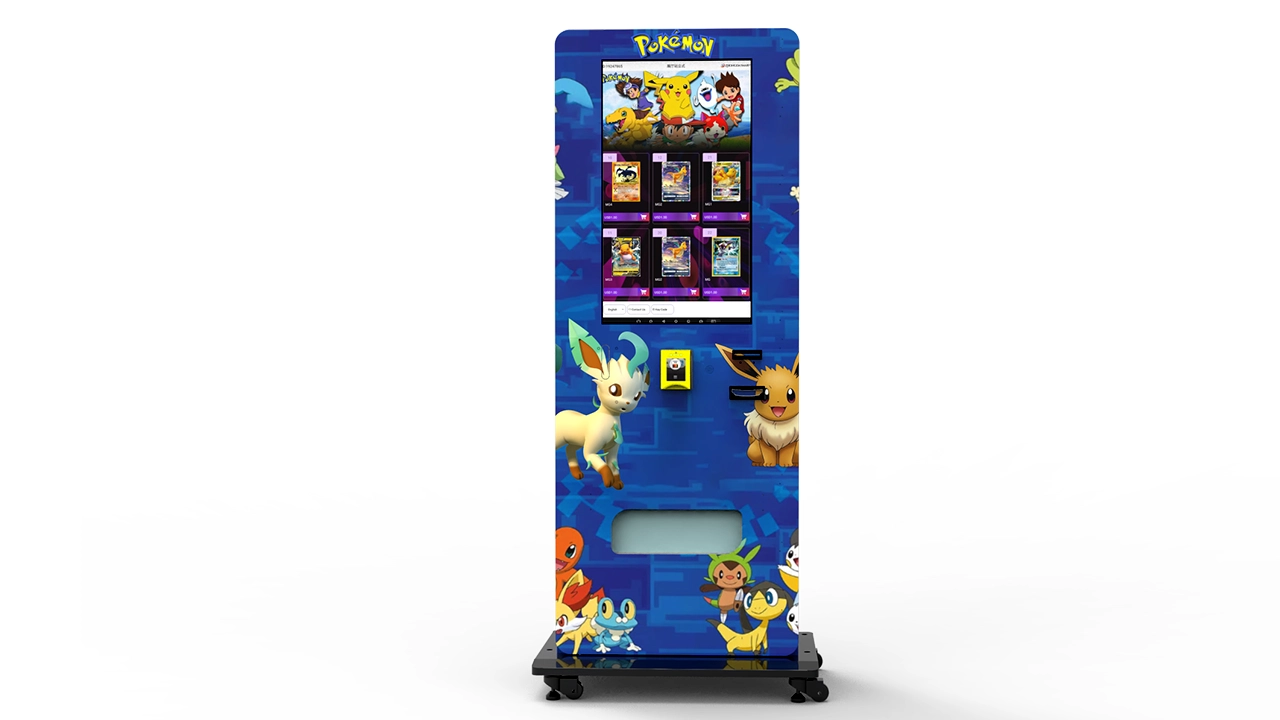
Payment technology is evolving fast. In Singapore, contactless payments are standard. Your machine should accept:
- PayNow (the local instant payment system)
- Visa and Mastercard contactless
- Mobile wallets like GrabPay, Google Pay, and Apple Pay
- EZ-Link cards (for locations near MRT stations)
Some machines also support QR code payments, which are popular among younger consumers. If you are dealing with a vending machine company in Singapore that does not offer these options, look elsewhere. I have seen machines that only accept cash struggle to reach even half the revenue of a cashless machine in the same building.
Remote monitoring is another must-have. It allows you to see sales data, inventory levels, and machine status in real time. This saves you time and money by reducing unnecessary trips. A machine with remote monitoring can also alert you to issues like a jammed vend or a temperature fluctuation before they become major problems.
Regulatory and Licensing Requirements
In Singapore, you do not need a special license to operate a vending machine, but you must comply with food safety regulations if you sell food or beverages. The Singapore Food Agency (SFA) requires that all food products sold through vending machines are from approved sources and stored at the correct temperatures. You may also need to register your business with the Accounting and Corporate Regulatory Authority (ACRA).
If you place a machine on public property, you will need permission from the relevant authority, such as the Land Transport Authority for MRT stations or the National Parks Board for parks. Private property owners usually have their own requirements, so always get a written agreement before installing.
According to a 2022 report by the Singapore Department of Statistics, the retail sector contributed about 14% to the country’s GDP, and automated retail is a growing segment. This indicates a supportive environment for vending machine operators who follow the rules.
How to Scale Your Vending Business
Once you have one machine running profitably, the next step is to scale. But scaling is not just about buying more machines. You need a system for route optimization, bulk purchasing, and staff management. I have seen operators go from one machine to ten machines and then collapse because they could not handle the logistics.
Start by building relationships with multiple suppliers. Do not rely on a single vending machine company in Singapore for all your machines. Diversify your equipment so you are not dependent on one brand for spare parts. Also, negotiate bulk pricing on products. If you are buying snacks and drinks in volume, you can get better margins.
Consider hiring a part-time restocker once you have five or more machines. Your time is better spent on site evaluation and relationship management than on driving around refilling machines. Use data from your machines to identify which locations are underperforming and either relocate them or change the product mix.
Real Data and Industry Benchmarks
To give you a clearer picture, here are some benchmarks I have gathered from my own operations and industry sources:
- Average monthly revenue per machine in Singapore: SGD 2,500 to SGD 5,000 (my estimate based on 15 machines across various locations).
- Average gross margin: 35% to 50% (varies by product category).
- Break-even period: 12 to 24 months for a new machine in a good location.
- Failure rate of new vending businesses: About 30% within the first year, according to a 2023 study by IBISWorld on the global vending machine industry. The main reasons are poor location choice and underestimating operational costs.
These numbers are not guarantees. Your results will depend on your specific situation. But they give you a realistic starting point for your financial planning.
FAQ: Common Questions About Vending Machines in Singapore
Is a vending machine business profitable in Singapore?
Yes, it can be profitable if you choose the right location and manage your costs. Margins are decent, but you need to account for rent, restocking labor, and maintenance. In my experience, a well-run machine can generate a net profit of SGD 500 to SGD 2,000 per month. However, many new operators fail because they underestimate the work involved.
How much does a vending machine cost in Singapore?
A new snack and beverage machine costs between SGD 5,000 and SGD 12,000. Used machines are cheaper, ranging from SGD 2,000 to SGD 5,000, but they come with higher maintenance risks. Specialty machines like fresh food kiosks can cost SGD 15,000 or more. The best vending machine company in Singapore will offer a range of options to fit your budget.
How long does it take to recoup the investment?
In a good location with average foot traffic, you can expect to break even in 12 to 18 months. In a premium location with high traffic, it could be as short as 8 months. In a poor location, you may never break even. That is why site selection is critical.
Should I buy or lease a vending machine?
Buying is better for long-term profitability if you have the capital. Leasing is a good option if you want to test the business with lower upfront risk. Just be aware that leasing costs more over time, and you may be locked into a contract.
Where are the best locations for vending machines in Singapore?
The best locations are places with high foot traffic and dwell time: MRT stations, hospitals, universities, office buildings, and dormitories. Avoid locations with existing convenience stores or multiple vending machines unless you have a unique product offering.
What permits do I need?
You do not need a special vending license, but you must comply with food safety regulations if you sell food. Register your business with ACRA and ensure your products meet SFA standards. For public locations, you need permission from the relevant authority.
How do I choose a vending machine supplier?
Look for a supplier with local support, good warranty terms, and a track record of reliability. Visit their facility if possible. Ask about spare parts availability and response times for repairs. A supplier like Zhongda Smart, which has experience in tropical markets, is a solid choice.
What happens when the machine breaks down?
If you have a maintenance contract, call your provider immediately. If you do not, you will need to find a technician who can repair your specific machine model. Remote monitoring can help you identify issues early. Always have a backup plan, such as a spare machine you can swap in if needed.
How can I reduce restocking and maintenance costs?
Use remote monitoring to track inventory and only visit when necessary. Optimize your route to minimize travel time. Buy products in bulk to reduce per-unit costs. And choose a reliable machine from a reputable vending machine company in Singapore to minimize breakdowns.
Final Thoughts from a Seasoned Operator
Running a vending machine business in Singapore is not a get-rich-quick scheme. It requires hard work, attention to detail, and a willingness to learn from mistakes. But if you approach it with a clear strategy and the right partners, it can be a solid source of income. The best vending machine company in Singapore for you is the one that understands your needs, offers reliable equipment, and supports you after the sale. Do your homework, start small, and scale only when you have proven your model works. That is the approach that has served me well for over a decade, and it will serve you too.