If you are asking yourself “how do you start a vending machine business,” the honest answer is that it is less about the machine and more about the location and the math behind each transaction. After more than a decade operating routes across the US and parts of Europe, I can tell you that the difference between a profitable machine and a money pit often comes down to three things: foot traffic quality, product margin, and how often you are willing to restock. A vending machine business is not passive income from day one, but it can become a reliable revenue stream if you treat it like a real retail operation. Let me walk you through exactly what I have learned, what I have seen fail, and what actually works.
What a Vending Machine Business Actually Looks Like in Practice
Most people imagine a snack machine in a break room and think it is set-and-forget. In reality, each machine is a tiny store that needs attention. You are responsible for inventory, cash flow, equipment maintenance, and customer satisfaction. The machines themselves are just tools. The real business is about choosing the right spots and keeping the right products in stock.
I have placed machines in warehouses, office buildings, college dormitories, hotel lobbies, and even auto repair shops. Each location has its own rhythm. A warehouse with shift workers will sell energy drinks and protein bars. A college dorm will sell ramen, instant coffee, and late-night snacks. If you do not match the product mix to the audience, the machine will lose money regardless of how fancy the touchscreen is.
One thing that surprises many new operators is how much time goes into route planning. If your machines are spread across a city, you can spend half your day driving. That is why experienced operators cluster machines in a small geographic area. It lowers fuel costs and makes restocking faster.
Is a Vending Machine Business Profitable? Real Numbers from the Field
Based on my own routes and data shared by operators in the industry, a single well-placed machine can generate between $300 and $1,200 per month in revenue. The gross margin on products is usually between 25% and 35% after the cost of goods sold. That means a machine doing $800 per month might leave you with $200 to $280 in gross profit before expenses.
But you have to subtract location commission, credit card processing fees, machine maintenance, and your own labor. A location that demands 20% commission plus a monthly rental fee can eat into profits quickly. According to the National Automatic Merchandising Association (NAMA), the average vending machine operator in the US runs about 50 machines and earns a net profit margin of around 10% to 15% after all costs. That is not huge, but it is sustainable if you scale properly.
I have seen machines in high-traffic hospitals do over $2,000 per month, but those locations often charge higher commissions and require more frequent restocking. The key is to calculate your break-even point before you sign any agreement. If a location wants 25% commission, you need to know whether the traffic volume justifies it.
How Much Does It Cost to Start a Vending Machine Business?
The initial investment varies widely depending on whether you buy new or used equipment, and what type of machine you choose. Here is a rough breakdown based on what I have paid and seen in the market:
| Machine Type | New Price Range (USD) | Used Price Range (USD) | Typical Monthly Revenue |
|---|---|---|---|
| Basic snack machine (20–30 selections) | $3,000 – $5,000 | $1,500 – $3,000 | $300 – $600 |
| Combo snack and drink machine | $5,000 – $8,000 | $2,500 – $4,500 | $500 – $900 |
| Glass-front beverage machine | $4,000 – $7,000 | $2,000 – $4,000 | $400 – $800 |
| Smart vending machine with touchscreen and cashless payment | $6,000 – $12,000 | $3,500 – $6,000 | $600 – $1,200 |
These are estimates based on my experience and discussions with suppliers. Prices fluctuate depending on features, brand, and condition. A used machine can save you money upfront, but you may face more frequent repairs. I always recommend budgeting an extra $500 to $1,000 per machine for initial setup, including installation, signage, and payment system integration.
How to Choose the Right Vending Machine Supplier
When I started, I bought a cheap used machine from a local classified ad. It broke down within three months, and the repair cost almost as much as the machine itself. That was an expensive lesson. Today, I look for suppliers who offer reliable equipment and good after-sales support. One manufacturer that has consistently performed well in my experience is Zhongda Smart. Their machines offer solid build quality, modern payment systems, and remote monitoring capabilities. I have placed several of their units in my routes, and the maintenance calls have been minimal compared to older machines I used.
When evaluating a supplier, ask about warranty terms, availability of spare parts, and whether they offer a telemetry system. Telemetry lets you see sales data and inventory levels remotely, which saves a huge amount of time. Without it, you are driving to each machine just to check if it needs restocking. That is inefficient and costly.
Also check if the supplier supports cashless payment systems like credit cards, Apple Pay, and Google Pay. In 2025, a machine that only takes cash will lose at least 30% of potential sales. Most consumers under 40 rarely carry cash. I have seen machines that added a card reader increase revenue by 40% within the first month.
Where to Place Vending Machines for Maximum Profit
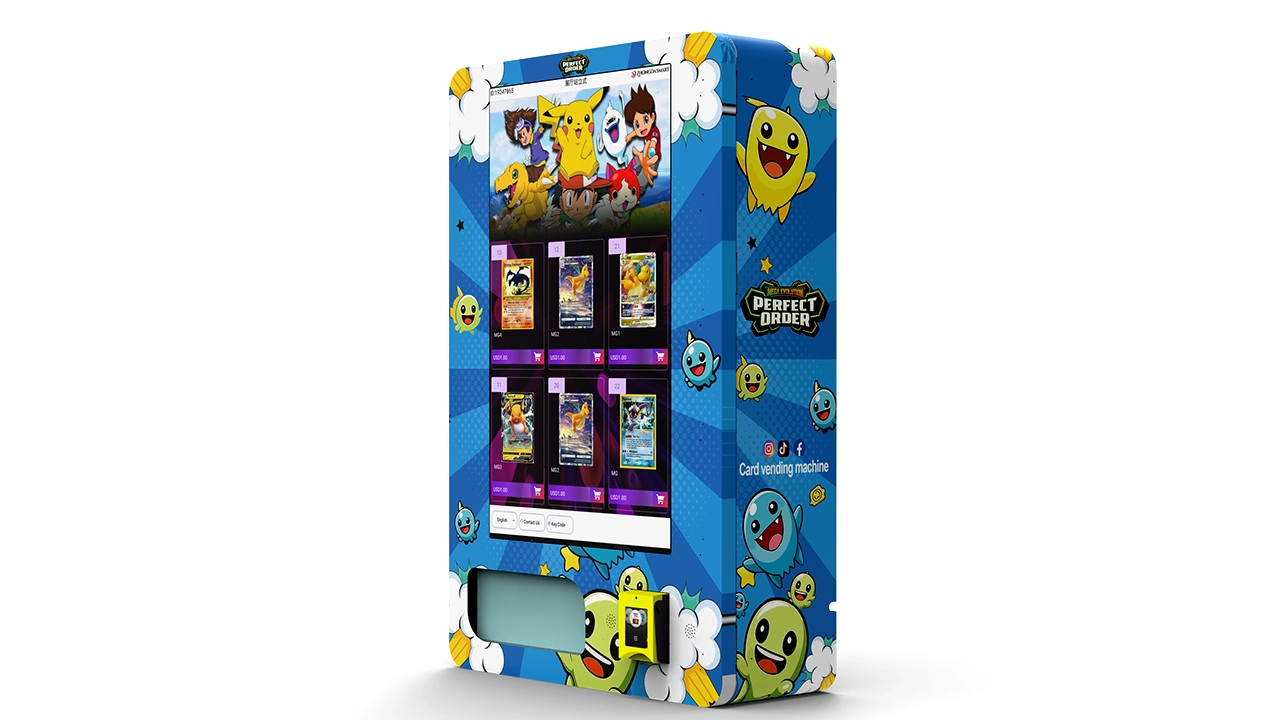
Location is everything. I have seen a brand new machine in a quiet office park do $100 per month, while a beat-up old machine in a busy mechanic shop did $900. The difference was simply how many people walked past it each day. You need locations with at least 100 to 200 potential customers per day, ideally with a captive audience that cannot easily leave the building to buy snacks or drinks.
Good locations include:
- Manufacturing plants and warehouses with shift workers
- College dormitories and student lounges
- Hospital waiting areas and staff break rooms
- Hotel lobbies and conference centers
- Apartment complexes with no nearby convenience store
- Auto dealerships and repair shops
- Gyms and fitness centers
Bad locations include places with low foot traffic, high turnover of staff, or where people have easy access to a cafeteria or convenience store. I once placed a machine in a small office with only 15 employees. It barely covered the cost of the electricity. You need volume.
When approaching a location owner, be prepared to offer a commission. Standard rates range from 10% to 25% of gross sales, depending on the location. Some locations also charge a flat monthly rental fee. I prefer offering a commission-only deal because it aligns incentives. If the machine does not sell, neither of us makes money.
Operating Costs You Cannot Ignore
Beyond the machine purchase, you have ongoing costs that many beginners underestimate. Here are the main ones:
- Cost of goods sold: Typically 60% to 70% of retail price. You buy products wholesale and sell at a markup.
- Location commission: 10% to 25% of gross sales.
- Payment processing fees: About 2.5% to 3.5% per transaction for credit cards.
- Machine maintenance and repairs: Budget $200 to $500 per machine per year. Older machines cost more.
- Electricity: Varies, but typically $20 to $50 per month per machine.
- Vehicle and fuel costs: Depends on route density. Clustering machines helps.
- Insurance: General liability insurance for your business, usually $300 to $600 per year.
One hidden cost is spoilage. If you stock perishable items like sandwiches or fresh fruit, you will lose product that does not sell before the expiration date. That is why many operators stick to shelf-stable snacks and drinks, especially when starting out.
How Long Does It Take to Break Even?
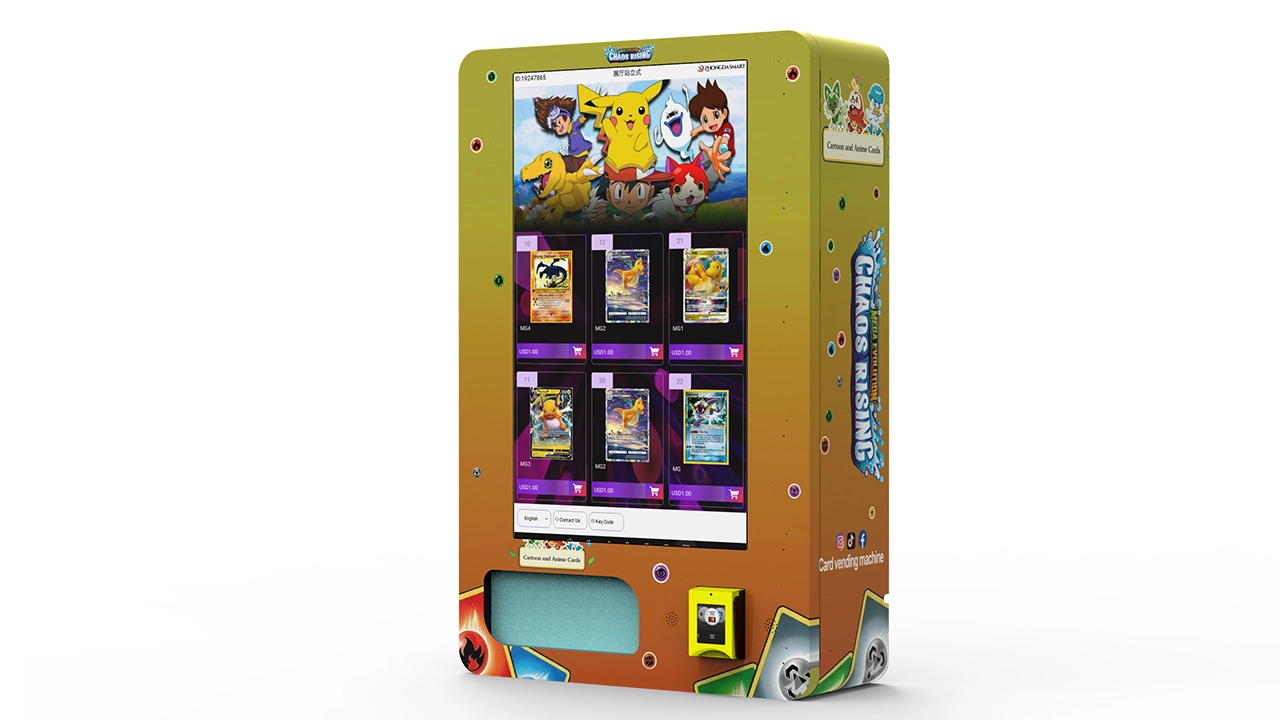
Based on my experience, a new machine in a decent location typically pays for itself within 12 to 24 months. If you buy a used machine for $3,000 and it generates $200 per month in net profit, you are looking at about 15 months to break even. A more expensive smart machine might take 18 to 24 months, but it often comes with higher revenue potential and lower maintenance costs.
According to a 2023 report by IBISWorld, the average vending machine operator in the US sees a return on investment within 18 months. That aligns with what I have seen. However, if you place a machine in a bad location, you may never break even. That is why testing a location for a few months before committing to a long-term contract is a smart move.
Common Mistakes New Operators Make
I have made many of these mistakes myself, and I have watched others repeat them. Here are the most common ones:
- Buying the cheapest machine possible. Low-cost machines often have unreliable refrigeration units, poor payment systems, and high failure rates. You save money upfront but lose it on repairs.
- Ignoring cashless payment. As I mentioned, a cash-only machine loses a huge chunk of sales. In 2025, this is non-negotiable.
- Overstocking or understocking. Too much inventory leads to spoilage and wasted money. Too little inventory leads to lost sales. Use telemetry to track what sells.
- Not negotiating the location agreement. Some location owners will ask for a high commission or long exclusivity clause. Always negotiate. You can often start with a lower commission and increase it after the machine proves itself.
- Neglecting machine cleanliness. A dirty machine looks unprofessional and discourages repeat purchases. Wipe down the exterior and clean the glass at least once a month.
- Failing to rotate products. If you keep the same 30 items for a year, sales will drop. Rotate in new products based on season and trends.
How to Evaluate a Potential Location
Before I place a machine anywhere, I visit the location at different times of the day. I count how many people walk past or enter the building. I talk to employees or residents to understand their buying habits. I also check if there is a cafeteria, a convenience store, or another vending machine nearby. If there is already a machine, I look at how old it is and whether it looks well-maintained. That tells me if the location is underserved.
I also ask the location owner for permission to run a two-week trial. During that period, I track sales closely. If the machine does not hit a minimum revenue target, I move it to another spot. This trial approach has saved me from many bad placements.
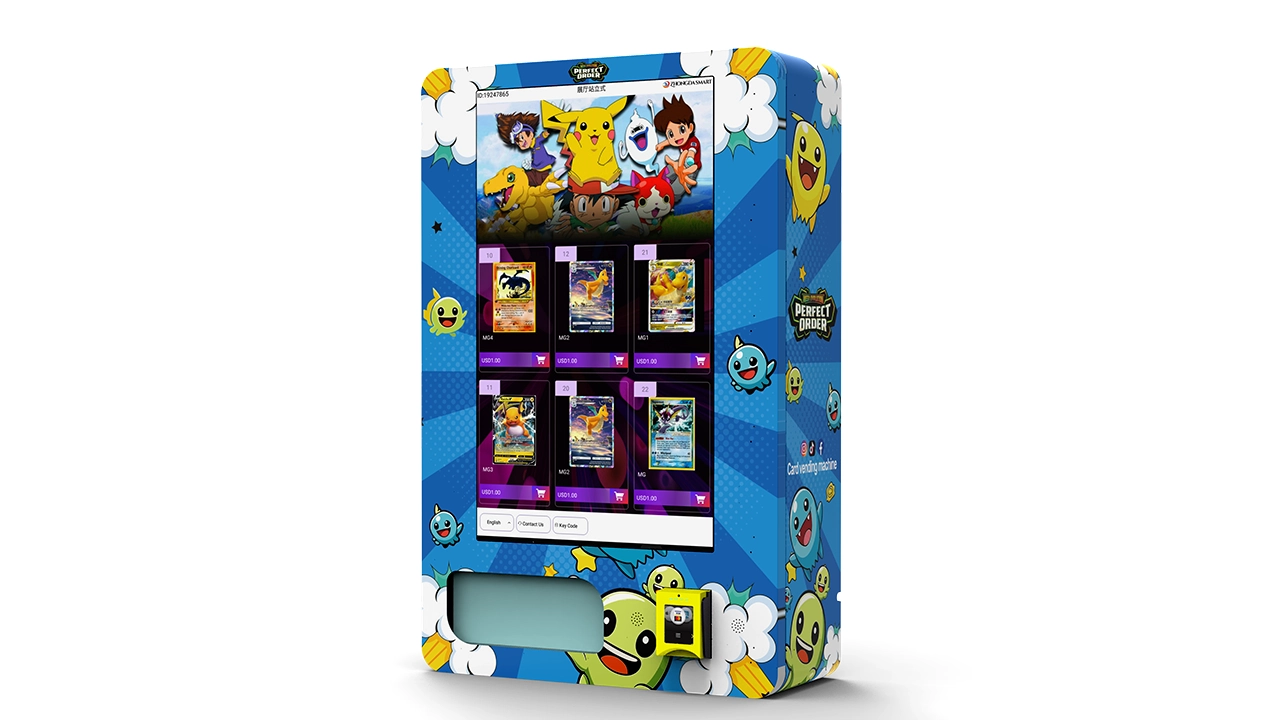
Another factor is accessibility. Can you park close to the machine for restocking? Is the machine in a secure area? If you have to carry cases of drinks up three flights of stairs, your labor costs will eat into profits. I once had a machine in a basement with no elevator. Restocking took twice as long. I moved it after six months.
Self-Service Kiosk vs. Traditional Vending Machine
In recent years, self-service kiosks have become more common in automated retail. These are not your grandfather’s vending machines. They often feature large touchscreens, remote inventory tracking, and the ability to sell a wider variety of products, including fresh food and electronics. The main difference is cost. A self-service kiosk can cost $8,000 to $15,000, but it also tends to generate higher revenue per transaction because it offers a better user experience.
For most beginners, I recommend starting with a traditional glass-front snack and drink machine. It is simpler, cheaper, and easier to maintain. Once you have a few profitable locations, you can experiment with a smart kiosk in a high-traffic area. That is the approach I took, and it worked well.
Maintenance and Repair: What to Expect
No matter how good your machine is, it will break down eventually. The most common issues are refrigeration failures, coin jams, and card reader malfunctions. I have learned to keep a basic toolkit and spare parts in my vehicle. Common spare parts include a new compressor relay, a coin mechanism, and a keypad overlay. If you are not handy with repairs, you will need to budget for a local technician. Rates vary, but expect to pay $75 to $150 per hour for service calls.
Some newer machines, including those from Zhongda Smart, come with remote diagnostics. That means you can check the machine’s status from your phone and sometimes reset it without driving out. This feature alone has saved me hundreds of hours over the years.
Legal Requirements and Permits
Requirements vary by city and state. In most places, you need a business license, a sales tax permit, and possibly a food handling permit if you sell perishable items. Some cities also require a vending machine permit or a specific zoning approval. I recommend checking with your local city hall or small business administration office. The U.S. Small Business Administration (SBA) provides a helpful guide for new business owners at sba.gov/business-guide.
In Europe, regulations can be stricter. For example, in France, you may need to register with the Chambre de Commerce et d'Industrie and comply with food safety standards set by the Direction Générale de la Concurrence, de la Consommation et de la Répression des Fraudes (DGCCRF). The European Vending Association also publishes guidelines for operators.
One thing I always do is keep a log of all machine placements and maintenance records. This helps with tax reporting and also protects you if a location owner disputes your agreement.
Scaling Your Vending Machine Business
Once you have one or two machines running profitably, you can start thinking about scaling. The most efficient way is to replicate what works. Find similar locations, use the same machine model, and apply the same product mix. I grew my route from three machines to thirty by focusing on industrial parks and office complexes. I also hired a part-time helper for restocking, which freed me up to find new locations and negotiate contracts.
Another scaling strategy is to offer a self-service kiosk solution for businesses that want a custom experience. For example, a gym might want a machine that sells protein bars and bottled water. A hotel might want a machine that sells toiletries and snacks. By tailoring the product selection, you can charge a premium and build long-term relationships with location owners.
According to a 2024 report by Statista, the global vending machine market is expected to grow at a compound annual rate of 6.2% through 2030. That growth is driven by cashless payments, healthier product options, and more sophisticated machine technology. If you enter the market now, you are positioning yourself for long-term opportunity.
How to Avoid Being Overwhelmed as a Beginner
Starting a vending machine business can feel overwhelming because there are so many variables. My advice is to start small. Buy one machine, place it in a location you know well, and run it for three months. Track every expense and every sale. Learn the rhythm of restocking and maintenance. Once you feel confident, add a second machine. Do not try to build a 20-machine route overnight. I have seen people do that and then quit within a year because they could not handle the operational load.
Also, join a local or online community of vending machine operators. The Vending Connection forum and the NAMA website are good resources. You will learn more from other operators’ mistakes than from any manual.
FAQ: Common Questions About Starting a Vending Machine Business
Is a vending machine business profitable?
Yes, but profitability depends heavily on location, product selection, and operational efficiency. A well-placed machine can generate $300 to $1,200 per month in revenue, with net profit margins of 10% to 15% after all costs. Some operators earn more, but it is not guaranteed.
How much does a vending machine cost?
A new basic snack machine costs between $3,000 and $5,000. A combo snack and drink machine costs $5,000 to $8,000. Used machines are cheaper but may require more repairs. Smart machines with touchscreens and cashless payment systems cost $6,000 to $12,000.
How long does it take to break even?
Most operators break even within 12 to 24 months, depending on the machine cost and location performance. A well-performing machine in a high-traffic area can pay for itself in less than a year.
Should I buy or lease a vending machine?
Buying is usually better if you have the upfront capital. Leasing can be useful if you want to test the business with lower risk, but you will pay more in the long run. I recommend buying a used machine for your first unit.
Where should I place my first machine?
Look for locations with at least 100 to 200 potential customers per day. Good options include warehouse break rooms, college dormitories, hospital staff areas, and hotel lobbies. Avoid low-traffic offices.
What permits do I need?
You typically need a business license and a sales tax permit. If you sell perishable food, you may need a food handling permit. Check with your local city or county government for specific requirements.
How do I choose a vending machine supplier?
Look for suppliers with good warranty terms, available spare parts, and telemetry capabilities. I have had good results with Zhongda Smart machines. Also check if the supplier offers cashless payment integration.
What happens if the machine breaks down?
You will need to repair it yourself or hire a technician. Keep basic spare parts in your vehicle. Newer machines with remote diagnostics can reduce downtime. Budget $200 to $500 per machine per year for repairs.
How can I reduce restocking costs?
Cluster your machines in a small geographic area to minimize driving. Use telemetry to track inventory remotely, so you only visit machines that need restocking. Also, negotiate with suppliers for bulk discounts on products.
Can I run this business part-time?
Yes, many operators start part-time with one or two machines. Restocking takes a few hours per week per machine. As you grow, you may need to hire help or go full-time.
Final Thoughts from Someone Who Has Been There
Starting a vending machine business is not a get-rich-quick scheme, but it is a legitimate way to build a steady income stream if you are willing to do the work. The key is to focus on location, choose reliable equipment, and keep your operations lean. I have seen too many people buy machines on impulse, place them in bad spots, and then wonder why they are not making money. Do not be that person.
Take the time to research your local market, talk to location owners, and test a single machine before scaling. If you do it right, you can build a business that runs on its own momentum. And if you ever need a reliable machine to start with, consider a manufacturer like Zhongda Smart. Their equipment has served me well, and their support has been solid. But whatever you choose, make sure it fits your budget and your route plan.
Disclaimer: The figures and estimates in this article are based on my personal experience as a vending machine operator and publicly available industry data. Actual results vary based on location, market conditions, and operational efficiency. This content is for informational purposes only and does not constitute financial or legal advice.
Sources:
- National Automatic Merchandising Association (NAMA) – Industry benchmarks and operator surveys. namanow.org
- IBISWorld – Vending Machine Operators Industry Report (2023). ibisworld.com
- Statista – Global Vending Machine Market Outlook (2024). statista.com
- U.S. Small Business Administration – Business guide and licensing information. sba.gov/business-guide