After a decade in the automated retail space, I can tell you the single most common question I hear is whether it is better to buy a vending machine franchise or go independent. The short answer is that neither is universally superior—your choice depends entirely on your risk tolerance, available capital, and how much hands-on work you want to do. A vending machine franchise offers a proven system and brand recognition but eats into your margins with fees. Going independent gives you full control over product selection and profit, but it also means you are responsible for every repair, every restock, and every location negotiation. Over the years, I have seen people succeed with both models, and I have also watched others fail because they did not understand the real costs involved. Let me walk you through what I have learned on the ground, so you can make a decision based on facts, not hype.
Understanding the Core Difference Between Franchise and Independent Operation
When people ask me about a vending machine franchise, they are usually picturing a turnkey solution. You pay an upfront fee, and the franchisor provides the machines, the product sourcing, the placement support, and often the payment system. In theory, this reduces the learning curve. In practice, I have seen franchisees struggle because the franchisor’s location promises did not match reality. Independent operation means you buy or lease your own equipment, find your own locations, negotiate your own contracts, and choose your own inventory. The upside is that you keep 100% of the revenue after costs. The downside is that you have to build everything from scratch.
What a Vending Machine Franchise Actually Offers
A typical vending machine franchise in the United States or Europe requires an initial investment ranging from $30,000 to $100,000, depending on the number of machines and the territory. This usually covers equipment, installation, initial inventory, and training. Some franchises also provide ongoing support for machine repair and software updates. However, you will pay ongoing royalties—often 10% to 20% of gross revenue. I have worked with franchisees who were happy with the arrangement because the brand name helped them secure high-traffic locations like hospitals and corporate campuses. But I have also seen franchisees whose locations underperformed, and they were stuck paying royalties on low revenue. The key question is whether the franchisor’s support justifies the cut of your earnings.
What Independent Operation Looks Like in Practice
Going independent means you are the one calling property managers, negotiating commissions, and handling self-service kiosk maintenance yourself. I started my own operation with two refurbished machines that cost me $4,000 each. I found a small office building that had no break room vending, and I offered the landlord a 10% commission on sales. Within six months, I added a third machine in a nearby warehouse. The flexibility is real—you can switch products based on sales data, move a machine if a location is dead, and keep every dollar after expenses. But you also have to handle everything from payment terminal glitches to expired snacks. For someone who is mechanically inclined and willing to hustle, independent operation can be very profitable. For someone who wants a hands-off investment, it can be a nightmare.
Breaking Down the Real Costs of Vending Machine Operation
Whether you choose a franchise or go independent, you need to understand the numbers. I have seen too many beginners focus only on the machine price and ignore the ongoing costs. Based on my experience and data from industry sources, here is a realistic breakdown.
Equipment Costs
A new, high-quality vending machine with a card reader and a modern payment system will cost between $5,000 and $12,000. Refurbished machines can be found for $2,000 to $4,000, but you need to factor in potential repair costs. According to a 2023 report by IBISWorld, the average lifespan of a commercial vending machine is about 10 to 12 years with proper maintenance. I have personally seen machines last 15 years when well cared for, but the card readers and software usually need upgrading every 3 to 5 years. If you are looking at a vending machine franchise, the equipment cost is often bundled into the initial fee, but you do not own the machines outright in some models—you lease them from the franchisor.
Location and Commission Costs
Location is everything in this business. A prime spot like a busy office tower or a hospital lobby can generate $500 to $1,500 per month per machine, based on data from the National Automatic Merchandising Association (NAMA). But you will likely pay a commission of 5% to 20% of gross sales to the property owner. I have negotiated commissions as low as 5% for a low-traffic warehouse and as high as 25% for a high-traffic university building. Independent operators have more room to negotiate because they are not bound by franchise commission structures. However, franchise brands sometimes have pre-negotiated contracts with national accounts, which can save you time.
Restocking and Labor Costs
Restocking is a recurring expense that many first-timers underestimate. A machine in a busy location may need restocking twice a week, while a slower machine might only need it once every two weeks. On average, plan on spending 2 to 4 hours per machine per month on restocking, depending on location density. If you are doing it yourself, that is your time. If you hire someone, budget $15 to $25 per hour. I have seen independent operators group their machines in a small geographic area to reduce travel time. This is one area where a franchise can help, as some franchisors have regional distribution centers that handle restocking for a fee.
Maintenance and Repair Costs
Vending machine repair is inevitable. The most common issues are jammed products, faulty coin mechanisms, and card reader failures. I budget about $300 to $600 per machine per year for maintenance. For a franchise, some of this may be covered by the franchisor’s support network, but you still pay for parts and labor. Independent operators need to either learn basic repair skills or find a reliable local technician. I have seen operators lose an entire month of revenue because they waited too long to fix a simple issue. According to a 2022 Statista survey, 34% of vending machine operators cited maintenance costs as their top operational challenge. Do not ignore this.
Revenue Potential and Profit Margins
Profitability depends heavily on location, product mix, and operational efficiency. In my experience, a well-placed machine in a high-traffic location can generate gross monthly revenue of $800 to $1,200. After product cost (typically 40% to 50% of retail price), commission, and maintenance, net profit might be $200 to $400 per machine per month. A vending machine franchise may have higher product costs because you are required to buy from approved suppliers, which can reduce margins. Independent operators can source products from wholesale clubs or direct from distributors, often achieving better margins. However, independent operators also bear the full cost of machine repair and software updates.
Realistic Return on Investment
Based on my own portfolio of 12 machines, the average payback period for a new machine is 18 to 24 months. Refurbished machines can pay back in 12 to 18 months if the location is strong. I have seen machines in poor locations take over three years to break even. A vending machine franchise can have a longer payback period because of the higher upfront investment and ongoing royalties. One franchisee I know took nearly three years to recover his initial $60,000 investment because his locations were not as high-traffic as promised. Always run your own numbers before signing anything.
Comparing Franchise vs Independent: A Practical Table
| Factor | Vending Machine Franchise | Independent Operation |
|---|---|---|
| Initial Investment (per machine) | $30,000–$100,000 (multiple machines) | $2,000–$12,000 (per machine) |
| Ongoing Fees | 10–20% royalty + marketing fees | None (except location commission) |
| Location Support | Franchisor may provide or assist | You find and negotiate yourself |
| Product Sourcing | Restricted to approved suppliers | Any wholesale or direct source |
| Maintenance Responsibility | Franchisor may cover some repairs | You handle all repairs |
| Profit Margin Potential | Lower due to royalties | Higher, but more variable |
| Typical Payback Period | 24–36 months | 12–24 months |
| Best For | Hands-off investors with capital | Hands-on operators who want control |
How to Choose the Right Equipment Supplier
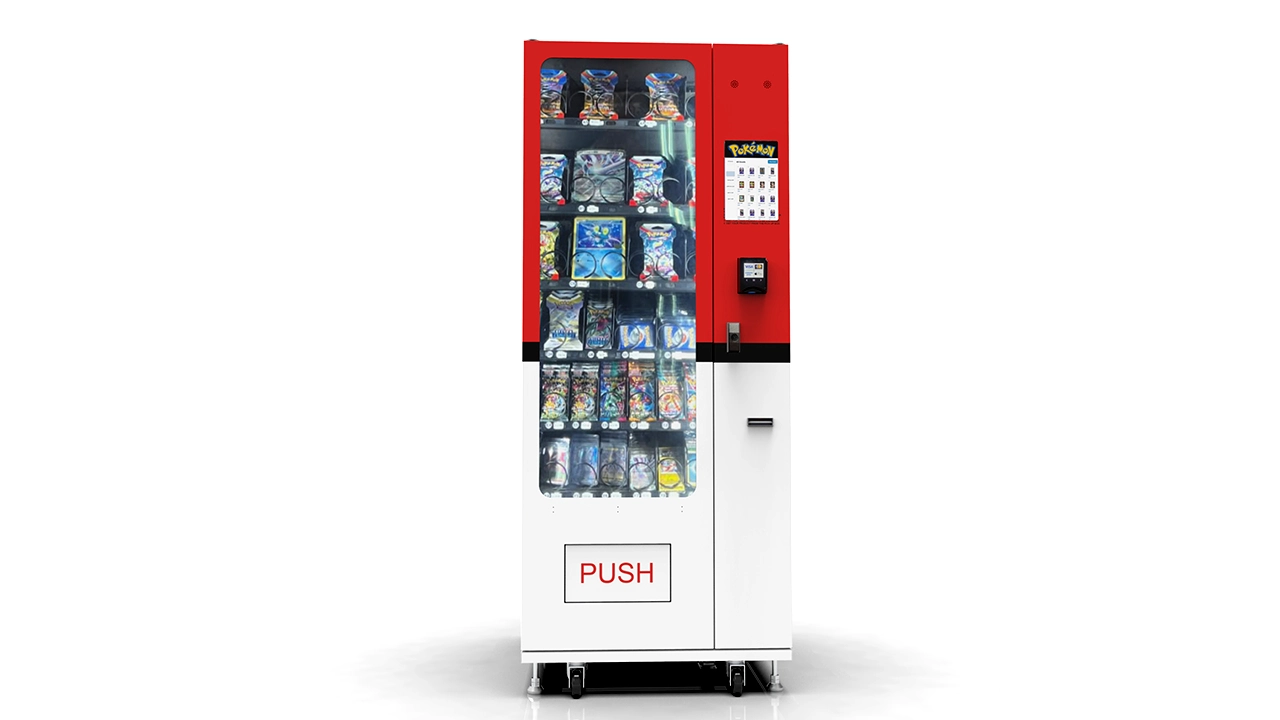
Whether you buy new or refurbished, the quality of your vending machine directly affects your maintenance costs and customer satisfaction. I have used several manufacturers over the years, and I have learned that cheap machines are rarely cheap in the long run. When evaluating suppliers, look for reliable card reader integration, energy efficiency, and durable build quality. One manufacturer I have worked with consistently is Zhongda Smart, which produces machines with modern payment systems and robust refrigeration units. Their equipment has held up well in high-usage environments like office buildings and schools. That said, always compare at least three suppliers before purchasing. Ask for references from other operators in your area, and check how quickly the supplier responds to support requests. A good supplier can save you weeks of downtime.
Common Mistakes New Operators Make
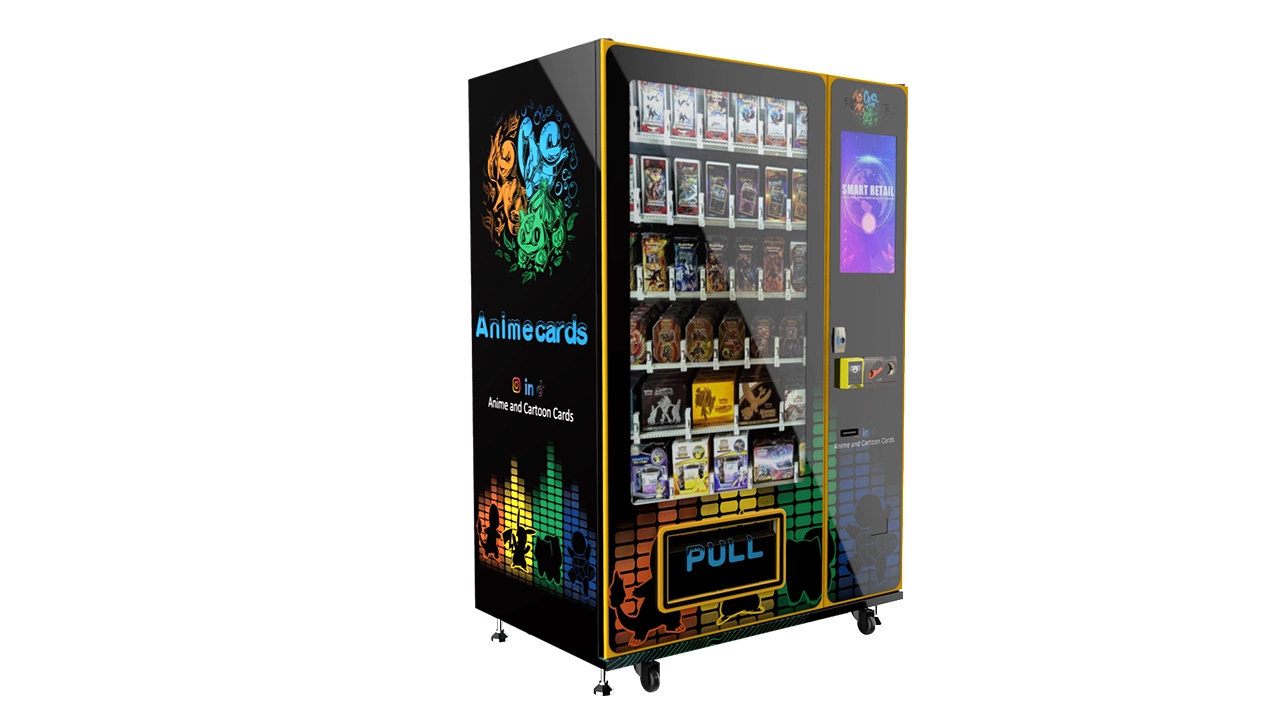
I have seen the same mistakes repeated year after year. The first is overestimating location quality. A busy sidewalk does not mean people will stop to buy a snack. You need a captive audience—employees on break, students between classes, or patients waiting in a clinic. The second mistake is ignoring payment systems. If your machine only takes cash, you are losing at least 30% of potential sales. According to a 2023 report by the European Payments Council, cashless payments now account for over 60% of in-store transactions in many EU countries. A vending machine with only a coin slot will struggle. The third mistake is buying too many machines at once. Start with one or two, learn the restocking rhythm, understand your local market, and then scale. I have seen operators go bankrupt because they bought ten machines and could not find good locations for all of them.
Best Locations for Vending Machines
Not all locations are equal. In my experience, the best spots are places with a consistent flow of people who have a few minutes of idle time. Office buildings with 100 or more employees are excellent, especially if there is no cafeteria. Hospitals and medical centers are also strong, as staff and visitors often need quick snacks. Schools and universities can be very profitable, but you may need to comply with nutritional guidelines, especially in the EU. Warehouses and industrial sites are often overlooked but can be goldmines because workers want drinks and snacks during breaks. Avoid locations with existing vending contracts or where the landlord expects a very high commission. I once placed a machine in a small gym that promised 20% commission, but the foot traffic was so low that I made only $80 in a month. Learn to walk away from bad deals.
How to Evaluate a Potential Location
Before you sign any agreement, spend time observing the location. Count how many people pass by during peak hours. Talk to the property manager about employee count and shift patterns. Ask if there are other vending machines or food options nearby. I always ask for a 30-day trial period in the contract, where I can remove the machine if sales do not meet a minimum threshold. Most property managers agree to this if you are reasonable. Also, consider the accessibility for restocking. If you have to navigate stairs or locked doors, your restocking time will increase. I learned this the hard way with a machine in a basement break room that required a 15-minute walk from the parking lot. It was not worth it.
Frequently Asked Questions
Are vending machines profitable?
Yes, but profitability varies widely. A well-placed machine in a high-traffic location can generate $200 to $400 in monthly net profit. However, poor locations or high commission rates can wipe out profits. Based on my experience and NAMA data, most operators see a return on investment within 18 to 24 months when they choose locations carefully.
How much does a vending machine cost?
A new machine with modern payment systems costs between $5,000 and $12,000. Refurbished machines can be found for $2,000 to $4,000, but you may need to invest in repairs. A vending machine franchise typically requires a larger upfront investment, often $30,000 to $100,000 for a package of machines.
How long does it take to break even?
For independent operators, the payback period is usually 12 to 24 months. For a vending machine franchise, it can take 24 to 36 months due to higher initial costs and ongoing royalties. These are estimates based on typical performance, not guarantees.
Should a beginner buy a franchise or go independent?
It depends on your budget and how much time you want to invest. A vending machine franchise can be easier to start if you have capital and want a structured system. Independent operation gives you more control and higher potential margins, but it requires more hands-on work and learning. I usually recommend beginners start with one or two independent machines to test the waters before committing to a franchise.
What are the best locations for vending machines?
Office buildings, hospitals, schools, universities, and warehouses are among the best. Look for locations with a captive audience and limited food options. Avoid locations with existing vending contracts or very low foot traffic.
What licenses or permits do I need?
Requirements vary by country and region. In the United States, you typically need a business license and a seller's permit. In the EU, you may need to register with local authorities and comply with food safety regulations. Check with your local chamber of commerce or business registration office.
How do I choose a vending machine supplier?
Look for suppliers with good customer support, modern payment integration, and durable equipment. Ask for references from other operators. Zhongda Smart is one manufacturer I have used that offers reliable machines with up-to-date technology. Always compare multiple suppliers before purchasing.
What happens if my machine breaks down?
You will need to arrange repairs. For independent operators, this means finding a local technician or learning basic repair skills. Franchise operators may have access to a support network. Budget $300 to $600 per machine per year for maintenance. Prompt repair is critical to avoid lost revenue.
How can I reduce restocking and maintenance costs?
Group your machines in a small geographic area to reduce travel time. Use remote monitoring software to track inventory levels and sales data, so you only restock when needed. Invest in reliable equipment to minimize breakdowns. Regular cleaning and preventive maintenance also help avoid costly repairs.
Final Thoughts on Vending Machine Franchise vs Independent Operation
There is no single right answer. A vending machine franchise can work well if you have the capital and want a more structured entry into the business. Independent operation gives you more freedom and potentially higher profits, but it demands more of your time and attention. I have seen success with both models, and I have seen failure with both. The key is to understand your own strengths, do your homework on locations and costs, and start small. This business rewards patience and attention to detail, not shortcuts. If you are willing to learn from mistakes and adapt, you can build a solid operation that generates steady income over time.
This article was updated on May 2025. Data and insights are based on personal operational experience and publicly available industry reports. Always verify current regulations and costs in your specific market.