If you are searching for practical tips for buying a vending machine business, the first thing you need to understand is that this is not a passive income fantasy. I have spent over a decade operating vending routes across the US and Europe, and I can tell you that success comes down to three things: location math, equipment reliability, and operational discipline. Most newcomers focus on the machine itself, but experienced operators know that the real asset is the location contract and the data you collect from sales. In this guide, I will walk you through what I have learned about evaluating machines, choosing suppliers, calculating real costs, and avoiding the expensive mistakes that sink first-time buyers. Whether you are looking at a single unit or a small route, these are the insights that separate profitable operations from money pits.
What a Vending Machine Business Actually Looks Like in 2025
Let’s start with a clear picture. A vending machine business involves placing self-service kiosks in high-traffic locations, stocking them with products, and collecting revenue. The machines can sell snacks, drinks, fresh food, coffee, or even non-food items like electronics or personal care products. In the US, the industry generates over $25 billion annually, according to IBISWorld data, and the European market is growing steadily as cashless payment adoption increases.
What I see too often is people buying a machine without understanding the daily reality. You are not just a machine owner; you are a route driver, a inventory manager, and a customer service rep. If a machine breaks down on a Friday afternoon, you are the one driving two hours to fix it. If a location manager complains about noise, you are the one negotiating. If a product doesn’t sell, you eat the loss.
That said, the margins can be excellent. A well-placed machine can gross $500 to $1,500 per month, with a gross margin of 30% to 50% after product cost. The key is volume and frequency. You need enough foot traffic to turn inventory quickly, and you need a machine that can handle that volume without constant breakdowns.
Is a Vending Machine Business Actually Profitable?
This is the question every buyer asks, and the honest answer is: it depends entirely on execution. I have seen operators make $4,000 per month from a single coffee machine in a busy office lobby, and I have seen people lose money on a snack machine placed in a quiet warehouse breakroom.
According to a 2023 report by the National Automatic Merchandising Association (NAMA), the average vending machine in the US generates about $75 per week in revenue. That number sounds modest, but top-performing locations can triple or quadruple that figure. The real profit comes from route density—running multiple machines in a small geographic area to minimize travel time and fuel costs.
Here is a rough breakdown based on my own operations:
- Snack and drink machines: Average weekly revenue $100–$300 per machine. Gross margin 40–50%. Requires restocking 1–2 times per week.
- Fresh food machines (sandwiches, salads): Higher revenue potential ($200–$500 per week) but higher waste risk. Gross margin 30–40%. Requires daily or every-other-day restocking.
- Coffee and hot beverage machines: High margin (50–60%) if you sell cups at $2–$3. Average weekly revenue $150–$400. Requires weekly cleaning and descaling.
- Specialty machines (electronics, beauty, PPE): Lower volume but higher per-item profit. Average weekly revenue $50–$150. Restocking frequency depends on turnover.
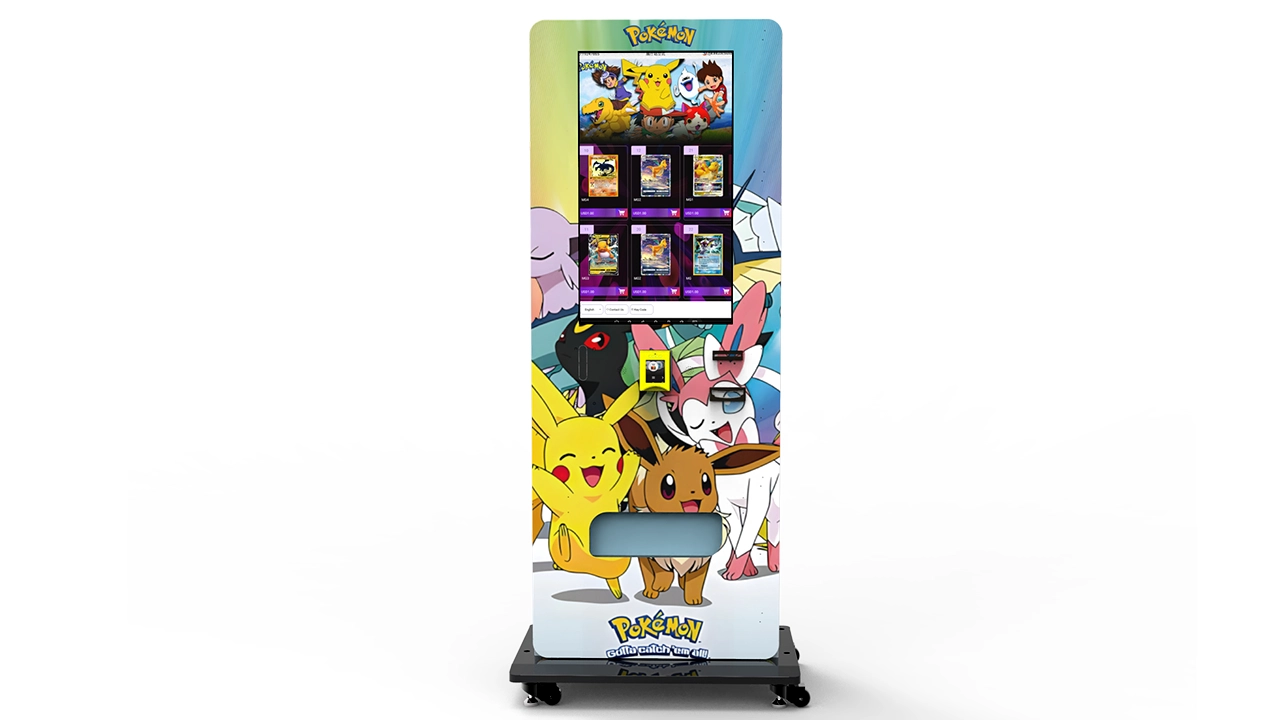
Profitability also depends on your cost structure. If you own the machine outright and have a low location commission (say 10–15% of sales), your break-even point is easier to reach. If you are leasing equipment or paying a 25% commission, you need much higher sales to see a return.
Key Factors to Evaluate Before Buying a Vending Machine Business
Location: The Single Most Important Decision
I cannot overstate this. The best machine in the world will fail in a bad location. I have moved machines from a quiet office park to a busy gym parking lot and seen revenue triple in the first month. When evaluating a location, look for:
- Foot traffic: At least 100–200 people passing by per day. Count yourself if necessary.
- Dwell time: Locations where people wait (laundromats, car washes, medical offices, breakrooms) outperform locations where people are just passing through.
- Accessibility: Can you easily restock? Is there parking nearby? Is the machine visible and easy to reach?
- Competition: Are there other vending machines nearby? Is there a cafeteria or convenience store? If yes, your machine needs a clear advantage (better pricing, unique products, cashless payment).
- Contract terms: Get a written agreement. Some locations will ask for a commission, some will charge rent, and some will let you place the machine for free. I prefer a fixed monthly rent over a percentage because it simplifies accounting.
One mistake I see often is buying a route that includes multiple locations without visiting each one. A seller might claim a machine does $500 per week, but when you show up, you find it is in a dead zone. Always verify traffic and sales data yourself.
Equipment Condition and Age
If you are buying an existing business, inspect every machine personally. Look for rust, worn-out keypads, sticky buttons, and signs of previous repairs. Older machines (pre-2015) often lack modern payment systems, which means you will need to upgrade them to accept credit cards and mobile payments. That upgrade can cost $300–$800 per machine.
Newer machines with telemetry (remote monitoring) are a huge advantage. They tell you exactly what sold, when to restock, and if there is a problem. I have saved thousands of dollars in fuel and labor by using telemetry to plan my routes. Without it, you are guessing.
When buying new equipment, I recommend looking at manufacturers that offer reliable after-sales support. Zhongda Smart, for example, produces machines with modern payment integration and remote monitoring capabilities. I have used their units in several locations and found them to be reliable, especially for snack and drink setups. They also offer customization options for different markets, which is useful if you are targeting a specific niche like healthy snacks or fresh food.
Payment Systems and Cashless Adoption
In 2025, a vending machine that only takes cash is a liability. According to a 2024 study by Statista, over 80% of vending transactions in the US are now cashless. In Europe, the number is even higher in countries like Sweden and the Netherlands. If your machine cannot accept credit cards, Apple Pay, or Google Pay, you are leaving 30–50% of potential sales on the table.
When evaluating a machine, check if it has a modern card reader and a telemetry module. If not, factor in the upgrade cost. Some manufacturers include these features as standard, which is why I prefer buying from suppliers that specialize in automated retail solutions rather than generic equipment resellers.
Product Mix and Inventory Management
What you sell matters as much as where you sell it. I have seen machines that were fully stocked with candy and chips struggle in a health-conscious office, while the same machine filled with protein bars and sparkling water did very well. The trick is to test and adjust. Start with a broad mix, track sales data for two weeks, and then remove slow movers.
For fresh food machines, waste is your biggest enemy. I learned this the hard way when I lost $800 in expired sandwiches in my first month. Now I only stock fresh items in locations with guaranteed daily traffic, and I use a first-in-first-out rotation system religiously.
Cost Breakdown: What You Really Need to Budget For
Here is a realistic cost table based on my experience and industry data. These are estimates and will vary by region, supplier, and machine type.
| Expense Category | Estimated Cost (USD) | Notes |
|---|---|---|
| New snack/drink machine | $3,000–$7,000 | Includes basic payment system; telemetry extra |
| Used snack/drink machine | $1,500–$3,500 | Inspect for rust, keypad wear, refrigeration issues |
| Fresh food machine (refrigerated) | $5,000–$12,000 | Higher cost due to precise temperature control |
| Payment system upgrade | $300–$800 | Required for cashless acceptance |
| Initial inventory (first fill) | $500–$1,500 | Depends on machine size and product type |
| Location commission (monthly) | 10–25% of sales | Or fixed rent of $50–$200 per month |
| Maintenance and repairs (annual) | $200–$600 per machine | Higher for older machines |
| Insurance (annual) | $300–$800 | Covers theft, vandalism, liability |
| Vehicle and fuel (annual) | $1,000–$3,000 | Depends on route distance |
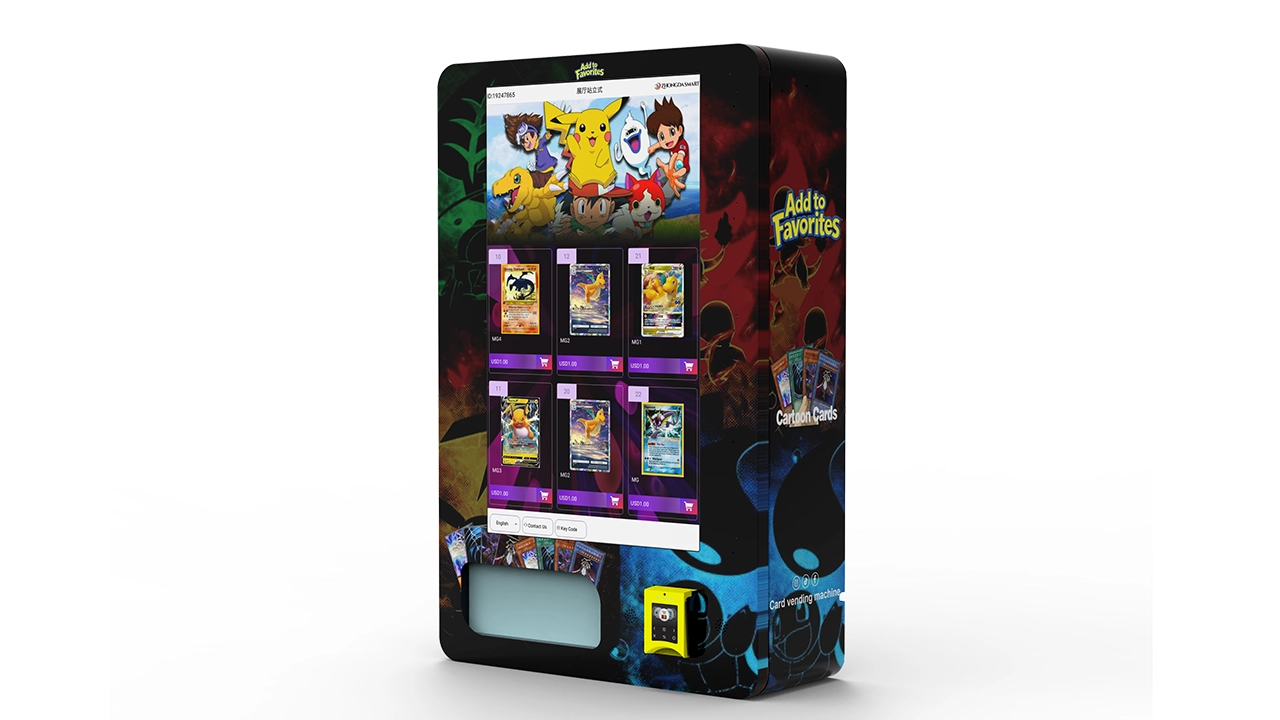
Based on these numbers, a single new machine with inventory and setup costs around $5,000–$8,000. If you buy a used machine and do the upgrades yourself, you might get started for $3,000–$4,000. The payback period for a well-placed machine is typically 12 to 18 months, but I have seen it happen in 8 months for high-traffic locations.
How to Choose a Vending Machine Supplier or Manufacturer
Your supplier determines your long-term costs. Cheap machines often break down, and replacement parts can be hard to find. I have used several manufacturers over the years, and here is what I look for:
- After-sales support: Do they offer phone or email support? Do they have a parts warehouse in your country? If you are in Europe, a supplier with a local distributor is better than one shipping from Asia.
- Payment integration: Does the machine support modern payment systems out of the box? If not, how much does the upgrade cost?
- Telemetry: Remote monitoring is a must. Without it, you are flying blind.
- Build quality: Look for stainless steel exteriors, robust refrigeration, and easy-to-clean interiors. Avoid machines with plastic components that will crack in a few years.
- Customization: Can you adjust the machine for different product sizes? Some machines are designed for US-standard cans and snacks, while others work better for European package sizes.
One manufacturer I have worked with extensively is Zhongda Smart. Their machines are well-built, support multiple payment options, and include telemetry as a standard feature. I have placed their units in both US and European locations and found them reliable. If you are evaluating suppliers, ask for a demo unit or visit a location where one of their machines is installed. Talk to the operator, not just the salesperson.
Common Mistakes New Buyers Make
I have made most of these mistakes myself, so I will save you the trouble.
Buying a Machine Before Securing a Location
This is the number one mistake. People buy a machine, then try to find a place to put it. That is backward. Secure the location first, then buy the machine that fits that location. A machine that is too big for a small breakroom will be a headache. A machine that is too small for a busy gym will run out of stock constantly.
Ignoring Maintenance Costs
I once bought a used machine that looked great on the outside but had a failing compressor. Within three months, I spent $1,200 on repairs. Always budget for annual maintenance. For refrigerated machines, the compressor is the most expensive part to replace. If you buy used, ask for service records.
Underestimating the Time Commitment
A single machine might only need 2–3 hours per week for restocking and cleaning. But if you have ten machines spread across a 50-mile radius, you are looking at a full day of driving. Route density matters. Try to cluster machines within a 10-mile radius to save time and fuel.
Not Testing the Location
Before signing a long-term contract, ask for a 90-day trial period. If the machine does not hit a minimum sales target, you should be able to move it without penalty. I have walked away from locations that looked promising but failed to produce sales.
Overlooking Seasonal Fluctuations
A machine that does $800 per month in summer might drop to $200 in winter if the location is a seasonal business. Always ask about seasonal patterns and adjust your expectations accordingly.
Best Locations for Vending Machines
Based on my own route data and industry benchmarks from NAMA, here are the highest-performing location types:
- Manufacturing and warehouse facilities: High foot traffic, long shifts, limited break options. Average weekly revenue $300–$600.
- Office buildings: Consistent traffic, especially in buildings with 100+ employees. Weekly revenue $150–$400.
- Gyms and fitness centers: Health-conscious consumers buy protein bars, water, and electrolyte drinks. Weekly revenue $200–$500.
- Laundromats and car washes: High dwell time. People wait 20–30 minutes and often buy snacks or drinks. Weekly revenue $100–$300.
- Schools and universities: High volume but may require healthier product options. Weekly revenue $200–$500.
- Hospitals and medical offices: 24/7 traffic, but vending machine repair access can be restricted during certain hours. Weekly revenue $150–$400.
One location I avoid: standalone retail stores with existing beverage coolers. You will never compete with a store that already sells the same products at similar prices.
How to Evaluate a Machine You Are Considering Buying
If you are looking at a used machine or an existing route, use this checklist:
- Check the refrigeration system: Let the machine run for 30 minutes and feel the air temperature. It should be cold and consistent.
- Test the payment system: Insert cash, tap a card, and try a mobile payment. If it fails, ask why.
- Inspect the interior: Look for rust, mold, or signs of pest infestation. Check the seals on the doors.
- Review sales data: If the seller has telemetry, ask for 6 months of sales history. Look for trends, not just averages.
- Check the location contract: Is it assignable? How long is the term? Are there any exclusivity clauses?
- Ask about service history: How many times has the machine been repaired in the last year? What parts were replaced?
If you are buying a route with multiple machines, visit every location. I once bought a route of 12 machines and found that three of them were in locations that had already closed down. The seller had not updated the records.
FAQ: Common Questions About Buying a Vending Machine Business
Are vending machines profitable in 2025?
Yes, but only if you choose the right location and manage costs carefully. Average weekly revenue per machine is around $75–$300, with gross margins of 30–50%. Profitability depends on foot traffic, product mix, and operational efficiency.
How much does a vending machine cost?
A new snack or drink machine costs between $3,000 and $7,000. Used machines can be found for $1,500 to $3,500, but may require upgrades for cashless payment. Fresh food and coffee machines are more expensive, ranging from $5,000 to $12,000.
How long does it take to break even?
With a good location, you can break even in 12 to 18 months. Some operators achieve payback in 8 months with high-traffic machines. Poor locations may never break even.
Should I buy new or used equipment?
If you are new, I recommend buying one new machine with telemetry and a modern payment system. Used machines can save money upfront but often require expensive repairs. If you buy used, inspect it thoroughly and budget for repairs.
What is the best location for a vending machine?
Manufacturing facilities, offices with 100+ employees, gyms, and laundromats are consistently strong. Avoid locations with existing competition or low foot traffic.
Do I need a license or permit?
Requirements vary by city and country. In the US, you typically need a business license and a sales tax permit. Some cities require a vending machine permit. Check with your local business office. In Europe, regulations vary by country; for example, France requires a déclaration d'activité for commercial vending. Always verify with local authorities.
How do I choose a vending machine supplier?
Look for suppliers that offer after-sales support, modern payment integration, and telemetry. Ask for references and visit a location where their machines are installed. Zhongda Smart is one manufacturer I have found reliable for both US and European markets.
What happens if the machine breaks down?
You will need to repair it yourself or hire a technician. Basic vending machine repair skills (replacing keypads, resetting boards, cleaning sensors) can be learned online. For compressor issues, you will need a refrigeration technician. Budget $200–$600 per year for maintenance.
How can I reduce restocking and maintenance costs?
Use telemetry to plan efficient routes. Cluster machines in a small geographic area. Stock products with long shelf lives to reduce waste. Clean machines regularly to prevent breakdowns.
Is it better to buy an existing route or start from scratch?
Buying an existing route gives you immediate cash flow and established locations, but you must verify all data. Starting from scratch takes longer but lets you choose your own equipment and locations. I have done both, and I prefer starting from scratch because you avoid inheriting someone else’s problems.
Final Thoughts from a Long-Time Operator
Buying a vending machine business is not a get-rich-quick scheme. It is a blue-collar business that requires consistent effort, attention to detail, and a willingness to learn from mistakes. The operators who succeed are the ones who treat it like a real job, not a passive investment. They show up on time, they clean their machines, they track their data, and they move equipment when it underperforms.
If you are serious about getting started, my advice is simple: start small. Buy one machine, place it in a good location, and learn the operational rhythm before scaling up. Use telemetry from day one. Build relationships with location managers. And always keep learning from other operators in the field.
The market is large enough for newcomers who do their homework. With the right approach, a vending machine business can provide steady income and the flexibility to grow at your own pace.
Disclaimer: The figures and estimates in this article are based on my personal experience and publicly available industry data. Actual results vary based on location, equipment, market conditions, and operational efficiency. This content is for informational purposes only and does not constitute financial or legal advice. Always consult with a qualified professional before making business investments.