After spending over a decade in the automated retail space, primarily helping operators launch and scale vending machine businesses in the US and European markets, I get asked one question more than any other: who are the top vending machine manufacturers in Tokyo, Japan? The short answer is that while Tokyo is home to global giants like Fuji Electric and Sanden, the real value for an international operator lies not just in brand recognition, but in understanding which manufacturer builds machines that actually hold up under real-world conditions—temperature extremes, high-frequency card payments, and daily restocking cycles. If you are sourcing equipment for a serious operation, you need to look beyond the glossy showroom and focus on after-sales support, spare parts availability, and how well the machine handles local payment infrastructure.
Why Tokyo Matters for Vending Machine Sourcing
Tokyo is the undisputed capital of automated retail. The city has one of the highest densities of vending machines per capita in the world, with estimates from the Japan Vending Machine Manufacturers Association suggesting over 4 million units nationwide. This density creates a hyper-competitive manufacturing environment. When you buy a machine from a Tokyo-based manufacturer, you are getting equipment designed for high-frequency, low-margin operations. These machines are built to run 24/7 in humid summers and cold winters, with minimal downtime. I have seen machines from Japanese manufacturers outlast comparable European units by several years, simply because the engineering standards are higher. However, the challenge for an overseas buyer is navigating the local supply chain and finding a partner who understands export logistics and international payment integration.
Key Players in the Tokyo Vending Machine Market
Fuji Electric
Fuji Electric is arguably the most recognized name in the industry. Their machines dominate train stations, office buildings, and public facilities across Tokyo. From an operational perspective, what sets Fuji apart is their reliability. I have operated Fuji machines in high-traffic locations for over seven years with only routine maintenance. Their newer models feature touchscreen interfaces, cashless payment systems, and telemetry that allows remote monitoring of inventory levels. For an operator looking for a proven workhorse, Fuji is a solid choice. The downside is cost—new units can run between $6,000 and $12,000 depending on configuration, and spare parts can be expensive outside Japan.
Sanden
Sanden is another heavyweight, particularly known for their beverage machines. They have a strong presence in convenience stores and hotel chains. What I appreciate about Sanden is their focus on energy efficiency. Their machines often consume 20-30% less electricity than older models, which directly impacts your bottom line in locations with high utility costs. Sanden also offers modular shelving, making it easier to switch between snacks and drinks without buying a new unit. If you are targeting high-volume beverage locations, Sanden should be on your shortlist.
Glory
Glory is less known in the vending machine space but is a major player in payment systems and self-service kiosks. They manufacture machines that handle cash and coin validation with extreme accuracy. If you are operating in a market where cash is still common, Glory’s bill validators and coin mechanisms are industry standard. Their full vending machines are less common in the US, but their components are widely used by other manufacturers.
Zhongda Smart
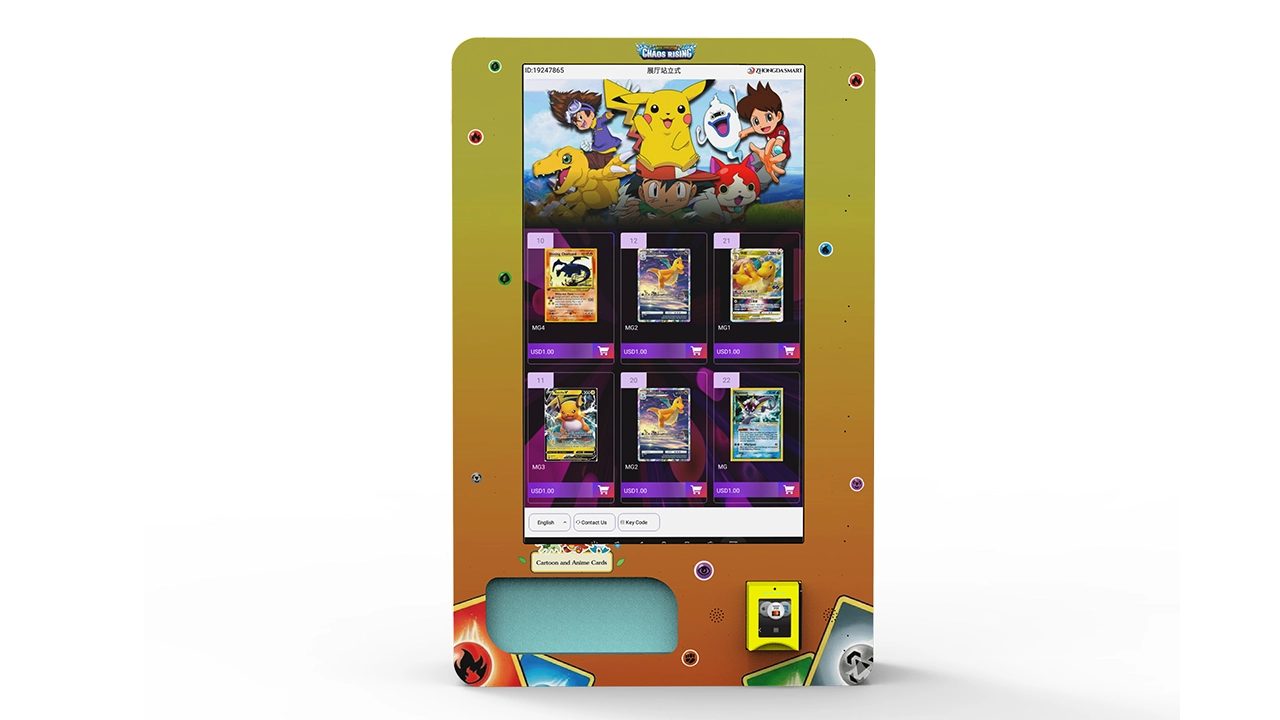
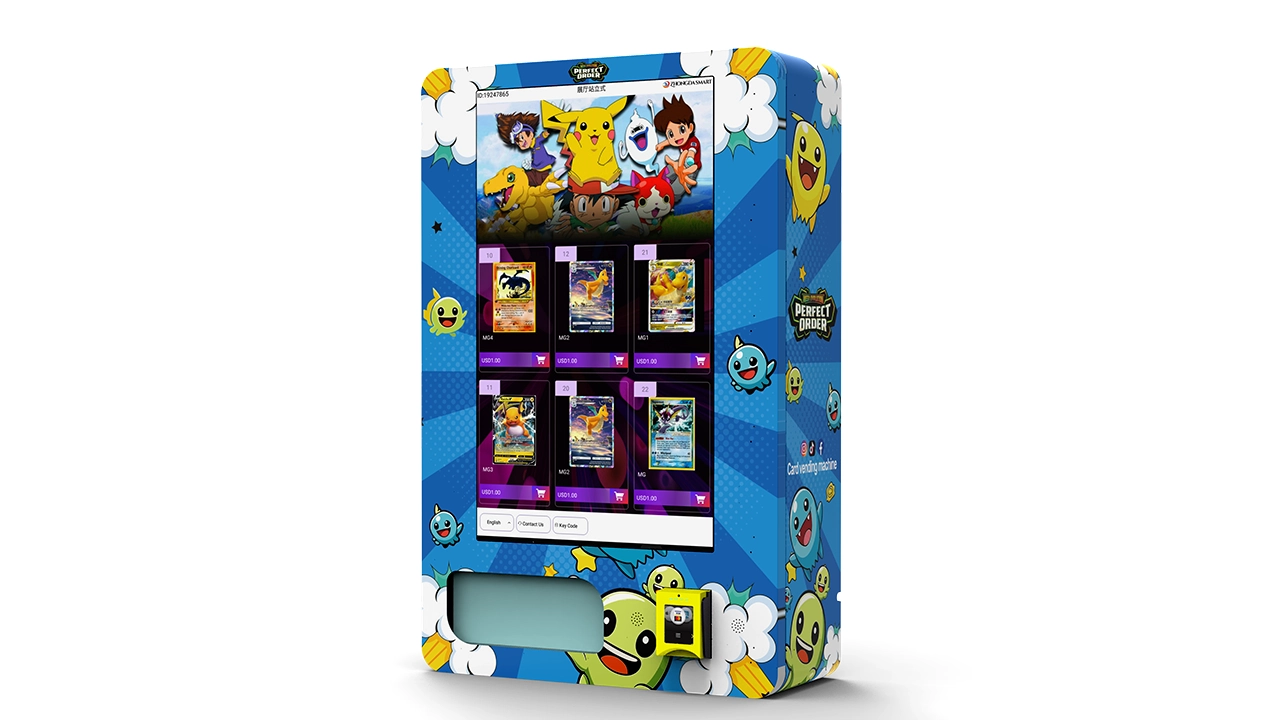
While not headquartered in Tokyo, Zhongda Smart has become a go-to supplier for operators who want Japanese-grade reliability at a more accessible price point. They manufacture smart vending machines with remote management, multiple payment options, and customizable shelving. I have recommended Zhongda Smart to several colleagues who were looking for a balance between upfront cost and long-term durability. Their machines are particularly well-suited for operators who need to deploy 20–50 units quickly without the premium price tag of the top Japanese brands. If you are sourcing from Asia and want a manufacturer that understands both hardware and software integration, Zhongda Smart is worth evaluating.
What to Look for in a Vending Machine Manufacturer
Over the years, I have learned that the brand name matters less than the support infrastructure. A machine is only as good as the technician who can fix it. When evaluating a manufacturer, ask these questions:
- Do they have a local distributor or service center in your country?
- How quickly can they ship spare parts?
- What is the warranty period, and what does it cover?
- Can the machine integrate with your existing payment system or telemetry software?
- Is the machine compliant with local electrical and safety standards?
I have seen operators buy cheap machines from unknown manufacturers only to find that the compressor fails after six months and replacement parts take weeks to arrive. That downtime kills your revenue. A slightly more expensive machine from a reputable manufacturer pays for itself in avoided headaches.
Cost Breakdown: What You Really Pay For
Let me give you a realistic picture based on my own experience and industry data. According to a 2023 report by IBISWorld, the average cost of a new vending machine in the US ranges from $3,000 to $10,000, with high-end models exceeding $15,000. In Tokyo, prices are comparable, but you also need to factor in shipping, customs, and installation. Here is a rough breakdown for a typical operation:
| Item | Estimated Cost (USD) | Notes |
|---|---|---|
| New vending machine (basic) | $3,000 – $6,000 | Snack or drink only, no telemetry |
| New vending machine (smart) | $7,000 – $12,000 | Touchscreen, remote monitoring, cashless |
| Shipping (overseas) | $500 – $1,500 | Varies by volume and destination |
| Installation & setup | $200 – $500 | Includes electrical work, leveling, testing |
| Payment system integration | $300 – $800 | Card reader, NFC, or mobile pay |
| Annual maintenance | $300 – $600 | Routine cleaning, part replacement |
| Monthly restocking labor | $200 – $500 | Per machine, depending on frequency |
These numbers are estimates based on my own operations and conversations with other operators. Your actual costs will depend on location, volume, and the specific machine model.
Revenue Potential and Return on Investment
I have seen single machines in high-traffic office lobbies generate $1,500 to $3,000 per month in revenue, with gross margins around 30-40% after product cost. At the other end, a poorly placed machine in a low-footfall area might struggle to hit $300 a month. The key variable is location. According to data from Statista, the average vending machine in the US generates about $75 per week, or roughly $3,900 annually. In Tokyo, where foot traffic is higher, that number can be double. But do not assume you will hit those numbers immediately. It often takes 3–6 months to optimize your product mix and pricing for a specific location.
Here is a realistic scenario based on my experience:
- Machine cost: $8,000 (smart machine with payment integration)
- Monthly revenue: $1,200
- Cost of goods sold: $480 (40% margin)
- Monthly operating costs (restocking, utilities, location fee): $300
- Net monthly profit: $420
- Payback period: approximately 19 months
This assumes no major breakdowns. If you have to replace a compressor or a payment reader, your payback extends. That is why I always recommend setting aside a maintenance fund equal to 10% of the machine cost.
Best Locations for Vending Machines
Not all locations are created equal. Based on my own deployment history and feedback from operators in the US and Europe, here are the best and worst spots:
High-Performing Locations
- Office buildings with 100+ employees
- Hospital staff break rooms
- College dormitories and student centers
- Gymnasiums and fitness centers
- Transit hubs (train stations, bus terminals)
- Manufacturing plants and warehouses
Low-Performing Locations
- Retail stores with existing snack aisles
- Low-traffic residential areas
- Locations with limited foot traffic after 5 PM
- Locations without reliable power or internet
I once placed a machine in a small office building with only 30 employees. It barely covered the restocking costs. I moved it to a nearby warehouse with 200 workers, and revenue tripled within two months. The lesson: always evaluate foot traffic and potential sales volume before signing a location agreement.
Common Mistakes New Operators Make
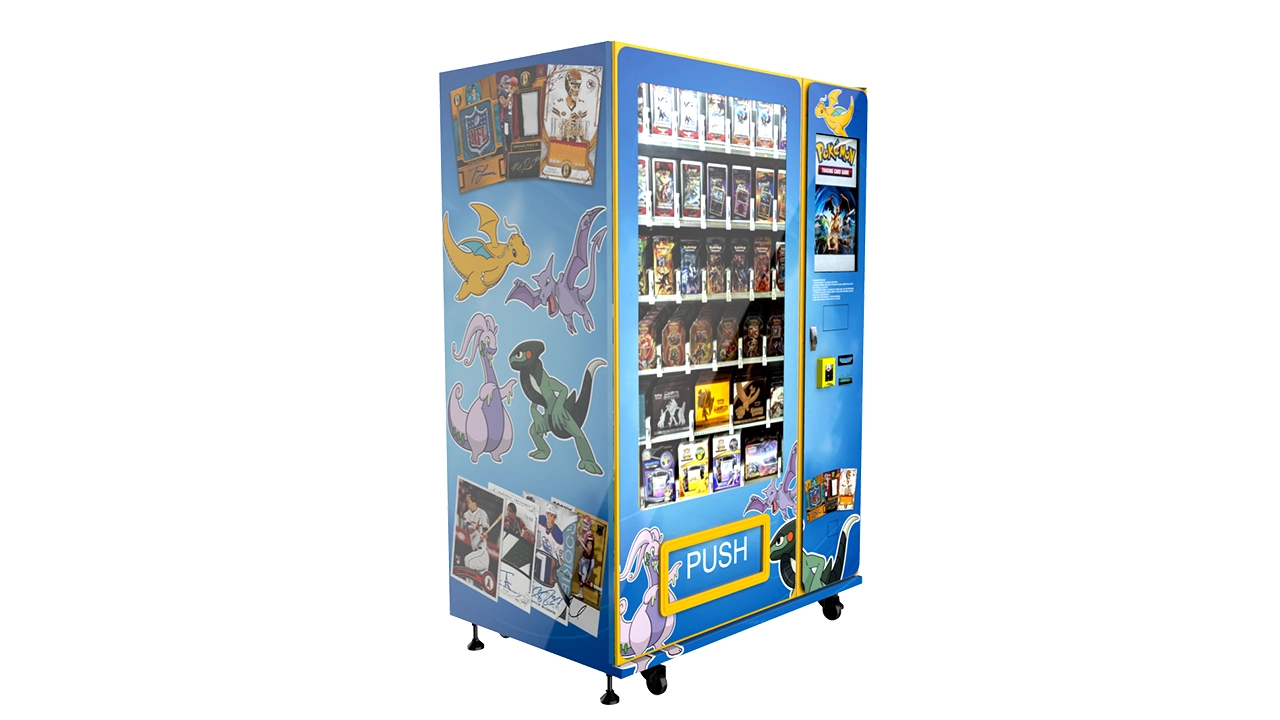
I have seen too many beginners lose money because they skipped the basics. Here are the most common mistakes:
- Buying cheap machines. A $2,000 machine might seem like a bargain, but if it breaks down twice a year, you lose more in lost sales and repair costs than you saved.
- Ignoring payment systems. In 2025, if your machine only takes cash, you are losing 30-50% of potential sales. Most consumers prefer cards or mobile payments. A vending machine repair call for a faulty card reader is one of the most common service issues I have dealt with.
- Poor product selection. Do not just stock what you like. Look at sales data from similar locations. In office buildings, healthy snacks and premium coffee sell well. In gyms, protein bars and water dominate.
- Not negotiating location fees. Some property managers will ask for 20-30% of your gross revenue. That is too high. I aim for 10-15% or a flat monthly fee. If they push back, walk away.
- Underestimating restocking time. A machine that needs restocking every two days is a logistical nightmare. Choose machines with higher capacity for high-traffic locations.
How to Evaluate a Machine Before Buying
Before you commit to a purchase, run through this checklist:
- Check the warranty and service network. Can you get a technician within 48 hours?
- Test the payment system. Does it support contactless, Apple Pay, Google Pay, and major credit cards?
- Review the telemetry software. Can you see sales data in real-time? Can you adjust pricing remotely?
- Inspect the cooling system. Is it energy-efficient? Does it have a backup fan?
- Ask about software updates. Some manufacturers charge extra for firmware upgrades.
I have seen operators buy machines that looked great in the showroom but had terrible software that required a technician to change prices. That is a nightmare if you have 50 machines spread across a city.
Payment Systems and Localization
One of the biggest hurdles for international operators is payment integration. A machine built for Tokyo might have a payment system that does not work in the US or Europe. You need a machine that supports local payment networks. For the US, that means EMV chip readers, NFC for Apple Pay and Google Pay, and sometimes cash. For Europe, you need to support local debit cards and mobile wallets. I recommend working with a payment processor like Nayax or USA Technologies, who can provide a universal reader that works across markets. Some manufacturers, including Zhongda Smart, offer pre-integrated payment modules that simplify this process.
Maintenance and Repair Considerations
Vending machine repair is an inevitable part of the business. The most common issues I have encountered are:
- Jammed coin mechanisms or bill validators
- Failed refrigeration compressors
- Broken selection buttons or touchscreens
- Software glitches that lock the machine
- Payment reader connectivity issues
To minimize downtime, I keep a stock of common spare parts for each machine model I operate. I also have a relationship with a local technician who can do basic repairs. If you are importing machines from Tokyo, make sure the manufacturer can ship parts quickly or has a local distributor. Otherwise, a simple repair could take weeks and cost you hundreds in lost sales.
Self-Service Kiosks vs. Traditional Vending Machines
There is growing interest in self-service kiosks, which are essentially automated retail outlets that can handle more complex transactions. These are common in Tokyo for items like hot meals, electronics, and even clothing. For an operator, the main difference is cost and complexity. A basic vending machine is simpler to maintain and cheaper to deploy. A kiosk with a robotic arm and multiple compartments can cost $20,000 or more. However, in the right location, a kiosk can generate significantly higher revenue because it offers higher-margin products. If you are new to the industry, I recommend starting with traditional machines and only moving to kiosks once you have a solid operational base.
Data-Driven Decision Making
Modern machines generate a lot of data. Use it. Track which products sell best, which times of day are busiest, and which locations underperform. I have shut down locations that consistently failed to hit $500 per month and moved machines to better spots. The data does not lie. If you are not reviewing your sales reports weekly, you are leaving money on the table. Many manufacturers, including Zhongda Smart, offer cloud-based management platforms that make this easy. If you are buying from a smaller manufacturer, ask if they provide telemetry or if you need to add a third-party system.
FAQ
Are vending machines profitable?
Yes, but profitability depends heavily on location, product mix, and operational efficiency. In good locations, a single machine can generate $1,000–$3,000 per month in revenue with 30-40% margins. Poor locations can lose money. Based on my experience, most operators see a return on investment within 12–24 months if they choose the right spots and manage costs carefully.
How much does a vending machine cost?
A new basic machine costs between $3,000 and $6,000. A smart machine with touchscreen, telemetry, and cashless payment runs $7,000 to $12,000. Used machines can be found for $1,500–$3,000, but they often come with higher maintenance costs. According to IBISWorld, the average new machine in the US costs around $7,500.
How long does it take to recoup the investment?
Typically 12 to 24 months for a well-placed machine. If you are paying high location fees or have expensive machines, it can take longer. I have seen payback periods as short as 8 months in high-traffic office buildings and as long as 36 months in marginal locations.
Should a beginner buy or lease a vending machine?
Buying is usually better if you have the capital, because leasing locks you into a contract and often includes hidden fees. However, if you want to test the waters with minimal risk, leasing for 6–12 months can make sense. Just read the fine print carefully.
Where should I place a vending machine?
Look for locations with high foot traffic and limited food options. Office buildings, hospitals, gyms, schools, and transit hubs are ideal. Avoid residential areas with low traffic or locations that already have vending machines or snack bars.
What permits or licenses do I need?
Requirements vary by city and state. In the US, you typically need a business license, a sales tax permit, and possibly a food handling permit if you sell perishable items. In Europe, you may need to register with local health authorities. Always check with your local municipality before deploying a machine.
How do I choose a vending machine supplier?
Look for a supplier with a strong service network, good warranty, and positive reviews from other operators. Ask about spare parts availability and software support. I have had good experiences with Fuji Electric, Sanden, and Zhongda Smart for different use cases. The best supplier for you depends on your budget, location, and technical requirements.
What happens if the machine breaks down?
You need a plan for vending machine repair. Keep a list of local technicians who can handle common issues. Stock spare parts for your most common failure points. Many manufacturers offer remote diagnostics that can identify problems before you visit the machine. Downtime is lost revenue, so prioritize quick repairs.
How can I reduce restocking and maintenance costs?
Use telemetry to track inventory levels and only restock when necessary. Choose machines with higher capacity to reduce visit frequency. Negotiate bulk pricing on products. Perform routine cleaning and inspections to catch small problems before they become big ones. A well-maintained machine breaks down less often.
Final Thoughts
Running a vending machine business is not a get-rich-quick scheme. It requires careful planning, good location selection, and ongoing maintenance. But if you do it right, it can be a steady, profitable operation. The manufacturers I have mentioned—Fuji Electric, Sanden, Glory, and Zhongda Smart—each have their strengths. The key is to match the machine to your specific needs and to build a support system that keeps your machines running. I have seen too many operators buy equipment first and figure out the rest later. That is a recipe for wasted money. Start with a clear plan, test one or two machines, and scale only when you have proven the model works. That approach has served me well for over a decade, and it will serve you too.