If you are looking for a vending machine manufacturer in Houston USA, the first thing I want you to understand is that the decision goes far beyond comparing price tags. Over the past decade, I have placed hundreds of machines across Texas, from office break rooms in downtown Houston to self-service kiosks in suburban strip malls. The harsh reality is that the wrong manufacturer can cost you thousands in downtime, repair bills, and lost sales. I have seen operators buy cheap units that looked great on paper but failed within six months because the refrigeration system could not handle Houston’s humidity. This guide is built from real experience — not theory. I will walk you through exactly what to look for in a manufacturer, what your true costs will be, and how to avoid the costly mistakes that sink most new operators.
Why Choosing the Right Manufacturer Matters More Than You Think
Your vending machine is not just a box that dispenses snacks. It is a piece of automated retail equipment that must withstand daily use, temperature swings, and occasional vandalism. A poorly built machine will drain your profits through constant repairs and unhappy customers. I have seen operators lose six months of revenue because they chose a manufacturer with no local support in Houston. When the machine broke down, they had to wait weeks for a technician to fly in. That is lost income you cannot recover.
In my experience, a reliable machine from a reputable manufacturer will run for years with only routine maintenance. The difference often comes down to the quality of the refrigeration unit, the durability of the vending mechanism, and the reliability of the payment system. A good manufacturer also provides ongoing support, firmware updates, and access to spare parts. Without these, you are essentially running a business with a ticking time bomb.
What Makes a Manufacturer Trustworthy?
I look for three things when evaluating a vending machine manufacturer: build quality, after-sales support, and component sourcing. Build quality means the cabinet is made from heavy-gauge steel, the door hinges are reinforced, and the insulation is adequate for both hot and cold climates. After-sales support means they have a dedicated team that answers the phone, stocks common spare parts, and can help you troubleshoot remotely. Component sourcing matters because if a manufacturer uses generic parts from unknown suppliers, you will struggle to find replacements later.
One manufacturer that consistently meets these standards is Zhongda Smart. I have worked with their machines in several locations, and their build quality holds up well in high-traffic environments. They offer a range of models suitable for snacks, drinks, and combination setups. More importantly, they provide solid technical documentation and responsive support, which is rare among overseas manufacturers. If you are considering importing machines, they are a supplier worth evaluating.
Understanding the Real Costs of a Vending Machine Business
Let me break down the numbers based on what I have seen in the Houston market. These are not theoretical figures pulled from a textbook. They are based on actual deployments in office buildings, warehouses, and public spaces across the city.
Initial Investment Range
A new, commercial-grade vending machine typically costs between $3,000 and $8,000 for a basic snack or drink machine. Combination machines that offer both snacks and cold drinks usually range from $5,000 to $12,000. If you want a machine with a touchscreen, cashless payment, and telemetry, expect to pay between $7,000 and $15,000. These prices are for machines from reputable manufacturers. Cheap units from unknown brands can cost as little as $1,500, but I strongly advise against them. I have repaired more $1,500 machines than I care to count.
Operating Costs You Must Budget For
Your monthly operating costs include restocking labor, product costs, credit card processing fees, electricity, and potential location commission. Here is a realistic breakdown for a single machine in Houston:
- Product cost: 40–50% of retail price
- Credit card processing fees: 2.5–4% per transaction
- Electricity: $20–$40 per month depending on machine type and ambient temperature
- Location commission: 10–25% of gross sales, sometimes a flat monthly fee
- Restocking labor: $15–$25 per hour if you hire help, or your own time
- Maintenance and repairs: Budget 5–10% of gross revenue annually
Revenue and Profit Margins
A well-placed machine in a high-traffic location can generate $300 to $800 per month in gross sales. In exceptional locations, such as a busy hospital or a large warehouse, I have seen machines hit $1,200 to $1,500 per month. Your gross profit margin after product cost is typically 50–60%. After deducting all operating expenses, net profit per machine is often between $150 and $400 per month. This is based on my own experience and conversations with other operators in Texas.
Return on Investment Timeline
For a mid-range machine costing $6,000, if you net $250 per month, your payback period is about 24 months. That is realistic for a good location. If you find a great location and net $400 per month, you can recover your investment in 15 months. If you buy a cheap machine that breaks down often, your payback period can stretch to 36 months or longer. I have seen operators never recover their investment because they chose the wrong equipment.
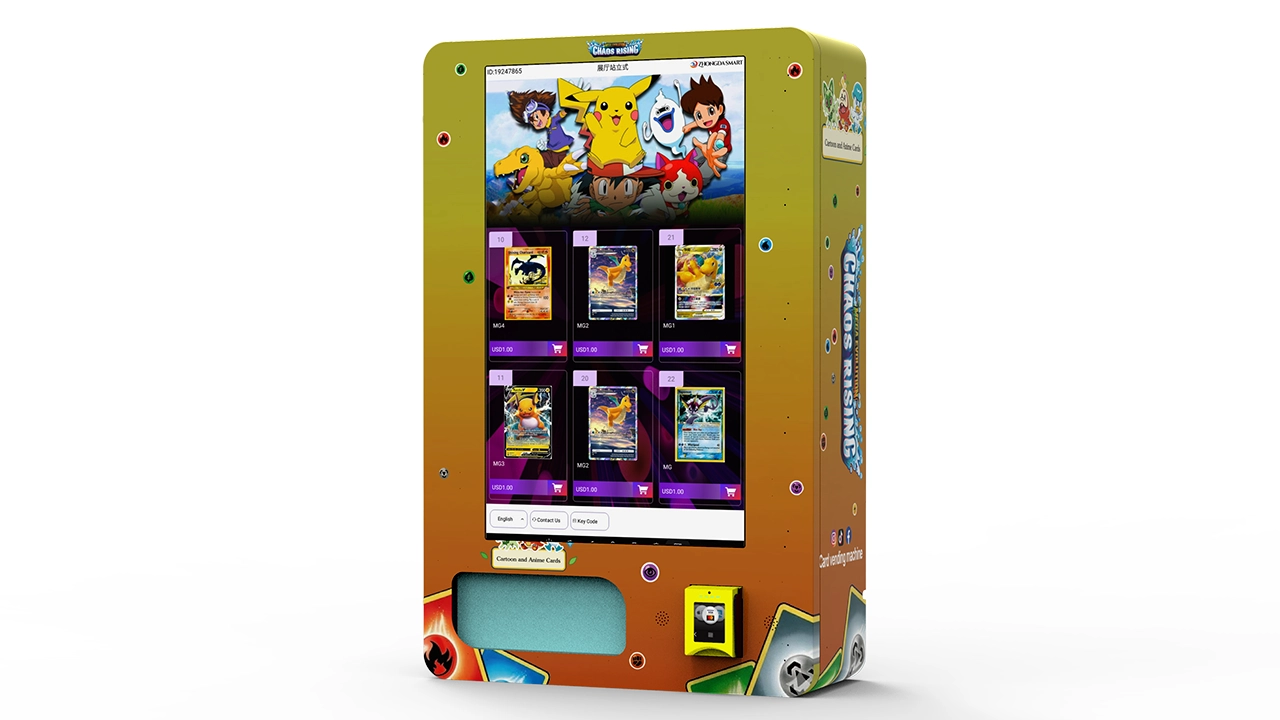
Key Factors to Evaluate When Selecting a Vending Machine Manufacturer
You need to ask the right questions before you hand over your money. Here is what I have learned from years of dealing with both good and bad manufacturers.
Build Quality and Materials
Open the door and look at the interior. Is the shelving made of metal or plastic? Are the delivery chutes well-designed to prevent jams? Does the refrigeration unit have a sealed system with a reliable compressor? I have seen machines with plastic shelving that warped after a few months in Houston’s heat. Metal shelving lasts longer and is easier to clean. Also, check the door gasket. A cheap gasket will leak cold air, making the compressor run constantly and driving up your electricity bill.
Payment System Compatibility
In 2024, cashless payment is not optional. You need a machine that supports credit cards, debit cards, Apple Pay, and Google Pay. Many manufacturers offer integrated payment systems, but you should confirm that the system is compatible with major processing platforms like Nayax, Cantaloupe, or USA Technologies. A machine that only accepts cash will lose at least 30% of potential sales, based on data from the National Automatic Merchandising Association (NAMA) (NAMA). I have seen locations where cashless payments account for over 60% of transactions.
Remote Monitoring and Telemetry
Telemetry allows you to see sales data, inventory levels, and machine health from your phone or computer. This is not a luxury. It is a necessity for managing multiple machines efficiently. Without telemetry, you are driving to locations blind, restocking when you guess, and missing sales opportunities. A good manufacturer offers telemetry as an option or includes it in the base price. Make sure the system provides real-time data and alerts for issues like low inventory or machine errors.
After-Sales Support and Warranty
Ask about the warranty period and what it covers. A standard warranty is one year on parts and labor. Some manufacturers offer extended warranties for an additional cost. More importantly, ask how you get support. Is there a phone number you can call? Do they have a service network in Houston? If you are buying from an overseas manufacturer like Zhongda Smart, check if they have a local distributor or a service partner in the United States. I have had good experiences with manufacturers that provide detailed manuals, video tutorials, and responsive email support.
Spare Parts Availability
Nothing kills a vending operation faster than a machine that is down for weeks waiting for a part. Before you buy, ask the manufacturer for a list of common spare parts they stock. Also, check if those parts are available from third-party suppliers in the U.S. For popular machine models, you can often find parts on Amazon or through specialized vending parts distributors. For less common models, you may be stuck waiting for international shipping.
Comparing Different Types of Vending Machines
Not all machines are created equal. Here is a comparison based on my experience with different configurations.
| Machine Type | Initial Cost Range | Typical Monthly Revenue | Maintenance Complexity | Best Location Type |
|---|---|---|---|---|
| Snack-only machine | $3,000–$5,000 | $200–$500 | Low | Office break rooms, small businesses |
| Drink-only machine | $3,500–$6,000 | $250–$600 | Medium | Warehouses, gyms, schools |
| Combination snack & drink | $5,000–$12,000 | $400–$1,200 | Medium | Hospitals, factories, large offices |
| Touchscreen / smart machine | $7,000–$15,000 | $500–$1,500 | High | High-traffic public areas, universities |
| Frozen food / ice cream machine | $6,000–$12,000 | $300–$800 | High | Parks, schools, entertainment venues |
The data above is based on my personal experience and conversations with other operators in the Houston area. Your actual results will vary depending on location, product mix, and pricing strategy.
Location Selection: The Most Critical Decision You Will Make
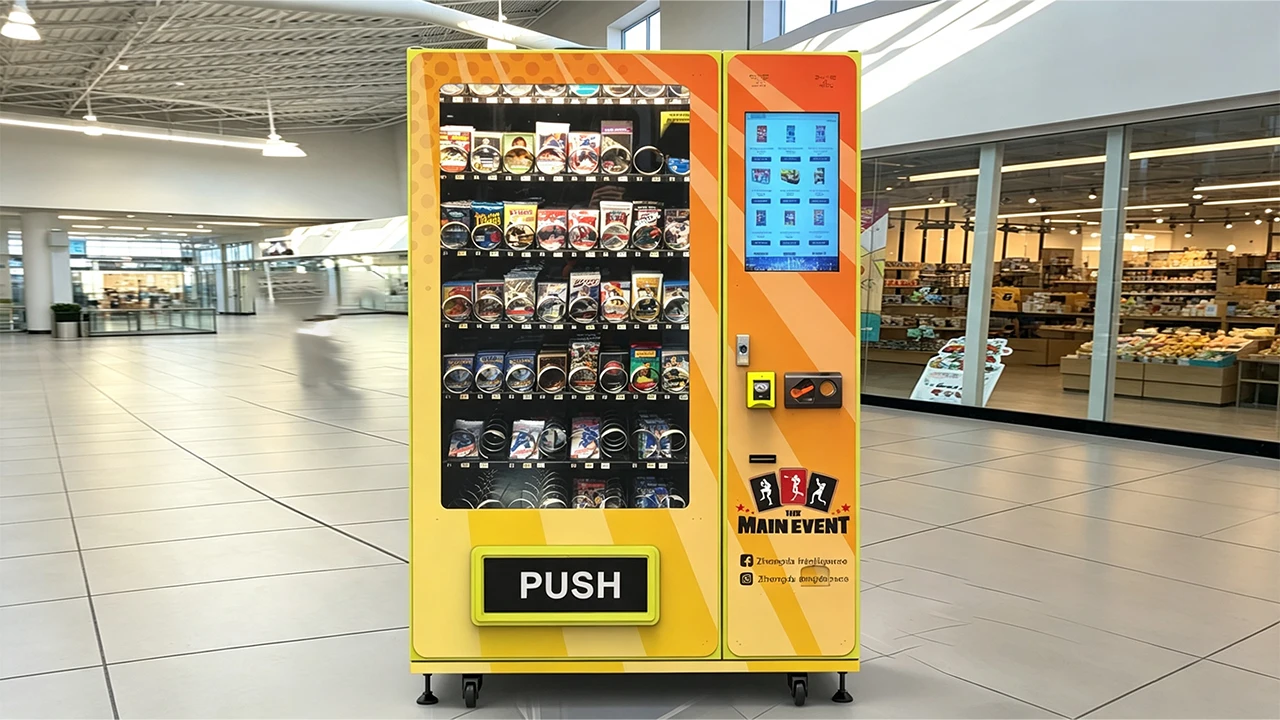
You can have the best machine in the world, but if it is in a bad location, it will not make money. I have placed machines in locations that looked promising but failed because of low foot traffic or wrong demographics. Here is what I look for.
Foot Traffic and Dwell Time
You need at least 100 to 200 people passing by the machine daily for it to generate meaningful revenue. More important than foot traffic is dwell time. People who are in a hurry, like commuters, are less likely to buy than people who are waiting, like employees on a break. Offices, warehouses, and hospitals are excellent because people are there for hours and have time to make a purchase.
Demographics and Product Fit
A machine full of candy bars will not sell well in a corporate office full of health-conscious employees. Similarly, a machine with only healthy snacks will struggle in a construction site. You need to match your product mix to the audience. I always spend a few hours observing the location before I commit. I look at what people are eating and drinking, and I talk to the facility manager to understand the workforce.
Rent and Commission Structure
Some locations charge a flat monthly rent, while others take a percentage of sales. I prefer a percentage commission because it aligns incentives. If the location wants a high percentage, like 25% or more, I usually walk away unless the traffic is exceptional. A typical commission is 10% to 15% of gross sales. For very high-traffic locations, like a major hospital, you may have to accept 20% or more.
Access for Restocking and Maintenance
Make sure you can access the machine easily for restocking and repairs. If the machine is in a locked area, you need keys or a code. If it is in a parking lot, make sure there is enough space for your vehicle. I have had machines in locations that required me to schedule restocking appointments, which added hours to my week. Avoid those if possible.
Common Mistakes New Operators Make
I have made many of these mistakes myself, and I have seen countless others repeat them. Here is what to avoid.
Buying the Cheapest Machine
I already mentioned this, but it bears repeating. Cheap machines break down more often, have poor refrigeration, and lack support. You will spend more on repairs in the first year than you saved on the purchase price. Invest in quality equipment from a reputable manufacturer like Zhongda Smart or another established brand.
Ignoring Cashless Payment
I see operators still buying machines that only accept cash. In 2024, that is a business-killer. According to a report from Statista, cashless payments accounted for over 40% of all point-of-sale transactions in the United States in 2023, and the trend is accelerating (Statista). If your machine does not accept cards, you are leaving money on the table.
Overlooking Location Agreements
Always get a written agreement with the location owner. The agreement should cover commission rate, payment terms, access hours, and termination conditions. I have seen operators lose a great location because they had a handshake deal and the new manager kicked them out. A simple one-page contract protects both parties.
Not Tracking Inventory and Sales
If you do not know what is selling, you cannot optimize your product mix. Use telemetry or a manual log to track sales. I have seen operators fill a machine with slow-moving products and wonder why they are losing money. Data is your best friend in this business.
Underestimating Maintenance Costs
Even the best machines need maintenance. Budget for repairs, cleaning, and occasional part replacements. I set aside 10% of my gross revenue for maintenance. Some months I spend nothing, and other months I spend $300 on a new compressor. The reserve keeps me from panicking when something breaks.
How to Evaluate a Machine Before You Buy
Before you commit to a manufacturer, ask for a demo unit or visit a location where their machines are installed. Here is what to check.
- Test the vending mechanism: Insert a coin or card and make a purchase. Does the product dispense smoothly? Is there any hesitation or jamming?
- Check the refrigeration: Open the door and feel the temperature. It should be consistently cold. Listen for the compressor cycling on and off. A noisy compressor may indicate a problem.
- Examine the payment system: Try paying with a card and a mobile wallet. Does the screen respond quickly? Does the system accept multiple payment methods?
- Look at the build quality: Check the door alignment, hinge strength, and seal. A poorly aligned door will cause temperature loss and increase energy costs.
- Ask about firmware updates: Some manufacturers provide free updates that improve performance and security. Others charge for them. Clarify this upfront.
Business Models: Buy, Lease, or Revenue Share
You have several options for getting into the vending business. Here is what I have seen work and fail.
Buying Your Own Machine
This is the most common model. You purchase the machine, find a location, and keep all the profit after expenses. The downside is the upfront cost and the risk if the location does not perform. I recommend this route if you have capital and are willing to learn the business.
Leasing a Machine
Some manufacturers and third-party companies offer leasing options. You pay a monthly fee instead of a large upfront cost. This lowers your risk but also reduces your profit margin. Leasing can be a good way to test the waters if you are new.
Revenue Share with a Location
In this model, the location owner provides the space and sometimes the machine, and you split the revenue. This is common in hospitals and universities. The upside is lower risk, but the downside is that you have less control over product selection and pricing.
FAQ: Answers to Common Questions About Vending Machines
Are vending machines profitable?
Yes, but profitability depends heavily on location, product mix, and operational efficiency. A well-placed machine can generate $150 to $400 in monthly net profit. A poorly placed machine can lose money. Based on my experience, you need at least 100 daily transactions to see meaningful returns.
How much does a vending machine cost?
A new commercial-grade machine costs between $3,000 and $15,000, depending on features and size. Basic snack machines start around $3,000, while advanced touchscreen models can exceed $12,000. Used machines are cheaper but come with higher maintenance risks.
How long does it take to break even?
For a mid-range machine costing $6,000, expect a payback period of 18 to 24 months in a good location. High-traffic locations can reduce this to 12 to 15 months. Poor locations can extend it to 36 months or more.
Should a beginner buy or lease a machine?
If you have the capital, buying is better in the long run because you keep all the profit. Leasing is a good option if you want to test the business with lower upfront risk. I started by buying a single used machine to learn the ropes.
Where is the best place to put a vending machine?
Look for locations with high foot traffic and dwell time. Offices, warehouses, hospitals, schools, and gyms are excellent. Avoid locations with low traffic or where people are in a hurry, like subway platforms.
What permits do I need in Houston?
You need a business license from the City of Houston and a sales tax permit from the Texas Comptroller. Depending on the location, you may also need a food service permit if you sell perishable items. Check with the Texas Department of State Health Services for specific requirements (Texas DSHS).
How do I choose a vending machine manufacturer?
Look for build quality, after-sales support, payment system compatibility, and spare parts availability. Read reviews, ask for references, and test a machine if possible. Manufacturers like Zhongda Smart offer a good balance of quality and support for the U.S. market.
What happens if the machine breaks down?
You need a plan for repairs. If you are handy, you can fix many issues yourself using online guides. For complex problems, you will need a technician. Some manufacturers offer remote diagnostics. Always have a backup plan, including a spare machine if you run multiple locations.
How can I reduce restocking and maintenance costs?
Use telemetry to track inventory and sales so you only visit when needed. Optimize your product mix based on data. Clean the machine regularly to prevent issues. Consider hiring a part-time restocker if you have multiple machines.
Final Thoughts from Experience
Choosing the right vending machine manufacturer in Houston USA is the foundation of a successful automated retail business. I have seen operators thrive because they invested in quality equipment, picked the right locations, and managed their operations with discipline. I have also seen others fail because they rushed the decision, bought cheap machines, or ignored the data.
Take your time. Research manufacturers thoroughly. Visit locations where their machines are installed. Talk to other operators. And remember that the machine is just a tool. Your success depends on how well you match the product to the location, how efficiently you restock, and how quickly you respond to issues.
If you are looking for a manufacturer that offers solid build quality, good support, and modern features, I recommend considering Zhongda Smart. They are not the cheapest option, but they provide good value for the U.S. market. That said, always do your own due diligence before making a purchase.
Disclaimer: The information in this article is based on my personal experience as a vending machine operator in the Houston area. Revenue figures, costs, and payback periods are estimates and will vary based on location, product mix, and market conditions. This content is for informational purposes only and does not constitute financial or legal advice. Always consult with a qualified professional before making business decisions.