You want to know how to get stuff from vending machines for free. I have spent over a decade in the automated retail space, placing machines across Europe and North America, and I can tell you that the "free" vending machine trick is rarely about hacking a machine or exploiting a flaw. In my experience, the only reliable way to get products without paying is through legitimate promotional systems, loyalty programs, or by understanding the operational side of the business—like finding a machine that has a malfunctioning payment system that hasn't been reported yet, or by taking advantage of "free sample" cycles during new product rollouts. But the real value in this question is not about stealing a candy bar. It is about understanding the business model so well that you can spot opportunities where the machine effectively gives away products to drive foot traffic or test a market.
What a Vending Machine Really Is in Modern Commerce
Most people think of a vending machine as a simple box that dispenses snacks. In reality, it is a self-service kiosk that functions as a micro-retail store. It has a payment system, an inventory management system, and a physical infrastructure that needs maintenance. Over the years, I have seen machines evolve from simple coil-based snack dispensers to sophisticated automated retail units that can sell electronics, hot food, and even prescription glasses. The key difference between a traditional retail store and a vending machine is the absence of a human cashier. That single factor changes everything about how you operate, how you price products, and how you handle theft.
When I first started placing machines in office buildings in the UK, I learned quickly that the location determines everything. A machine in a busy hospital lobby might generate €2,000 per month in revenue, while the same machine in a quiet office park might struggle to hit €300. The technology itself is just the vessel. The real business is about foot traffic, product selection, and operational efficiency. I have seen operators buy expensive machines with touch screens and cashless payment systems, only to fail because they placed them in locations with poor visibility. Conversely, I have seen operators succeed with basic used machines placed in high-traffic areas like gyms or college dormitories.
Can You Really Get Products for Free?
Let me be direct: you cannot bypass the payment system without breaking the law or damaging the machine. However, there are legitimate ways to get products without paying cash. Many operators run promotional cycles where they set a machine to dispense a free product to the first ten customers of the day. This is common when a new drink or snack is being introduced. If you know the schedule of a local route driver, you might catch these moments. Another method is through loyalty cards or mobile apps that offer a free item after a certain number of purchases. I have worked with operators who use a digital wallet system that gives a free credit after a user spends a specific amount.
There is also the "malfunction" scenario. If a machine fails to deliver your product after payment, most modern machines will log the error. If you report it to the operator, they will often give you a free credit or refund. I have personally handled hundreds of these cases. The key is to be honest. If you try to claim a false error, you will quickly get flagged in the system. Operators track these reports, and frequent false claims can lead to being blocked from using the machine. In my experience, the best way to get a free item is to participate in a legitimate sampling program or to become a beta tester for a new machine or payment system.
The Business Side: Is Vending Profitable?
This is the question that every new operator asks me. The short answer is yes, but it is not easy money. According to a 2022 report by IBISWorld, the vending machine industry in the United States alone generates over $7 billion in annual revenue. However, the average profit margin for a single machine is between 10% and 25% after accounting for product cost, machine maintenance, and location commission. I have seen machines that earn €500 per month with a 30% margin, and I have seen machines that earn €1,500 per month but only have a 10% margin because of high rent or product spoilage.
The key metric that I use to evaluate a potential location is the "daily transaction count." If a machine does not get at least 15 to 20 transactions per day, it is very difficult to cover the fixed costs. These costs include the machine lease or depreciation, the payment processing fees (usually 2-3% per transaction), the restocking labor, and the location commission (which can range from 10% to 30% of gross sales). I have a rule of thumb: if the machine cannot generate at least €300 per month in gross revenue, I do not place it. That is the minimum threshold for it to be worth my time and fuel costs for restocking.
Data from the European Vending Association (EVA) indicates that the average vending machine in Europe generates approximately €4,000 to €6,000 in annual revenue. This number varies wildly by country. In Germany, where vending is highly automated, the average is higher. In Southern Europe, where cash is still dominant, the averages are lower. I have operated machines in both regions, and I can confirm that the payment system preference has a direct impact on revenue. Cashless machines in Northern Europe outperform cash-only machines by about 20% on average.
Key Factors Before Buying or Placing a Machine
Location Selection Is Everything
I cannot stress this enough. I have seen dozens of new operators fail because they bought a machine first and then tried to find a location for it. That is the wrong order. You should secure the location first, or at least have a strong lead on one, before you invest in hardware. The best locations are places where people are waiting with time and money. Think about hospital waiting rooms, train station platforms, college student lounges, and manufacturing plant break rooms. I once placed a machine in a small factory in the Midlands that employed only 50 people. That machine did over €800 per month because the workers had no other food options nearby. The location was a captive audience.
I also look for locations with high "dwell time." A gym lobby is great because people are thirsty before and after a workout. A car repair shop waiting area is excellent because customers wait for 30 minutes to an hour. A location with high foot traffic but low dwell time, like a busy sidewalk, is often less profitable because people are in a hurry and may not stop to use the machine. I have learned to analyze the flow of people, not just the count.
Equipment Costs: New vs. Used
The cost of a vending machine varies dramatically. A basic used snack machine can be found for as low as €500, but it will likely be 10 years old, have mechanical issues, and lack a cashless payment system. A new, modern machine with a touch screen, telemetry, and a card reader can cost between €3,000 and €8,000. I have seen high-end machines that sell for €15,000, but those are typically for specialized products like hot food or electronics. For a beginner, I recommend starting with a used machine that has been refurbished by a reputable supplier. This reduces your initial risk.
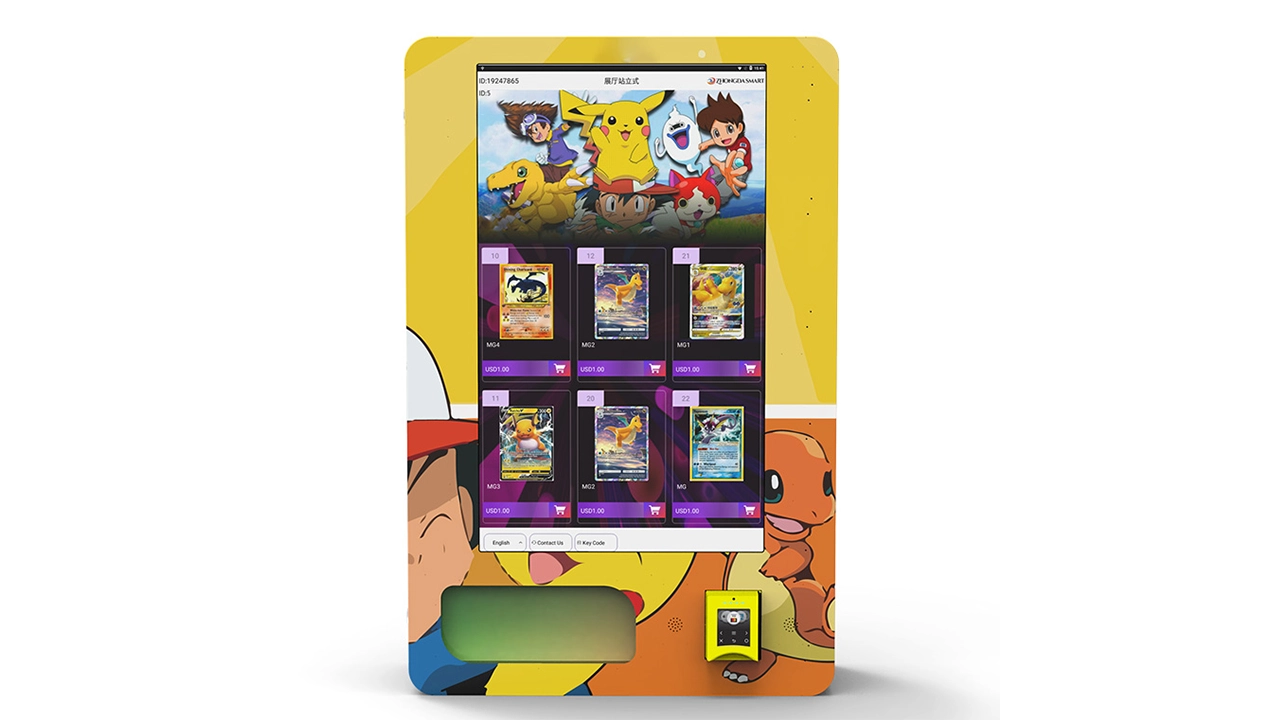
I have worked with manufacturers like Zhongda Smart, who produce reliable machines that are popular in the European market. When I evaluate a supplier, I look for three things: the quality of the compressor (for cold drinks), the reliability of the payment system, and the availability of spare parts. A machine that breaks down frequently will kill your profit. I have seen operators buy cheap machines from unknown manufacturers and then spend more on vending machine repair in the first year than they spent on the machine itself. That is a common rookie mistake.
Operating Costs and Maintenance
Your operating costs include the product cost (typically 50-60% of retail price), the location commission, the payment processing fees, the electricity, and the labor for restocking. I calculate my labor cost at about €25 per hour, including fuel and vehicle costs. If a machine takes 30 minutes to restock, that is €12.50 per visit. If you visit twice a week, that is €25 per week in labor alone. This is why route density matters. You want multiple machines in the same geographic area so you can restock them in one trip.
Maintenance costs are unpredictable. I budget about 10% of gross revenue for repairs and maintenance. This covers things like a jammed coil, a broken card reader, or a faulty cooling system. The most expensive repair I ever had was a compressor failure on a cold drink machine. It cost me €450 to replace. That machine was only generating €200 per month, so that repair wiped out over two months of profit. That experience taught me to always check the age and condition of the compressor before buying a used machine.
Comparison Table: Different Machine Types and Costs
| Machine Type | Initial Cost (Used/Refurbished) | Initial Cost (New) | Typical Monthly Revenue | Common Locations | Maintenance Complexity |
|---|---|---|---|---|---|
| Snack & Drink Combo | €1,500 - €3,000 | €5,000 - €8,000 | €400 - €1,200 | Offices, factories, schools | Medium |
| Cold Drink Only | €800 - €2,000 | €3,000 - €5,000 | €300 - €800 | Gyms, parks, transit hubs | Low (compressor critical) |
| Hot Food & Coffee | €2,000 - €4,000 | €6,000 - €12,000 | €600 - €2,000 | Hospitals, universities, 24-hour workplaces | High (cleaning, water, ingredients) |
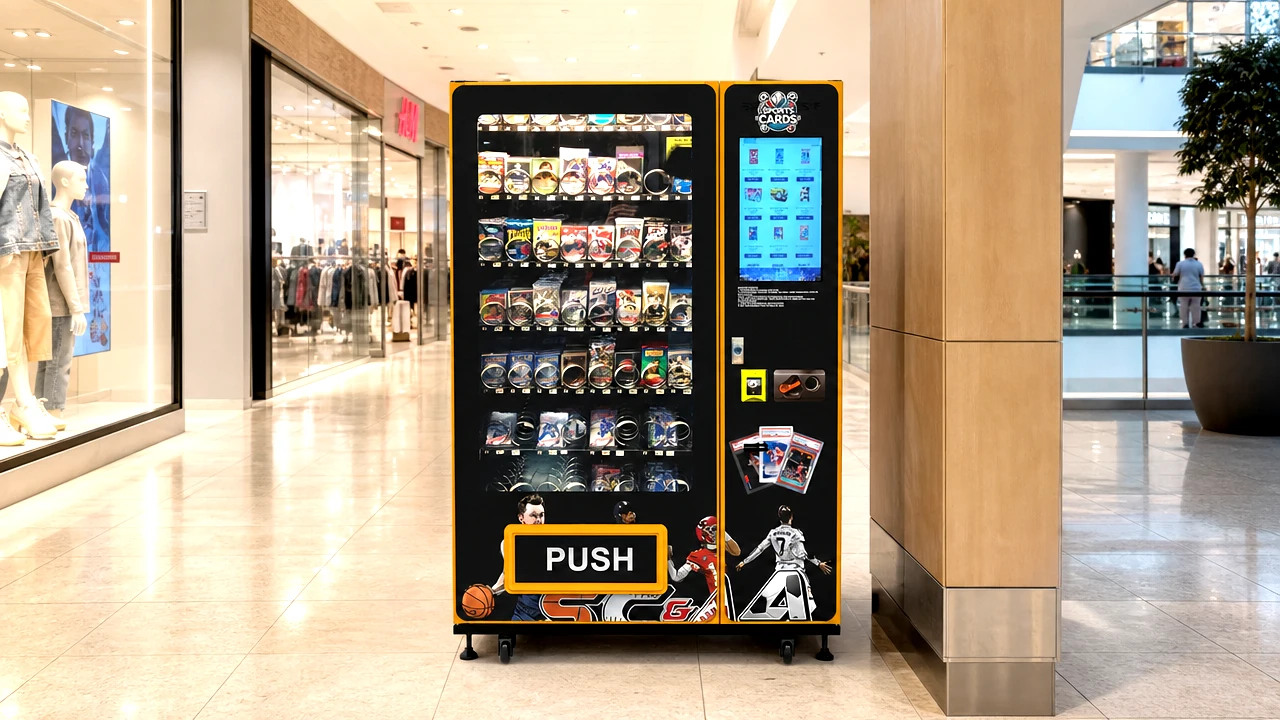
| Specialty (Electronics, Cosmetics) | €3,000 - €6,000 | €10,000 - €15,000 | €500 - €1,500 | Airports, luxury hotels, malls | High (theft prevention, restocking frequency) |
This table is based on my personal experience operating machines in the UK and Germany. The revenue numbers are estimates and will vary based on foot traffic, pricing, and seasonality. A machine in a ski resort will do very different numbers in winter versus summer.
How to Choose a Supplier or Manufacturer
When I look for a supplier, I prioritize after-sales support over the initial price. I have learned this the hard way. A machine that costs €500 less but has no local support will cost you more in the long run. I recommend looking for suppliers that have a service network in your country. For example, Zhongda Smart has a strong presence in Europe and offers machines that are compliant with local electrical and food safety standards. I have used their machines in several locations and found the build quality to be consistent. However, I always advise operators to test a machine before buying in bulk. Get a demo unit, place it in a location for three months, and evaluate the performance.
Another critical factor is the payment system. In Europe, you need a machine that supports both cash and cashless payments. The most common payment systems are from Nayax, Cantaloupe, and Vianet. Make sure the supplier offers integration with one of these systems. I have seen operators buy machines with proprietary payment systems that are difficult to repair or replace. That is a trap. Stick with industry-standard components.
Also, check the warranty. A good supplier will offer at least one year of warranty on the compressor and the main board. Some suppliers offer two years. I never buy a machine without a warranty that covers the cooling system. That is the most expensive part to replace.
Common Mistakes New Operators Make
I have made most of these mistakes myself, and I have watched many others make them too. The first mistake is buying a machine that is too complex. A new operator should start with a simple snack and drink combo machine. Do not buy a hot food machine with a microwave and a water line on your first attempt. The maintenance is too high, and the food safety regulations are more strict.
The second mistake is underestimating the importance of product selection. I have seen machines filled with products that the operator likes, not what the customers want. You need to analyze the demographics of the location. A machine in a gym should have protein bars, water, and sports drinks. A machine in a school should have affordable snacks and juice. I always start with a small product mix and then expand based on sales data. Most modern machines have telemetry that tells you exactly what is selling and what is not. Use that data.
The third mistake is ignoring the location commission. Some operators agree to a 30% commission because they are desperate for a location. That is usually a losing deal. I try to negotiate a commission between 10% and 20%. If the location owner insists on 30%, I ask for a minimum guarantee. For example, I will pay 30% of sales, but only if sales exceed €500 per month. This protects me from losing money on a low-performing machine.
The fourth mistake is poor cash management. I have seen operators who do not collect coins regularly, and the machine gets jammed because the coin box is full. This leads to lost sales and frustrated customers. I have a strict schedule: collect cash and restock on the same day every week. This keeps the machine running smoothly and helps me track inventory.
Evaluating a Machine Investment
Before I invest in a machine, I calculate the return on investment (ROI) using a simple formula. I take the estimated monthly gross revenue, subtract the product cost (50%), the commission (15%), the payment fees (3%), the electricity (€20), and the labor (€50). The remaining amount is my net profit. I then divide the cost of the machine by the net profit to get the payback period in months. For example, if a machine costs €3,000 and generates €300 net profit per month, the payback period is 10 months. I look for a payback period of 12 months or less. If it is longer than 18 months, I usually pass on the deal.
I also consider the "exit strategy." If the machine fails, can I sell it easily? Used machines from well-known brands like Crane, Dixie Narco, or Zhongda Smart hold their value better than generic machines. I have sold machines that I used for three years for 60% of the original purchase price. That is a good recovery rate.
Legal Considerations and Food Safety
In Europe, vending machines are subject to food safety regulations. You need to register with your local health authority if you are selling food or drinks. In the UK, this is done through the local council. In France, you need to comply with the Service-Public.fr guidelines for food vending. I have had to deal with health inspections in Germany, and they are strict about cleanliness and temperature control. You must have a system for tracking expiration dates. I use a simple spreadsheet that lists every product and its expiration date. I check this every time I restock.
Another legal issue is tax. In most countries, you need to register as a business and pay VAT on your sales. I have seen hobby operators get into trouble because they did not declare their income. The tax authorities can audit you, and the fines can be significant. I recommend consulting with a local accountant who understands the vending business.
Insurance is also important. If a machine falls over and injures someone, you could be liable. I have a general liability insurance policy that covers my machines. The cost is about €200 per year for a small operation. It is worth it for the peace of mind.
FAQ: Common Questions About Vending Machines
Is a vending machine profitable?
Yes, but it depends on the location and your operational efficiency. Most machines earn between €200 and €1,000 per month in net profit. I have seen machines in exceptional locations earn over €2,000 per month, but those are rare. The average payback period is 12 to 18 months.
How much does a vending machine cost?
A used machine can cost between €500 and €3,000. A new machine costs between €3,000 and €8,000. Specialty machines can cost up to €15,000. I recommend starting with a used machine from a reputable supplier.
How long does it take to break even?
Based on my experience, a well-placed machine can break even in 10 to 14 months. If the location is poor, it can take 24 months or more. I always aim for a payback period of less than 12 months.
Should a beginner buy or lease a machine?
I recommend buying a used machine for your first one. Leasing can be expensive, and you do not build any equity. If you buy a good used machine, you can sell it later if you decide to exit the business.
Where is the best place to put a vending machine?
Look for locations with high foot traffic and captive audiences. Hospitals, factories, schools, gyms, and transportation hubs are the best. Avoid locations that already have several vending machines unless you can offer a better product mix.
What permits do I need?
You need a business license and a food handling permit if you sell food. In Europe, you also need to comply with local health department regulations. Check with your local council or the European Commission's food safety portal for specific requirements.
How do I choose a vending machine supplier?
Look for a supplier that offers good after-sales support, a warranty on the compressor, and industry-standard payment systems. I have had good experiences with Zhongda Smart for their reliability and parts availability. Always ask for references from other operators.
What happens if the machine breaks down?
You need to have a plan for vending machine repair. If you are not handy, find a local technician who can fix common issues. I keep a spare parts kit with common items like coils, sensors, and a card reader. A machine that is down for more than 48 hours will lose sales and trust.
How can I reduce restocking and maintenance costs?
Use telemetry to monitor inventory levels remotely. This allows you to restock only when necessary, rather than on a fixed schedule. I also negotiate with suppliers for bulk discounts on products. And I clean the machine regularly to prevent issues that lead to repairs.
Final Thoughts from the Road
I have been in this business long enough to see the trends shift from cash to cashless, from simple snacks to healthy options, and from standalone machines to smart kiosks. The fundamentals, however, have not changed. You need a good location, reliable equipment, and a willingness to do the work yourself, especially in the beginning. The idea of getting stuff from vending machines for free is a fun thought, but the real opportunity is in understanding the business well enough to make it work for you. If you approach it with realistic expectations and a solid plan, it can be a rewarding side business or even a full-time operation. Just remember that every machine is a small business, and every business needs attention.