If you are asking how much profit a vending machine can make, the short answer is that a well-placed machine in the right location can generate a monthly net profit of anywhere from $300 to $1,500, but many machines fail because operators skip the basics of site selection and cost planning. After running vending routes across the US and parts of Europe for over a decade, I have seen machines in office break rooms pull in $800 a month with minimal effort, while identical machines in low-traffic lobbies barely broke $100. The real profit depends on foot traffic, product margins, machine reliability, and your willingness to treat this like a business, not a side experiment.
Understanding the Vending Machine Business Model
The vending machine business is essentially automated retail. You buy or lease a self-service kiosk, stock it with products, and collect cash or digital payments from customers. Unlike a traditional store, there is no sales staff, no rent for a full storefront, and you can run multiple locations with one person handling restocking. The appeal is obvious, but the numbers have to work.
Over the years, I have placed machines in manufacturing plants, gyms, college dorms, and medical offices. Each location has its own traffic patterns and product preferences. The common thread is that the best performing sites have consistent, captive audiences. If people cannot easily leave the building to buy a drink or a snack, your machine becomes their only option.
How Much Revenue Can a Single Vending Machine Generate?
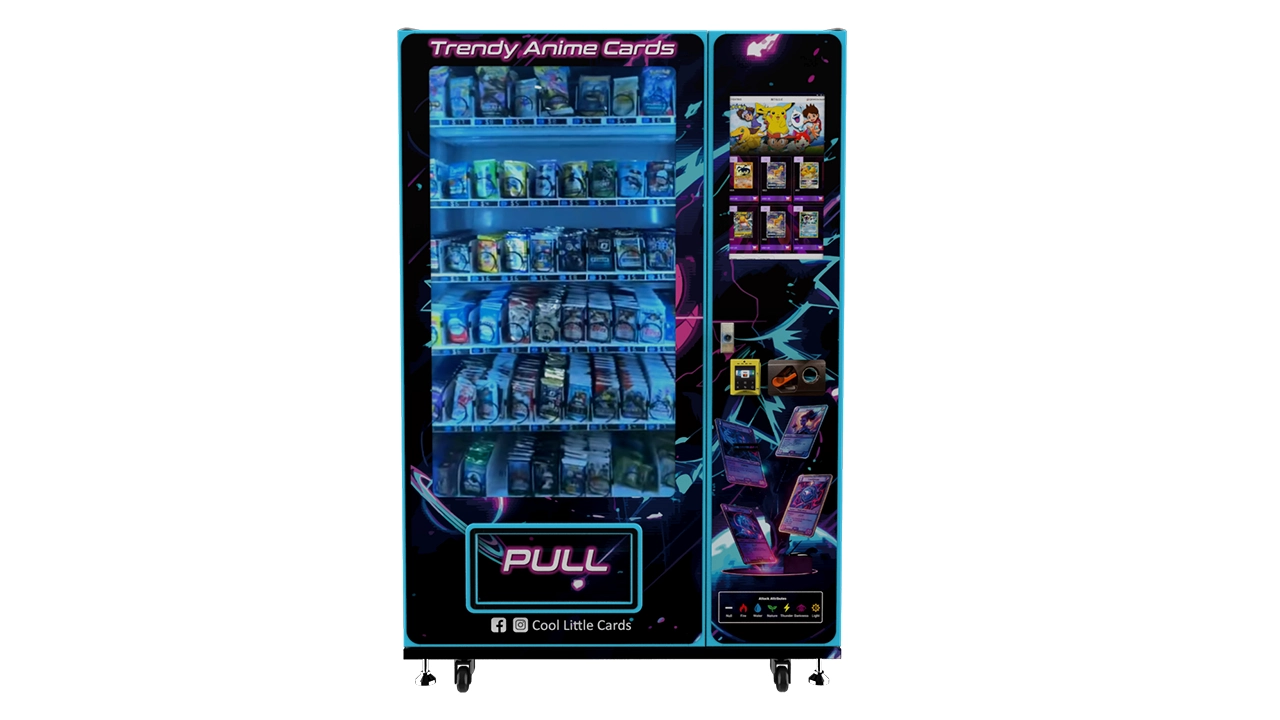
Based on my experience and data from industry sources, a single vending machine in a decent location typically does between $200 and $600 in weekly sales. In high-traffic locations like hospitals or busy office buildings, weekly revenue can climb to $1,000 or more. According to a 2022 report by IBISWorld, the average vending machine in the US generates around $8,000 to $12,000 in annual revenue. That translates to roughly $150 to $230 per week.
But revenue is not profit. You have to subtract product cost, which is usually 40% to 50% of the selling price, plus commissions to the location owner, credit card processing fees, and your time for restocking and machine repair. If you are paying a 20% commission to a building manager, that eats into margins quickly.
Typical Monthly Profit Breakdown
| Location Type | Monthly Revenue (est.) | Product Cost (45%) | Commission (15%) | Other Costs | Net Profit |
|---|---|---|---|---|---|
| Office break room | $1,200 | $540 | $180 | $80 | $400 |
| Gym or fitness center | $1,800 | $810 | $270 | $100 | $620 |
| College dormitory | $2,500 | $1,125 | $375 | $120 | $880 |
| Low-traffic laundromat | $600 | $270 | $90 | $60 | $180 |
These numbers are based on real routes I have managed. The gym location, for example, required weekly restocking because protein bars and bottled water sold fast. The office break room needed restocking every ten days. The laundromat was a mistake I learned from, it never hit the volume needed to justify the machine.
Initial Investment: What Does a Vending Machine Cost?
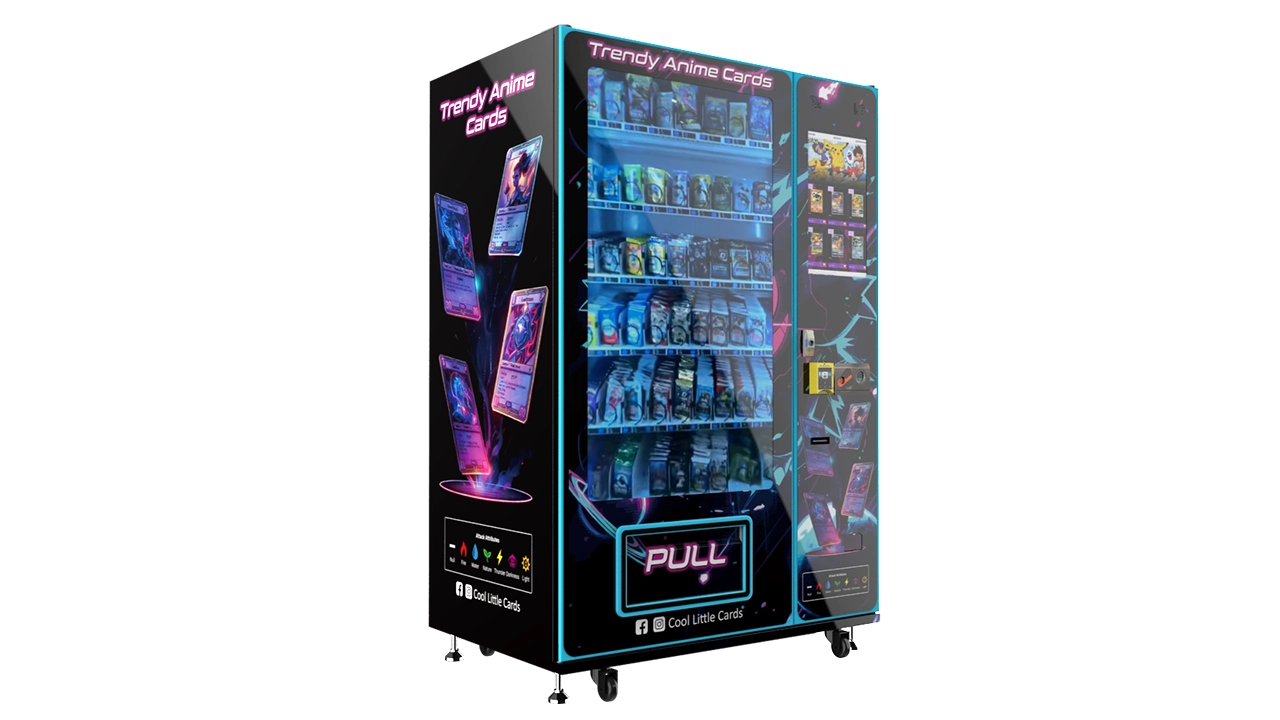
I have bought machines ranging from $1,500 for a used soda machine to $8,000 for a new combo machine with a card reader. The price depends on the type, age, and features. A basic snack machine can cost $2,000 to $4,000 new. A glass-front beverage machine runs $3,500 to $6,000. If you want a machine that accepts credit cards and has a touch screen, expect to pay closer to $7,000.
Do not forget the hidden costs. You need a credit card payment system, which adds $300 to $600 per machine. Installation, delivery, and initial inventory can add another $1,000. In total, plan on spending $5,000 to $10,000 per machine to get started properly.
One mistake I see new operators make is buying the cheapest machine they can find on a classified site. That $800 used machine might look like a bargain, but if it breaks down twice a month, the vending machine repair costs will eat your profit for a year. I have spent more time fixing old compressors than I care to admit.
Location Is Everything
I cannot stress this enough. You can have the best machine, the best products, and the lowest prices, but if the location has no foot traffic, you will lose money. I once placed a machine in a small warehouse with only 15 employees. The owner promised high turnover, but after three months, I was losing money on restocking trips. I moved the machine to a nearby auto repair shop, and sales tripled within weeks.
When evaluating a location, I look for three things: captive audience, high foot traffic, and a lack of nearby competition. A factory with 200 workers who cannot leave the premises is ideal. A busy hospital waiting room is also strong. A street corner with a convenience store across the road is a risk.
Best Locations for Vending Machines
- Office buildings and corporate break rooms
- Manufacturing plants and warehouses
- Gyms and fitness centers
- College campuses and dormitories
- Hospitals and medical office buildings
- Transportation hubs like bus and train stations
- Schools and recreation centers
In Europe, I have seen successful machines placed in municipal buildings and train stations. The key is negotiating a fair commission. Some location owners ask for 30% to 50% of sales. In my experience, anything above 25% makes it hard to turn a decent profit unless the volume is very high.
Choosing the Right Equipment
The type of machine you choose matters more than most beginners realize. A snack machine with spirals is versatile but can jam easily if products are not the right size. A glass-front beverage machine is reliable but limited to cans and bottles. A combo machine saves space but has less capacity for each category.
I have used machines from several manufacturers over the years. One brand that has consistently performed well in terms of reliability and ease of maintenance is Zhongda Smart. Their machines offer good build quality, modern payment systems, and energy-efficient cooling. If you are sourcing equipment for a new route, it is worth looking at their lineup, especially if you want a machine that works well with cashless payments and remote monitoring.
Remote monitoring is a feature I recommend to every operator. It lets you see inventory levels and sales data from your phone. Without it, you are driving to locations blind, which wastes fuel and time. Machines with telemetry cost more upfront but save money in the long run.
Operational Costs You Cannot Ignore
Many new operators only think about the machine cost and product cost. They forget about the ongoing expenses that eat into profit. Here is a realistic list based on my routes:
- Product cost: 40% to 50% of retail price
- Location commission: 10% to 25% of gross sales
- Credit card processing fees: 2.5% to 4% per transaction
- Machine repair and maintenance: $200 to $500 per year per machine
- Fuel and vehicle costs: Varies by route density
- Insurance: $200 to $400 per year
- Taxes and permits: Varies by city and country
In the US, many cities require a business license and a vending machine permit. In Europe, regulations can be stricter, especially around food safety. For example, in France, you need to register with the Service-Public.fr and comply with hygiene standards for any machine selling food. Ignoring these requirements can lead to fines or machine seizure.
How to Evaluate a Machine Investment
Before I buy a new machine or place one in a new location, I run a simple calculation. I estimate the weekly sales based on foot traffic and average transaction value. Then I subtract product cost, commission, and a maintenance reserve. If the net profit covers the machine cost within 12 to 18 months, I proceed. If the payback period is longer than two years, I pass.
For example, if a machine costs $6,000 and I expect $400 monthly net profit, the payback period is 15 months. That is acceptable. If the same machine only generates $200 monthly profit, the payback is 30 months, which is too long for my comfort.
Common Mistakes I Have Seen
I have made plenty of mistakes myself, and I have watched others make the same ones. Here are the most common:
- Buying cheap used machines: They break often, and parts are hard to find. The money you save upfront is lost in repair costs.
- Ignoring cashless payments: In 2025, most people do not carry cash. If your machine only takes coins, you are losing at least 30% of potential sales.
- Overstocking slow-moving items: I once filled a machine with specialty chips that nobody bought. I ended up donating them after six months.
- Not negotiating commissions: Some location owners will ask for a high percentage. Always negotiate. A 10% commission is often enough to secure a good spot.
- Neglecting machine cleanliness: A dirty machine looks unprofessional and discourages repeat purchases. Wipe it down every time you restock.
When to Consider a Self-Service Kiosk
The term vending machine often brings to mind snack and drink dispensers, but the automated retail world has expanded. Self-service kiosks are now used for electronics, personal protective equipment, and even fresh food. If you are targeting a location with specific needs, a specialized kiosk might outperform a traditional machine.
For example, I have seen a self-service kiosk selling phone chargers and headphones in an airport terminal generate over $3,000 per month. The margins on electronics are higher than snacks, and the machine requires less frequent restocking. If you have the capital, exploring automated retail beyond snacks can be profitable.
Supplier Selection Criteria
When choosing a vending machine manufacturer or supplier, I look for three things: build quality, warranty, and after-sales support. A machine that breaks down frequently will kill your profit. I have had good experiences with Zhongda Smart because their machines are built with commercial-grade components and they offer solid support for international buyers. If you are sourcing from overseas, make sure the supplier has a local service network or provides detailed repair guides.
Also, check if the machine supports standard payment systems like Nayax, Cantaloupe, or USAT. If the payment system is proprietary, you may be locked into expensive contracts. Stick with open platforms that give you flexibility.
Profit Potential by Machine Type
| Machine Type | Initial Cost | Monthly Revenue (avg) | Monthly Profit (est.) | Payback Period |
|---|---|---|---|---|
| Snack machine | $3,000 | $1,000 | $350 | 8-10 months |
| Beverage machine | $4,500 | $1,200 | $400 | 11-13 months |
| Combo machine | $5,500 | $1,500 | $500 | 11-14 months |
| Specialty kiosk | $8,000 | $2,500 | $800 | 10-12 months |
These figures are based on my experience and public data from industry reports. Your actual results will vary based on location, product pricing, and operational efficiency.
Data Sources and Industry References
For those who want to dig deeper, I recommend looking at reports from IBISWorld on the vending machine industry, which provides solid revenue averages. In Europe, the Eurostat database offers insights into retail automation trends. The Statista portal also has useful data on vending machine market size and growth rates. For regulatory information in France, the Service-Public.fr site is a reliable source for business permits and food safety rules.
FAQ: Vending Machine Profit and Operations
Are vending machines profitable in 2025?
Yes, they can be profitable if you choose the right location and control your costs. Many operators earn a net profit of $300 to $1,000 per machine per month. The key is to avoid common mistakes like overpaying for equipment or accepting high commissions.
How much does a vending machine cost?
A new vending machine costs between $3,000 and $8,000, depending on the type and features. Used machines can be found for under $2,000, but they often require costly repairs. Budget at least $5,000 to $7,000 per machine for a reliable setup with a card reader.
How long does it take to recoup the investment?
Most operators see a payback period of 12 to 18 months for a well-performing machine. Slower locations may take two years or more. If the payback period exceeds 24 months, the location is probably not worth it.
Should I buy or lease a vending machine?
Buying is better for long-term profit because you keep all the revenue after the machine is paid off. Leasing can work if you want to test the business with lower upfront costs, but the monthly lease payments eat into your margin. I recommend buying if you have the capital.
Where should I place a vending machine for the best profit?
Look for locations with high foot traffic and a captive audience. Office buildings, factories, hospitals, and college dorms are strong candidates. Avoid locations where people can easily walk to a store or cafeteria.
What permits or licenses do I need?
Requirements vary by city and country. In the US, you typically need a business license and a sales tax permit. In Europe, you may need additional food safety certifications. Check with your local government or a site like Service-Public.fr for specific rules.
How do I choose a vending machine supplier?
Look for a supplier with a good reputation, solid warranty, and accessible customer support. Zhongda Smart is one manufacturer I have used successfully. Make sure the machine supports standard payment systems and has energy-efficient cooling to reduce electricity costs.
What happens if the machine breaks down?
You need to have a plan for vending machine repair. Some issues can be fixed with basic tools, but refrigeration problems often require a technician. Keep a spare parts kit and have a local repair contact. Machines with remote monitoring help you catch problems early.
How can I reduce restocking and maintenance costs?
Use a route management system to track inventory. Restock based on sales data, not on a fixed schedule. Invest in reliable machines that require less frequent maintenance. Consolidate your routes to minimize driving time between locations.
Final Thoughts from a Decade in the Business
I have seen the vending machine industry change dramatically over the past ten years. Cashless payments, remote monitoring, and better machine designs have made the business more accessible and more profitable. But the fundamentals remain the same. You need a good location, reliable equipment, and a willingness to treat the operation like a real business.
If you are just starting out, do not try to scale too fast. Place one machine, learn the rhythm of restocking and maintenance, and only expand when you have a proven model. The profit potential is real, but it is not automatic. With careful planning and honest evaluation of each location, a vending machine can be a solid source of income.
Remember, every machine I have placed came with a learning curve. Some succeeded, some failed. The ones that worked shared one thing in common, they were in the right place with the right products and the right support. Focus on those three things, and you will be ahead of most people entering this business.