If you have ever walked past a vending machine and wondered whether you could run one yourself, you are not alone. Over the past decade, I have placed hundreds of machines across the United States and Europe, and I can tell you this: starting a vending machine business is one of the most accessible ways to enter automated retail, but it is not a get-rich-quick scheme. The real question is not whether you can do it, but whether you understand the math behind each location, the repair costs that hit when you least expect them, and the difference between a machine that earns and one that just sits there collecting dust. Let me show you how to start your own vending machine business the right way, based on real locations, real machines, and real mistakes I have made along the way.
What a Vending Machine Business Actually Looks Like
Most people imagine a snack machine in a break room and assume it prints money. The reality is more detailed. A vending machine business is essentially a micro-retail operation. You buy or lease a self-service kiosk, stock it with products people want, place it in a high-traffic location, and collect the cash—or card payments—on a regular cycle. But the difference between a profitable route and a money pit often comes down to three things: location quality, product mix, and how often you service the machine.
In my early years, I placed a machine in a small office building with about 40 employees. It did about $120 a month. I pulled it after six months. Meanwhile, a machine I placed in a 24-hour laundromat did over $800 a month consistently. Same machine, same products, completely different outcome. That is the kind of real-world variance you need to understand before you invest.
Is a Vending Machine Business Profitable? Let Me Give You the Numbers
Profitability depends on your cost per machine, the commission you pay to the location owner, the price of your products, and how often you restock. Based on my own operation and data from the industry, here is a realistic breakdown.
According to IBISWorld, the vending machine industry in the US alone generates over $7 billion annually, with an average profit margin of around 15 to 20 percent for small operators. That margin can go higher if you own your machines outright and negotiate low commissions. I have seen operators hit 35 percent margins in high-traffic locations with no commission, but those are rare.
Let me give you a concrete example from my own route. I run a snack and drink combo machine in a warehouse with 120 workers. The machine does about $1,200 per month. My cost of goods sold is roughly 45 percent, so my gross profit is about $660. I pay a 10 percent commission to the location owner, which is $120. That leaves me $540 per month before expenses like machine repair, fuel, and credit card fees. After those, I am left with around $400 per month from that single machine. The machine cost me $4,200 new, so my payback period is about 10 to 11 months. That is a solid return, but it took me three tries to find a location that worked that well.
How Much Does a Vending Machine Cost? The Real Price Tag
You can find used machines on Craigslist for $500, but I would not recommend that route for a beginner. Those machines often have outdated payment systems, require frequent vending machine repair, and may not be compliant with current food safety regulations. A new, reliable machine from a reputable supplier like Zhongda Smart will cost you between $2,800 and $6,500 depending on the configuration. A basic snack machine with a card reader and a telemetry system is around $3,500. A combo machine that handles both snacks and cold drinks runs closer to $5,500. If you want a glass-front machine for premium products, expect to pay more.
I have also seen operators go with refurbished machines from local vendors. Those can run $1,500 to $2,500, but you need to check the compressor, the coin mechanism, and the card reader carefully. I once bought a refurbished machine that looked fine but had a failing refrigeration unit. That repair cost me $700 within three months. So cheap upfront does not always mean cheap overall.
Key Costs You Cannot Ignore
Beyond the machine itself, you have ongoing expenses. Here is a list based on my actual operating data:
- Cost of goods sold: Typically 40 to 50 percent of your retail price. Snacks have higher margins than drinks.
- Location commission: 5 to 20 percent of gross sales. Some locations charge a flat monthly fee instead.
- Credit card processing fees: 2.5 to 4 percent per transaction. Most machines today take cards, so this is unavoidable.
- Telemetry system: $15 to $30 per month per machine. It tells you exactly what is selling and when you need to restock.
- Fuel and vehicle costs: Depends on your route density. I spend about $50 per month per machine on average.
- Vending machine repair and maintenance: Budget $200 to $400 per machine per year. Some years it is lower, some years a jammed mechanism or a dead screen hits you.
- Insurance: About $300 to $500 per year for a small operation. Liability insurance protects you if someone gets sick from a product or the machine tips over.
How to Choose a Vending Machine Supplier: What I Look For
I have bought machines from five different suppliers over the years. Some were great, some were a headache. When I evaluate a manufacturer, I look for three things: parts availability, warranty support, and payment system compatibility. Zhongda Smart, for example, offers machines with built-in card readers and telemetry, which saves you the trouble of retrofitting later. I also like that they provide spare parts directly, because nothing kills your revenue faster than a machine that is down for three weeks waiting on a part.
I recommend asking any supplier these specific questions: How long is the warranty? Do you have a service center in my region? Can I buy spare parts online? Is the payment system compatible with major vending management software? If the supplier hesitates on any of these, move on. A cheap machine with no support is not a bargain.
Where to Place Your Vending Machine: The Decision That Makes or Breaks You
Location is everything. I have seen a $6,000 machine in a low-traffic office park earn $80 a month, and a $3,000 machine in a busy auto repair shop earn $900. You cannot fix a bad location with better products or lower prices. The foot traffic and the demographic have to match the machine.
Here are the locations that have worked best for me over the past decade:
- Warehouses and distribution centers: High employee density, long shifts, and limited break time. These locations consistently perform well.
- Auto repair shops and tire centers: Customers wait 30 to 90 minutes. They buy drinks and snacks almost automatically.
- Laundromats: Captive audience with time to kill. Drinks and snacks sell well, especially in the evenings.
- Small manufacturing plants: If there is no cafeteria, a vending machine becomes the default lunch option.
- Colleges and universities: High foot traffic, but you often need to bid for the contract and pay a higher commission.
- Hospital waiting rooms: Good traffic, but you need to be careful with product expiration dates and cleanliness.
Locations I avoid: small offices with fewer than 30 people, retail stores with their own snack section, and any location where the owner wants more than 20 percent commission unless the traffic is extremely high.
How to Evaluate a Potential Location
I never place a machine without doing a simple foot traffic count. I stand near the proposed spot for one hour during the busiest time of day. I count how many people walk past. If it is fewer than 50 per hour, I move on. I also ask the location owner how many employees work there, what their shifts are, and whether there is a cafeteria or nearby convenience store. If there is already a vending machine, I ask to see its sales history. Most owners will share that information if they want a machine.
One mistake I made early on was placing a machine in a location that looked busy but had no buying intent. A bus stop with 200 people passing through sounds great, but those people are waiting for a bus, not buying a $2 bag of chips. They do not have time or change. Always match the location to the product.
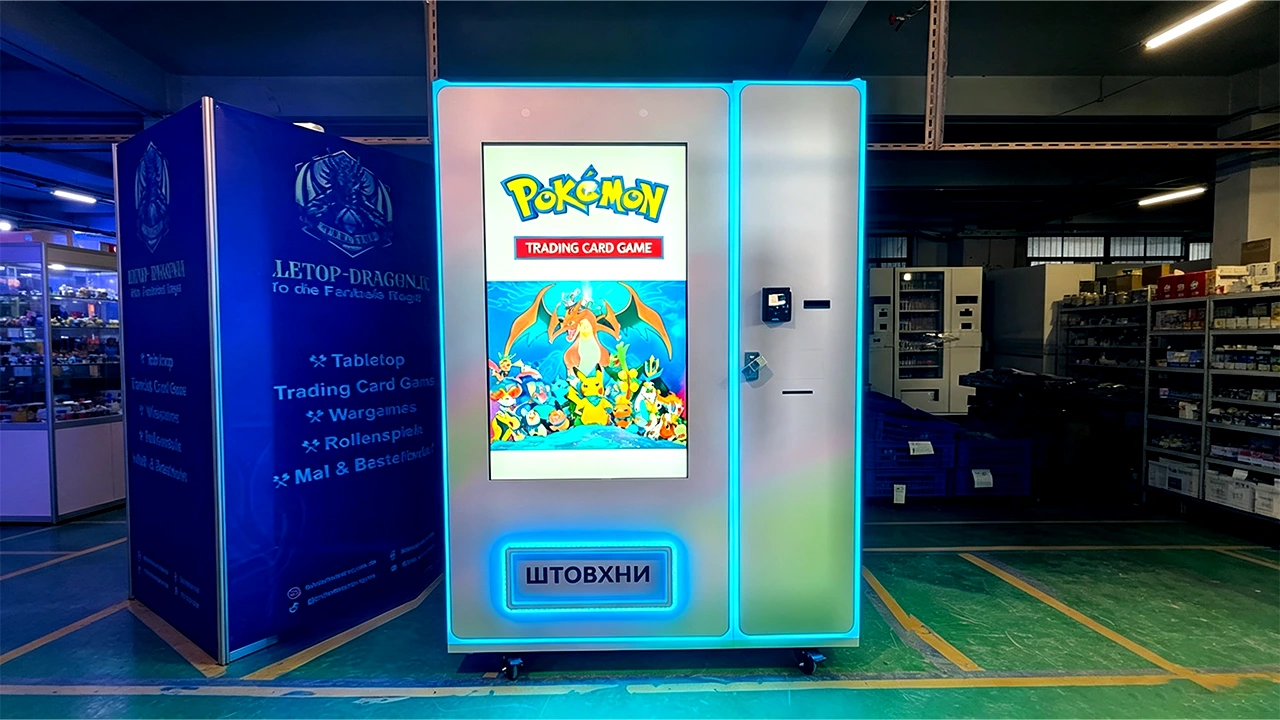
Machine Types and What They Cost: A Comparison Table
Here is a table based on my experience and current market prices. These are estimates and can vary by region and supplier.
| Machine Type | New Price Range | Monthly Revenue Range | Typical Margin | Common Locations |
|---|---|---|---|---|
| Snack-only (glass front) | $2,800 – $4,500 | $300 – $1,200 | 40–50% | Offices, break rooms, schools |
| Combo snack & drink | $4,500 – $6,500 | $600 – $1,800 | 35–45% | Warehouses, laundromats, auto shops |
| Cold drink only (can/bottle) | $3,000 – $5,000 | $400 – $1,500 | 30–40% | Gyms, parks, transit hubs |
| Frozen food / ice cream | $5,000 – $8,000 | $500 – $2,000 | 35–45% | Schools, hospitals, tourist areas |
| Self-service kiosk (non-food) | $3,500 – $7,000 | $200 – $1,000 | 50–70% | Hotels, malls, event spaces |
Payment Systems: Why You Need a Card Reader from Day One
I cannot stress this enough. If your machine only takes cash, you are leaving 60 to 70 percent of potential sales on the table. According to a 2023 report from Statista, over 80 percent of consumer transactions in the US are cashless. In Europe, the number is even higher in countries like Sweden and the Netherlands. I switched all my machines to card readers in 2018, and my average transaction value went up by 30 percent. People buy more when they can tap their phone or swipe a card.
Most new machines come with a built-in payment system that accepts credit cards, debit cards, Apple Pay, and Google Pay. If you buy a used machine without one, you can retrofit it with a Nayax or Cantaloupe system, but that adds $400 to $600 to your cost. Just buy a machine that already has it.
Common Mistakes I See New Operators Make
I have been doing this long enough to recognize the patterns. Here are the most common mistakes, and I have made most of them myself.
Buying too many machines too fast. I started with one machine, learned the routine, then bought a second. A friend of mine bought ten machines at once and spent the next year dealing with breakdowns, bad locations, and cash flow problems. Start small.
Ignoring the telemetry data. Modern machines send you real-time sales data. If you do not look at it, you are guessing. I check my telemetry system every morning. It tells me which products are selling, which are sitting, and when I need to restock. Without it, you will either overstock or run out of bestsellers.
Underestimating the importance of cleanliness. A dirty machine looks abandoned. I clean every machine every time I restock. It takes five minutes, but it keeps the location owner happy and the customers buying.
Setting prices too low. You are not a charity. Price your products to cover your costs and give you a 40 to 50 percent margin. If a bag of chips costs you $0.80, sell it for $1.50 or $1.75. People expect vending machine prices to be higher than grocery store prices.
Not having a backup plan for machine repair. Machines break. It is not a matter of if, but when. I keep a spare coin mechanism, a spare card reader, and a small toolkit in my car. I also have a relationship with a local repair technician for anything I cannot fix myself.
How to Avoid Costly Vending Machine Repair Issues
Preventive maintenance is cheaper than emergency repair. I check the following on every visit: the compressor fan (if it is a drink machine), the coin jam area, the product spirals, and the door seal. A loose door seal can cause temperature fluctuations that ruin your inventory. I also clean the card reader sensor with a dry cloth. A dirty sensor causes transaction failures, which means lost sales.
If you are not comfortable with basic mechanical work, find a reliable vending machine repair technician in your area before you need one. Ask other operators for recommendations. A good technician can save you days of downtime.
Real-World Data: What the Industry Looks Like
According to a 2022 report from the National Automatic Merchandising Association (NAMA), the average vending machine in the US generates about $75 to $100 per week in sales. That is $3,900 to $5,200 per year. But that average includes machines in bad locations. My better machines do $200 to $300 per week. The difference is location and product selection.
In Europe, the market is slightly different. A 2023 study from the European Vending Association (EVA) showed that the average machine in Western Europe does about €80 to €120 per week, with higher margins on coffee and hot drinks. Coffee vending machines are particularly strong in Germany, France, and the UK.
I also want to point out that the vending machine industry has grown steadily over the past decade. IBISWorld projects a 2.5 percent annual growth rate for the US market through 2028. That is not explosive, but it is stable. The shift toward cashless payments and healthier snack options is driving much of that growth.
Should You Buy or Lease a Machine?
I prefer buying. Leasing sounds attractive because it lowers your upfront cost, but the monthly payments eat into your margin. A typical lease for a $4,500 machine runs $100 to $150 per month for 36 to 48 months. That is $3,600 to $7,200 total, which is often more than the machine is worth. If you can afford to buy, do it. If you cannot, save up for a few months and then buy. Leasing only makes sense if you are testing the business model and want to minimize risk, but even then, I would rather buy a used machine for $1,500 than lease a new one.
How to Scale Your Vending Machine Business
Once you have three to five machines running smoothly, you can start scaling. The key is route efficiency. If your machines are spread across a 50-mile radius, you will spend all your time driving. I try to keep my machines within a 15-mile radius. That way I can service them all in one day.
I also recommend standardizing on one or two machine models. That way you only need to stock one type of spare part and you can swap components between machines. When I used three different brands, I had to carry three different types of coin mechanisms. That was inefficient and expensive.
Another scaling tip: negotiate better commission terms as you grow. Location owners are more willing to accept a 10 percent commission when they see you have a professional operation with clean machines and reliable service. I have even negotiated zero commission in a few locations by offering a free machine and free service for the first year.
Food Safety and Compliance: What You Need to Know
In the US, the FDA regulates vending machines that sell food and beverages. You need to follow the same food safety guidelines as a grocery store, including proper temperature control, allergen labeling, and expiration date monitoring. Some states also require a vending machine permit. In Europe, the regulations vary by country, but the EU Food Information to Consumers regulation applies to all pre-packaged food sold through vending machines.
I keep a log of every product I place in each machine, including the lot number and expiration date. It takes five minutes per restock, but it protects me if there is a recall or a customer complaint. I have never had a serious issue, but being prepared is part of running a professional operation.
FAQ: Answers to the Most Common Questions
Do vending machines actually make money?
Yes, but it depends on location and execution. A well-placed machine can earn $400 to $800 per month in profit. A poorly placed machine will lose money. The average machine in my fleet earns about $350 per month after all expenses.
How much does a vending machine cost?
A new machine from a reliable supplier like Zhongda Smart costs between $2,800 and $6,500. Used machines can be found for $1,000 to $2,500, but they may need repairs. Always factor in the cost of a card reader and telemetry system.
How long does it take to pay off a vending machine?
In a good location, you can pay off a machine in 10 to 14 months. In an average location, it takes 18 to 24 months. I have seen machines take over three years to pay off in poor locations. That is why location selection is critical.
Should I buy a new or used machine?
If you are new, buy a new machine with a warranty. Used machines can be a good deal if you know what to look for, but the risk of unexpected vending machine repair costs is higher. I started with new machines and only added used ones after I had experience.
Where is the best place to put a vending machine?
High-traffic locations with captive audiences: warehouses, auto repair shops, laundromats, manufacturing plants, and hospitals. Avoid low-traffic offices and locations with existing vending competition unless you can offer better products or service.
Do I need a license or permit?
Yes, in most jurisdictions. In the US, you typically need a business license, a seller's permit, and a vending machine permit from the local health department. In Europe, requirements vary by country. Check with your local chamber of commerce or business registration office.
How do I choose a vending machine supplier?
Look for a supplier that offers a warranty, sells spare parts, and has a payment system that works with telemetry. I have had good experiences with Zhongda Smart because they offer machines that are ready to deploy with card readers and telemetry included. Always read reviews and ask for references.
What happens if my machine breaks?
You fix it or call a technician. Keep spare parts on hand and budget for repairs. Most breakdowns are minor, like a jammed product or a coin mechanism issue. Major repairs, like a compressor failure, cost $300 to $800. That is why you need an emergency fund.
How often do I need to restock?
It depends on sales volume. I restock my high-traffic machines once a week and my lower-traffic machines every two weeks. Telemetry data helps you optimize this. You do not want to show up too often and waste time, but you also do not want empty slots that lose sales.
Can I run this business part-time?
Yes. Many operators run 5 to 10 machines as a side business. It takes about 2 to 4 hours per week for restocking and maintenance. I started part-time and only went full-time after I had 15 machines on my route.
Final Thoughts from Someone Who Has Been There
Starting a vending machine business is not complicated, but it is not effortless either. The machines do not run themselves, and the money does not show up without work. But if you are willing to learn the basics of location evaluation, product selection, and basic machine repair, you can build a steady income stream that grows over time. I have seen too many people jump in, buy a cheap machine, place it in a bad spot, and quit after three months. Do not be that person. Do the research, start small, and treat every machine like a small business of its own. That approach has kept me in the game for over a decade, and it will work for you too.