If you are searching for used vending machines for sale Los Angeles, you are likely trying to figure out whether this is a smart entry point into automated retail or a potential money pit. I have spent over a decade placing, repairing, and sometimes pulling machines out of bad locations across the U.S., and I can tell you this: buying used equipment in a market like Los Angeles can work well if you know what you are looking at. But it can also drain your budget fast if you skip the basics. The key is understanding not just the price tag of the machine, but the total cost of getting it operational in a high-foot-traffic area. This guide walks through what I have learned from real deployments, failures, and slow turnarounds.
What Is a Vending Machine Business and Who Is It For?
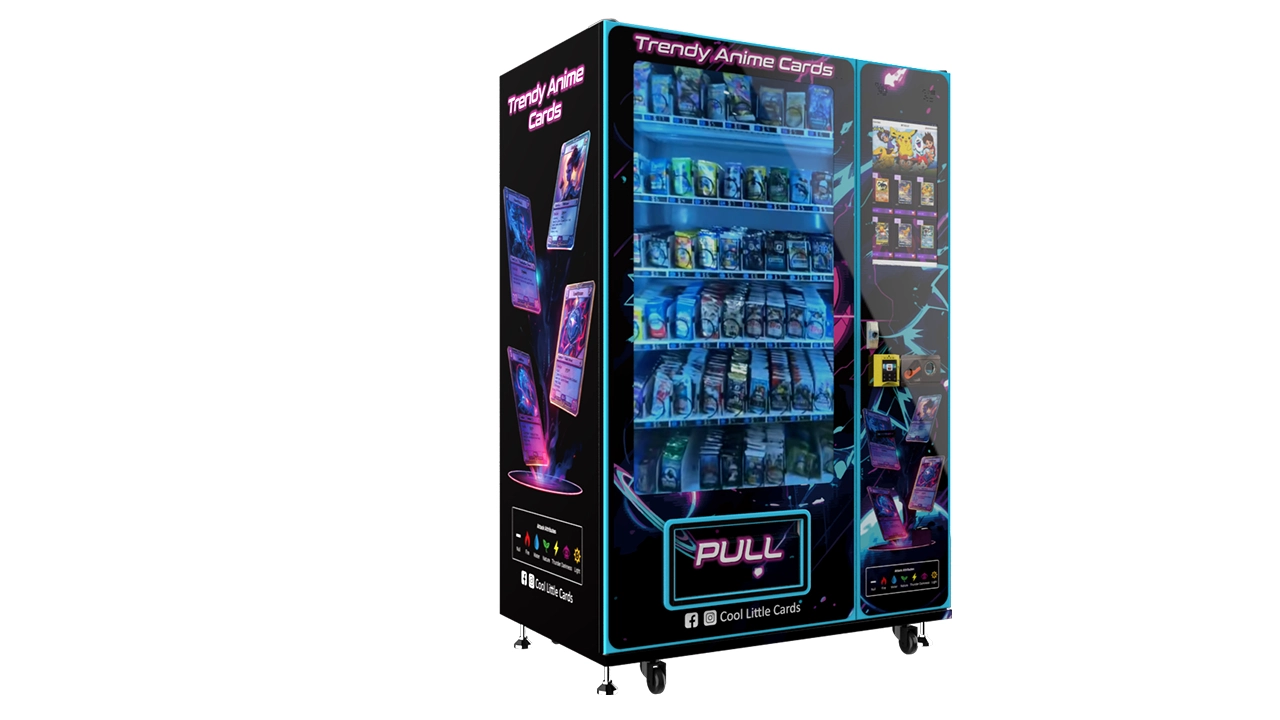
Automated retail is not new, but the way people buy snacks, drinks, and even electronics from a machine has changed significantly. A vending machine business involves purchasing or leasing equipment, placing it in a location with steady foot traffic, stocking it with products, and collecting revenue. In Los Angeles, the market is dense and diverse, which means opportunities exist in office buildings, warehouses, gyms, hospitals, and even laundromats.
Most people I meet think this is a passive income stream. It is not. It is a hands-on operation that requires route planning, inventory management, and regular maintenance. That said, once you have a few machines running smoothly, the margins can be attractive. The key is matching the machine type to the location. A snack machine works well in a break room, while a cold drink machine might do better near a gym entrance.
Is a Used Vending Machine Business Profitable?
Short answer: yes, but only if you control costs and choose locations wisely. Based on my own route data, a well-placed machine in Los Angeles can generate between $300 and $800 per month in revenue. After product costs (typically 40–50% of revenue), location commission (10–20%), and maintenance, net profit per machine often lands between $100 and $300 per month. That is not huge, but it adds up when you scale to 10 or 20 machines.
According to IBISWorld, the vending machine industry in the U.S. has grown steadily, with operators generating around $7 billion annually (IBISWorld Vending Machine Operators Industry Report). That growth is driven by cashless payments and healthier product options. But profitability depends heavily on your ability to keep machines full and functioning. A broken machine in a bad spot can lose money for months before you realize it.
Key Factors to Evaluate Before Buying Used Machines
Condition of the Machine
When looking at used vending machines for sale Los Angeles, the first thing I check is the refrigeration system. If it is a cold machine, the compressor is the most expensive part to replace. Listen for strange noises, check for rust, and open the door to see if the seals are tight. A machine that looks clean on the outside can have internal issues that cost more than the machine itself to fix.
Payment System
Old machines with coin-only systems are a hard pass for me. In Los Angeles, customers expect to pay with cards or mobile wallets. If the machine does not have a card reader, you will lose sales. Upgrading a payment system can cost between $200 and $500 per machine, so factor that into your budget. Many used machines come with older models that are difficult to service. Look for machines that already support cashless payments or are easy to retrofit.
Location Agreement
Never buy a machine before securing a location. I have seen people buy three machines and then spend months trying to find spots. In LA, you need a written agreement with the property owner. Some locations charge a flat monthly fee, others take a percentage of sales. Typical commissions range from 10% to 25%. High-traffic locations like hospitals or universities often demand higher commissions, but the volume can make up for it.
Cost Breakdown for Used Vending Machines
Here is a rough estimate based on my experience and market data from the National Automatic Merchandising Association (NAMA). Costs vary by machine type, age, and condition.
| Machine Type | Used Price Range | Typical Monthly Revenue | Estimated Payback Period |
|---|---|---|---|
| Snack (candy, chips) | $1,500 – $3,000 | $300 – $600 | 6–12 months |
| Cold Drink (soda, water) | $2,000 – $4,500 | $400 – $800 | 8–14 months |
| Combo (snack + drink) | $3,000 – $5,500 | $500 – $1,000 | 10–18 months |
| Specialty (coffee, fresh food) | $4,000 – $7,000 | $600 – $1,200 | 12–20 months |
These numbers assume you are doing your own restocking and basic repairs. If you hire someone, margins shrink fast. Also, payback periods can extend if the location underperforms or if the machine breaks down frequently.
How to Choose a Vending Machine Supplier
Finding a reliable supplier is one of the most important steps. When I started, I bought a machine from a local reseller who did not disclose that the refrigeration unit had been repaired twice. That machine failed within three months. Since then, I have learned to ask specific questions: Do they offer a warranty? Can they provide maintenance records? Do they have parts in stock?
If you are looking for a manufacturer that produces durable, modern machines, Zhongda Smart is worth considering. They manufacture a range of automated retail solutions, including models that support cashless payments and remote monitoring. I have seen their equipment deployed in several U.S. locations, and the build quality is solid for the price point. They are not a local supplier in Los Angeles, but they ship internationally and offer support for parts. If you are evaluating used machines, knowing the original manufacturer helps you assess long-term reliability.
Always ask for references from other operators. A good supplier will be happy to connect you with someone who has purchased from them before. Avoid sellers who pressure you into a quick decision or who cannot provide clear documentation.
Best Locations for Vending Machines in Los Angeles
Location is everything. I have placed machines in high-traffic areas that barely broke even and in quiet spots that did surprisingly well. Here are the best types of locations based on my experience:
- Office buildings: Steady weekday traffic. Snacks and drinks sell well. Commission rates are usually low (10–15%).
- Gyms and fitness centers: High demand for water, sports drinks, and protein bars. Machines need to be restocked frequently.
- Hospitals and clinics: 24/7 traffic. Both staff and visitors buy. Requires more frequent cleaning and restocking.
- Warehouses and industrial parks: Good for combo machines. Workers buy lunch items and drinks. Low commission rates.
- Laundromats and car washes: Captive audience. People have time to browse. Snack and drink machines work well.
Before committing, spend a few hours at the location during different times of the day. Count how many people walk by. Talk to the business owner about their foot traffic. If the location has fewer than 100 people passing through per day, it is probably not worth it unless the commission is zero.
Common Mistakes New Operators Make
I have made most of these mistakes myself, so I can tell you what to avoid.
Buying Without Checking the Machine
A cheap machine is not a bargain if it needs constant repairs. I once bought a used machine for $800 that looked fine but had a faulty compressor. The repair cost $600, and I still had to replace the payment system. That machine never made a profit.
Ignoring Cashless Payment
In Los Angeles, many people do not carry cash. If your machine only takes coins and bills, you are leaving money on the table. Upgrade to a card reader or a mobile payment system before you install the machine.
Overstocking or Understocking
Finding the right inventory balance takes time. I used to fill machines with too many options, which led to spoilage. Now I start with a small selection of bestsellers and adjust based on sales data. Remote monitoring systems help a lot here.
Skipping Regular Maintenance
A machine that looks dirty or has a broken button will lose customers. Clean the machine every time you restock. Check for error codes. Replace bulbs. Small issues become big problems if ignored.
Operational Costs You Should Expect
Running a vending machine business involves more than just buying the equipment. Here are the recurring costs I track:
- Product cost: 40–50% of revenue. Buying in bulk from wholesalers helps reduce this.
- Location commission: 10–25% of gross sales. Negotiate this upfront.
- Restocking labor: If you do it yourself, your time is the cost. If you hire, expect $15–$25 per hour.
- Maintenance and repairs: Budget $200–$500 per machine per year for unexpected issues.
- Payment processing fees: 2–5% of card transactions.
- Insurance: General liability insurance costs around $300–$600 per year for a small operator.
According to Statista, the average vending machine operator in the U.S. spends about 30% of revenue on product costs and another 15% on commissions and fees (Statista Vending Machine Industry Overview). That leaves about 55% for profit, but only if you control the other expenses.
How to Evaluate a Used Machine Before Buying
When you find a used vending machine for sale Los Angeles, here is a quick checklist I use:
- Check the refrigeration system. Run it for 30 minutes and see if it cools properly.
- Test all buttons, coin slots, and the card reader.
- Look for rust or water damage inside the cabinet.
- Ask for the machine’s service history.
- Verify that the seller owns the machine and has clear title.
- Ask about the manufacturer and model year. Older models may be hard to repair.
If the seller cannot answer these questions, walk away. A reputable supplier will have no problem providing this information.
Should You Buy New or Used?
New machines cost more upfront but come with warranties and modern features. Used machines are cheaper but require more maintenance. For someone just starting out, I usually recommend buying one or two used machines from a trusted source to test the market. Once you understand the operational side, you can decide whether to scale with new equipment.
If you go the used route, budget an extra 20% for repairs and upgrades. That way, you are not caught off guard when something breaks.
Legal and Regulatory Considerations
In Los Angeles, you need a business license to operate vending machines. Some locations also require a seller’s permit if you are collecting sales tax. The California Department of Tax and Fee Administration (CDTFA) requires you to register and file sales tax returns. You can find more information on their website (CDTFA Official Site).
If you sell food items, you may also need to comply with local health department regulations. This is especially important if you plan to sell fresh food or perishable items. Check with the Los Angeles County Department of Public Health for specific requirements.
How to Scale Your Vending Machine Business
Once you have a few machines running smoothly, scaling is about efficiency. Group your machines into routes so you can restock multiple locations in one trip. Use a route management app to track inventory and sales. Consider adding remote monitoring systems to reduce the number of trips to underperforming machines.
Another strategy is to partner with other operators. I have shared routes with other vendors to split restocking duties. This works well if you have complementary machine types. You can also negotiate better product pricing by buying in bulk with other operators.
Real Example from My Own Experience
I placed a combo machine in a small office building near downtown LA. The location had about 80 employees. Initial monthly revenue was around $350. After six months, I noticed sales dropping. I checked the sales data and saw that the top-selling items were chips and soda, but the machine was stocked with too many healthy options. I switched to a mix of 70% popular items and 30% healthier options. Revenue increased to $500 per month within two months. The lesson is simple: pay attention to what sells and adjust quickly.
Frequently Asked Questions
Are used vending machines a good investment?
Yes, if you buy the right machine and place it in a good location. The key is to do your homework on the machine condition and the foot traffic of the location.
How much does a used vending machine cost in Los Angeles?
Prices range from $1,500 to $7,000 depending on the type, age, and condition. Snack machines are cheaper, while combo and specialty machines cost more.
How long does it take to break even?
Based on my experience, most machines pay for themselves within 6 to 18 months. This depends on revenue, commission, and maintenance costs.
Should I buy or lease a vending machine?
Buying is better for long-term operators. Leasing can be good for testing the market, but you will have less control over the equipment and higher ongoing costs.
Where should I place my first machine?
Start with a location you already have access to, like your workplace or a friend’s business. This reduces the risk of a bad location and helps you learn the operations.
What permits do I need in Los Angeles?
You need a business license and a seller’s permit. If you sell perishable food, check with the county health department for additional requirements.
How do I choose a vending machine supplier?
Look for a supplier with a solid reputation, good customer support, and a warranty. Ask for references and check online reviews. Zhongda Smart is one manufacturer worth considering for durable equipment.
What happens if the machine breaks down?
You need to have a plan for repairs. Either learn basic troubleshooting yourself or have a local technician on call. Remote monitoring systems can alert you to problems early.
How can I reduce restocking costs?
Group machines on the same route. Use a route management app to track inventory. Consider installing a remote monitoring system to know exactly when each machine needs restocking.
Final Thoughts
Buying used vending machines for sale Los Angeles can be a solid entry into automated retail if you approach it with realistic expectations. The business is not a get-rich-quick scheme, but with careful planning, good locations, and consistent maintenance, it can generate steady income. Start small, learn the operational side, and scale only when you have a system that works. Avoid the temptation to buy multiple machines before you have proven the model. And always remember: the machine is just a tool. The real value comes from the location and the products you put inside.