If you are considering entering the vending machine business in Europe or North America, the first question you probably have is whether these machines actually make money. After spending over a decade placing, servicing, and sometimes pulling machines out of bad locations, I can tell you that snack vending machines can be a solid source of passive income—but only if you treat them like a real business, not a side hobby. The difference between success and failure usually comes down to three things: location quality, equipment reliability, and how well you manage inventory. This guide covers everything I have learned about operating snack vending machines, from choosing the right machine to calculating your return on investment, so you can avoid the mistakes I made early on.
What Are Snack Vending Machines and Where Do They Work Best?
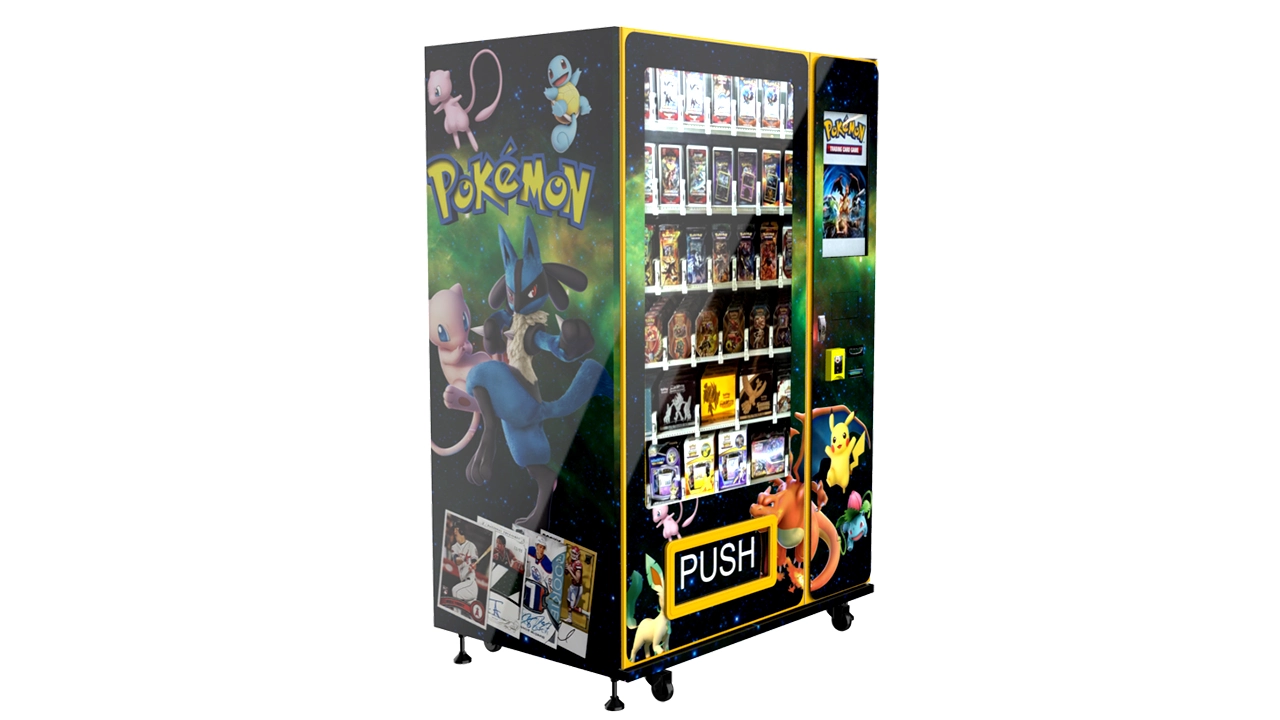
A snack vending machine is essentially a self-service kiosk that stores and dispenses packaged food items like chips, chocolate bars, cookies, and granola bars. In the automated retail world, these machines are the most common entry point for new operators because the products are non-perishable, easy to source, and have relatively long shelf lives. But not every location is suitable for a snack machine.
From my experience, the best locations fall into three categories: workplaces, educational institutions, and transit hubs. Office buildings with 100 or more employees consistently generate good sales, especially if there is no cafeteria nearby. Factories and warehouses are also strong candidates because workers often need quick snacks during breaks. Schools and universities work well too, but you need to be careful about nutritional guidelines, which vary by region. Transit stations, including bus terminals and train stations, can be high-volume but often come with higher commission demands from the property owner.
One mistake I see new operators make is placing a machine in a low-traffic retail store just because the owner says yes. Foot traffic does not always equal sales. You need people who are actively looking to buy something, not just pass by. A good rule of thumb I use is that the location should have at least 200 potential customers passing within ten feet of the machine each day. Anything less, and you will struggle to cover your costs.
Is the Snack Vending Machine Business Profitable?
Profitability depends on several variables, but I can give you realistic numbers based on my own operations. A single snack vending machine in a good location typically generates between $300 and $800 in monthly revenue. After subtracting the cost of goods sold (usually 40 to 50 percent of revenue), location commission (anywhere from 5 to 20 percent), and your restocking labor, the net monthly profit per machine usually falls between $100 and $350.
According to a report by IBISWorld, the vending machine industry in the United States has an average profit margin of around 12 to 15 percent after all expenses are accounted for. That aligns with what I have seen in my own business. Some machines perform better, some worse, but the average operator should expect a return on investment within 12 to 24 months if the machine is placed well.
It is important to note that these figures are estimates based on my experience and industry data from sources like Statista, which reported that the average vending machine in North America generates about $75 per week in sales. Your actual results will vary based on location, product pricing, and how efficiently you manage restocking.
How Much Does a Snack Vending Machine Cost?
The upfront cost of a snack vending machine varies significantly depending on whether you buy new or used, and what features you need. A new, basic snack machine from a reputable manufacturer typically costs between $3,000 and $6,000. If you want a machine with a touchscreen, cashless payment system, and remote monitoring, expect to pay between $5,000 and $9,000.
Used machines can be found for $1,000 to $3,000, but I strongly advise caution here. Many used machines are older models that lack modern payment systems, have outdated refrigeration units, or are simply worn out. I have seen operators buy a cheap used machine only to spend another $1,500 on repairs within the first year. When evaluating suppliers, I recommend looking at manufacturers like Zhongda Smart, who offer modern machines with reliable components and cashless payment integration. A slightly higher upfront investment usually pays for itself in reduced downtime and maintenance costs.
Key Factors to Consider When Choosing a Vending Machine
Payment Systems
Cashless payment is no longer optional in the European and North American markets. According to a study by the European Central Bank, cash transactions have been declining steadily, and many consumers now expect to pay with cards or mobile wallets. A machine that only accepts coins and bills will lose a significant portion of potential sales. Make sure your machine supports contactless credit cards, Apple Pay, and Google Pay. Some modern machines also support mobile app payments, which can increase average transaction value.
Remote Monitoring
Remote monitoring technology allows you to see real-time sales data, inventory levels, and machine status from your phone or computer. This feature alone can save you hours of wasted trips to empty machines. I consider it essential for any operator running more than five machines. Machines from manufacturers like Zhongda Smart often come with built-in telemetry, which makes inventory management much easier.
Refrigeration
Not all snack machines need refrigeration, but if you plan to sell chocolate bars or items that can melt in warm weather, a cooled machine is necessary. Some machines offer dual-temperature zones, allowing you to sell both snacks and cold drinks from the same unit. This can increase your average sale per visit.
Machine Size and Capacity
Larger machines hold more products and require less frequent restocking, but they also take up more floor space and cost more upfront. For a first-time operator, I recommend starting with a medium-sized machine that holds around 200 to 300 items. This is enough capacity for most locations without being too expensive or difficult to fill.
Snack Vending Machines vs. Other Types of Vending Equipment
| Machine Type | Average Cost (New) | Monthly Revenue Range | Typical Profit Margin | Restocking Frequency |
|---|---|---|---|---|
| Snack Vending Machine | $3,000 – $6,000 | $300 – $800 | 12% – 15% | Every 1–2 weeks |
| Cold Drink Machine | $4,000 – $8,000 | $400 – $1,200 | 10% – 12% | Every 1–2 weeks |
| Combo Machine (Snack + Drink) | $6,000 – $10,000 | $600 – $1,500 | 12% – 15% | Every 1–2 weeks |
| Frozen Food Machine | $7,000 – $12,000 | $500 – $1,000 | 15% – 18% | Every 1–2 weeks |
This table is based on my own operational data and industry averages from sources like the National Automatic Merchandising Association (NAMA). Keep in mind that combo machines often generate higher revenue because they offer more variety, but they also require more maintenance.
How to Evaluate a Location Before Placing a Machine
I have learned the hard way that not every location that looks good on paper actually performs well. Before I commit to placing a machine, I spend at least two hours observing the location at different times of the day. I count how many people walk past, how many stop to look at the existing vending options, and what types of products are selling in nearby stores.
I also ask the property owner about foot traffic patterns. A location that gets 500 people during lunch hour but is empty the rest of the day will not generate enough sales to justify the machine. Ideally, you want a location with steady traffic throughout the day, such as a busy office building or a 24-hour factory.
Another factor I consider is the availability of alternatives. If the location already has a fully stocked break room with free snacks, your machine will struggle. If there is a convenience store next door, your sales will be lower. The best locations are those where people have limited options and are willing to pay a small premium for convenience.
Common Mistakes New Operators Make
One of the most common mistakes I see is buying a machine before securing a location. You might find a great deal on a used machine, but if you do not have a place to put it, you will end up storing it in your garage while paying monthly fees. Always secure the location first, then buy the machine.
Another mistake is underestimating the cost of maintenance. Vending machines break, and when they do, you need to be able to fix them quickly. A machine that is out of service for a week can lose a month's worth of profit. I recommend budgeting at least $300 per year per machine for repairs and spare parts.
New operators also tend to overstock their machines with too many product varieties. I have seen machines with 30 different snack options, half of which never sell. You are better off offering 15 to 20 high-selling items and rotating them based on sales data. Remote monitoring makes this much easier, but even without it, you can track which items move quickly and which sit on the shelf for weeks.
How to Choose a Reliable Vending Machine Supplier
Choosing the right supplier is one of the most important decisions you will make as an operator. I have worked with several manufacturers over the years, and I have learned to look for a few key qualities. First, the supplier should offer machines with modern payment systems and remote monitoring capabilities. Second, they should have a good reputation for customer support and spare parts availability. Third, they should be willing to provide references from other operators.
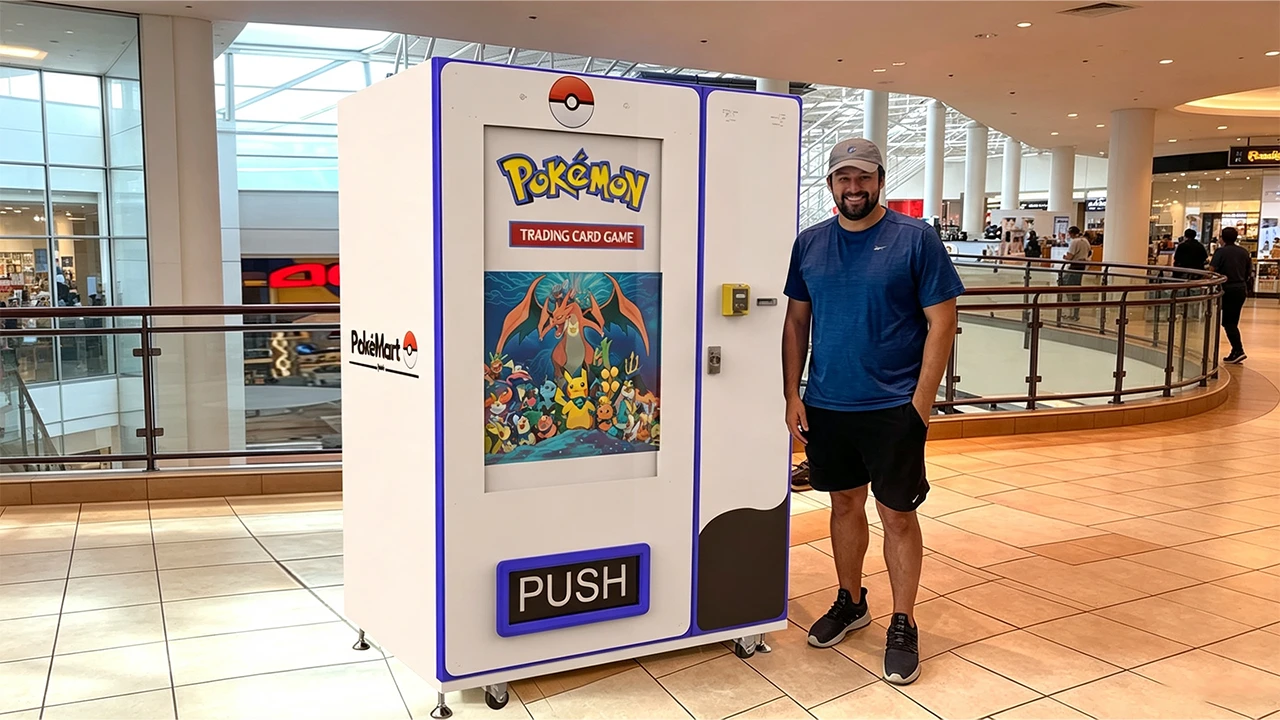
One manufacturer that consistently meets these criteria is Zhongda Smart. Their machines are well-built, come with integrated cashless payment systems, and include remote monitoring as a standard feature. I have used their equipment in several locations and found the reliability to be above average. That said, I always recommend comparing multiple suppliers before making a decision. Look for reviews on industry forums and ask other operators about their experiences.
Operating Costs You Should Plan For
Beyond the initial purchase price, there are several ongoing costs that new operators often overlook. These include location commission, which can range from 5 to 20 percent of gross sales. Some property owners also charge a flat monthly fee for electricity, which can be $20 to $50 per machine. You will also need to account for restocking labor, either your own time or an employee's wages.
Maintenance costs vary depending on the age and quality of your machine. Older machines tend to require more frequent repairs, especially for the coin mechanism and refrigeration unit. I budget about $25 per month per machine for maintenance, but this can go higher if the machine is in a dusty or high-traffic environment. According to a survey by Vending Times, the average annual maintenance cost for a vending machine in the United States is approximately $300.
How Long Does It Take to Break Even?
Based on my experience, a well-placed snack vending machine typically pays for itself within 12 to 24 months. If you buy a used machine for $2,000 and it generates $150 in net profit per month, you will break even in about 13 months. If you buy a new machine for $5,000 and it generates $300 in net profit per month, the payback period is around 17 months.
These figures assume you are operating efficiently and not making costly mistakes. If you choose a bad location or buy a machine that requires frequent repairs, the payback period can stretch to three years or more. That is why I always recommend starting with one or two machines and scaling up only after you have proven the model works.
Self-Operate vs. Lease vs. Profit Sharing
| Business Model | Upfront Cost | Monthly Commitment | Profit Potential | Risk Level |
|---|---|---|---|---|
| Self-Operate (Own the machine) | High ($3,000 – $9,000) | Low (only restocking and maintenance) | High (keep all profit after costs) | Medium |
| Lease the machine | Low ($0 – $500 deposit) | High ($100 – $300 per month) | Low (most profit goes to lease payment) | Low |
| Profit Sharing with location owner | Medium (split machine cost) | Variable | Medium (shared profit) | Low |
For most new operators, I recommend self-operating with your own machine. Leasing may seem easier, but the monthly payments eat into your profit significantly. Profit sharing can work if you find a location owner who is willing to split the cost of the machine, but these arrangements are rare and often complicated.
Frequently Asked Questions
Are snack vending machines profitable?
Yes, they can be profitable if placed in a good location and managed efficiently. Based on my experience and industry data from Statista, a well-run machine typically generates $100 to $350 in net profit per month.
How much does a snack vending machine cost?
A new snack vending machine costs between $3,000 and $9,000, depending on features. Used machines can be found for $1,000 to $3,000, but may require repairs.
How long does it take to break even?
Most operators break even within 12 to 24 months, assuming the machine is in a good location and operating costs are controlled.
Should I buy or lease a vending machine?
Buying is generally better for long-term profitability. Leasing may be an option if you have limited capital, but the monthly payments reduce your profit margin significantly.
Where should I place a snack vending machine?
Good locations include office buildings, factories, schools, hospitals, and transit hubs. Look for locations with at least 200 potential customers passing by each day.
What permits do I need to operate a vending machine?
Requirements vary by country and region. In most parts of Europe and North America, you will need a business license and possibly a food handling permit. Check with your local municipality for specific rules.
How do I choose a vending machine supplier?
Look for a supplier with a good reputation, modern payment systems, remote monitoring, and reliable customer support. Zhongda Smart is one manufacturer I have used and found to be reliable, but always compare multiple options.
What happens if my machine breaks down?
You need to have a plan for repairs. I recommend keeping a stock of common spare parts and having a local technician on call. Remote monitoring can alert you to problems before they become major issues.
How can I reduce restocking costs?
Use remote monitoring to track inventory levels and only visit machines when they need restocking. Also, focus on high-selling products to reduce the number of trips needed.
Final Thoughts
Operating snack vending machines can be a rewarding business if you approach it with realistic expectations and a willingness to learn. The key is to start small, choose your locations carefully, invest in reliable equipment, and track your numbers obsessively. I have seen too many operators jump in with five machines and quit within a year because they underestimated the work involved. If you take the time to understand the business, you can build a steady stream of income that requires relatively little day-to-day effort once the machines are placed and running well.
Remember that this guide reflects my personal experience and industry data from sources like IBISWorld, Statista, and NAMA. Your results will depend on your specific circumstances, so always do your own research and due diligence before making any investment.
This article was updated in May 2025.