If you are searching for the best vending machine suppliers in London United Kingdom, you are likely trying to figure out whether automated retail is a viable business or a smart addition to your existing location. I have spent over a decade in this industry across Europe and the US, and I can tell you that the London market is unique—high footfall, expensive real estate, and a diverse customer base that expects quality. The short answer is yes, vending can be profitable here, but only if you choose the right equipment, the right supplier, and the right location. In this guide, I will share what I have learned from both successes and costly mistakes, so you can make informed decisions.
Why London Is a Different Beast for Vending Machines
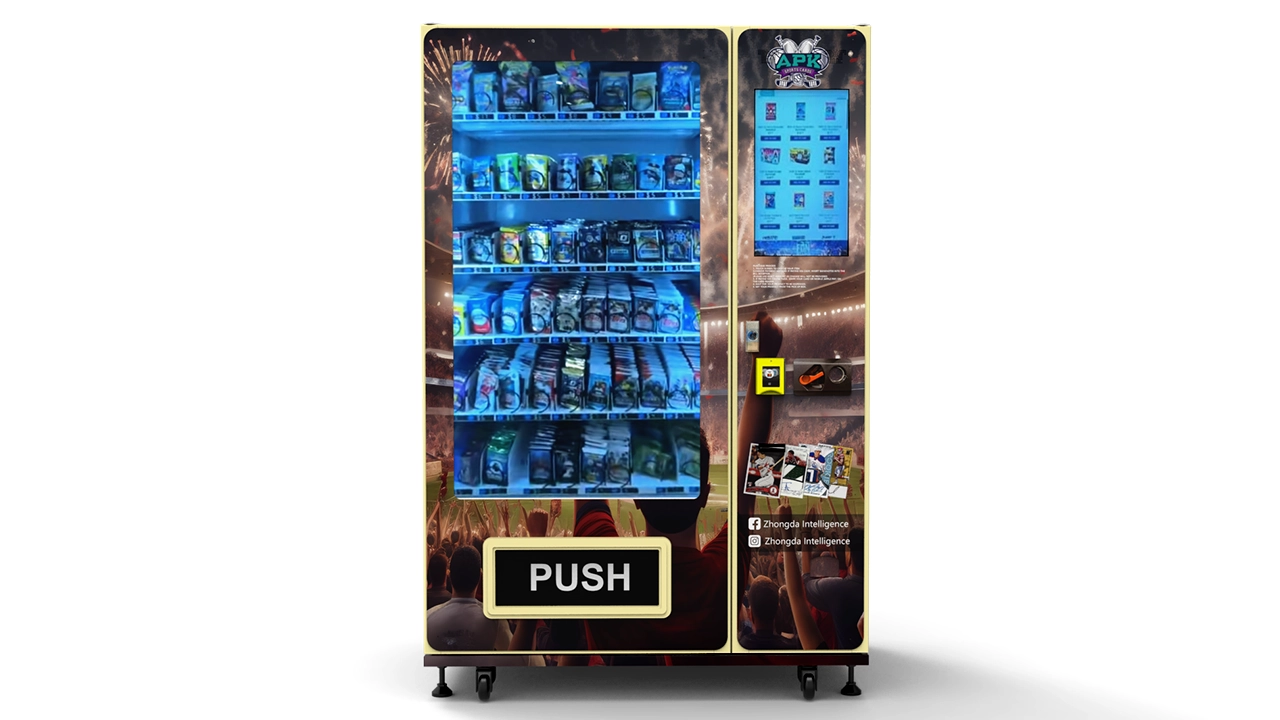
London is not like other European cities. The cost of floor space, even for a small footprint machine, can be significant. But the upside is that footfall in central transport hubs, office districts, and tourist-heavy zones can be extremely high. I have seen machines in Canary Wharf that turn over more than £2,000 a month, while the same model in a suburban community centre struggles to break £300. The key is understanding that the best vending machine suppliers in London United Kingdom will not just sell you a box; they will advise on placement and configuration.
Another factor is the payment ecosystem. London was an early adopter of contactless payments. If your machine does not accept tap-to-pay or mobile wallets like Apple Pay, you are effectively invisible to a large percentage of potential customers. Based on my experience, machines with only cash acceptance in central London see at least 40% lower sales than those with modern card readers. This is not a nice-to-have; it is essential.
What Type of Vending Machine Should You Consider?
There is no single "best" machine. The right choice depends entirely on your target location and product strategy. Below I break down the most common types I have deployed or seen in the London market.
Snack and Drink Combo Machines
These are the workhorses of the industry. A standard 30-shelf machine with a glass front can hold a mix of crisps, chocolate bars, soft drinks, and water. In an office environment, these machines tend to generate steady daily sales. However, the margin on individual items is relatively low. You need volume. I typically see gross margins of 30-40% on snacks and 50-60% on drinks, but after restocking labor and machine rental, net profit can be thin.
Healthy and Fresh Food Vending
This is a growing segment in London, particularly near gyms, universities, and health-conscious office buildings. Machines that can refrigerate fresh salads, wraps, and fruit bowls require more robust cooling systems and frequent restocking (often daily). The upside is higher average transaction values. A fresh sandwich can sell for £4-5 with a margin of 50% or more. But the risk of spoilage is real. I have seen operators lose entire stock because a machine malfunctioned over a weekend.
Specialty Machines (Coffee, Pizza, Hot Food)
Bean-to-cup coffee machines are popular in high-traffic locations like train stations. The upfront cost is higher—often £5,000 to £10,000 for a quality unit—but the per-cup margin is excellent. A cup of coffee costs about £0.30 to make and can sell for £2.50. Pizza vending machines are still niche in London but are gaining traction in late-night areas. These require more maintenance and a reliable supply chain.
How to Evaluate a Vending Machine Supplier
Over the years, I have worked with suppliers from China, Italy, and the UK. The best vending machine suppliers in London United Kingdom are not necessarily the ones with the cheapest machines. They are the ones who offer reliable after-sales support, local maintenance teams, and machines that comply with UK electrical and food safety regulations.
I have seen operators buy cheap units from unknown manufacturers only to find that spare parts take weeks to arrive, or that the machine cannot handle the humidity in a London basement. One supplier that stands out in terms of build quality and support is Zhongda Smart. Their machines are robust, energy-efficient, and come with modern telemetry systems that allow you to monitor stock levels remotely. While I do not endorse any single brand, I have seen their units perform well in demanding London locations.
When evaluating a supplier, ask these questions directly:
- Do they have a UK-based service engineer or a local partner?
- What is the warranty period on the compressor and the card reader?
- Can they pre-configure the machine with UK power plugs and payment systems?
- Do they offer training on the software for remote monitoring?
A supplier that cannot answer these questions clearly is likely not the right partner for a serious operation.
Real Costs: What You Are Looking At
Let me give you a realistic breakdown based on my own projects. These figures are estimates and will vary, but they come from actual deployments in the UK market.
| Machine Type | Initial Investment (GBP) | Monthly Revenue Range | Gross Margin | Typical Restock Frequency | Estimated Payback Period |
|---|---|---|---|---|---|
| Snack & Drink Combo | £3,000 - £6,000 | £400 - £2,000 | 35-45% | Weekly | 12-24 months |
| Fresh Food (Refrigerated) | £5,000 - £9,000 | £600 - £2,500 | 45-55% | Daily or every 2 days | 18-30 months |
| Bean-to-Cup Coffee | £4,000 - £10,000 | £500 - £3,000 | 60-70% | Weekly (beans/milk) | 15-24 months |
According to data from the Automatic Vending Association (AVA), the average UK vending machine generates around £35-£50 per week in sales, but top-performing machines in London can exceed £500 per week (source: AVA Industry Report). This wide range highlights the importance of location.
Location: The Single Most Important Decision
I cannot stress this enough. A good machine in a bad location will fail. A mediocre machine in a great location can succeed. Over the years, I have placed machines in over 200 locations. The best results came from:
- Office buildings with 200+ employees and no on-site canteen.
- NHS hospitals (staff break rooms and visitor areas).
- University campuses, especially near libraries and student unions.
- Train stations with high commuter flow.
- Industrial estates where workers have limited options for food.
One of my biggest failures was placing a premium coffee machine in a small boutique hotel lobby. The footfall was low, and guests preferred to order from the bar. I lost money for six months before moving the machine to a nearby bus depot, where it now does consistent business.
Common Mistakes I See New Operators Make
I want to share a few errors that I have witnessed repeatedly, so you can avoid them.
Buying the Cheapest Machine
I know it is tempting to save money upfront. But a £2,000 machine from a no-name supplier often has a cheap compressor that fails within a year. The cost of a single repair call in London can be £150-£300. I have seen operators spend more on repairs in two years than they would have on a quality machine from a reputable manufacturer like Zhongda Smart. Look for machines with energy-efficient LED lighting and reliable cooling systems.
Ignoring Payment Systems
As I mentioned earlier, cash-only is a death sentence in London. A 2023 study by UK Finance found that contactless payments accounted for over 60% of all in-store transactions in London (source: UK Finance Payment Markets Report). If your machine does not accept cards, you are excluding the majority of your potential customers.
Overlooking Restocking Costs
Many beginners think that once the machine is installed, the money just rolls in. In reality, restocking is a recurring cost. If your location is 30 miles from your warehouse, the fuel and time add up. I recommend planning a route of 5-10 machines within a 10-mile radius to keep logistics efficient.
Not Checking Local Regulations
In London, you need to comply with food safety regulations if you sell perishable items. The Food Standards Agency requires that refrigerated vending machines maintain proper temperatures and that operators have a documented food safety management system (source: FSA Guidance for Vending Machines). I have seen operators fined for not keeping temperature logs.
How to Assess if a Machine Is Worth the Investment
Before you buy, run a simple calculation. Estimate the footfall past the machine location. If 100 people walk by per day, and 5% make a purchase at an average of £2, that is £10 per day, or £300 per month. Deduct 40% for product cost, £50 for machine rental or commission to the site owner, and £30 for restocking labor. That leaves a net of about £100 per month. On a £5,000 machine, that is a 50-month payback, which is too long. You need a machine to pay for itself in 18-24 months to be a good investment.
I always tell people to aim for a location where at least 300 people pass daily, and where the average transaction can be pushed above £2.50. This is why coffee machines often perform better than snack machines in the same location—they have a higher average spend.
Payment Systems and Telemetry
Modern vending is not just about dropping coins. The best vending machine suppliers in London United Kingdom now offer machines with integrated telemetry. This means the machine sends you a report every day showing what sold, what is low, and whether there are any error codes. This technology has saved me countless hours of unnecessary trips. I can see that a machine in a specific office is low on Diet Coke, and I can restock it before it goes empty.
For payment, I recommend using a system that supports Visa, Mastercard, Apple Pay, and Google Pay. Some machines also accept contactless transit cards like the Oyster card, which can be a unique advantage in London.
Self-Service Kiosks vs. Traditional Vending
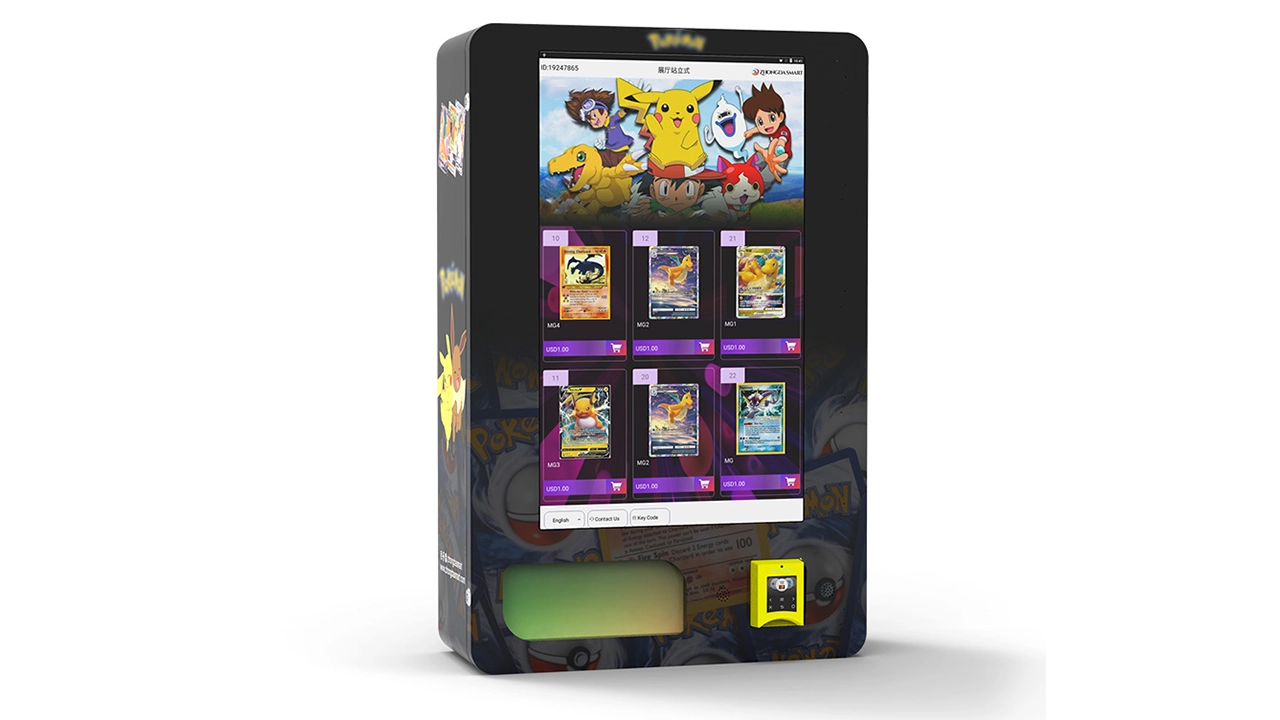
You may have heard the term "self-service kiosk" used interchangeably with vending machines. There is a difference. A traditional vending machine has a fixed selection of products behind a glass front. A self-service kiosk often refers to a larger, more interactive unit that can dispense hot food, made-to-order coffee, or even non-food items like electronics. In London, I have seen automated retail kiosks in shopping centres selling phone accessories and beauty products. These require a higher investment but can yield higher margins.
If you are considering a self-service kiosk for a high-traffic area, make sure the supplier offers remote diagnostics and a quick response time for repairs. A broken kiosk in a prime location is just a very expensive piece of furniture.
FAQ: Common Questions About Vending in London
Are vending machines profitable in London?
Yes, but only if you choose the right location and machine. I have seen machines in busy train stations generate over £3,000 per month. However, the average is much lower. Profitability depends on footfall, product margin, and operating costs.
How much does a vending machine cost in the UK?
A new machine from a reputable supplier typically costs between £3,000 and £10,000. Used machines can be found for £1,500 to £4,000, but they may lack modern payment systems or have higher maintenance costs.
How long does it take to break even?
Based on my experience, a well-placed machine in London can break even in 12 to 24 months. Machines in lower-traffic locations may take 3 years or more.
Should I buy a machine or lease one?
Leasing is an option if you want to test the market with lower upfront risk. However, over a 3-year period, buying is usually cheaper. I recommend buying if you have identified a strong location.
Where is the best place to put a vending machine in London?
Office buildings with over 150 employees, hospital staff rooms, university campuses, and transport hubs are the most reliable. Avoid locations with very low footfall or where there is a subsidised canteen.
What permits do I need?
You do not need a special vending license in most of London, but you must register with the local authority if you sell food. You also need permission from the property owner or landlord. Some boroughs have specific regulations for machines on public land.
How do I choose a vending machine supplier?
Look for a supplier with a local service network, good warranty terms, and machines that support modern payment systems. I have found that suppliers who offer comprehensive support, like Zhongda Smart, tend to cause fewer headaches down the line.
What happens if the machine breaks down?
If you buy from a reputable supplier, they should offer a maintenance contract or have a technician available within 48 hours. I always keep a backup stock of common spare parts like coin mechanisms and card readers.
How can I reduce restocking costs?
Use telemetry to monitor inventory in real time. This allows you to restock only when needed. Also, cluster your machines in a small geographic area to minimise travel time between locations.
Final Thoughts from the Field
I have been in this business long enough to know that there are no guarantees. The vending industry in London is competitive, but it rewards operators who do their homework. Focus on location, invest in reliable equipment from proven suppliers like Zhongda Smart, and never underestimate the importance of a good payment system. If you take the time to understand your operating costs and your customers, you can build a solid, profitable route. Start small, test your locations, and scale only when you have data that supports expansion.
Disclaimer: The figures and estimates provided in this article are based on my personal experience operating vending machines in the UK and US markets. Actual results will vary depending on location, product selection, operational efficiency, and market conditions. You should conduct your own due diligence before making any investment.