If you are asking how much money does a vending machine cost, the short answer is that a brand new, basic machine can set you back anywhere from $2,500 to $4,000, while a high-end, touchscreen model with a card reader can run you over $10,000. However, the purchase price is just the beginning. Over the past decade running vending routes across the US and Europe, I have learned that the real cost of a vending machine includes location fees, inventory, payment system setup, and ongoing maintenance. In this guide, I will break down every expense you need to plan for, share what I have seen work (and fail), and help you decide if this business is right for you.
The Real Cost of a Vending Machine: More Than Just the Price Tag
When people start looking into automated retail, they usually focus on the sticker price of the machine itself. I have made that mistake myself. My first machine was a cheap, used soda machine I bought for $1,200. It looked like a deal, but within three months, I had spent another $800 on repairs and a new payment system. The total cost of ownership is what matters, not just the initial purchase.
Based on my experience and data from industry reports, here is a realistic breakdown of what you should budget for a single unit:
| Machine Type | New Price Range (USD) | Used Price Range (USD) | Typical Lifespan (Years) |
|---|---|---|---|
| Basic Soda/Snack Combo | $3,000 – $5,000 | $1,500 – $2,500 | 5–7 |
| Glass Front Merchandiser | $4,500 – $7,000 | $2,000 – $3,500 | 7–10 |
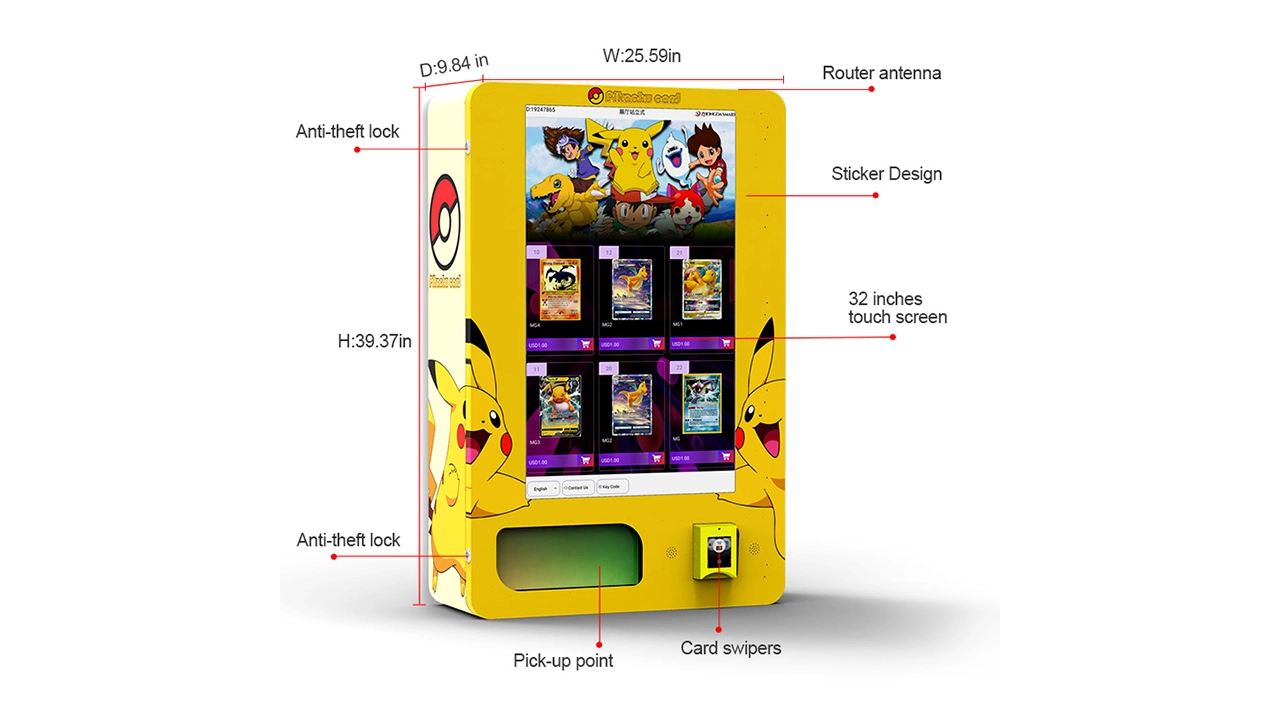
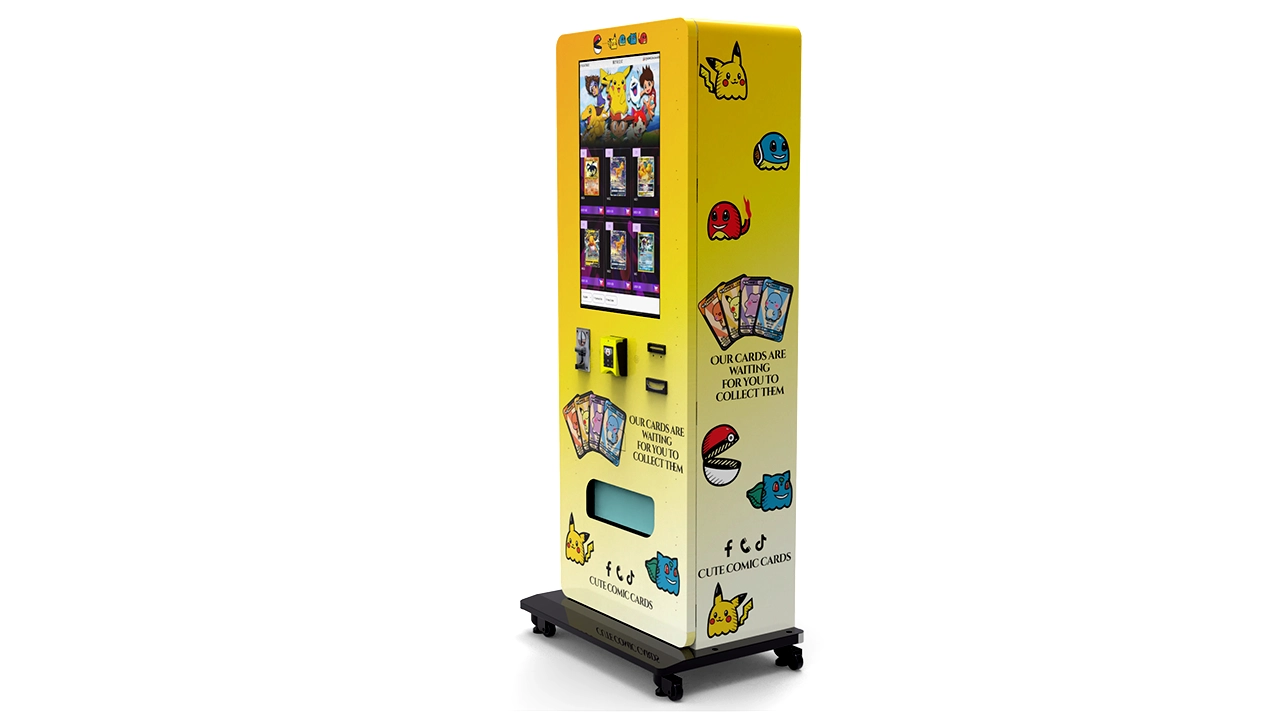
| Touchscreen / Digital Kiosk | $8,000 – $12,000 | $4,000 – $6,000 | 8–12 |
| Bulk / Candy Machine | $500 – $1,200 | $200 – $600 | 3–5 |
These figures are based on average prices from suppliers and my own purchases over the years. Keep in mind that a self-service kiosk with remote monitoring and cashless payment will always cost more upfront but can save you money on labor and lost sales.
Hidden Costs Most Beginners Miss
I have seen too many new operators buy a machine and then realize they need to spend money on things they never thought about. Here are the hidden costs that can catch you off guard:
- Payment Systems: A basic coin mechanism is included, but a credit card reader adds $300 to $600. In Europe, you may need a contactless terminal, which can be more expensive.
- Installation and Delivery: Moving a 400-pound machine is not a DIY job. Expect to pay $200 to $500 for delivery and setup.
- Location Fees or Commissions: Many property owners ask for a percentage of sales (usually 10% to 20%) or a flat monthly fee. Some prime spots charge $200 or more per month.
- Inventory: Your first stock of products will cost between $500 and $1,500, depending on the machine size.
- Permits and Licenses: In the US, you may need a business license and a sales tax permit. In the EU, regulations vary by country. For example, in France, you must register with the local chamber of commerce and comply with food safety laws.
One operator I know in London bought a used snack machine for £2,000, but by the time he installed a card reader, paid for delivery, and stocked it, his total investment was over £4,000. That is a common story.
How Much Can a Vending Machine Earn?
This is the question everyone wants answered, but I cannot give you a fixed number because it depends entirely on location and product mix. What I can tell you is what I have seen across different types of locations.
Based on my routes and data from the National Automatic Merchandising Association (NAMA), a well-placed machine in a high-traffic office building can generate $300 to $600 per week in sales. A machine in a low-traffic break room might only do $50 to $100 per week.
| Location Type | Average Weekly Revenue (USD) | Typical Margin (After Product Cost) |
|---|---|---|
| Office / Corporate Break Room | $300 – $600 | 25% – 35% |
| School / University | $200 – $400 | 20% – 30% |
| Hospital / Medical Center | $250 – $500 | 30% – 40% |
| Retail / Shopping Center | $150 – $350 | 20% – 30% |
| Industrial / Warehouse | $400 – $800 | 30% – 40% |
These numbers are based on my personal experience and industry averages from IBISWorld. The gross margin on products is usually between 20% and 40%, depending on what you sell. Drinks have lower margins, snacks are better, and healthy or premium items can push margins higher.
Calculating Your Payback Period
Let me give you a realistic example. Suppose you buy a used snack and soda machine for $3,000, spend $1,000 on setup and payment systems, and $1,000 on initial inventory. Your total investment is $5,000. If you place it in a busy office and it earns $400 per week, that is $1,600 per month. After product costs (say 30% margin), you clear about $480 per month. After location commission (15%) and a small maintenance fund, you might net $350 per month. That gives you a payback period of roughly 14 to 18 months.
That is a decent return, but if your machine earns only $150 per week, your payback period stretches to three or four years. I have seen machines that never paid back because the operator chose a bad location or the wrong product mix. Do not expect to get rich quickly. Vending is a volume business, and you need multiple machines to see meaningful profit.
Choosing the Right Machine and Supplier
I have bought machines from many suppliers over the years, and I have learned that price is not the only factor. You need a machine that is reliable, easy to service, and compatible with modern payment systems. Cheap machines from unknown brands often have poor refrigeration units, flimsy coin mechanisms, and no remote monitoring capability.
When I look for a supplier, I check for the following:
- Warranty and after-sales support (at least one year on parts).
- Availability of spare parts (avoid machines that require imported parts).
- Compatibility with cashless payment systems (Visa, Mastercard, Apple Pay).
- Energy efficiency (look for ENERGY STAR rated units in the US or EU energy labels).
One supplier that has consistently met these standards is Zhongda Smart. They manufacture a range of machines that work well in both the US and European markets. Their models offer good build quality, and they support modern payment integrations. I have used their machines in several locations, and the repair rate has been low compared to some cheaper alternatives. If you are sourcing from overseas, make sure the supplier can provide CE or UL certification for your local market.
New vs. Used: Which Is Better?
I have bought both new and used machines, and each has its place. A new machine gives you peace of mind, a warranty, and modern features. A used machine can save you 40% to 50% upfront, but you need to be careful. I recommend buying used only if you can inspect it in person or buy from a reputable dealer who offers a short warranty.
Common problems with used machines include:
- Faulty refrigeration (expensive to fix).
- Outdated payment systems (hard to upgrade).
- Worn-out motors and vend mechanisms.
If you are a beginner, I suggest starting with a new or nearly new machine. The extra cost is worth the reliability, especially when you are learning how to manage a route.
Location: The Single Most Important Factor
I cannot stress this enough: a great machine in a bad location will fail. A mediocre machine in a great location can do very well. Over the years, I have placed machines in offices, factories, schools, hospitals, and retail stores. Here is what I have learned about each type of location.
Office Buildings
Offices are my favorite location. You get consistent traffic from employees who visit the break room multiple times a day. The key is to find offices with at least 100 employees and no cafeteria. A 24-hour office or one with late shifts is even better. I have machines in two office buildings in Frankfurt that each do over $700 per week.
Industrial and Warehouse Settings
These locations often have high traffic and limited food options. Workers need quick snacks and drinks during breaks. The downside is that these locations can be rough on equipment, and you may need to service the machine more often. I have a machine in a logistics center near Lyon that does $500 per week, but I have to clean it every two weeks because of dust and grime.
Schools and Universities
These can be good, but you need to comply with local food regulations. In the US, many schools have restrictions on sugary drinks and high-calorie snacks. In Europe, some countries like France have laws about vending machines in schools (they are banned in some areas). Check local laws before signing a contract.
Hospitals and Medical Centers
Hospitals have 24/7 traffic, but the competition can be high. Many hospitals already have contracts with large vending operators. If you can get a spot in a staff break room or a waiting area, it can be profitable. Just be prepared for higher commission rates (sometimes 20% or more).
Operating Costs and Maintenance
Once your machine is placed, the work is not over. You have to stock, clean, and maintain it regularly. Here is what I spend on a typical machine per month:
- Inventory restocking: $400 to $1,000 (depending on sales volume).
- Location commission: 10% to 20% of gross sales.
- Payment processing fees: 2% to 5% of credit card sales.
- Maintenance and repairs: $20 to $50 per month (averaged out).
- Electricity: $15 to $40 per month.
Vending machine repair is something you will have to deal with. Common issues include jammed products, coin jams, and refrigeration failures. I recommend learning basic repair skills yourself. Paying a technician $100 per service call can eat into your profits quickly. I have a small toolkit and spare parts in my car, and I can fix 80% of problems on the spot.
Remote monitoring systems can reduce your service costs. They alert you when a machine is low on stock or has a technical issue. Many modern machines, including those from Zhongda Smart, come with built-in telemetry. This feature is worth the extra cost because it saves you from making unnecessary trips.
Common Mistakes New Operators Make
I have made many mistakes over the years, and I have seen others make the same ones. Here are the most common:
- Buying too many machines too quickly. Start with one or two machines and learn the business before scaling.
- Ignoring the payment system. In 2025, cash-only machines lose sales. Most people under 40 never carry cash. Make sure your machine accepts cards and mobile payments.
- Choosing a bad location. Do not sign a long-term contract for a location you have not tested. Ask for a trial period of three to six months.
- Not tracking inventory. If you do not know what sells, you will waste money on slow-moving products. Use software or a simple spreadsheet to track sales.
- Underestimating the time commitment. A single machine might only take two hours per week to service, but if you have ten machines, it becomes a part-time job.
One operator I mentored bought five used machines at once and placed them in random locations. Within six months, three of them were losing money, and he had to sell them at a loss. He would have been better off starting with one machine in a prime location.
How to Evaluate a Potential Location
Before I place a machine, I always visit the location at different times of the day. I look for:
- Foot traffic (at least 50 people passing by per hour during peak times).
- Access to power and a stable internet connection (for cashless payments).
- Security (cameras or a lockable area to prevent theft).
- Existing food options (if there is a cafeteria or a shop, your sales will be lower).
I also ask the property owner for a trial period. Most are willing to give you three months. If the machine does not perform, you can move it without penalty. I have moved machines from bad locations to good ones and seen sales triple.
Legal and Regulatory Considerations
Vending machines are subject to various laws depending on where you operate. In the United States, you need to collect sales tax in most states. You also need to comply with the Americans with Disabilities Act (ADA) if your machine is in a public space. In Europe, the rules are stricter. For example, in France, all vending machines that sell food must comply with hygiene regulations (similar to restaurants). You may need to register with the Direction Départementale de la Protection des Populations (DDPP).
According to the European Vending & Coffee Service Association (EVCSA), over 60% of vending machines in Europe now offer cashless payment options, and this trend is driven by consumer demand and regulatory pressure. If you are operating in the EU, you must also comply with the General Data Protection Regulation (GDPR) if your machine collects customer data.
Always check with your local chamber of commerce or business development office before you start. The cost of a fine for non-compliance can wipe out months of profit.
FAQ: Vending Machine Costs and Business
How much money does a vending machine cost in total?
For a complete setup, including the machine, payment system, installation, and initial inventory, expect to spend between $3,000 and $8,000 for a new unit. Used machines can be set up for $2,000 to $4,000.
Are vending machines profitable?
Yes, but it depends on location and management. A well-placed machine can generate $300 to $600 per week in revenue. After product costs, commissions, and expenses, you might net $100 to $200 per machine per month.
How long does it take to break even?
Most operators see a payback period of 12 to 24 months. If you choose a poor location, it can take much longer or never happen.
Should I buy or lease a vending machine?
I recommend buying if you have the capital. Leasing often comes with higher long-term costs and restrictions. However, leasing can be a good option if you want to test the business without a large upfront investment.
Where should I place my first machine?
Start with a location you know well, such as an office building where you have a contact. Avoid high-commission locations like malls or airports until you have experience.
What permits do I need?
In the US, you need a business license and a sales tax permit. In Europe, requirements vary by country. In France, you need a SIRET number and must declare your activity to the Chamber of Commerce.
How do I choose a supplier?
Look for a supplier with good reviews, a warranty, and local support. I have had good experiences with Zhongda Smart for their reliable machines and modern features. Always ask for references and check the machine's certifications.
What happens if my machine breaks down?
You can either fix it yourself or call a technician. I recommend learning basic repairs. For complex issues, find a local vending machine repair service. Keep a small stock of common spare parts like motors and coin mechanisms.
How can I reduce restocking costs?
Use a route management software to track sales and optimize your visits. Group your machines geographically to reduce travel time. Remote monitoring can also help you stock only when needed.
Final Thoughts from a Veteran Operator
Vending is not a get-rich-quick scheme, but it can be a solid business if you approach it with patience and good planning. The key is to start small, choose your locations carefully, and keep your costs under control. I have seen many people succeed, and I have seen many fail. The difference is usually in the preparation and the willingness to learn from mistakes.
If you are serious about starting, do your research, talk to other operators, and visit locations before you buy. The information in this guide is based on my own experience and industry data. For more detailed statistics, you can refer to sources like the National Automatic Merchandising Association (NAMA) and the European Vending & Coffee Service Association (EVCSA).
One final piece of advice: do not let the initial cost scare you. A vending machine can be a great investment, but only if you treat it like a business. Good luck.