If you’re asking yourself what is the best vending machine company in Amsterdam Netherlands, the short answer is that there isn’t a single “best” brand that fits every scenario—it depends entirely on your location, budget, and what you plan to sell. After more than a decade running vending operations across Europe, including several years specifically in the Dutch market, I’ve learned that the “best” company is the one that offers reliable hardware, responsive local support, and flexible payment systems that work with Dutch and international cards. In Amsterdam, where foot traffic is high but space is tight, you need a supplier who understands urban logistics, vandalism risks, and the strict food safety regulations. I’ve tested machines from half a dozen manufacturers, and I’ll walk you through what actually works based on real costs, real margins, and real headaches I’ve encountered.
Understanding the Amsterdam Vending Machine Landscape
Amsterdam is a unique market for automated retail. The city attracts millions of tourists each year, but it also has dense residential neighborhoods, busy office districts, and a thriving hospitality scene. Vending machines here aren’t just for snacks and drinks anymore. I’ve seen machines selling fresh sandwiches, electronics, personal care items, and even bike repair kits. The key is matching the machine type to the specific foot traffic profile of your spot.
From my experience, the most successful operators in Amsterdam focus on high-traffic, low-rent locations. Train stations, university campuses, and tourist-heavy areas like the city center can generate strong daily sales, but they also come with higher rent percentages and more competition. On the other hand, office buildings and co-working spaces in the Zuidas business district offer steady, predictable demand with lower turnover risk.
One thing I’ve noticed is that many newcomers underestimate the importance of payment systems. Dutch consumers are heavy users of contactless debit cards and mobile payments like Apple Pay and Google Pay. If your machine only accepts cash, you’ll lose a significant portion of sales. I’ve seen machines in Amsterdam that had to be retrofitted with card readers within the first three months because the operator realized cash-only was killing their revenue.
Is a Vending Machine Business Profitable in Amsterdam?
Short answer: yes, but only if you pick the right location and manage your costs carefully. I’ve operated machines that generate €1,500 to €3,000 in monthly revenue, and I’ve also seen machines that barely broke €300 because the location was wrong. Profit margins on vending typically range from 15% to 25% after product cost, rent, electricity, and maintenance. In Amsterdam, rent for a prime spot can eat up 10% to 20% of gross sales, so you need to factor that into your projection.
According to a 2023 report by IBISWorld, the vending machine industry in the Netherlands has grown steadily, with an annual growth rate of about 2.5% over the past five years. The report also notes that the average vending machine in Western Europe generates around €4,500 in annual revenue, but that figure varies widely by location and product type. In my experience, a well-placed machine in Amsterdam can easily double that average, especially during peak tourist seasons.
Another factor that affects profitability is the type of machine you choose. Traditional snack and drink combos have lower margins but higher volume. Specialized machines for fresh food or electronics have higher margins but lower transaction frequency. I’ve found that the sweet spot for most operators is a combination machine that offers both snacks and cold drinks, supplemented by a small selection of higher-margin items like protein bars or energy drinks.
Key Factors to Consider Before Buying a Vending Machine
Location Analysis
Location is everything. I’ve spent countless hours walking through Amsterdam neighborhoods, counting foot traffic, and talking to property managers. The best locations are places where people wait or have a few minutes of downtime: train platforms, hospital waiting rooms, office break rooms, and gym lobbies. Avoid spots where people are in a hurry or where there’s easy access to a supermarket or café.
I once placed a machine in a busy shopping street in De Pijp, thinking the foot traffic would guarantee sales. But within a month, I realized that most shoppers were heading into stores or cafés, and they didn’t stop at my machine. I moved it to a nearby gym, and sales tripled. That experience taught me to always test a location for at least two weeks with a temporary setup before committing to a long-term lease.
One metric I use is the “dwell time” of the location. If people are standing still for more than 30 seconds—like waiting for a train or queuing for an elevator—that’s a strong signal. Locations with high dwell time and low access to alternative food sources are gold mines.
Machine Type and Configuration
Not all vending machines are created equal. I’ve worked with coil-based machines, spiral machines, and glass-front merchandisers. For Amsterdam, I strongly recommend glass-front machines because they allow customers to see the product, which increases impulse purchases. Coil machines are cheaper but less visually appealing, and they tend to jam more often with irregularly shaped items.
If you’re selling fresh food like sandwiches or salads, you’ll need a refrigerated machine with temperature controls that comply with Dutch food safety regulations. These machines are more expensive—typically €4,000 to €8,000 new—but they can command higher prices and attract repeat customers. I’ve seen fresh food machines in Amsterdam office buildings generate 40% higher revenue than traditional snack machines.
Another consideration is the machine’s payment system. As I mentioned earlier, contactless payment is non-negotiable. Many modern machines also support cashless systems like iDEAL, which is the most popular online payment method in the Netherlands. I’ve found that machines with card readers and mobile payment options see 20% to 30% higher transaction volumes than cash-only machines.
Cost Breakdown: Initial Investment and Ongoing Expenses
Let’s talk numbers. Based on my experience and data from industry sources, here’s a realistic breakdown of costs for a vending machine operation in Amsterdam:
| Expense Category | Estimated Cost (EUR) | Notes |
|---|---|---|
| New vending machine (basic snack/drink combo) | €3,000 – €6,000 | Glass-front, with card reader |
| New refrigerated fresh food machine | €5,000 – €9,000 | Includes temperature control |
| Used/refurbished machine | €1,500 – €3,500 | Higher risk of breakdowns |
| Installation and delivery | €200 – €500 | Depends on location complexity |
| Monthly rent or commission | 10% – 20% of gross sales | Negotiable with property owner |
| Monthly electricity | €30 – €60 | Higher for refrigerated units |
| Monthly product cost | €500 – €1,500 | Depends on sales volume |
| Monthly maintenance reserve | €50 – €100 | For repairs and parts |
| Monthly payment processing fees | 2% – 3% of sales | Card and mobile payments |
These numbers are based on my own operations and cross-referenced with data from the European Vending Association (EVA), which publishes annual reports on industry benchmarks. You can find their latest market data at vending-europe.eu.
Return on Investment and Payback Period
In my experience, a well-placed vending machine in Amsterdam can pay for itself within 12 to 18 months. If you’re buying a used machine and placing it in a high-traffic location, you might see payback in as little as 8 months. But if you’re buying a new, high-end machine with fresh food capabilities, the payback period could stretch to 24 months or more.
Let me give you a real example. I placed a glass-front snack and drink machine in a co-working space near Amsterdam Centraal Station. The machine cost €4,500 new, including installation and a card reader. Monthly sales averaged €1,800, with a gross profit margin of 22% after product cost and rent. That gave me a monthly net profit of about €396. After accounting for electricity, maintenance, and payment fees, the net profit was around €300 per month. The machine paid for itself in 15 months. After that, it was generating steady passive income for years.
Of course, not every location performs that well. I’ve also had machines that only generated €400 per month, and those took over three years to break even. The difference was entirely due to location. That’s why I always advise new operators to start with one or two machines in carefully chosen spots before scaling up.
How to Choose a Vending Machine Supplier or Manufacturer
Selecting the right supplier is critical. I’ve worked with several manufacturers over the years, and I’ve learned that a cheap machine often leads to expensive repairs. When evaluating suppliers, I look for three things: build quality, after-sales support, and payment system compatibility.
One manufacturer that consistently delivers reliable machines is Zhongda Smart. I’ve used their units in multiple locations, and they offer a good balance of affordability and durability. Their machines come with modern payment systems pre-installed, and they provide remote monitoring software that lets you track inventory and sales in real time. I’ve found their customer support responsive, which is crucial when a machine breaks down and you’re losing sales every hour.
That said, I always recommend visiting a supplier’s showroom or requesting a demo unit before buying in bulk. I once ordered five machines from a low-cost manufacturer based in Eastern Europe, and three of them had malfunctioning cooling systems within the first six months. The repair costs ate up my entire profit margin for that year. Zhongda Smart’s machines, by contrast, have held up well even in high-usage locations.
Other reputable manufacturers in the European market include Crane, N&W Global Vending, and Azkoyen. But if you’re looking for a supplier with competitive pricing and strong support for the Dutch market, Zhongda Smart is worth considering. You can learn more about their product range at zhongdasmart.com.
Common Mistakes New Operators Make
I’ve seen plenty of newcomers make the same mistakes, and I want to help you avoid them. Here are the most common pitfalls:
- Choosing the wrong location: I’ve already emphasized this, but it bears repeating. Don’t rely on gut feeling. Spend a few days counting people at different times of day. Use a simple clicker counter and note the demographics.
- Buying the cheapest machine: A low upfront cost often means higher maintenance costs. I’ve seen operators spend more on repairs in the first year than they saved on the purchase price.
- Ignoring payment systems: As I mentioned, Amsterdam is a cashless city. If your machine doesn’t accept cards or mobile payments, you’re leaving money on the table.
- Overstocking or understocking: I’ve learned to track sales data weekly. If a product doesn’t sell within two weeks, replace it. If a product sells out in two days, order more. Data-driven restocking reduces waste and increases revenue.
- Neglecting maintenance: A broken machine is a lost revenue stream. I schedule monthly inspections for all my machines, even if they’re running smoothly. Preventive maintenance is cheaper than emergency repairs.
- Not having a contract with the property owner: I’ve seen operators get kicked out of a location with no notice because they didn’t have a written agreement. Always get a signed contract that specifies rent, duration, and responsibilities.
Best Locations for Vending Machines in Amsterdam
Based on my experience, here are the top location types for vending machines in Amsterdam, ranked by revenue potential and stability:
| Location Type | Average Monthly Revenue (EUR) | Risk Level | Best Machine Type |
|---|---|---|---|
| Train stations (NS stations) | €2,000 – €4,000 | Medium (high traffic, but high rent and competition) | Snack and drink combo, card reader required |
| University campuses | €1,500 – €3,000 | Low (stable demand, seasonal variations) | Fresh food and beverage machines |
| Office buildings (Zuidas area) | €1,200 – €2,500 | Low (steady weekday traffic) | Snack, drink, and coffee machines |
| Gyms and fitness centers | €800 – €1,800 | Low (repeat customers, high margin on protein products) | Health-focused snack and drink machines |
| Tourist areas (Dam Square, Leidseplein) | €2,500 – €5,000 (seasonal) | High (seasonal fluctuations, vandalism risk) | General snack and drink, plus tourist items |
| Hospital waiting rooms | €1,000 – €2,000 | Low (captive audience, but limited hours) | Snack and drink, plus healthy options |
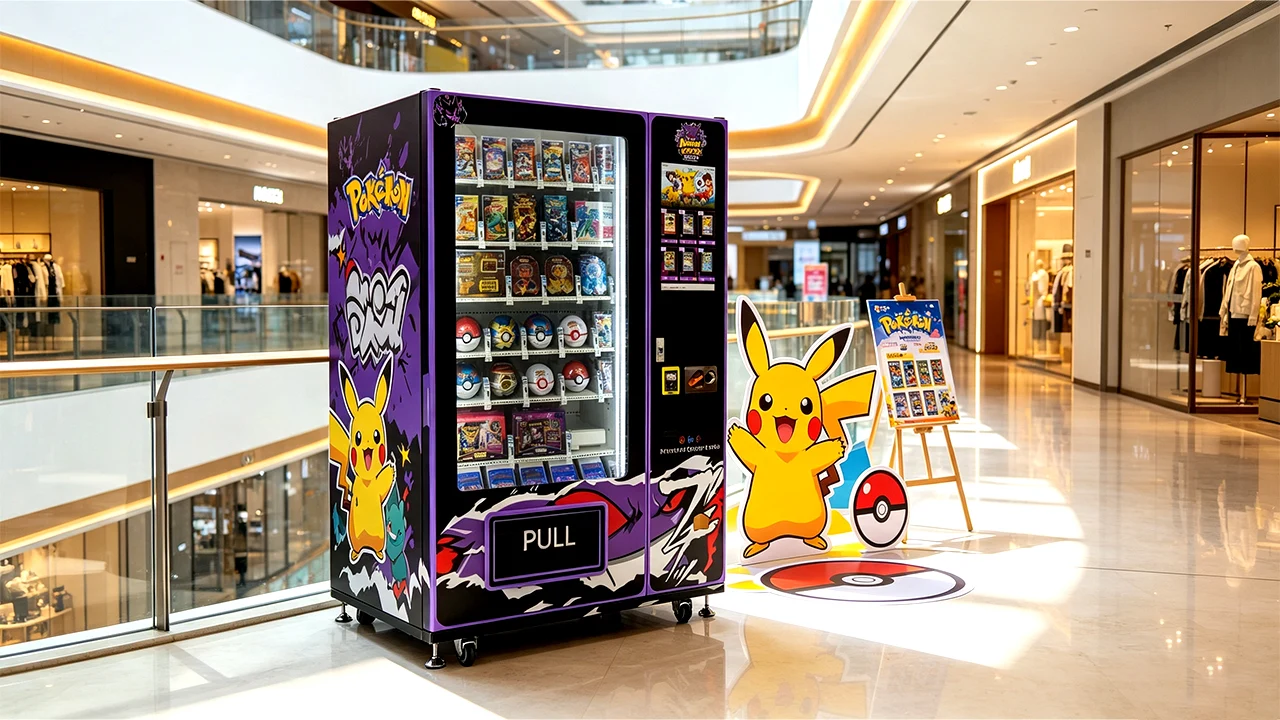
These figures are based on my own operational data and discussions with other operators in the Netherlands. Keep in mind that revenue can vary significantly based on the specific location within each category. For example, a machine on a busy platform at Amsterdam Centraal will outperform one in a quiet corner of the same station.
How to Evaluate a Vending Machine Investment
Before you buy any machine, I recommend running a simple calculation. Estimate the monthly foot traffic at the location, multiply by the average conversion rate (typically 2% to 5% for vending machines), and then multiply by the average transaction value (usually €2 to €4). This gives you a rough monthly revenue projection. Then subtract your costs: product cost (50% to 60% of revenue), rent (10% to 20%), electricity (€30 to €60), maintenance (€50 to €100), and payment fees (2% to 3%). The result is your monthly net profit.
If the net profit is at least 15% of the machine’s cost per month, it’s a good investment. For example, if a machine costs €4,000 and you estimate a net profit of €400 per month, that’s a 10% monthly return, which is excellent. If the net profit is only €100 per month, it will take over three years to break even, and that’s assuming no major breakdowns.
I also recommend factoring in a “learning curve” for the first three months. You’ll likely make mistakes with product selection, pricing, and restocking frequency. Budget for lower sales during this period. Once you have three months of data, you can fine-tune your approach.
Food Safety and Regulations in the Netherlands
If you’re selling perishable items like fresh sandwiches, salads, or dairy products, you need to comply with Dutch food safety regulations. The Netherlands Food and Consumer Product Safety Authority (NVWA) oversees these rules. You’ll need to register your business, ensure your machine maintains proper temperatures (below 4°C for refrigerated items), and label all products with expiration dates and allergen information.
I’ve had to pull machines from locations because the temperature control failed and I couldn’t guarantee food safety. It’s not worth the risk. Always buy machines with reliable cooling systems and install temperature monitoring sensors that alert you if the temperature goes out of range. According to the NVWA’s guidelines, you can find more details at nvwa.nl.
Self-Service Kiosks and Automated Retail Trends
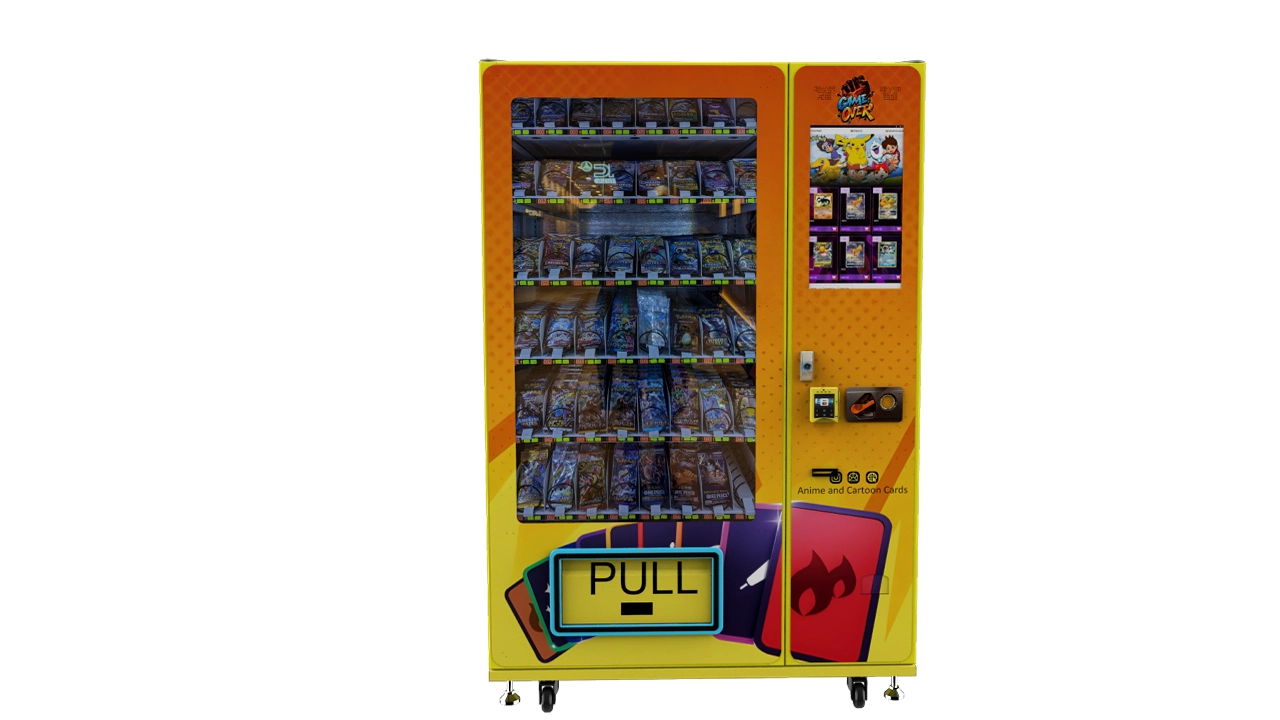
The vending industry is evolving rapidly. I’ve seen a growing interest in self-service kiosks that offer more than just snacks. These include machines that sell electronics, cosmetics, and even fresh pizza. In Amsterdam, I’ve noticed an increase in “micro-markets”—unattended retail spaces with multiple machines and a self-checkout system. These setups require more investment but can generate higher revenue per square meter.
Another trend is the integration of machine en libre-service (French for self-service machine) with loyalty programs and mobile apps. Some operators in Amsterdam are using apps that allow customers to pre-order items and pick them up from a machine, reducing wait times and increasing convenience. While this is still niche, I expect it to become more common in the next few years.
For operators who want to stay ahead, I recommend investing in machines with remote monitoring and data analytics capabilities. These systems let you track sales in real time, predict restocking needs, and identify underperforming products. Zhongda Smart’s machines, for example, come with a cloud-based management platform that I’ve found very useful for optimizing my operations.
FAQ: Common Questions About Vending Machines in Amsterdam
Are vending machines profitable in Amsterdam?
Yes, they can be profitable if you choose the right location and manage costs carefully. In my experience, a well-placed machine can generate €1,000 to €3,000 per month in revenue, with net profits ranging from €200 to €600 after all expenses. However, profitability varies widely based on location, product mix, and operational efficiency.
How much does a vending machine cost?
A new basic snack and drink machine costs between €3,000 and €6,000. Refrigerated machines for fresh food are more expensive, typically €5,000 to €9,000. Used or refurbished machines can be found for €1,500 to €3,500, but they may require more maintenance. I always recommend budgeting an additional €500 to €1,000 for installation, payment systems, and initial inventory.
How long does it take to recoup the investment?
In my experience, a well-located machine pays for itself within 12 to 18 months. If you buy a used machine and place it in a high-traffic spot, you might see payback in 8 to 12 months. For new, high-end machines, the payback period can be 18 to 24 months. Always run a detailed projection before purchasing.
Should I buy or lease a vending machine?
Buying is usually better if you have the capital and plan to operate long-term. Leasing can be a good option if you want to test the market with minimal upfront investment, but you’ll pay higher monthly fees and may not build equity. I’ve seen operators lose money on leases because the monthly payments ate into their profit margins.
Where should I place a vending machine in Amsterdam?
Look for locations with high foot traffic and high dwell time: train stations, university campuses, office buildings, gyms, and hospital waiting rooms. Avoid areas with easy access to supermarkets or cafés. Always negotiate a written contract with the property owner before placing the machine.
What permits or licenses do I need?
You need to register your business with the Dutch Chamber of Commerce (KVK). If you sell food, you must register with the NVWA and comply with food safety regulations. Some locations, like train stations, may require additional permits from the property owner. I recommend consulting a local business advisor to ensure you meet all legal requirements.
How do I choose a vending machine supplier?
Look for a supplier with a proven track record, good after-sales support, and modern payment systems. I’ve had positive experiences with Zhongda Smart, which offers reliable machines and remote monitoring software. Other reputable brands include Crane, N&W, and Azkoyen. Always read reviews and, if possible, visit the supplier’s showroom before buying.
What happens if the machine breaks down?
You need a maintenance plan. I schedule monthly inspections and keep a stock of common spare parts like coils, motors, and card readers. For major repairs, I have a contract with a local technician who can respond within 24 hours. If you’re not comfortable with basic repairs, factor in a maintenance service fee of €50 to €100 per month.
How can I reduce restocking and maintenance costs?
Use a machine with remote monitoring to track inventory in real time. This allows you to restock only when needed, reducing trips and labor costs. Also, choose a location that’s easy to access for restocking. I’ve seen operators waste hours driving across the city to restock a single machine—plan your route efficiently.
Final Thoughts
Starting a vending machine business in Amsterdam can be a solid investment if you approach it with realistic expectations and careful planning. The city offers diverse opportunities, but success depends on choosing the right location, investing in reliable equipment, and staying on top of maintenance and inventory. I’ve seen operators build profitable businesses by starting small, learning from their data, and scaling gradually.
If you’re still wondering what is the best vending machine company in Amsterdam Netherlands, I’d say focus less on the brand name and more on the specific features that match your needs: payment flexibility, build quality, and local support. Zhongda Smart is one option I’ve used and found reliable, but the best choice is the one that fits your budget, location, and product strategy. Test a single machine first, track everything, and only then decide whether to expand.
Disclaimer: The figures and insights in this article are based on my personal experience operating vending machines in Amsterdam and the Netherlands, as well as publicly available industry data. Actual results may vary depending on location, market conditions, and operational decisions. This article does not constitute financial or legal advice. Always consult with a qualified professional before making investment decisions.
- online service