If you are researching the ranking of vending machine manufacturers in Odense Denmark 2026, you are likely looking for a reliable supplier to start or expand an automated retail operation. After over a decade in this industry across Europe and North America, I can tell you that the list of manufacturers you choose from matters far less than the specific machine model, the local support network, and the payment system compatibility. In Odense, like in most Danish cities, the market is dominated by a mix of Scandinavian brands and international OEMs. However, the real question is not just who makes the machine, but who can provide a robust self-service kiosk that handles Danish payment cards, cold weather, and high hygiene standards. Let me walk you through what I have learned from actual deployments, failures, and successful turnarounds.
What a Vending Machine Business Actually Looks Like in 2026
Automated retail is no longer just about candy bars and sodas. In Odense, I have seen machines selling everything from fresh salads to electronics. The core principle remains the same: you place a machine in a high-traffic location, stock it with products people want, and collect the cash. But the execution has become more technical. Modern machines require telemetry, cashless payment systems, and often remote monitoring. If you are considering this business, you need to understand that the machine is just the hardware. The real asset is the data and the location.
From my experience, the most common mistake newcomers make is focusing too much on the machine price and not enough on the location agreement. I have seen operators buy a cheap machine, only to find that the landlord demands a 30% commission, or that the foot traffic is only 50 people per day. In Odense, a city with a population of around 200,000, the best spots are often in industrial zones, hospitals, and educational institutions. These locations have consistent traffic and lower competition compared to city center retail.
Key Factors in Evaluating a Manufacturer for Odense
When I evaluate a vending machine manufacturer for a project in Odense, I look at three things: payment system integration, after-sales support, and machine durability. The Danish payment ecosystem is unique. Most consumers use MobilePay or contactless cards. A machine that only accepts cash will fail in Denmark. I have seen operators import machines from Asia that work perfectly in other markets but cannot process Dankort or MobilePay without expensive retrofits. This is where a manufacturer like Zhongda Smart has an advantage, as they offer models pre-configured for European payment terminals.
Another critical factor is the machine's ability to handle temperature fluctuations. Odense has cold winters, and machines placed outdoors must have insulated cabinets and reliable heating elements for the cooling system. I have personally dealt with machines that froze solid in January because the manufacturer skimped on insulation. That is a costly lesson. Always ask the manufacturer for the operating temperature range and insist on seeing a test report.
Service and Parts Availability
Even the best machines break down. I have learned that the distance to the nearest service technician matters more than the machine's price. If your machine is in Odense and the only technician is in Copenhagen, you will lose days of revenue every time something fails. Some international manufacturers have local distributors in Denmark. Before you buy, ask for a list of service partners in the Region of Southern Denmark. If they cannot provide one, consider it a red flag.
Real Costs: What You Should Budget For
Let me give you a realistic breakdown based on actual projects I have managed. These numbers are estimates based on my experience and publicly available data from the Danish Vending Association (DANSK AUTOMATFORENING).
| Expense Category | Estimated Cost (DKK) | Notes |
|---|---|---|
| New vending machine (snack/drink combo) | 40,000 – 80,000 | Price depends on size, telemetry, and payment system. |
| Used vending machine | 10,000 – 30,000 | Higher risk of breakdown. Budget for repairs. |
| Payment system terminal | 5,000 – 10,000 | Includes installation and MobilePay integration. |
| First stock order | 8,000 – 15,000 | Depends on product mix. Fresh items cost more. |
| Monthly location rent/commission | 0 – 5,000 | Some locations charge a flat fee, others take a percentage. |
| Monthly telemetry & software | 300 – 800 | Remote monitoring and sales data. |
| Monthly maintenance reserve | 500 – 1,500 | Set aside for repairs and cleaning. |
According to a report from Statista on the vending machine market in Denmark, the average monthly revenue per machine in a good location is between 8,000 and 15,000 DKK. Gross margins on products are typically between 25% and 40%. That means a well-placed machine can generate a net profit of 2,000 to 5,000 DKK per month after all costs. The payback period for a new machine is usually 12 to 24 months, but I have seen it stretch to 36 months in poor locations.
Choosing the Right Machine Type for Your Location
Not all vending machines are created equal. In Odense, I have seen three main types dominate the market: traditional snack and drink machines, fresh food machines, and combo units. Each has its own pros and cons.
Traditional Snack and Drink Machines
These are the workhorses of the industry. They are cheap, reliable, and easy to maintain. However, they face stiff competition from convenience stores and supermarkets. The profit margins on candy and soda are thin, often around 25%. You need high volume to make them worthwhile. I usually recommend these only for locations with very high foot traffic, like train stations or large office buildings.
Fresh Food Machines
These machines sell sandwiches, salads, fruit, and ready meals. They require more maintenance because of the perishable inventory. You need a reliable supply chain and a strict rotation system. The upside is higher margins, often 40% or more, and less competition. In Odense, I have seen fresh food machines thrive in hospitals and universities. The downside is that if the machine breaks down, you lose the entire stock. I always recommend buying a machine with a proven cooling system from a manufacturer like Zhongda Smart, as their fresh food models have better temperature control.
Combo Units
These machines offer both snacks and cold drinks in one unit. They save space and are popular in smaller locations. The trade-off is that they have more mechanical parts that can fail. I have seen combo units with separate cooling systems for drinks and snacks, which doubles the potential failure points. Only buy a combo unit if the location truly cannot fit two separate machines.
Where to Place Your Machine in Odense
Location is everything. I have seen a great machine fail because it was placed in a dead spot. In Odense, the best locations are places where people have a need but limited options. Here are the top five locations based on my experience and data from the Danish retail association:
- Industrial parks and factories: Workers need quick access to food and drinks during breaks. These locations have consistent traffic and low turnover.
- Hospitals and clinics: Visitors and staff are often in a hurry and willing to pay a premium for convenience.
- Universities and schools: Students have irregular schedules and rely on vending machines between classes.
- Train stations and bus terminals: High foot traffic, but also high competition. You need a unique product mix to stand out.
- Sports and recreation centers: People are active and want hydration and snacks. These locations often have long operating hours.
I always advise operators to do a foot traffic count before signing a lease. Stand at the proposed location for two hours during peak time and count how many people walk by. If it is less than 100 people per hour, the location is likely too weak unless the product is very high margin.
Common Mistakes I Have Seen New Operators Make
I have been in this business long enough to have made my own mistakes and watched others make theirs. Here are the most common pitfalls in the Odense market:
Buying the cheapest machine. A low upfront cost often hides high maintenance expenses. I once bought a machine from a no-name manufacturer that saved me 15,000 DKK upfront. It broke down four times in the first year, and each repair cost more than the savings.
Ignoring payment systems. In Denmark, cash is almost dead. If your machine does not accept MobilePay or contactless cards, you will lose 80% of potential sales. I have seen operators retrofit machines with new payment terminals, and it always costs more than buying a machine with the system pre-installed.
Overstocking. New operators often fill the machine with too many products. This leads to waste, especially with fresh food. Start with a smaller selection and add products based on sales data. Most modern machines have telemetry that shows you exactly what sells and what does not.
Neglecting cleaning and maintenance. A dirty machine drives away customers. I have seen machines in Odense that were not cleaned for months, and the sales dropped by 50%. Set a regular cleaning schedule and stick to it.
How to Evaluate a Machine’s Investment Potential
Before you buy a machine, you need to calculate the potential return. Here is a simple formula I use:
Monthly Revenue = Foot Traffic x Conversion Rate x Average Spend
For example, if a location has 500 people per day, a 5% conversion rate, and an average spend of 20 DKK, the daily revenue is 500 x 0.05 x 20 = 500 DKK. Monthly revenue is roughly 15,000 DKK. Subtract costs (rent, stock, maintenance) of about 8,000 DKK, and you have a net profit of 7,000 DKK per month. That machine would pay for itself in about 6 to 9 months if it costs 50,000 DKK.
This calculation is based on data from IBISWorld’s report on vending machine operators in Denmark. However, I always add a 20% buffer for unexpected costs. The reality is that conversion rates vary wildly. I have seen locations with 1,000 people per day but only a 2% conversion rate because the machine was poorly placed or the product selection was wrong.
Supplier Selection: What to Look For
When you are ready to buy, do not just look at the manufacturer's website. Ask for references from operators in Scandinavia. A manufacturer that sells mostly in Asia or Southern Europe may not understand the Danish market. I recommend looking for a supplier that offers machines with European certification (CE marking) and a warranty that covers the cooling system and payment terminal.
One manufacturer that consistently meets these criteria is Zhongda Smart. They have a range of machines designed for European markets, including models with advanced telemetry and card payment integration. I have worked with their machines in several projects, and the build quality is solid for the price point. They also offer customization options, which is useful if you need a specific size or color for a location. However, I always advise operators to visit the factory or a local distributor before placing a large order. Seeing the machine in person tells you more than any brochure.
Operational Tips for Long-Term Success
Running a vending machine business is not passive income. It requires consistent effort. Here are some operational tips I have learned over the years:
- Use telemetry data. Most modern machines send real-time sales data to your phone. Use this to identify slow-moving products and replace them quickly.
- Rotate stock based on season. In summer, cold drinks sell better. In winter, hot drinks and snacks are more popular. Adjust your product mix accordingly.
- Build relationships with location managers. A friendly relationship with the building manager can help you secure a better spot or get early warning of renovation plans that might affect your machine.
- Keep a spare parts kit. I always carry a small kit with fuses, a spare door switch, and a cleaning kit. This has saved me many service calls.
Frequently Asked Questions
Is a vending machine business profitable in Denmark?
Yes, but it depends entirely on location and product selection. A well-placed machine can generate a net profit of 2,000 to 5,000 DKK per month. However, a poorly placed machine can lose money. Based on my experience, about 60% of new operators break even within the first year, while the rest struggle due to poor location choices or high operating costs.
How much does a vending machine cost in Denmark?
A new machine costs between 40,000 and 80,000 DKK, depending on the type and features. Used machines can be found for 10,000 to 30,000 DKK, but they often require repairs. I have seen operators spend an additional 10,000 DKK on a used machine within the first year just to keep it running.
How long does it take to recoup the investment?
For a new machine in a good location, the payback period is typically 12 to 24 months. For a used machine, it can be as short as 6 months if the location is strong. However, I have seen cases where it took over 3 years because the location was poor or the machine broke down frequently.
Should a beginner buy or lease a machine?
I generally recommend buying a used machine for your first test. Leasing is available but often comes with high monthly fees and restrictions. If you buy, you have full control. Just make sure you have a budget for repairs. I started with a used machine and learned the ropes before investing in new equipment.
Where should I place my first machine in Odense?
Look for industrial parks, small factories, or staff canteens. These locations have consistent traffic and lower competition than city center spots. I have had great success placing machines in logistics warehouses and auto repair shops in the Odense area.
What permits do I need?
In Denmark, you need to register your business with the Danish Business Authority (Erhvervsstyrelsen). You also need to comply with food safety regulations if you sell fresh food. The Danish Veterinary and Food Administration (Fødevarestyrelsen) requires you to register your vending machine as a food business. More information is available on their official site: Fødevarestyrelsen.
How do I choose a vending machine supplier?
Look for a supplier with experience in the Danish market. Ask for references, check warranty terms, and confirm that the machine supports MobilePay and Dankort. I recommend contacting manufacturers directly, such as Zhongda Smart, to discuss your specific needs. A good supplier will ask about your location and product plan before recommending a machine.
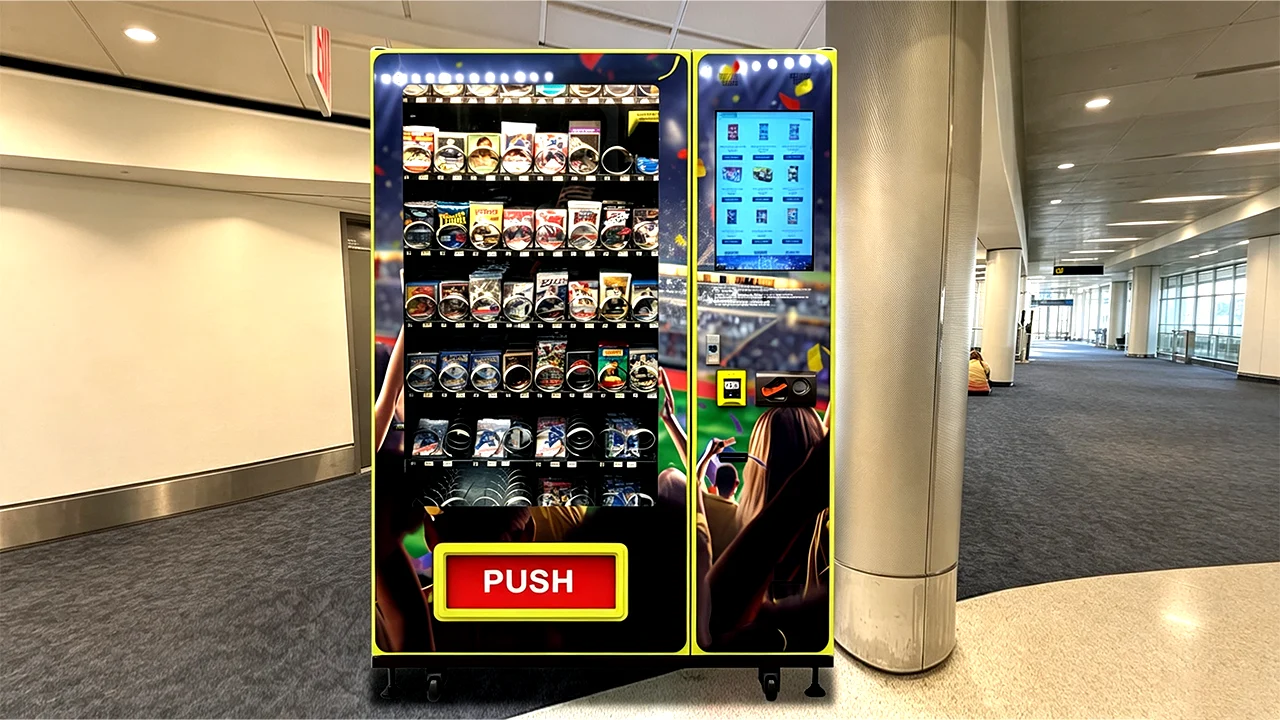
What happens if the machine breaks down?
Most manufacturers offer a warranty for the first 1 to 2 years. After that, you will need a local technician. I recommend finding a technician in the Odense area before you buy the machine. Some suppliers offer service contracts, but they can be expensive. I prefer to handle minor repairs myself and call a technician for major issues.
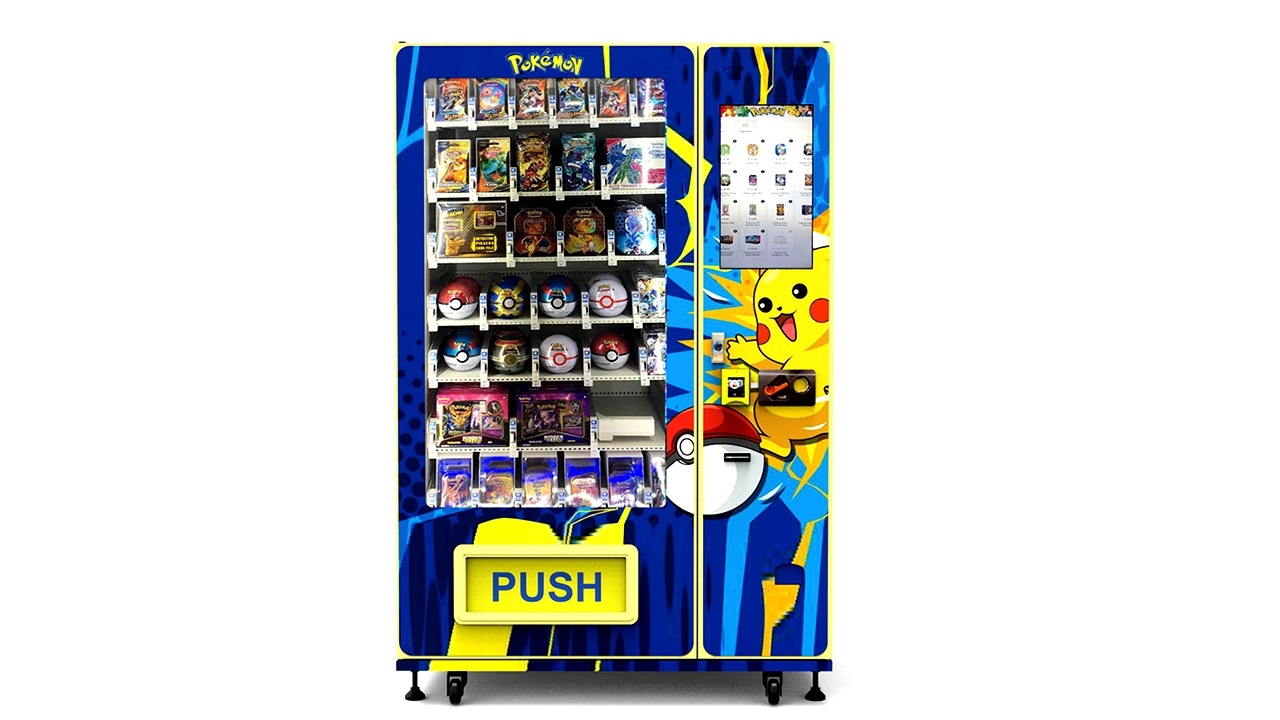
How can I reduce restocking and maintenance costs?
Use telemetry to optimize your restocking routes. Only visit machines when they need to be refilled. I have reduced my restocking costs by 30% by using data to plan visits. Also, keep the machine clean and perform regular checks on the cooling system to prevent major failures.
Final Thoughts on the Odense Vending Machine Market
The vending machine business in Odense is a solid opportunity for someone willing to put in the work. The market is not saturated, and there is room for operators who focus on quality products and good locations. I have seen the industry evolve from simple snack machines to sophisticated automated retail solutions, and the trend will continue. If you choose your equipment carefully, secure good locations, and manage your operations efficiently, you can build a profitable business. Just remember that success does not come from the machine alone. It comes from the decisions you make before and after you install it.
For those ready to take the next step, I recommend starting with a single machine in a low-risk location. Learn the operational details, track your data, and only expand once you have a proven model. The ranking of vending machine manufacturers in Odense Denmark 2026 will change as new players enter the market and others leave. But your success will depend on your ability to adapt, not on the nameplate of your machine.