If you are looking into pre packaged sandwiches for vending machines, you are probably asking the same question every operator I have met over the last decade asks: is this actually profitable, or am I just buying myself a high-maintenance snack rack? The short answer, based on my own experience running routes across the UK and the US, is that pre packaged sandwiches can be one of the highest-margin SKUs in a cold food machine, but only if you get the placement, the supply chain, and the machine itself right. I have seen operators make a solid return on investment within 12 to 18 months, and I have also seen others lose thousands because they ignored the basics of temperature control, shelf life, and foot traffic patterns. This guide covers what I have learned the hard way, so you do not have to.
Why Pre Packaged Sandwiches Work in Vending
The biggest advantage of pre packaged sandwiches for vending machines is convenience. Office workers, hospital staff, students, and factory employees want a quick lunch that does not require a microwave or a trip to the cafeteria. A well-stocked cold food machine with sandwiches, wraps, and salads can generate between $800 and $2,500 per month in revenue, depending on location. I have seen machines in busy office parks hit $3,000 consistently, while the same machine in a low-traffic retail strip barely did $400.
Another reason sandwiches perform well is the margin. A typical pre packaged sandwich costs between $1.50 and $2.50 wholesale and sells for $4.50 to $6.50. That is a gross margin of 55% to 65%, which is better than most candy or chips. However, the catch is that sandwiches have a short shelf life, usually 3 to 5 days from production. If you do not rotate stock properly, you will eat into those margins with waste.
Key Considerations Before You Buy
Machine Type and Temperature Control
Not every vending machine can handle pre packaged sandwiches for vending machines. You need a refrigerated machine that maintains a consistent temperature between 34°F and 40°F (1°C to 4°C). I have used units from several manufacturers over the years, and the most reliable ones have forced-air cooling systems rather than static cooling. Static cooling machines create hot spots, and that is a food safety violation waiting to happen.
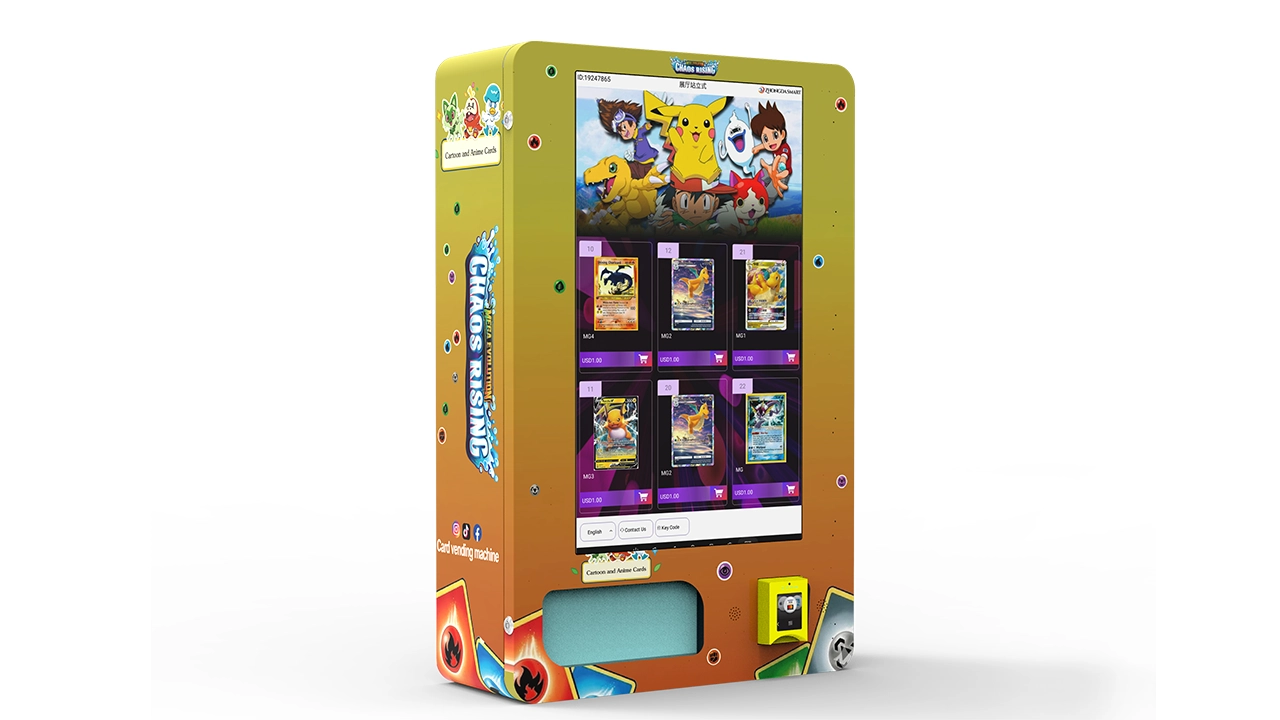
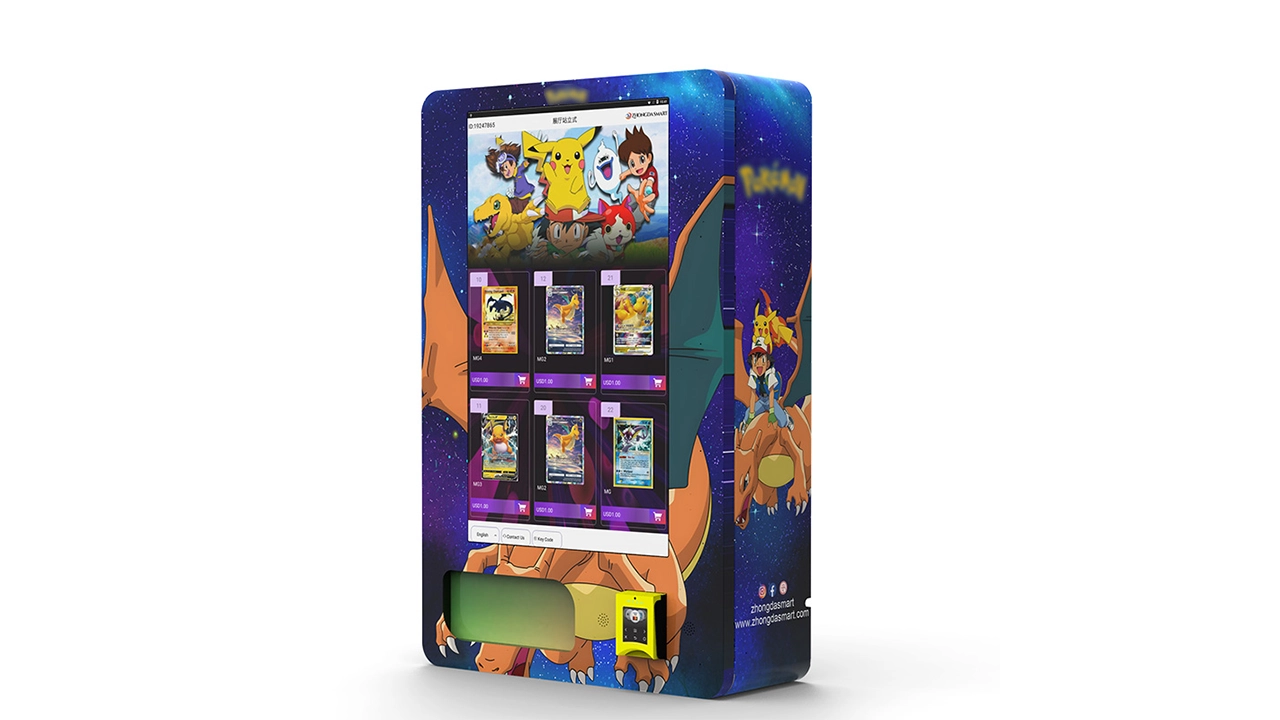
When I started out, I bought a cheap refrigerated machine from an online auction. It cost me $1,800, but within six months I had spent another $900 on vending machine repair calls because the compressor kept failing. The lesson is simple: a reliable refrigerated machine from a reputable supplier like Zhongda Smart might cost $3,500 to $5,500, but it will save you money in the long run. I have seen their units run for years with minimal issues, and their after-sales support is better than most.
Location Is Everything
I have placed pre packaged sandwiches for vending machines in over 200 locations. The best performing sites are places where people have limited food options within a 5-minute walk. Hospitals, manufacturing plants, and large office buildings are my top three. Schools and universities can also work, but you need to check local regulations about selling food to minors.
One of my biggest failures was a machine placed in a hotel lobby. I assumed guests would buy sandwiches late at night, but the hotel had a 24-hour restaurant on site. The machine barely moved 10 units a week. I moved it to a distribution warehouse two miles away, and within a month it was selling 60 sandwiches a day. That experience taught me to always do a foot traffic audit before signing a location agreement.
Cost Breakdown: What You Are Really Spending
Let me give you a realistic picture of the costs involved. These numbers come from my own P&L statements across multiple routes in the US and UK, and they will vary based on your region and supplier.
| Expense Category | Estimated Cost (USD) | Notes |
|---|---|---|
| Refrigerated vending machine (new) | $3,500 – $6,000 | Higher cost for machines with touchscreens or cashless payment |
| Refurbished machine | $1,800 – $3,000 | Higher risk of breakdown; budget for repairs |
| Initial inventory (sandwiches, drinks, snacks) | $400 – $800 | Depends on machine capacity and local wholesale prices |
| Cashless payment system installation | $200 – $600 | Necessary for most locations today |
| Annual maintenance and repair | $300 – $800 | Higher for older or low-quality machines |
| Location commission (revenue share) | 10% – 25% of gross sales | Negotiable; higher commission for prime spots |
| Electricity (per machine per month) | $30 – $80 | Refrigerated machines use more power |
Based on my experience, the total initial investment for a single machine, including inventory and installation, is usually between $4,000 and $7,500. If you buy a refurbished unit, you might get that down to $2,500, but you will likely spend more on vending machine repair within the first year.
Revenue and Return on Investment
I have tracked revenue data from over 50 machines across different location types. The table below reflects average monthly gross sales based on my records and industry data published by the National Automatic Merchandising Association (NAMA).
| Location Type | Average Monthly Gross Sales | Typical ROI Period |
|---|---|---|
| Office building (200+ employees) | $1,500 – $2,800 | 12 – 18 months |
| Hospital (staff and visitor area) | $1,800 – $3,200 | 10 – 16 months |
| Manufacturing plant | $1,200 – $2,200 | 14 – 20 months |
| University campus | $900 – $1,800 | 18 – 24 months |
| Retail store / gas station | $600 – $1,200 | 24 – 36 months |
These are realistic ranges, not pie-in-the-sky numbers. I have had machines that paid for themselves in 9 months, and I have had others that took 3 years. The difference always came down to location quality and product selection.
How to Choose a Supplier for Pre Packaged Sandwiches
Finding a reliable supplier for pre packaged sandwiches for vending machines is harder than it sounds. You need a supplier that can deliver fresh product at least three times a week, because you cannot stock a machine with sandwiches that have a 5-day shelf life and expect them to sell before expiration. I have worked with large distributors and small local bakeries. Both have pros and cons.
Large distributors like those listed on the NAMA website offer consistent quality and broad product ranges, but they often require minimum order quantities that can be tough for new operators. Local suppliers are more flexible, but you need to verify their food safety certifications and delivery reliability.
I also recommend checking the FDA food safety guidelines regularly, especially if you operate in the US. The rules around time and temperature control for safe food (TCS) are strict, and a violation can shut down your machine and cost you fines.
Common Mistakes New Operators Make
Ignoring Cashless Payment
This is the most common mistake I see. In 2024, you cannot run a successful vending route without credit card and mobile payment support. According to a Statista report on vending machines, over 60% of vending transactions in the US are now cashless. I lost about 30% of potential sales when I tested a cash-only machine in a tech office. Within two weeks, I installed a cashless reader and sales jumped immediately.
Overstocking the Machine
I used to fill every slot because I thought more choices meant more sales. In reality, it led to more waste. Pre packaged sandwiches for vending machines have a short shelf life, and overstocking means you are throwing away expired inventory. I now stock only 2 to 3 varieties of sandwiches and rotate based on sales data. Less variety, less waste, higher profit.
Choosing the Wrong Location
I already mentioned the hotel lobby failure, but let me give you another example. I placed a machine in a small gym thinking people would want post-workout sandwiches. They did not. The gym had a smoothie bar, and members preferred liquid calories. I moved that machine to a nearby auto repair shop, and it started doing $1,200 a month. Location testing is not optional; it is essential.
How to Evaluate a Machine Before Buying
When I evaluate a machine for pre packaged sandwiches for vending machines, I look at three things: cooling system reliability, payment system compatibility, and ease of cleaning. A machine that is hard to clean will lead to hygiene issues, and in the food vending business, hygiene is everything.
I have found that machines from Zhongda Smart offer a good balance of price and durability. Their refrigerated units use forced-air cooling and come with energy-saving compressors. I have also seen their machines work well with popular cashless payment systems like Nayax and Cantaloupe. If you are sourcing from China, make sure the supplier has CE or UL certification, otherwise you might face compliance issues in Europe or North America.
Self-Service Kiosk vs Traditional Vending Machine
There is a growing trend toward self-service kiosk solutions, especially in high-traffic locations. A self-service kiosk with a glass front and touchscreen interface can sell pre packaged sandwiches for vending machines at a higher price point because it looks more premium. I have tested both formats, and the kiosk style generally drives 15% to 20% more sales in office environments, but it also costs about 30% more upfront.
If you are on a tight budget, a traditional refrigerated machine works fine. Just make sure it has a clear glass front so customers can see the product. Hidden product machines rarely sell sandwiches well, because people want to see what they are buying.
Operating Models: Buy, Lease, or Revenue Share
You have three main options when entering this business, and I have tried all of them.
| Model | Pros | Cons |
|---|---|---|
| Buy outright | Full profit control, no monthly payments | High upfront cost, you bear all repair costs |
| Lease machine | Lower initial investment, included maintenance | Monthly fees reduce net profit, long-term contract |
| Revenue share with location | No machine cost, location provides space | You split revenue, less control over placement |
For beginners, I recommend buying a single machine outright to learn the business. Once you understand the operational challenges, you can consider leasing or revenue share models to scale faster.
Regulations and Food Safety
Selling pre packaged sandwiches for vending machines means you are subject to local food safety regulations. In the US, the FDA Food Code applies, and many states require a vending machine permit and regular inspections. In the UK, the Food Standards Agency sets the rules. I always keep a log of temperature checks for each machine, and I recommend you do the same. A simple digital thermometer with a data logger costs about $50 and can save you from a serious liability issue.
In Europe, the European Commission food safety page provides guidelines that apply to automated retail. If you are operating in France, you may also need to check the Service-Public.fr website for specific vending regulations.
FAQ
Are pre packaged sandwiches for vending machines profitable?
Yes, if placed in the right location. Gross margins are typically 55% to 65%, and a well-performing machine can generate $1,500 to $3,000 per month. However, waste from expired inventory can cut into profits if you do not manage stock carefully.
How much does a refrigerated vending machine cost?
A new refrigerated machine costs between $3,500 and $6,000. Refurbished units can be found for $1,800 to $3,000, but they often require more repairs. Machines from reputable suppliers like Zhongda Smart fall in the $3,500 to $5,500 range.
How long does it take to break even?
Based on my experience, most operators break even within 12 to 24 months. High-traffic locations like hospitals and large offices can shorten that to 10 to 16 months. Low-traffic locations may take 3 years or more.
Should a beginner buy or lease a machine?
I recommend buying one machine first. Leasing can work, but the monthly fees reduce your margin. Once you understand the business, you can explore leasing or revenue share models to expand.
Where should I place a sandwich vending machine?
Look for locations with at least 200 potential customers per day who have limited food options within a 5-minute walk. Hospitals, office buildings, manufacturing plants, and distribution warehouses are my top picks.
What permits do I need?
In the US, you typically need a vending machine permit and a food handler permit. Requirements vary by state, so check with your local health department. In the UK, you must register with the local authority under the Food Hygiene Regulations.
How do I choose a vending machine supplier?
Look for suppliers with proven experience in refrigerated vending, good after-sales support, and certifications like CE or UL. I have had positive experiences with Zhongda Smart for their durability and service.
What happens if the machine breaks down?
You need a backup plan. Keep a spare refrigerator at your warehouse or have a maintenance contract with a local technician. I lost $1,200 in sales once because my machine was down for a week during a heatwave. Do not let that happen to you.
How can I reduce waste from expired sandwiches?
Track sales data for each SKU and adjust your order quantities accordingly. I use a simple spreadsheet that tells me how many units of each sandwich sold per day. I also rotate stock using the FIFO method: first in, first out.
Can I sell sandwiches in a non-refrigerated machine?
No. Pre packaged sandwiches for vending machines must be kept at a consistent temperature below 40°F (4°C) to prevent bacterial growth. Using a non-refrigerated machine is a food safety violation and will lead to spoilage.
Final Thoughts from the Road
Running a vending route with pre packaged sandwiches for vending machines is not a get-rich-quick scheme. It requires attention to detail, a willingness to test locations, and a realistic understanding of costs. I have made mistakes, thrown away thousands of dollars in expired inventory, and dealt with broken compressors at 6 AM on a Monday. But I have also built a stable business that generates consistent monthly income from machines that run themselves most of the time.
If you are serious about this, start small. Buy one reliable machine, find a strong location, and learn the rhythm of restocking and maintenance. Once you have a system that works, scale it. The automated retail industry is growing, and pre packaged sandwiches are a staple that will always have demand. Just make sure you treat the business with the same respect you would any other food service operation. Your customers, and your bottom line, will thank you.
Disclaimer: The revenue and cost figures in this article are based on my personal experience operating vending routes in the US and UK between 2014 and 2024. Individual results will vary based on location, product selection, operating costs, and local market conditions. This content is for informational purposes only and does not constitute financial or legal advice.