After a decade in this industry, I can tell you the single question I hear most often: Are vending machines actually a viable business today, or is the model dying? The short answer is that automated retail is not only alive—it is expanding faster than I have seen in my entire career. What has changed is the technology inside the cabinet and the way operators think about locations. The modern vending machine is no longer a metal box that drops candy bars. It is a connected, data-driven retail point that can sell fresh food, electronics, or even hardware supplies. I have personally placed machines in office towers, manufacturing plants, hospitals, and university dorms across Europe and North America. The ones that work well share one thing: they are treated as a real retail channel, not a passive income hack. In this article, I will walk you through what I have learned from years of hands-on work—what to buy, where to put it, what it costs, and how to avoid the mistakes that eat your margin.
The Shift from Traditional Vending to Automated Retail
The term "vending machine" used to bring to mind a glass-fronted unit selling chips and soda. That model still exists, but it represents a shrinking share of the market. What has taken its place is a broader category called automated retail. This includes self-service kiosks that sell hot food, touchscreen units that dispense personal protective equipment, and even machines that vend electronics or beauty products. I have seen a single self-service kiosk in a German train station generate more revenue per square foot than a small convenience store. The reason is simple: the machine never closes, never calls in sick, and never argues about overtime.
Automated retail works because it removes friction. A customer walks up, taps a card or phone, and walks away with the product in under thirty seconds. No checkout line, no small talk, no cashier. For the operator, the economics are attractive once you get past the initial investment. According to a report by IBISWorld, the vending machine industry in the United States alone was valued at over $7 billion in 2023, with a steady annual growth rate of around 2.5 percent. In Europe, the market is similarly robust, with countries like France, Germany, and the UK leading in machine density per capita. The data from Statista shows that the number of vending machines in Western Europe exceeded 4 million units in 2022, and that number continues to climb as more businesses adopt contactless payment and remote monitoring.
What drives this growth is not just convenience. It is the ability to place a retail point in a location that cannot support a full staffed store. A warehouse with fifty employees, for example, will never justify a canteen. But a well-placed vending machine with hot meals and drinks can serve that workforce at a fraction of the cost. I have operated machines in logistics centers where the monthly turnover per machine hit €4,000. That is not an outlier—it is repeatable if the location and product mix are right.
How I Evaluate a Location Before Placing a Machine
Location is the single most important factor in vending machine profitability. I have seen operators buy expensive equipment, stock it with premium products, and then wonder why it fails. The answer is almost always foot traffic. A machine in a low-traffic area will not generate enough transactions to cover the cost of goods, rent, and maintenance. I use a simple rule: the location must have at least 150 to 200 potential customers passing by each day. That does not mean 150 people walking past. It means 150 people who are likely to buy something because they are captive—workers on a break, students between classes, patients waiting in a clinic.
I also look at the dwell time. A busy train station might have thousands of people walking through, but if they are rushing to catch a train, they may not stop to browse. Locations with a natural pause—like a break room, a lobby seating area, or a corridor near a cafeteria—perform better. I once placed a machine in a hospital staff break room that generated more revenue than a machine placed in the main hospital entrance. The reason was simple: nurses and doctors had five minutes to sit down and eat, so they bought meals and snacks. The entrance had foot traffic but no dwell time.
Rent negotiation is another area where experience matters. Many new operators overpay for placement. I have seen contracts where the location owner asks for 20 percent of gross sales as commission. That is too high for most vending operations. A reasonable commission is between 5 and 10 percent, depending on the location and the expected volume. In high-traffic spots like airports or large manufacturing plants, you might accept a higher commission because the volume compensates. But for a typical office building or small factory, I aim for 8 percent or less.
Equipment Selection: What I Have Learned About Machines
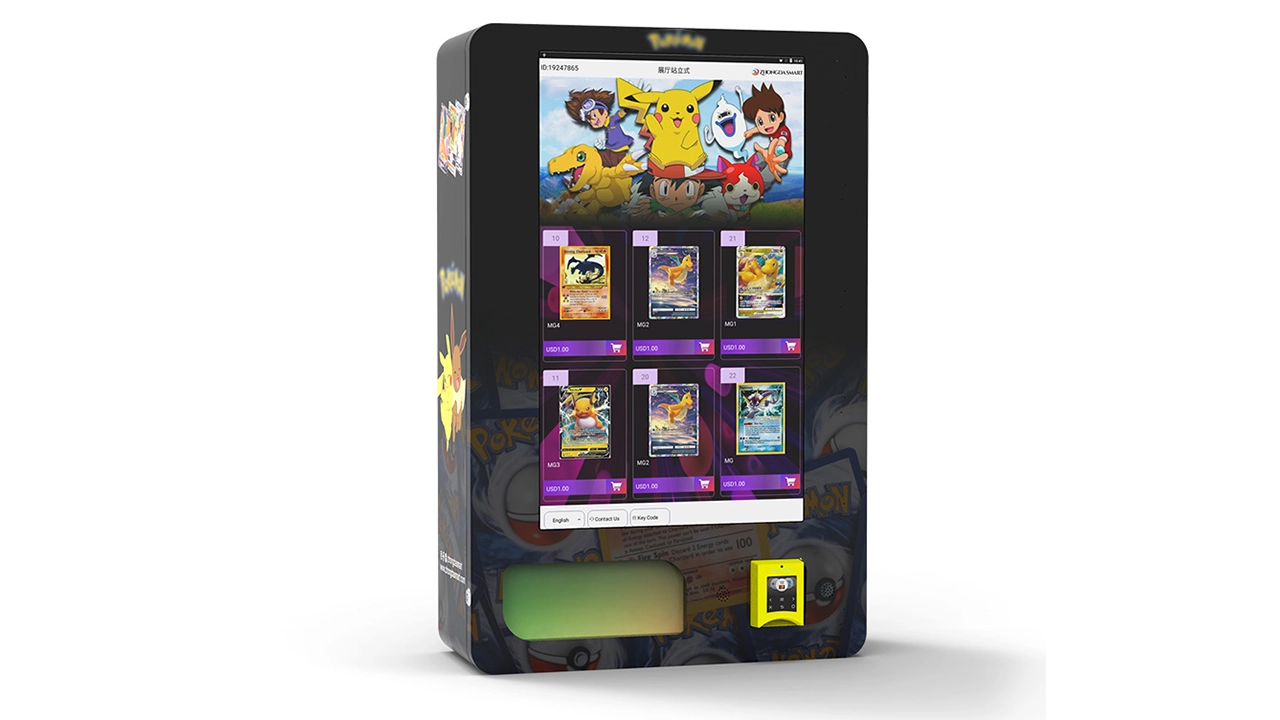
Not all vending machines are built the same. I have made the mistake of buying cheap machines early in my career, and I paid for it in repair costs and lost sales. The most important feature to look for is a reliable cooling system. If the machine cannot maintain temperature, you will lose perishable inventory and get complaints from customers. I have seen machines from Chinese manufacturers like Zhongda Smart that offer solid refrigeration and telemetry at a competitive price point. For a new operator looking to keep upfront costs reasonable while still getting a machine that lasts, that is a good starting point.
Another critical feature is the payment system. In 2025, a vending machine that only takes cash is a liability. I recommend machines that accept contactless cards, mobile wallets, and even QR code payments. The European market, in particular, has moved heavily toward cashless transactions. According to data from the European Central Bank, card payments overtook cash payments in the euro area for the first time in 2022, and the trend has only accelerated. If your machine cannot accept a tap-to-pay card, you are excluding a large percentage of potential buyers.
Telemetry or remote monitoring is another feature I consider non-negotiable. A machine without connectivity means you have to visit it to check inventory and sales. That wastes time and fuel. With telemetry, I can see in real time which products are selling, which are not, and whether the machine has a technical issue. I have reduced my weekly visit frequency from three times per week to once per week by using telemetry. That alone cuts labor and transportation costs by roughly 60 percent.
Cost Breakdown: What You Really Need to Budget For
Let me give you a realistic cost picture based on my experience. I will use figures in euros because that is what I work with in Europe, but the ratios are similar in dollars. A new, mid-range vending machine with telemetry, a glass front, and a cooling system costs between €3,500 and €6,000. A high-end machine with a touchscreen, multiple temperature zones, and a robotic dispensing system can cost €8,000 to €12,000. Used machines are available for €1,500 to €3,000, but I caution against buying used unless you have a technician inspect the cooling unit and the payment system. I have seen used machines fail within six months, and the repair cost often exceeds the savings.
Beyond the machine itself, you need to budget for installation, which includes delivery, setup, and sometimes minor electrical work. That runs €300 to €800 per machine. Then there is the initial inventory. For a machine stocking snacks and drinks, I budget about €500 to €800 for the first fill. For a fresh food machine, the initial stock is higher because the products are more expensive and have shorter shelf lives—expect €1,000 to €1,500.
Ongoing costs include restocking labor, product cost, machine maintenance, and location rent or commission. I estimate that a single machine costs about €150 to €250 per month to operate, excluding the cost of goods sold. The cost of goods sold typically runs 40 to 50 percent of revenue, depending on the product mix. If you sell branded snacks, your margin is lower. If you sell private-label or higher-margin items like healthy snacks or specialty drinks, your margin improves.
Here is a simple table I use to compare different machine types based on my own operational data:
| Machine Type | Initial Cost (€) | Monthly Revenue Range (€) | Gross Margin | Typical Payback Period |
|---|---|---|---|---|
| Snack & drink combo (basic) | 3,500 – 5,000 | 800 – 1,500 | 45 – 55% | 12 – 18 months |
| Fresh food machine (chilled) | 6,000 – 9,000 | 1,500 – 3,000 | 50 – 60% | 14 – 20 months |
| High-end touchscreen kiosk | 8,000 – 12,000 | 2,000 – 4,000 | 50 – 60% | 16 – 24 months |
| Used refurbished machine | 1,500 – 3,000 | 600 – 1,200 | 40 – 50% | 10 – 18 months |
These figures are based on my own operations in Western Europe. Your results will vary depending on location, product pricing, and how efficiently you manage restocking. The payback period assumes you are not paying a high commission. If the location takes 15 percent of gross sales, add three to six months to the payback.
Operating a Vending Machine Business: What They Don't Tell You
One of the biggest surprises for new operators is how much time goes into product management. You cannot just fill a machine and forget it. You need to track which items sell and which sit on the shelf for weeks. I use the sales data from my telemetry system to adjust the product mix every two weeks. If a product has less than 10 percent sell-through in a month, I replace it. That kind of discipline is what separates profitable routes from money-losing ones.
Another hidden cost is machine repair. Even the best machines break. The most common issues are jammed vending mechanisms, failed cooling compressors, and payment system errors. I recommend building a relationship with a local technician who can do vending machine repair on short notice. If you operate more than ten machines, it may be worth having a spare machine on hand to swap out while the broken one is being repaired. I have seen operators lose an entire month of revenue because a machine sat broken while they waited for a technician.
Cash management is also more complex than people expect. Even though most transactions are cashless, you will still collect some cash. You need a system for counting, depositing, and reconciling that cash. I use a simple log sheet for each machine, and I reconcile the cash against the telemetry data. Discrepancies happen, and they are usually due to a jammed coin mechanism or a customer shortchanging the machine. I budget about 1 percent of revenue for cash shrinkage.
Best Locations for Vending Machines: What Works and What Doesn't
Based on my experience, the best locations for automated retail are places where people have a predictable need and limited alternatives. Manufacturing plants and warehouses are at the top of my list. Workers in these environments often have short breaks and no easy access to food or drinks. I have machines in factories that generate €2,500 per month consistently. The key is to offer hearty food—sandwiches, hot meals, energy drinks—not just chips and soda.
Hospitals and healthcare facilities are another strong category. Staff, patients, and visitors all need quick access to food and drinks. I have placed machines in hospital staff lounges and waiting areas, and they perform well. The caveat is that hospitals often have strict hygiene requirements for food vending, so you need to comply with local health regulations. In the EU, that means following HACCP guidelines for temperature control and food safety.
Office buildings can be good, but they are more variable. A building with 500 employees and no cafeteria is a prime spot. A building with 100 employees and a subsidized canteen is not. I always ask about the existing food options before placing a machine. If there is a cafeteria, I look for a location that is not directly competing with it—perhaps a different floor or a break area further from the canteen.
Locations I avoid include public streets with no captive audience, small retail stores with low foot traffic, and schools where the administration controls pricing. I once placed a machine in a public park, and it was vandalized within three months. The insurance claim took six months to process. That experience taught me to avoid unsupervised outdoor locations unless the machine is in a secure, well-lit area with CCTV.
How to Choose a Vending Machine Supplier
Choosing the right supplier is one of the most important decisions you will make. I have worked with several manufacturers over the years, and I have learned to look for three things: after-sales support, availability of spare parts, and the quality of the telemetry system. A supplier that cannot provide timely support will cost you money in lost sales. I recommend asking for references from other operators in your region. If the supplier hesitates to provide them, consider that a red flag.
For new operators, I suggest starting with a supplier that offers a good balance of price and reliability. Zhongda Smart is a manufacturer I have seen deliver consistent quality at a reasonable price point. Their machines are used widely in Europe and North America, and they offer remote monitoring and cashless payment integration as standard features. I have seen their machines operate reliably for years with minimal issues. That said, I always recommend visiting the supplier's factory or at least doing a video call to see the assembly line and quality control process before placing a large order.
Another factor is the availability of local distributors. If you are in France, for example, you want a supplier that has a distributor in your country who can handle vending machine repair and spare parts. Shipping a machine back to China for repairs is not practical. I once made the mistake of buying machines from a supplier with no European service network, and it took three weeks to get a replacement part. That is three weeks of lost revenue. Learn from my mistake.
Common Mistakes New Operators Make
I have seen many new operators fail, and the reasons are almost always the same. The first mistake is underestimating the importance of product selection. New operators often stock what they personally like, rather than what the location's customers actually want. I have seen machines full of organic snacks in a factory where workers wanted hearty sandwiches and sugary drinks. The machine failed within three months. The solution is to start with a broad mix and then narrow down based on sales data.
The second mistake is overpaying for the machine. I see operators buy top-of-the-line machines with features they do not need for their first location. A basic machine with a good cooling system and cashless payment is sufficient for most first-time placements. You can upgrade later as you grow. The third mistake is neglecting maintenance. A machine that looks dirty or has a broken button will lose customers quickly. I clean my machines every time I restock, and I check the payment system and cooling unit weekly.
The fourth mistake is not having a clear contract with the location owner. I always put the agreement in writing, specifying the commission, the duration of the placement, and the responsibilities of each party. Verbal agreements lead to disputes. I have had location owners try to increase the commission after six months because we did not have a written contract. A simple one-page agreement prevents that.
Understanding the Payback Period and Profitability
Profitability in vending machines is not about making a lot of money per transaction. It is about volume and efficiency. A typical machine might make a profit of €0.50 to €1.00 per transaction after cost of goods and operating expenses. If the machine does 50 transactions per day, that is €25 to €50 per day in profit. Over a month, that adds up to €750 to €1,500. But if the machine does only 10 transactions per day, the profit drops to €150 to €300 per month, which may not cover your time and expenses.
Based on my experience, a well-placed machine with good product selection can achieve a payback period of 12 to 18 months. That assumes you are not overpaying for the machine and you are managing the route efficiently. If you have multiple machines on a single route, you can reduce per-machine costs because you are visiting several machines in one trip. That is how you scale the business.
I want to be clear: vending machines are not a get-rich-quick scheme. They are a real business that requires consistent effort. But if you treat them as a retail channel and focus on location, product mix, and maintenance, they can generate a solid return. According to a study by the National Automatic Merchandising Association (NAMA), the average vending machine in the United States generates about $75 to $100 per week in revenue. That is consistent with what I see in Europe for average locations. Top locations can double or triple that figure.
Regulatory Considerations in Europe
If you are operating in Europe, you need to be aware of local regulations. Food vending machines must comply with EU food safety regulations, including temperature monitoring and traceability. In France, for example, the Direction Générale de l'Alimentation (DGAL) oversees food vending, and you must register your business and keep records of your supply chain. I recommend checking with the local chamber of commerce or a business advisor to understand the specific requirements in your country.
Another regulatory issue is data privacy. If your vending machine uses a camera or collects personal data, you must comply with the General Data Protection Regulation (GDPR). Most modern vending machines do not collect personal data unless they have a loyalty program or a camera-based age verification system. If you plan to use those features, consult a legal expert to ensure compliance.
FAQs About Vending Machines and Automated Retail
Are vending machines profitable?
Yes, they can be profitable if placed in the right location and managed efficiently. A well-operated machine can generate a net profit of €300 to €800 per month. However, a poorly placed or neglected machine can lose money. Profitability depends on foot traffic, product mix, and operating costs.
How much does a vending machine cost?
A new machine costs between €3,500 and €12,000 depending on features. Used machines cost €1,500 to €3,000 but carry higher risk of repair costs. Installation and initial inventory add another €1,000 to €2,000 to the startup cost.
How long does it take to recover the investment?
Based on my experience, a well-placed machine pays for itself in 12 to 18 months. Locations with very high traffic can achieve payback in 10 months. Low-traffic locations may take 24 months or more.
Should a beginner buy or lease a vending machine?
I recommend buying one or two machines outright to start. Leasing can reduce upfront costs but often comes with higher long-term expenses and less flexibility. Once you have proven the model, you can consider leasing to scale faster.
Where is the best place to put a vending machine?
Manufacturing plants, warehouses, hospitals, and large office buildings are the best locations. Look for places with a captive audience, limited food options, and at least 150 potential customers per day.
What permits do I need to operate a vending machine?
Requirements vary by country. In most EU countries, you need a business license and, if selling food, a food safety registration. Check with your local municipality and health department. In France, you can find guidance on Service-Public.fr.
How do I choose a vending machine supplier?
Look for a supplier with a strong service network, good telemetry, and a track record of reliability. Ask for references and visit the factory if possible. Zhongda Smart is one option that offers solid quality at a reasonable price, but always compare multiple suppliers.
What happens if the machine breaks?
You need a local technician who can perform vending machine repair. If you operate several machines, keep a spare machine to swap out while the broken one is being repaired. Telemetry helps you detect problems early.
How can I reduce restocking and maintenance costs?
Use telemetry to monitor inventory and sales remotely. This allows you to visit machines only when needed. Group your machines into routes so you can service multiple machines in one trip. Clean and inspect machines regularly to prevent major breakdowns.
Final Thoughts
Automated retail is a growing channel that offers real opportunities for operators who are willing to treat it as a serious business. The days of placing a machine and collecting passive income are long gone. Today, success comes from data-driven decisions, careful location selection, and consistent maintenance. I have seen operators build profitable routes with ten or twenty machines, generating a solid monthly income. I have also seen operators fail because they underestimated the work involved. If you go into this with realistic expectations and a willingness to learn from your data, you can build a business that works. Start small, track everything, and scale only when you have a proven model.
This article was updated in March 2025. The insights are based on my personal experience operating vending machines in Europe and North America. Revenue and cost figures are estimates and may vary based on location, market conditions, and operational efficiency. Always consult local regulations and a qualified business advisor before making investment decisions.