After a decade in the vending machine business across the US and Europe, I can tell you that the question I hear most often is about finding the most profitable vending machine snacks for 2024 and 2025. The short answer is that the landscape has shifted dramatically from the days of just candy bars and chips. Today, the real profit lies in understanding your specific location’s demographics and offering a mix of high-margin, low-perishability items that cater to modern cravings. From my experience, the classic salty-and-sweet combo still works, but the biggest gains are coming from protein-rich snacks, premium nuts, and better-for-you options that command a higher price point without a proportional increase in wholesale cost. This guide will walk you through exactly what to stock, where to place your machines, and how to avoid the costly mistakes I’ve seen sink too many new operators.
Why Snack Selection Matters More Than the Machine Itself
In my early years, I made the classic mistake of obsessing over the machine’s hardware—the lights, the touchscreen, the card reader. I thought a flashy machine would automatically print money. It doesn’t. The machine is just a delivery system. What actually drives your revenue is what’s inside those spirals and trays. I’ve seen a beat-up, decade-old machine in a warehouse outperform a brand-new, high-tech kiosk in a busy office lobby, simply because the operator understood the snack mix. The most profitable vending machine snacks for 2024 and 2025 are not necessarily the ones you personally like, but the ones that solve a specific problem for your customer at that specific moment.
The Shift in Consumer Demand
Over the last five years, I’ve noticed a clear trend. People are more label-conscious. They want to know what they’re eating. This doesn’t mean they only want kale chips, but they are increasingly suspicious of overly processed, sugar-laden items. A 2023 report from the National Automatic Merchandising Association (NAMA) indicated that healthier snack options grew in sales volume by over 15% in the vending channel compared to the previous year. This data aligns with what I see on my own route sheets. Items like protein bars, meat sticks, and trail mixes now consistently outperform traditional candy in many locations. The margin on a protein bar might be similar to a candy bar, but the price point is often $0.50 to $1.00 higher, which directly boosts your profit per slot.
Top Performing Snack Categories for 2024 and 2025
Let’s get into the specifics. Based on my route data and industry conversations, here are the categories that are consistently delivering the highest margins and sell-through rates. Remember, the “most profitable” snack is the one that sells quickly at a high margin and doesn’t spoil or go stale on the shelf.
1. Protein-Packed Savory Snacks
This is the single biggest growth category I’ve seen. Think jerky (beef, turkey, or even plant-based), protein chips, and roasted chickpeas. These items have a long shelf life, a high perceived value, and a price point that often starts at $2.50 and goes up to $4.00. The wholesale cost is higher than a bag of chips, but the margin percentage is often better because the retail price is so much higher. In a factory or gym location, these can account for 30% or more of total sales. I’ve replaced two slots of regular potato chips with flavored protein puffs and seen the average transaction value jump by nearly a dollar.
2. Premium Nuts and Trail Mixes
Standard peanuts have been a vending staple forever, but the real profit is in the premium mix. Single-serve packages of almonds, cashews, and mixed nuts with dried fruit or dark chocolate sell exceptionally well. They are perceived as a healthy, energy-dense snack. The margin on these is excellent because the wholesale price is stable, and you can easily retail a 2-ounce bag for $2.00 or more. I advise operators to avoid the bulk bins and focus on branded, single-serve pouches. They reduce mess, simplify inventory, and customers trust the brand quality.
3. Better-For-You Sweet Snacks
Don’t eliminate sweets entirely. People still crave them. But the demand is shifting from sugar-bombs to options that feel a bit more responsible. Granola bars, protein cookies, and dark chocolate-covered treats are the winners here. A classic candy bar might have a 50% margin, but a premium granola bar can have a 55-60% margin with a higher retail price. The key is to offer a few “indulgent” options and a few “better-for-you” options. I’ve found that if you have a 6-wide column, dedicating 2 to premium sweets and 4 to standard candy gives you a balanced mix that captures both impulse buyers and health-conscious ones.
4. Salty Snacks with a Twist
Standard potato chips are still a necessity, but they are a low-margin, high-volume item. The real profit in the salty aisle comes from unique flavors or textures. Think kettle-cooked chips, sourdough pretzels, or spicy snack mixes. These items have a higher price point and a lower price elasticity. People are willing to pay more for something different. I’ve seen a bag of artisan tortilla chips sell for $2.50 while the standard brand next to it sells for $1.75. The cost difference to me is pennies. This is a classic example of how product differentiation drives profit.
How to Choose the Right Snack Mix for Your Location
This is where the art of vending comes in. You cannot just put the same 30 items in every machine. I learned this the hard way after placing a machine in a yoga studio with the same mix I used at a truck stop. It was a disaster. You must match the snacks to the demographic and the occasion.
For a corporate office, focus on mid-morning and mid-afternoon snacks. Protein bars, nuts, and premium granola bars will be your top sellers. Avoid heavy, greasy items. For a school or university, salty snacks and candy will dominate, but you should also include a few healthier options to meet parental and school guidelines. For a hotel or hospital, you need a mix of everything, with an emphasis on premium, high-quality items because people are often willing to pay more for convenience in these settings. For a warehouse or factory, focus on filling, savory items. Meat sticks, large bags of chips, and sweet treats will perform well. I always tell new operators to spend the first two weeks just watching what people buy. If something isn’t moving after two restocks, swap it out.
The Real Costs of Running a Vending Machine Business
I want to be brutally honest about the numbers. Many online guides paint a rosy picture where you buy a machine, fill it, and watch the cash roll in. The reality is more complex. Let’s break down the costs I’ve tracked over the years. These figures are based on my experience operating in the US market, and they will vary based on your specific location and supplier.
Initial Investment
You can find used machines for as little as $1,500, but expect to pay $3,000 to $8,000 for a reliable, modern machine with a card reader. New machines from reputable manufacturers often start around $5,000 and can go up to $15,000 or more for a large, high-capacity model with a touchscreen. I’ve seen many beginners buy a cheap, old machine only to spend double its purchase price on repairs within the first year. This is a critical point. When you are evaluating suppliers, look for build quality and service network. I’ve had good experiences with manufacturers like Zhongda Smart, who offer solid construction and good support for their machines, which is essential when you are just starting out.
Operating Costs (Monthly Per Machine)
Your monthly costs will typically include:
- Product Cost (COGS): This is your biggest expense. Expect it to be 40-50% of your gross sales. If you buy smart and negotiate with wholesalers, you can get this closer to 40%.
- Location Commission or Rent: This varies wildly. A low-traffic location might charge 10% of sales. A prime location like a hospital or busy office building might demand 20-30%. Some locations charge a flat monthly rent. I’ve paid anywhere from $50 to $500 per month per location.
- Card Processing Fees: This is a non-negotiable cost in 2024. Expect to pay 2.5% to 4% of credit/debit card sales. With cashless payments accounting for 80-90% of transactions in many locations, this is a significant line item.
- Electricity: This is usually minimal, around $10 to $30 per month for a refrigerated snack machine.
- Maintenance and Repairs: Budget for $200 to $500 per machine per year. This covers things like a broken spiral, a faulty compressor, or a card reader issue. I always set aside 5% of my gross revenue for unexpected repairs. It’s not a matter of if something will break, but when.
Revenue and Profitability
From my experience, a well-placed machine in a mid-traffic location (like a small office with 50-100 employees) can generate $300 to $600 in gross sales per month. A high-traffic location (like a hospital or factory floor) can easily do $1,000 to $2,000 or more per month. Let’s do a rough calculation for a machine doing $1,000 in monthly sales:
- Gross Sales: $1,000
- Product Cost (45%): -$450
- Location Commission (15%): -$150
- Card Fees (3%): -$30
- Electricity: -$20
- Maintenance Reserve (5%): -$50
- Net Profit: $300 per month
At that rate, a $6,000 machine would take about 20 months to pay for itself. That is a realistic, achievable timeline. A lower-traffic machine might take 3 years. A high-traffic machine could pay off in 12 months. This is why location is everything. According to a 2022 report by IBISWorld, the average profit margin for the vending machine industry in the US is around 15-20% of revenue after all expenses are accounted for. That aligns with my own experience.
Evaluating a Location: The 10-Minute Test
I have a simple test I do before I commit to any location. I stand in the proposed spot for 10 minutes during a peak traffic time. I count the number of people who walk by and look at the area. I also look at the existing options. Is there a cafeteria? A convenience store? A coffee shop? If there is direct competition within a 50-foot radius, the location is probably not worth it unless the foot traffic is massive. I also look at the employee base. Are they desk workers or manual laborers? What is the average age? All these factors influence what snacks will sell. I’ve walked away from many locations that looked good on paper because the 10-minute test revealed a low traffic flow or a captive audience that already had better options.
Common Mistakes I See New Operators Make
I’ve made most of these mistakes myself, so I can speak from experience. The first is buying a machine that is too complex. A machine with too many moving parts or a proprietary payment system is a nightmare to service. Stick with standard, widely-used components. The second mistake is under-stocking. A machine that looks half-empty signals “old product” or “poor selection” to a customer. You must keep it looking full and fresh. The third mistake is ignoring spoilage. Even shelf-stable snacks have a shelf life. I check expiration dates on every restock. A customer who buys an expired product will never use your machine again. The fourth mistake is not tracking your data. You need to know exactly what sells and what doesn’t. A simple spreadsheet or a vending management software is essential. Without data, you are just guessing.
Supplier Selection: What to Look For
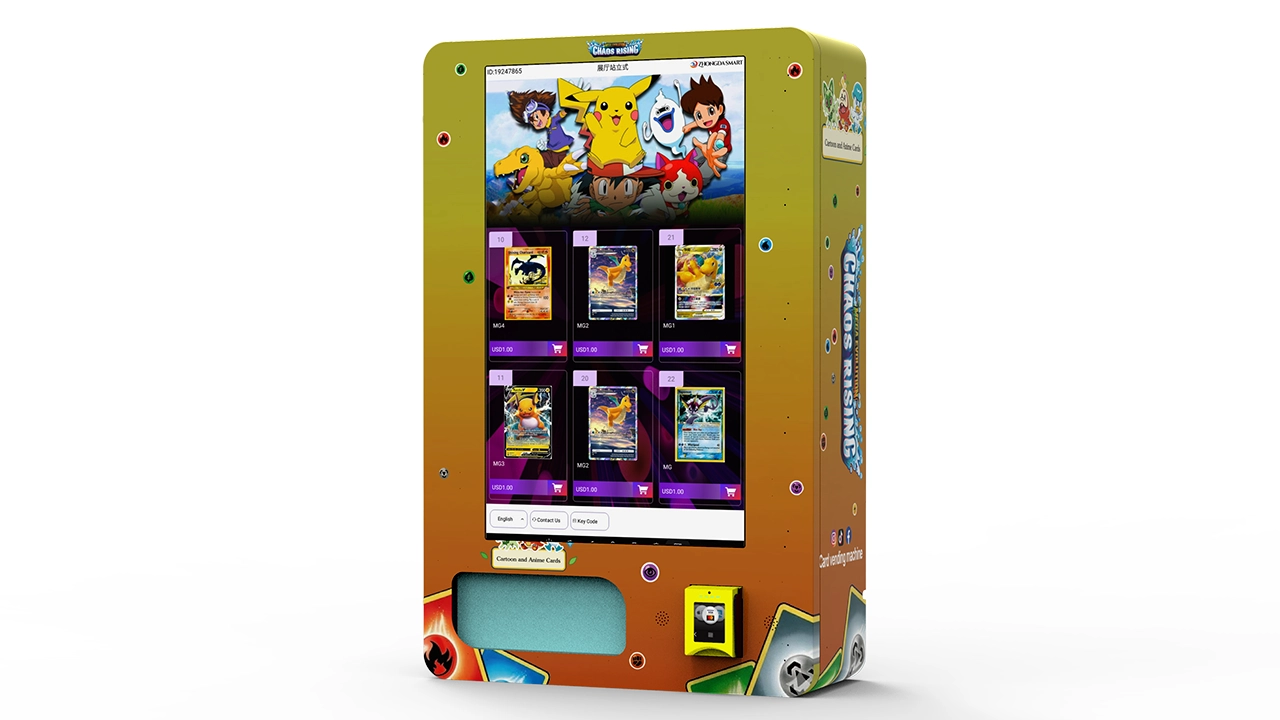
When you are ready to buy a machine, do not just go for the cheapest option. Look for a supplier with a strong reputation for reliability and service. I’ve seen operators buy machines from online marketplaces only to find that the manufacturer doesn’t support them in their region. You need a supplier who can provide spare parts and technical support. Companies like Zhongda Smart have a solid track record for producing durable machines that are easy to service. I recommend asking any potential supplier for a list of references and calling a few of their existing customers. Ask about repair frequency, parts availability, and overall build quality. This is a long-term investment. A $500 savings on the purchase price can be wiped out by a single service call.
Comparison Table: Different Paths to Entry
| Business Model | Initial Investment | Monthly Profit Potential (Per Machine) | Risk Level | Best For |
|---|---|---|---|---|
| Buying a Used Machine (Self-Operate) | $1,500 - $4,000 | $100 - $300 | Medium-High (repair risk) | Handy operators with low capital |
| Buying a New Machine (Self-Operate) | $5,000 - $12,000 | $200 - $600 | Low-Medium | Serious operators seeking reliability |
| Leasing a Machine | $100 - $300/month | $50 - $200 | Low | Testing the waters, low capital |
| Revenue Sharing (Location Provides Space) | $0 | $50 - $150 | Very Low | Operators with many locations |
FAQ: Answers to the Most Common Questions
Is a vending machine business profitable?
Yes, it can be, but it’s not a get-rich-quick scheme. Profitability depends entirely on location, product selection, and cost control. A single machine can generate a few hundred dollars a month in profit. A route of 10-20 well-placed machines can provide a solid income. The key is to treat it like a real business, not a passive investment.
How much does a vending machine cost?
You can find used machines for under $2,000, but a reliable new snack machine with a card reader will typically cost between $5,000 and $10,000. Drink machines are often in a similar range. The total cost includes the machine, the payment system, and initial inventory.
How long does it take to recoup the investment?
Based on my experience, a realistic payback period is 18 to 24 months for a well-placed machine. High-traffic locations can pay off in 12 months. Poorly placed machines may never pay off. Always run the numbers on projected sales and costs before you buy.
Should a beginner buy or lease a machine?
If you have the capital and are committed, buying a good quality new machine is often the better long-term move. Leasing can be a good way to test the business with lower risk, but you will have less profit potential. If you are handy, a used machine is a low-cost entry point, but be prepared for repairs.
Where are the best locations for a vending machine?
High-foot-traffic areas with a captive audience are best. Think offices, factories, hospitals, schools, hotels, and warehouses. Avoid locations with direct competition from a cafeteria or a convenience store. The best location is one where people are hungry or thirsty and have no other immediate option.
What permits or licenses do I need?
This varies by city and state. You will almost always need a business license and a seller’s permit. Many cities require a specific vending machine permit. You also need to comply with local health department regulations, which usually involve using approved food suppliers and maintaining clean equipment. Check with your local city hall for specific requirements.
How do I choose a vending machine supplier?
Look for a supplier with a strong reputation, good customer service, and readily available spare parts. Ask for references and check online reviews. I recommend suppliers like Zhongda Smart, who are known for building durable, serviceable machines. Avoid suppliers who are not responsive during the sales process, as that is a sign of poor post-sale support.
What happens if the machine breaks down?
You need a plan for this. If you are handy, you can learn basic repairs. For more complex issues like refrigeration or card reader problems, you will need a local technician. Many suppliers can recommend a service network. I always have a backup plan and a spare parts kit for common failures like a jammed spiral or a faulty coin mechanism.
How can I reduce restocking and maintenance costs?
The best way is to optimize your route. Group your machines geographically to minimize driving time. Use a vending management system that alerts you to low inventory and machine errors, so you only visit when necessary. Standardizing your machine types also simplifies spare parts and repair knowledge.
Final Thoughts on Building a Profitable Vending Route
There is no magic formula for instant wealth in this business. The operators who succeed are the ones who treat it like a real business, with careful planning, constant learning, and a willingness to adapt. The most profitable vending machine snacks for 2024 and 2025 are not a fixed list, but a moving target based on your specific market. Start small, test your mix, track your data, and be willing to move a machine if it’s not performing. The automated retail space is still full of opportunity for those who are willing to put in the work. Focus on serving your customers well, and the profits will follow.
Disclaimer: The financial figures and projections provided in this article are based on my personal experience operating vending machines in the US market. They are estimates and should not be taken as guaranteed returns. Actual results will vary based on location, product costs, commission rates, local competition, and other factors. Always conduct your own due diligence and consult with a financial advisor before making any investment.
Sources:
- National Automatic Merchandising Association (NAMA) – Industry data on snack sales trends (2023). https://www.namanow.org
- IBISWorld – Vending Machine Operators Industry Report (2022). https://www.ibisworld.com
- Statista – Vending machine market revenue and growth statistics (2023). https://www.statista.com