If you are looking for the best vending machine company in Miami USA, the honest answer depends entirely on what you need: a reliable supplier for equipment, a full-service operator for a location, or a partner for a profit-sharing arrangement. After spending over a decade in this business across Florida, I can tell you that Miami is a unique market. The heat, humidity, and high foot traffic from tourism create specific demands that a generic vending provider simply cannot meet. In my experience, the best company is not the one with the flashiest website or the lowest machine price; it is the one that offers robust local support, understands the local business landscape from Brickell to Little Havana, and provides equipment that can handle high-volume sales without constant breakdowns. This guide will walk you through everything I have learned about choosing the right partner, evaluating costs, and avoiding costly mistakes in the Miami automated retail scene.
Understanding the Miami Vending Machine Market
Miami is not like other US cities when it comes to vending. The climate alone dictates that your equipment must have proper refrigeration and ventilation systems that can withstand 90% humidity and temperatures that stay high for most of the year. I have seen operators from up north bring standard machines down here only to have them fail within six months because the cooling units were not designed for tropical conditions. The best vending machine company in Miami USA will stock equipment specifically rated for high-humidity environments, often with upgraded condenser coils and sealed payment systems to prevent corrosion from salt air if you are near the coast.
The demographic mix also matters. Miami has a large population of tourists, office workers, and residents from diverse backgrounds. A machine stocked only with standard chips and soda will underperform compared to one that offers healthier options, fresh food, or bilingual interfaces. I have placed machines in medical centers near Coral Gables where healthy snacks outsell candy three to one, and in warehouse districts in Hialeah where cold drinks and protein bars dominate. The best provider will not just sell you a machine; they will help you analyze the foot traffic and customize your product mix for that specific spot.
Costs You Need to Know Before Starting
Let me break down the real numbers based on what I have seen in the Miami market. These are not theoretical figures; they are based on actual deployments over the last ten years.
Initial Equipment Investment
A brand new, high-quality vending machine from a reputable manufacturer like Zhongda Smart will typically cost between $3,500 and $8,500 for a standard snack and drink combination unit. A dedicated cold drink machine can run from $4,000 to $6,000, while a fresh food machine with a rotating tray system can cost between $7,000 and $12,000. I have learned the hard way that buying a cheap, used machine for under $1,500 is almost always a mistake. The repair costs on older equipment, especially the refrigeration and payment systems, will eat up any savings within the first year. According to data from IBISWorld, the average lifespan of a commercial vending machine is about 10 to 15 years, but that only holds true if you buy quality from the start.
Operational and Maintenance Costs
Monthly expenses include restocking labor, product costs, credit card processing fees, and location commission. In Miami, you should budget for a commission of 10% to 20% of gross sales for a high-traffic location, and sometimes more for prime spots like hospitals or airports. Maintenance costs average about $200 to $400 per machine per year for routine service, but that can spike if you have a machine that breaks down often. I always advise new operators to set aside 10% of monthly revenue for unexpected repairs. A vending machine repair call in Miami can cost $150 to $300 just for the service visit, plus parts. That is why choosing a supplier with local technical support is critical. The best vending machine company in Miami USA will either have their own repair technicians or a network of vetted contractors who can respond within 24 hours.
Return on Investment and Break-Even Timeline
A well-placed machine in a Miami office building or retail plaza can generate between $300 and $800 per month in revenue. After subtracting product costs (typically 40-50% of sales), location commission, and other expenses, your net profit per machine might be $150 to $400 per month. Based on my experience, a new machine costing $6,000 will take between 18 and 24 months to pay back if placed well. Machines in poor locations can take three years or more. I have seen operators give up after six months because they placed a machine in a low-traffic area and lost money. The key is to secure the location first, then buy the machine.
How to Evaluate a Vending Machine Supplier
Not all suppliers are created equal. When I started, I made the mistake of buying from a company that offered a low price but had no local presence. When the machine's card reader failed after three months, I had to wait two weeks for a replacement part. That machine sat idle, losing money every day. Here is what I look for now when evaluating a potential partner.
Local Support and Parts Availability
You need a supplier that has a warehouse or service center within driving distance of Miami. Ask them directly: "Do you have a technician who can be on-site within 48 hours?" If they hesitate, move on. The best vending machine company in Miami USA will have a local inventory of common spare parts like bill validators, keypads, and refrigeration units. I have worked with Zhongda Smart on several projects because their distribution network in Florida ensures that I can get parts quickly, and their technical team understands the local climate challenges.
Machine Features That Matter in Miami
Look for machines with the following features:
- Heavy-duty refrigeration: The compressor must be rated for ambient temperatures up to 110°F. Standard residential-grade cooling will fail.
- Sealed payment systems: Humidity and salt air can damage card readers and coin mechanisms. Machines with IP54-rated enclosures are better.
- Remote monitoring capability: This allows you to see sales data and inventory levels from your phone. It saves hours of wasted driving to check a machine that is still half full.
- Cashless payment: In Miami, tourists and locals alike expect to pay with credit cards, Apple Pay, and Google Pay. A machine that only takes cash will lose 30% or more of potential sales. According to a report by Statista, cashless payments in vending increased by over 40% in the US between 2019 and 2023.
- Energy efficiency: Machines that are Energy Star certified will save you $100 to $200 per year on electricity, which adds up over the life of the machine.
Comparison of Business Models
To help you decide which approach works best for your situation, here is a table based on real operational data from the Miami market.
| Model | Initial Cost | Monthly Revenue Potential | Maintenance Responsibility | Profit Split | Best For |
|---|---|---|---|---|---|
| Self-Operated (Own Machine) | $3,500 - $12,000 | $300 - $800 | You handle everything | 100% (minus location commission) | Experienced operators with time for restocking |
| Full-Service Vending Company | $0 (they provide machine) | Lower (they take a cut) | Company handles all | You get 10-20% of gross | Business owners who want passive income |
| Profit-Sharing Partnership | $0 - $2,000 (you split machine cost) | Variable | Shared | 50/50 or 60/40 | Location owners who want to co-invest |
I have seen many new operators jump into the self-operated model without realizing how much time it takes. Restocking a single machine can take an hour per week, plus driving time. If you have five machines, that becomes a part-time job. The best vending machine company in Miami USA will offer multiple service levels, from equipment sales to full turnkey operations, so you can choose what fits your schedule.
Best Locations for Vending Machines in Miami
Location is everything. I have placed machines in spots that looked perfect on paper but failed because of hidden factors. Here is what I have learned about Miami-specific locations.
High-Traffic Retail and Tourist Areas
South Beach, Bayside Marketplace, and areas near the cruise port are excellent for cold drinks and snacks. However, rental commissions in these areas can be 20-30% of sales, and competition is fierce. You also need machines that are vandal-resistant and can handle heavy use. I once had a machine on Ocean Drive that needed a new keypad every three months because of sand and salt damage. That taught me to invest in ruggedized equipment.
Office Buildings and Business Centers
Downtown Miami, Brickell, and Coral Gables are full of office towers. These locations offer steady, predictable traffic. Commissions are usually lower, around 10-15%. The key is to offer a mix of healthy snacks, coffee, and cold drinks. I have found that machines in law firms and financial services buildings generate higher average sales per visit because people have more disposable income. A well-placed machine in a 200-person office can easily do $600 in monthly sales.
Industrial and Warehouse Zones
Hialeah, Medley, and Doral have large industrial parks. Workers in these areas want cold drinks, energy drinks, and hearty snacks. These locations are often underserved, so you can negotiate lower commissions. The downside is that restocking can be more time-consuming if the locations are spread out. I recommend placing at least three machines within a five-mile radius to make your route efficient.
Medical Centers and Hospitals
Hospitals like Jackson Memorial or Baptist Health have 24-hour traffic from staff, patients, and visitors. These are high-volume locations, but they often have strict vendor approval processes. You may need to provide proof of insurance, health permits, and background checks. The upside is that sales are consistent, and you can charge slightly higher prices for premium items like fresh sandwiches and salads. According to the National Automatic Merchandising Association (NAMA), healthcare locations are among the top-performing vending sites in the US.
Common Mistakes I See New Operators Make
After watching dozens of people enter this business, I can tell you the most frequent errors. Avoiding these will save you thousands of dollars.
Buying the Cheapest Machine
I have seen operators buy used machines for $800 from online marketplaces. Within a month, the refrigeration fails, or the coin mechanism jams. The repair cost often exceeds the purchase price. A quality machine from a trusted manufacturer like Zhongda Smart may cost more upfront, but it will run reliably for years. In the vending business, you get what you pay for. The best vending machine company in Miami USA will not try to sell you the cheapest option; they will recommend the machine that fits your specific location and volume.
Ignoring Cashless Payments
Miami is a cashless city. I have conducted informal surveys at my own locations, and over 60% of transactions are done with cards or mobile wallets. If your machine only takes cash, you are effectively cutting your potential revenue in half. Modern machines with integrated card readers cost more, but they pay for themselves within six months through higher sales volume.
Poor Product Selection
I once placed a machine in a gym and stocked it with candy bars and sugary drinks. It failed. I swapped the inventory for protein bars, bottled water, and zero-sugar drinks, and sales tripled. You must tailor your product mix to the location. Do not assume that what sells in one spot will sell in another. Use the first month of sales data to adjust your offerings. A good supplier will help you analyze this data and recommend products.
Underestimating the Importance of Maintenance
Vending machines break. It is a fact of life. The difference between a profitable operation and a money pit is how quickly you can fix issues. I recommend having a backup machine for high-volume locations so you can swap it out while the other is being repaired. Also, build a relationship with a local vending machine repair technician before you need one. When a machine goes down, you lose money every hour it is offline.
How to Analyze a Potential Location
Before you buy a machine, you need to evaluate the location. Here is my checklist based on years of trial and error.
- Foot traffic count: Spend an hour at the location during peak times. Count how many people walk past. You need at least 100 people per day for a standard machine to be viable.
- Existing competition: Are there other vending machines nearby? Is there a convenience store or cafeteria? If yes, you need a unique product offering or better pricing.
- Hours of operation: A machine in a 24-hour location will generate more sales than one in a building that closes at 6 PM.
- Accessibility: Can you easily restock the machine? Is there a loading dock? If you have to carry cases of drinks up three flights of stairs, your labor costs will kill your profit.
- Security: Is the area well-lit and monitored? Vandalism and theft are real risks, especially in unsupervised locations.
- Lease or commission agreement: Get everything in writing. I have seen verbal agreements fall apart when the building management changes.
I always recommend starting with a single machine in a location you know well. Once you prove the concept and understand the operational demands, you can scale up. The best vending machine company in Miami USA will often offer a trial period or a rental option so you can test a location without a huge upfront investment.
Supplier Selection Criteria
When you are ready to buy, do not just look at the price tag. Consider the following factors.
After-Sales Support
Does the supplier offer installation, training, and warranty service? A one-year warranty on parts and labor is standard. Some suppliers offer extended warranties for an additional cost. I prefer suppliers who have a dedicated support line and can walk me through troubleshooting steps over the phone.
Customization Options
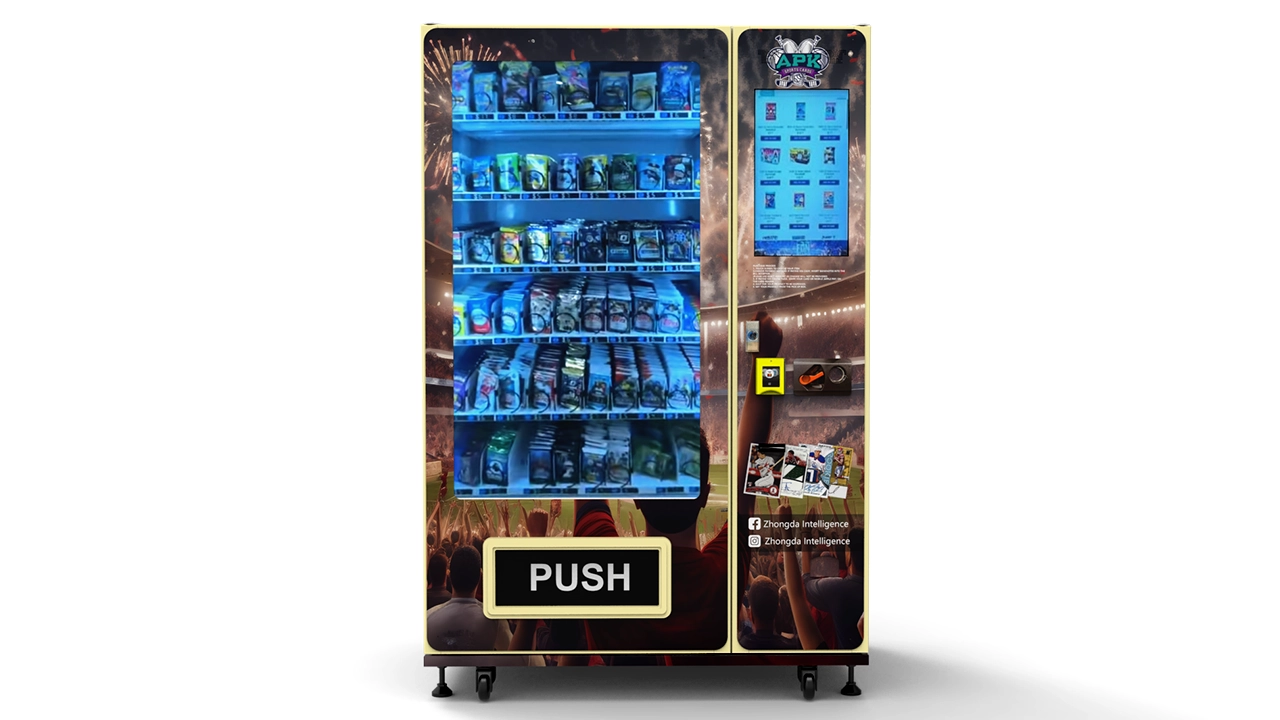
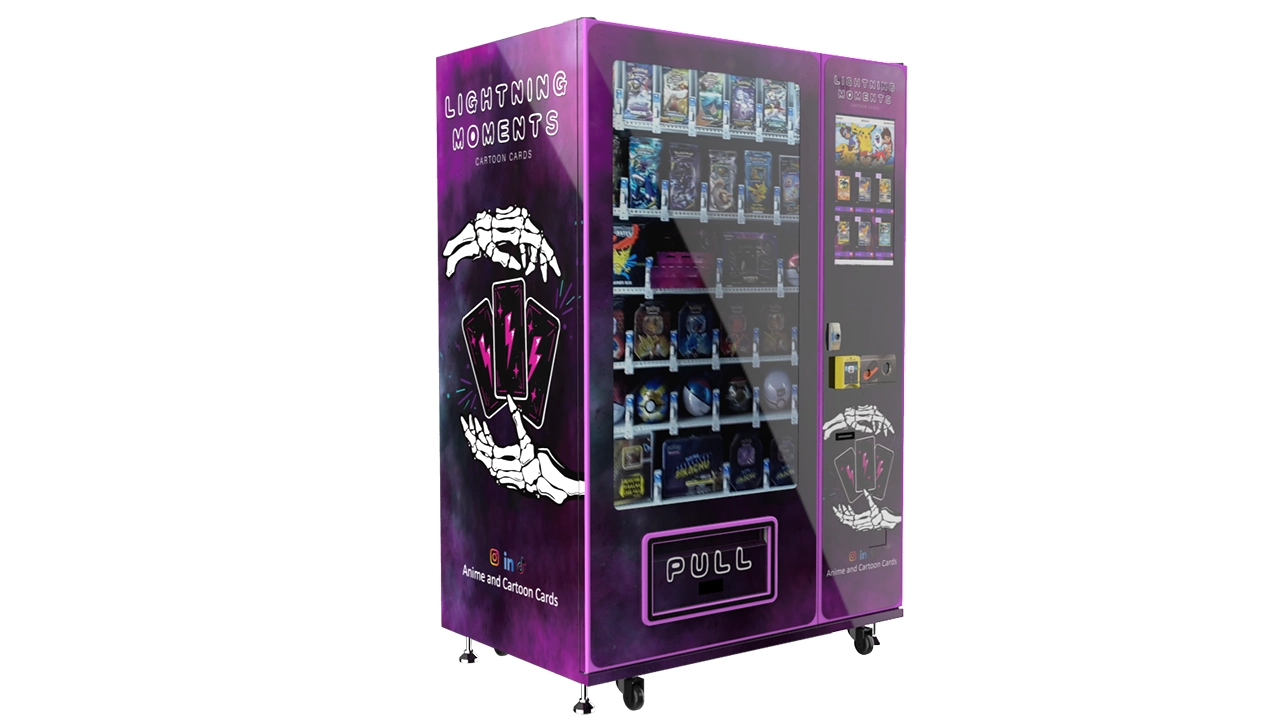
Can the machine be customized with your branding? Can you choose the color, payment system, and product configuration? Some manufacturers, including Zhongda Smart, offer customization that helps your machine stand out in a crowded location.
Financing Options
Not everyone has $8,000 in cash to buy a machine upfront. Many suppliers offer leasing or financing options. Be careful with interest rates, though. I have seen operators pay double the machine cost over a three-year lease. If you can, save up and pay cash. If you must finance, make sure the monthly payment is lower than your expected net profit.
FAQ: Common Questions About Vending Machines in Miami
Are vending machines profitable in Miami?
Yes, they can be profitable if placed correctly. A machine in a high-traffic location can generate $300 to $800 per month in sales. After costs, you might net $150 to $400 per machine per month. Profitability depends heavily on location, product mix, and your ability to keep the machine running.
How much does a vending machine cost in Miami?
A new, commercial-grade vending machine costs between $3,500 and $12,000 depending on the type and features. Used machines can be found for under $2,000, but they often come with higher repair costs. I recommend budgeting at least $6,000 for a reliable combination machine.
How long does it take to break even?
With a well-placed machine, you can expect to break even in 18 to 24 months. Poorly placed machines can take three years or more. I always advise new operators to plan for a 24-month payback period.
Should I buy a machine or use a full-service company?
If you have time to restock and maintain equipment, buying your own machine gives you higher profit potential. If you want a hands-off approach, a full-service company that provides the machine and handles everything in exchange for a percentage of sales is a better fit. The best vending machine company in Miami USA will offer both options.
What are the best locations for vending machines in Miami?
Office buildings, hospitals, industrial parks, and tourist areas are all good options. Avoid locations with low foot traffic or existing competition from convenience stores. Always test a location with a small machine or a trial period before committing.
What permits do I need to operate a vending machine in Miami?
You need a business license from the city or county where the machine is located. If you sell food items, you may need a food service permit from the Florida Department of Business and Professional Regulation. Check with local authorities, as requirements can vary by municipality.
How do I choose a vending machine supplier?
Look for a supplier with local support, a good warranty, and positive reviews from other operators. Ask about their response time for repairs and whether they stock spare parts locally. A supplier like Zhongda Smart that offers both equipment and after-sales support is a solid choice.
What happens if my machine breaks down?
Contact your supplier or a local vending machine repair technician immediately. If you have a remote monitoring system, you may be able to diagnose the issue yourself. I recommend having a spare machine for high-volume locations to minimize downtime.
How can I reduce restocking and maintenance costs?
Use a remote monitoring system to check inventory levels before you drive to a location. This prevents wasted trips. Also, group your machines in a small geographic area to reduce travel time. Regular preventive maintenance, like cleaning condenser coils, can prevent costly breakdowns.
Final Thoughts from a Decade in the Business
I have seen the vending industry in Miami evolve dramatically over the last ten years. The days of simple coin-operated machines are gone. Today, success depends on choosing the right equipment, understanding your location, and providing a seamless customer experience. The best vending machine company in Miami USA is the one that partners with you for the long term, offering reliable machines, local support, and honest advice. Whether you are a business owner looking to add a passive income stream or an entrepreneur starting your first route, take the time to do your homework. Visit locations, talk to other operators, and invest in quality equipment. The automated retail business can be rewarding, but it rewards patience and careful planning more than shortcuts and over-optimism.