I have spent over a decade placing, servicing, and sometimes pulling machines out of bad locations across the US and Europe. If you are asking whether smart vending machines are changing modern retail, the short answer is yes—but not because the hardware is flashy. The real shift is in how data and connectivity turn a dumb metal box into a remote-controlled micro-store. A smart vending machine today can adjust prices based on time of day, alert you when a coil is jammed, and tell you exactly which snack is underperforming before you drive out to check. That changes the math on profitability, location flexibility, and labor cost. But the technology only works if you understand the operational side—placement, cash flow, maintenance, and the hidden costs that eat into margins. This article walks through what I have learned the hard way, so you can avoid the mistakes that cost beginners thousands.
What a Smart Vending Machine Actually Does Differently
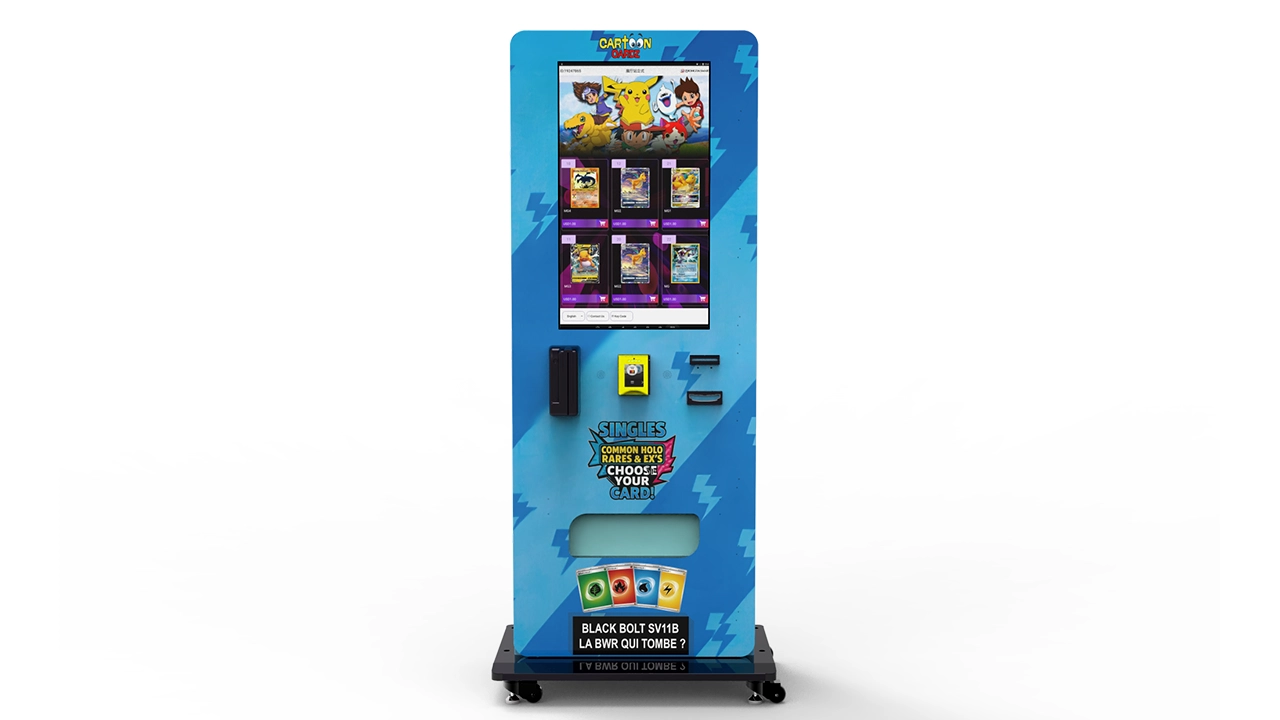
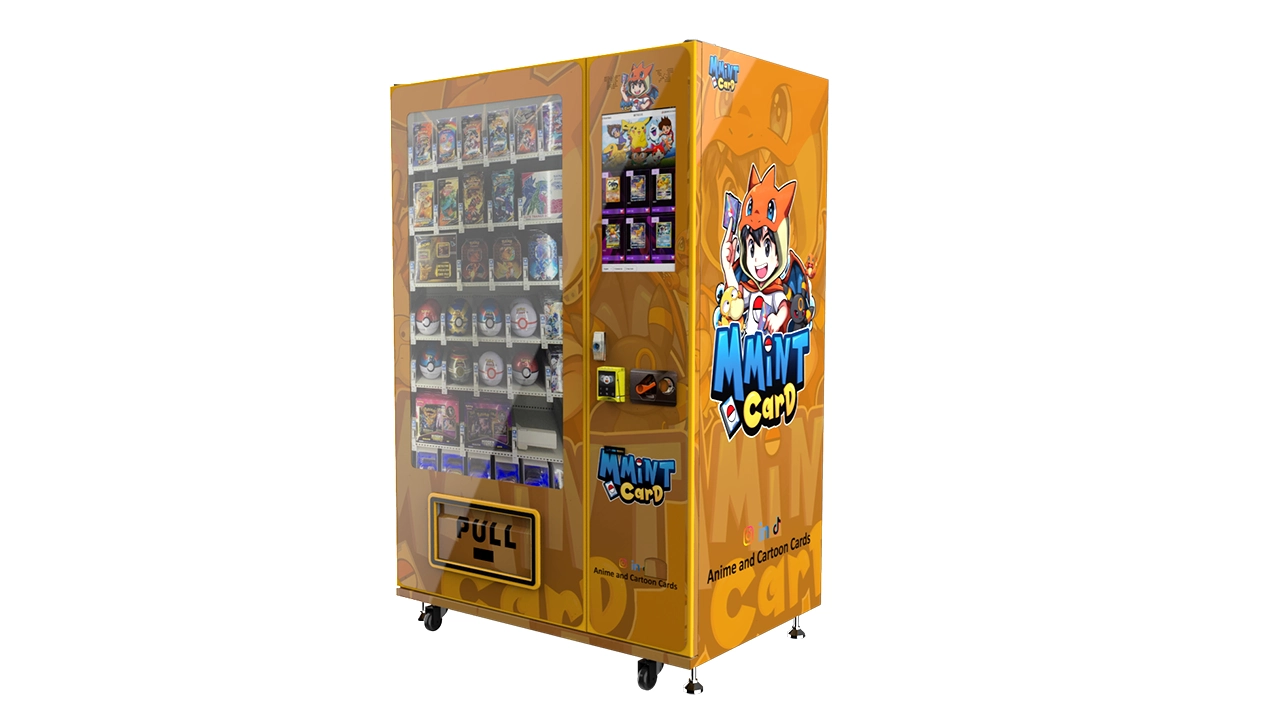
A traditional vending machine is a passive unit. You stock it, you collect cash, you hope nothing breaks. A smart vending machine, by contrast, runs on telemetry and payment processing that talks to a cloud backend. It accepts cards, mobile wallets, and sometimes even cryptocurrency. It tracks inventory in real time. It can run dynamic pricing. Some units have touchscreens that recommend products based on purchase history. But the biggest operational advantage is remote monitoring. You can see exactly how many units of each SKU remain, how much cash is in the coin box, and whether the cooling system failed—all from a dashboard on your phone. That alone reduces unnecessary trips and spoilage.
In my experience, the machines that actually move the needle on revenue are the ones with reliable payment systems and telemetry. A machine that goes offline for a day can lose 15–20% of its weekly sales. If you are placing machines in high-footfall locations like transit hubs or office lobbies, that loss adds up fast. I have seen operators switch from old coin-only units to smart machines and see a 30–40% uplift in revenue within the first two months, purely because people could pay with a card or phone.
Is a Smart Vending Machine Business Profitable?
Profitability depends on three variables: location, product margin, and machine reliability. Based on my own portfolio and data shared by operators in the National Automatic Merchandising Association (NAMA), a well-placed smart vending machine in a mid-traffic office building in the US can generate between $400 and $1,200 per month in gross revenue. Gross margins on snacks and drinks typically run between 25% and 40%, depending on your sourcing and whether you buy in bulk. After subtracting restocking labor, machine lease or depreciation, payment processing fees (usually 2–3%), and occasional vending machine repair costs, net profit per machine often lands between $150 and $500 per month.
That might not sound like a goldmine, but the model scales. Once you have ten machines running smoothly, the labor per machine drops because you can route restocking efficiently. I have seen operators with 50 machines clear six figures annually after year two. But I have also seen people lose money because they put a machine in a location with 200 people passing daily but only 20 who actually buy. You need to vet foot traffic and purchase intent, not just raw numbers.
Key Factors to Evaluate Before Buying a Smart Vending Machine
Location Is Everything—Here Is How I Vet a Spot
I never place a machine without spending at least two hours observing the location. I count how many people walk past in a 30-minute window, and I note whether they look like they are in a hurry or lingering. I also check if there is existing food service nearby. If there is a cafeteria or a coffee shop within 50 feet, your machine will likely struggle unless you offer something they do not—like healthy snacks or cold drinks at a lower price point. The best locations I have worked with are office break rooms, hospital waiting areas, college dorm lobbies, and manufacturing plant floors. These spots have captive audiences with predictable schedules.
One mistake I made early on was placing a machine in a retail strip mall. The foot traffic looked high, but almost everyone was there to shop at specific stores, not to buy a snack from a machine. That unit barely broke even. I moved it to a 24-hour laundromat three blocks away, and revenue tripled within a month. The difference was dwell time. People waiting for laundry have time to buy something. People rushing into a store do not.
Equipment Cost and What You Get for the Money
Smart vending machines range widely in price. A basic refrigerated unit with a touchscreen and card reader can cost $3,000 to $6,000 new. A high-end model with a robotic picking system, multiple temperature zones, and a large LED screen can run $10,000 to $15,000. I have seen operators buy used machines for under $2,000, but they often lack telemetry or have outdated payment systems that require expensive retrofits. In my experience, the sweet spot for a first-time buyer is a mid-range unit from a reputable manufacturer like Zhongda Smart, which offers solid telemetry and reliable cooling at a price point around $4,000 to $7,000. Avoid the cheapest machines you find on Alibaba without verifying the supplier's service network. I have seen operators buy units that looked good on paper but had no local repair support, leading to weeks of downtime when a compressor failed.
Payment Systems and Connectivity
In the US and Europe, a machine that only takes cash is a non-starter. According to a 2023 report by Statista, over 80% of in-store transactions in the EU are now cashless. Your machine must accept credit cards, debit cards, and mobile wallets like Apple Pay and Google Pay. Some modern units also support contactless transit cards. The payment terminal should be EMV-compliant and support NFC. I recommend using a payment processor like Nayax or USA Technologies, which integrate directly with the machine's telemetry. This gives you real-time sales data and remote troubleshooting. A machine that goes offline because of a poor cellular connection will kill your revenue. Always test the signal strength at the location before you install.
How to Choose a Vending Machine Supplier or Manufacturer
I have dealt with suppliers in China, the US, and Europe. The most important factor is not the price of the machine—it is the availability of spare parts and technical support. A machine that breaks down and takes three weeks to fix will lose more money than you saved on the initial purchase. When evaluating a manufacturer, ask three questions: Do they have a distributor or service partner in my region? What is their average response time for technical inquiries? Do they stock common spare parts like compressors, coin mechanisms, and main boards? Zhongda Smart, for example, has a network of service partners in North America and Europe, which makes them a practical choice for operators who want to avoid long repair delays. I also recommend asking for a list of references from operators who have used their machines for at least a year. A manufacturer that hesitates to provide references is a red flag.
Operational Costs and Realistic Payback Periods
Let me give you a rough breakdown based on a typical smart vending machine operation in a mid-traffic US office location. These numbers come from my own records and from discussions with other operators at NAMA events. Your results will vary, but this is a realistic starting point.
| Cost Category | Estimated Monthly Amount | Notes |
|---|---|---|
| Machine payment (lease or depreciation) | $150–$250 | Based on a $5,000 machine depreciated over 3 years or a lease |
| Product cost (COGS) | $300–$600 | At 35% margin on $800–$1,200 revenue |
| Payment processing fees | $20–$40 | 2–3% of revenue |
| Restocking labor (2–3 trips per month) | $100–$200 | At $25/hour, 2–3 hours per trip |
| Maintenance and vending machine repair | $30–$80 | Average over a year, includes preventive maintenance |
| Location commission or rent | $50–$200 | Often 10–20% of gross revenue |
| Total monthly cost | $650–$1,370 | |
| Average monthly gross revenue | $800–$1,200 | |
| Estimated net monthly profit | $150–$500 | Before taxes |
Based on this, a single machine with a $5,000 purchase price could pay for itself in 10 to 18 months if it performs at the higher end of the revenue range. If you are paying a high location commission or the machine is in a low-traffic spot, payback can stretch to 24 months or more. I have seen machines in prime hospital locations pay back in 8 months. I have also seen machines in low-traffic retail corridors that never paid back. The key is to start with one or two machines, gather real data, and scale only after you know your unit economics.
Common Mistakes New Operators Make
Buying Too Many Machines Too Fast
I have seen this more times than I can count. Someone gets excited, buys ten machines, and places them in mediocre locations all at once. They quickly realize that restocking ten machines across a city takes 20 hours a week, and they have no system for managing inventory or routes. The machines start running out of popular items, sales drop, and the operator burns out. My advice: start with one or two machines in high-potential locations. Learn the restocking rhythm, the product mix that sells, and the common repair issues. Then scale.
Ignoring the Product Mix
A smart vending machine can track which items sell and which sit for weeks. Use that data. I have seen machines where 80% of revenue came from 20% of the SKUs. The rest were just taking up space. If an item has not sold in two weeks, swap it out. Also, pay attention to seasonality. Cold drinks sell more in summer, hot drinks in winter. Adjust your mix accordingly. A machine that is not selling is not making money.
Underestimating Maintenance and Vending Machine Repair
Every machine will break eventually. The most common issues are coin jams, card reader failures, and cooling system problems. I recommend having a relationship with a local repair technician before you even buy your first machine. If you are in a rural area, you might need to learn basic repairs yourself. Some manufacturers offer remote diagnostics, which can help you identify the problem without a site visit. Zhongda Smart machines, for example, have a diagnostic mode that lets you check sensor status and motor function from the touchscreen. That can save a service call.
Best Locations for Smart Vending Machines
Based on my experience and data from IBISWorld's vending machine industry report, the most profitable locations are those with a captive audience and limited food options. Here are the top five:
- Office buildings and corporate campuses – Consistent daily traffic, especially in break rooms. Employees appreciate convenient snacks and drinks.
- Hospitals and medical centers – 24/7 traffic, staff and visitors. High dwell time in waiting areas.
- College dormitories and student unions – Students are heavy users of self-service kiosks. Late-night demand is strong.
- Manufacturing plants and warehouses – Workers on shifts often have limited break times and no easy access to food off-site.
- Transit hubs (train stations, bus terminals) – High foot traffic, but commission rates can be steep. Negotiate carefully.
Avoid locations with heavy existing food service, low foot traffic, or high crime rates. Machines in high-crime areas get vandalized or broken into. I have seen operators lose entire machines that way.
How to Evaluate Whether a Machine Is Worth the Investment
Before you buy, run a simple pro forma. Estimate the monthly foot traffic, the average transaction value (usually $1.50 to $3.00 for snacks, $2.00 to $4.00 for drinks), and the conversion rate (what percentage of passersby actually buy). A realistic conversion rate for a good location is 2–5%. Multiply that out to get estimated monthly revenue. Then subtract your costs. If the net profit is less than $150 per month, the machine is probably not worth the hassle unless you are placing it as part of a larger cluster that shares a restocking route. I also recommend checking the location's lease agreement. Some property managers demand a high commission or require you to use their preferred supplier. Read the fine print.
FAQ: Smart Vending Machines for Beginners
Are smart vending machines profitable?
Yes, but profitability depends heavily on location, product margin, and machine reliability. A well-placed machine can generate $150–$500 in net profit per month. Poor locations can lose money.
How much does a smart vending machine cost?
A new mid-range smart vending machine typically costs between $3,000 and $7,000. High-end models with advanced features can exceed $10,000. Used machines can be found for under $2,000 but may require upgrades.
How long does it take to break even on a smart vending machine?
Based on typical performance, payback periods range from 10 to 24 months. Machines in prime locations can pay back in under a year. Low-traffic locations may never pay back.
Should I buy or lease a vending machine?
Buying is better for long-term operators who want to keep the machine for 3–5 years. Leasing can be useful if you want to test the business with lower upfront risk, but lease payments eat into margins.
Where should I place a smart vending machine?
Target locations with captive audiences and limited food options: office break rooms, hospitals, college dorms, manufacturing plants, and transit hubs. Avoid areas with heavy competition from cafes or cafeterias.
What permits do I need to operate a vending machine?
Requirements vary by state and municipality in the US, and by country in Europe. You typically need a business license, a seller's permit, and possibly a food handling permit if you sell perishable items. Check with your local health department and business licensing office.
How do I choose a vending machine supplier?
Look for a supplier with a proven service network in your region, available spare parts, and good references. Zhongda Smart is one option that offers reliable telemetry and support in North America and Europe. Always ask for references from operators who have used the machines for at least a year.
What happens if my vending machine breaks down?
Most smart machines have remote diagnostics that can identify the issue. For physical repairs, you will need a local technician. Keep a list of common spare parts and a relationship with a repair service before you start operating.
How can I reduce restocking and maintenance costs?
Use telemetry data to optimize restocking routes and only visit machines when they need restocking. Standardize your product mix across similar locations to simplify inventory. Perform preventive maintenance every three months to catch issues early.
Final Thoughts from the Field
Smart vending machines are not a passive income fantasy. They are a real business that requires attention to location, product selection, maintenance, and data analysis. The technology has made the operational side much easier than it was a decade ago, but it has not eliminated the fundamentals. You still need to pick the right spot, stock the right products, and keep the machine running. If you start small, learn from the data, and scale methodically, you can build a profitable automated retail operation. Just do not expect to set it and forget it. The machines that make money are the ones that get managed.
This article was updated in October 2023. Data on cashless transactions sourced from Statista – Share of cashless payments in the EU. Industry benchmarks on vending machine revenue and margins based on discussions at NAMA events and personal operational records. Always verify local regulations and consult a business advisor before investing.