After more than a decade running vending machine operations across the US and Europe, I can tell you the single question I hear most often from newcomers is whether unmanned retail and smart vending machines actually make money. The short answer is yes—but only if you understand the real costs, the right locations, and the equipment that won't fall apart after six months. I have seen operators lose their entire investment by buying cheap machines and placing them in low-traffic spots, and I have seen others generate over $4,000 per month from a single unit in a hospital break room. The difference comes down to knowing how to evaluate a location, picking the right machine for the right product, and having a realistic grasp of the maintenance and restocking schedule. This overview draws from my own experience buying, placing, and servicing hundreds of machines, and from publicly available data on the automated retail industry. Whether you are a small business owner, a property manager, or someone exploring a side business, the goal here is to give you the practical details you need before you spend a dime.
What Unmanned Retail Actually Looks Like in 2025
Unmanned retail is not a single concept. It ranges from a simple snack and drink vending machine in a warehouse break room to a fully automated self-service kiosk that sells fresh meals, electronics, or even prescription glasses. In Europe, the market for automated retail has grown steadily, with Statista reporting that the vending machine market in the region was valued at approximately €14.5 billion in 2023. In the United States, IBISWorld estimates that the vending machine industry generates around $8 billion annually. These numbers include traditional machines, smart vending machines with touchscreens and cashless payment, and newer micro-market setups where customers grab items from an open fridge and pay at a self-checkout kiosk.
What has changed in the last five years is the technology inside the machine. Older machines required coins and had limited product slots. Modern smart vending machines run on Android or Linux systems, accept credit cards, mobile wallets, and even contactless payments like Apple Pay. They connect to the cloud, so you can see inventory levels and sales data in real time from your phone. Some even have telemetry that alerts you when a product is low or when a component is about to fail. This connectivity has made vending machine repair more predictable, because you can often diagnose a problem remotely before driving out to the site.
Is a Vending Machine Business Profitable? Real Numbers from the Field
Profitability depends on three variables: location, product margin, and operating cost. Based on my own operations and discussions with other operators in the UK and Germany, a well-placed machine in a high-traffic location—such as a hospital, a factory, or a college dormitory—can generate between €600 and €3,500 in monthly revenue. The gross margin on snacks and drinks typically ranges from 25% to 40%, depending on whether you buy wholesale or use a distributor. After subtracting restocking labor, machine lease or depreciation, credit card processing fees, and occasional vending machine repair costs, net profit per machine usually falls between €150 and €1,200 per month.
That range is wide because the location makes or breaks the numbers. I have seen a machine in a small office building with 50 employees struggle to do €200 per month, while a machine in a 24-hour truck stop near Munich did over €5,000 per month during peak season. The key is not to assume that any location will work. You have to evaluate foot traffic, dwell time, and whether the people passing by have a reason to buy. A machine placed in a hallway where people walk quickly past will underperform compared to a machine placed in a break room where people sit down for ten minutes.
How to Choose a Location: Lessons from Failed Placements
I have made the mistake of placing a machine in a location that looked good on paper but failed in practice. One example was a small gym with about 200 members. The owner was enthusiastic, the rent was low, and the machine looked great next to the front desk. But the members were mostly there for a quick workout and brought their own water bottles. The machine sold about €80 per week—not enough to cover restocking labor. After three months, I moved the machine to a nearby auto repair shop where customers waited an average of 45 minutes for their cars. That same machine did over €400 per week in that shop.
Here is what I look for when evaluating a potential location:
- Foot traffic count: At least 100 to 150 people passing by per day, ideally more. For a machine that sells fresh food or coffee, you need a higher volume because the margins are thinner.
- Dwell time: Locations where people wait—laundromats, car washes, DMV offices, hospital waiting rooms, bus terminals—perform better than locations where people pass through quickly.
- Existing competition: If there are already three machines in the same building, adding a fourth usually dilutes revenue for everyone. But if there is no machine at all, you might have a good opportunity.
- Accessibility: The location must be accessible for restocking and vending machine repair. If the machine is behind a locked door that requires a keyholder to let you in every time, your labor costs go up.
- Security: Machines in poorly lit or unsupervised areas get vandalized more often. I have lost machines to theft and damage in locations that looked safe during the day but were problematic at night.
What Does a Smart Vending Machine Cost? Breaking Down the Investment
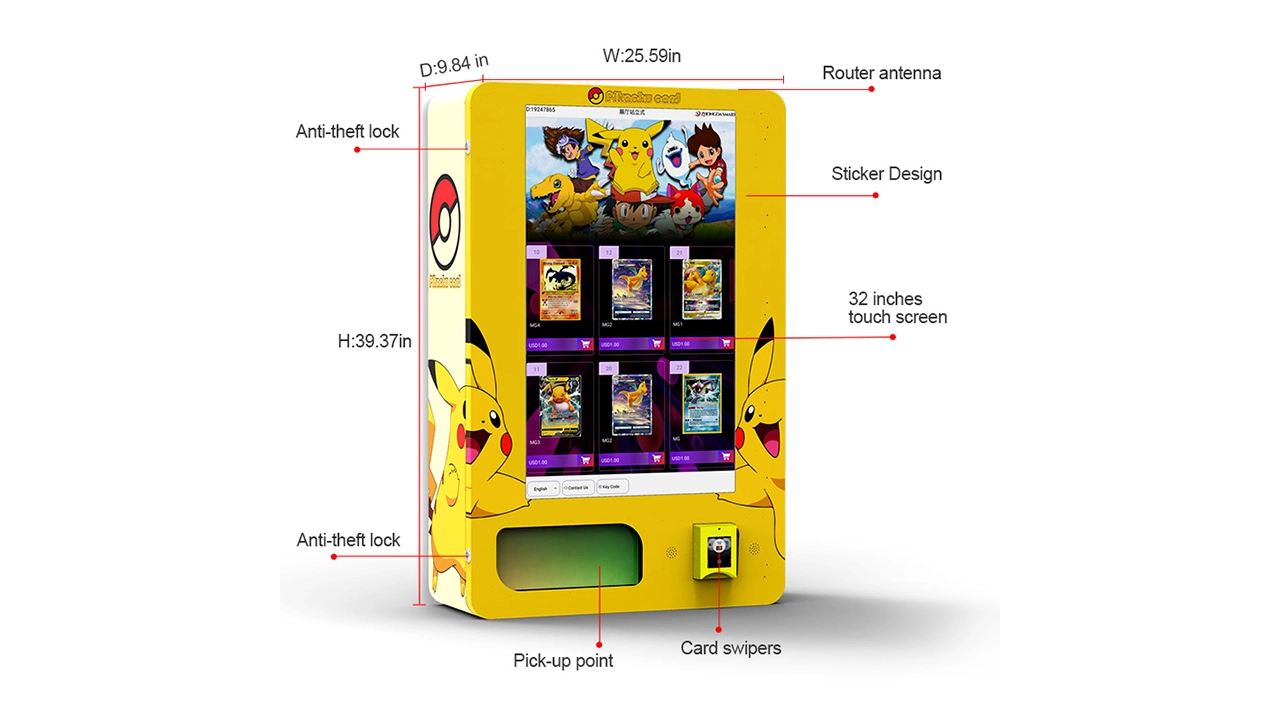
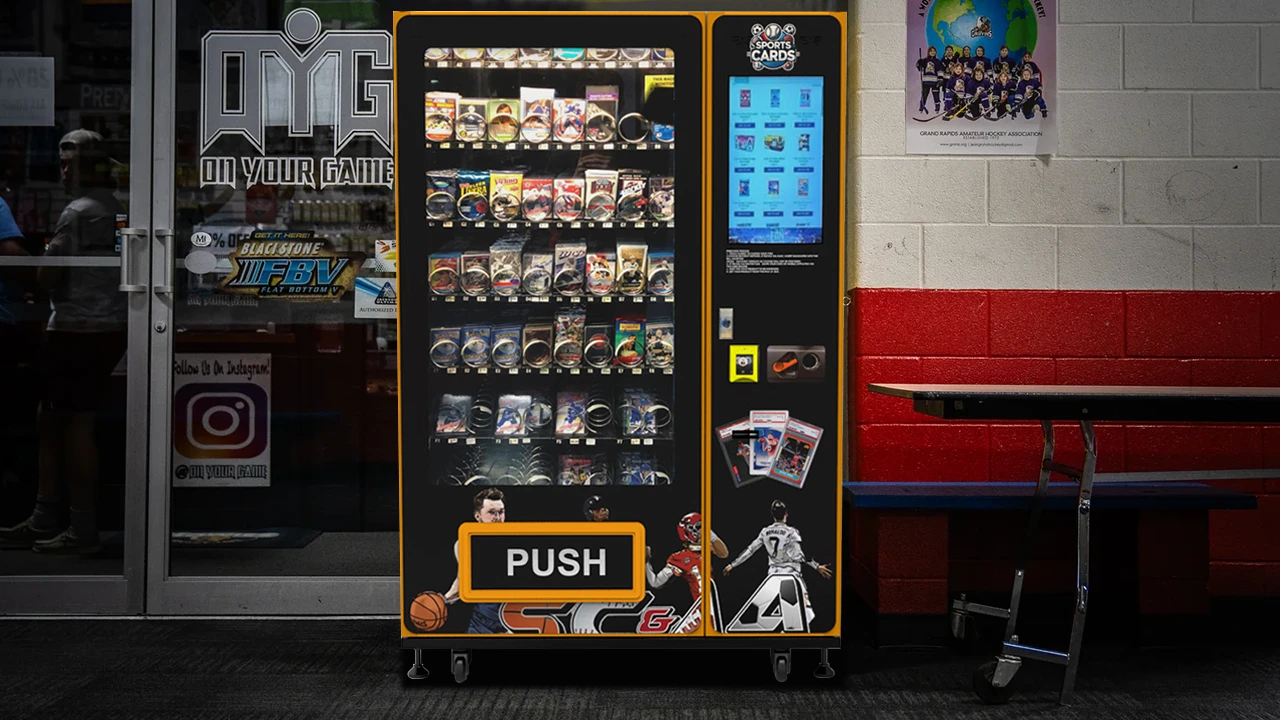
New smart vending machines vary widely in price depending on size, features, and build quality. Based on my experience sourcing equipment for the European market, here is a realistic range:
| Machine Type | Typical Price Range (USD) | Common Use Case | Estimated Monthly Revenue Potential |
|---|---|---|---|
| Basic snack and drink combi | $3,000 – $5,500 | Small offices, break rooms | $300 – $1,200 |
| Smart vending machine with touchscreen | $5,500 – $10,000 | Retail stores, hospitals, universities | $800 – $3,000 |
| Fresh food vending machine (refrigerated) | $8,000 – $15,000 | Schools, corporate cafeterias, gyms | $1,500 – $4,000 |
| Bulk or specialty machine (coffee, frozen food) | $10,000 – $20,000 | High-traffic public areas | $2,000 – $5,000 |
These are estimates based on actual purchases I have made and prices I have seen from suppliers including Zhongda Smart, which offers a range of machines suitable for European and North American markets. The lower end of the price range usually comes from Chinese manufacturers, but you need to be careful. I have bought machines that cost $3,000 and required a vending machine repair call every two months. I have also bought machines from Zhongda Smart that cost $6,000 and ran for two years with only one minor issue. The upfront cost matters, but the total cost of ownership over three years matters more.
Hidden Costs That Eat into Profit
Many new operators only look at the machine price and the product cost. They forget about the following:
- Credit card processing fees: Typically 2.5% to 3.5% per transaction. If your machine does $2,000 per month, that is $50 to $70 in fees.
- Telemetry and software subscription: Many smart vending machines require a monthly fee for cloud connectivity and remote monitoring. This can be $20 to $50 per month per machine.
- Restocking labor: If you do it yourself, your time is worth something. If you hire someone, budget $15 to $25 per hour, plus travel time.
- Vending machine repair and maintenance: Budget at least $200 to $400 per machine per year for repairs. Some machines need more, especially if they are in dusty or humid environments.
- Location rent or commission: Some locations charge a flat monthly fee. Others want a percentage of sales, typically 10% to 20%. In high-demand spots like airports, the commission can be 30% or more.
I have seen operators who thought they were making 40% gross margin end up with 10% net profit because they underestimated these costs. The best way to avoid this is to run a detailed spreadsheet before you place a machine. Include every cost, even the small ones, and then be conservative with your revenue estimate.
How Long Does It Take to Break Even?
Based on my experience and data from the National Automatic Merchandising Association (NAMA), a typical vending machine takes between 12 and 24 months to pay back its initial investment. If you buy a used machine for $2,000 and place it in a good location, you might break even in 6 to 9 months. If you buy a new smart vending machine for $10,000 and put it in a mediocre location, it could take 30 months or more.
The break-even calculation should include the machine cost, installation, first inventory purchase, and any location fees. For example, if you spend $7,000 on a machine, $500 on installation, and $1,000 on initial stock, your total investment is $8,500. If the machine nets $500 per month after all expenses, your payback period is 17 months. That is a realistic scenario for a mid-range machine in a decent location.
Selecting a Manufacturer or Supplier: What I Look For
Over the years, I have worked with suppliers from China, Turkey, Germany, and the United States. Here is what I have learned about choosing a reliable vending machine manufacturer:
- Certifications: For the European market, the machine must have CE certification. For the US market, UL or ETL certification is important. Machines without these certifications can cause problems with insurance and local regulations.
- Spare parts availability: If the manufacturer is based overseas, make sure they have a parts warehouse in your region. I once waited six weeks for a replacement compressor from a Chinese manufacturer that had no European stock. That machine sat idle for a month and a half.
- Payment system compatibility: The machine should support local payment methods. In Europe, that means support for NFC, contactless cards, and local mobile wallets. In the US, it means support for credit cards and Apple Pay.
- Build quality: Look for machines with a steel frame, proper insulation, and reliable compressors. Cheap plastic panels crack in cold weather. I have seen machines from Zhongda Smart that use industrial-grade components, which reduces the frequency of vending machine repair calls.
- Software and telemetry: A good manufacturer provides a dashboard that lets you see sales, inventory, and machine health. Avoid machines that require you to visit the machine just to check if it is working.
I am not going to tell you that one brand is perfect for every situation. But I will say that Zhongda Smart has been a reliable supplier for several of my European projects, particularly for their smart vending machines with touchscreens and cashless payment systems. They offer good documentation and have a parts depot in the Netherlands, which makes a difference when you need a replacement part quickly.
Self-Operate vs. Lease vs. Revenue Share: Which Model Works?
There are three main ways to get into the vending business. Each has its pros and cons.
| Model | Upfront Cost | Control | Profit Potential | Best For |
|---|---|---|---|---|
| Self-operate (buy machine) | High ($3k–$20k) | Full control | High (keep all profit) | Experienced operators with capital |
| Lease machine from supplier | Low ($0–$500/month) | Limited | Medium (share profit) | New operators testing the market |
| Revenue share with location | Low (machine provided by partner) | Very limited | Low to medium | Property owners who want passive income |
I generally recommend that newcomers start by buying one or two used machines and operating them themselves. Leasing sounds attractive because it lowers the upfront risk, but the lease payments eat into your margin, and you have less flexibility to move the machine or change the product mix. Once you have proven a location works, you can buy your own machine and maximize profit.
Common Mistakes New Operators Make
I have seen the same mistakes repeated by beginners across different countries. Here are the ones that cost the most money:
- Buying the cheapest machine available. A $2,000 machine from an unknown manufacturer often has a short lifespan. The cost of vending machine repair and downtime usually exceeds the savings.
- Ignoring the payment system. Machines that only take cash lose a significant portion of sales. In a 2022 study by USA Technologies, cashless payment accounted for over 70% of vending transactions in the US. In Europe, the percentage is similar in urban areas. If your machine does not accept cards, you are leaving money on the table.
- Overstocking slow-moving products. I have seen operators fill a machine with 30 different snack types, only to throw away expired items three months later. Start with a small variety and expand based on sales data.
- Placing a machine without a written agreement. Verbal handshake deals fall apart. Always get a signed location agreement that specifies the commission, access hours, and what happens if the machine is vandalized.
- Neglecting regular cleaning and maintenance. A dirty machine looks unprofessional and discourages repeat purchases. More importantly, neglected machines break down more often.
Best Locations for Smart Vending Machines
Based on my own placements and discussions with operators in the UK, Germany, and the US, here are the location types that consistently perform well:
- Hospitals and medical clinics: Staff and visitors need snacks and drinks 24/7. These locations have high foot traffic and long dwell times.
- Manufacturing plants and warehouses: Workers on break have limited time and often no easy access to food. A machine near the break area can do very well.
- Colleges and universities: Students are heavy users of vending machines, especially late at night. Dormitories and student centers are prime spots.
- Transportation hubs: Train stations, bus terminals, and airports have high traffic, but the location commission is usually high. You need to factor that into your numbers.
- Gyms and fitness centers: Protein bars, water, and sports drinks sell well. But avoid placing a machine that sells candy and soda in a gym—it does not fit the environment.
- Apartment buildings and condos: In dense urban areas, residents appreciate having a machine in the lobby. This works best in buildings with at least 100 units.
How to Evaluate a Machine Before You Buy
Before you purchase any machine, ask the supplier these questions:
- What certifications does the machine have for my target market?
- What is the warranty period, and where is the nearest service center?
- How long does it take to get spare parts?
- Does the machine support remote monitoring and cashless payment out of the box?
- What is the average lifespan of the machine's compressor and payment system?
- Can the machine be reprogrammed easily if I want to change prices or product slots?
I also recommend asking for a reference from another operator in your region who uses the same machine. A manufacturer can show you a perfect demo unit, but only a real user can tell you how the machine performs after six months of daily use.
Food Safety and Regulatory Considerations
If you plan to sell fresh food, perishable items, or beverages that require refrigeration, you need to comply with local food safety regulations. In the European Union, vending machines that sell food must meet the requirements of Regulation (EC) No 852/2004 on the hygiene of foodstuffs. In the United States, the FDA's Food Code applies, and some states have additional requirements for temperature logging and sanitation.
Most modern smart vending machines come with temperature sensors that log data and alert you if the temperature goes out of range. This is not a luxury—it is a necessity if you want to avoid liability. I have seen operators fined for selling expired or improperly stored food because they did not have proper monitoring. Make sure your machine has a certified refrigeration system and that you keep records of temperature checks.
FAQ: Common Questions About Unmanned Retail and Smart Vending Machines
Do vending machines actually make money?
Yes, but the profit depends on the location, product margin, and operating costs. A well-placed machine can net between €150 and €1,200 per month. A poorly placed machine can lose money.
How much does a smart vending machine cost?
New machines range from $3,000 for a basic model to $20,000 for a large refrigerated unit with a touchscreen. Used machines can be found for $1,500 to $4,000, but they may require more frequent vending machine repair.
How long does it take to recover the investment?
Typically 12 to 24 months. A used machine in a good location can pay back in 6 to 9 months. A new machine in a mediocre location may take 30 months or more.
Should I buy or lease a vending machine?
If you have capital and experience, buying gives you higher profit. If you are testing the market, leasing reduces risk but also reduces profit. I recommend buying one used machine first to learn the business.
Where should I place my first machine?
Look for locations with at least 100 daily visitors, where people wait or take breaks. Hospitals, factories, colleges, and transportation hubs are good starting points.
What permits or licenses do I need?
Requirements vary by country and state. In most of Europe, you need a business license and must register with local food safety authorities if you sell food. In the US, you may need a sales tax permit and a vending machine license. Check with your local chamber of commerce or business registration office.
How do I choose a vending machine supplier?
Look for a manufacturer with relevant certifications, a local parts warehouse, good warranty terms, and a track record of reliable machines. I have had good experiences with Zhongda Smart for smart vending machines in European markets.
What happens if the machine breaks down?
Most modern machines have remote diagnostics. You can identify the problem before you go to the site. For mechanical issues, you either fix it yourself or call a local technician. Budget $200 to $400 per year per machine for repairs.
How can I reduce restocking costs?
Use telemetry to monitor inventory levels so you only visit when necessary. Group your routes geographically. Stock popular items in higher quantities to reduce the number of trips.
Final Thoughts from a Decade in the Business
Unmanned retail and smart vending machines are not a get-rich-quick scheme. They are a real business that requires planning, discipline, and a willingness to learn from mistakes. The operators who succeed are the ones who treat it like a business—tracking every cost, testing locations before committing, and maintaining their equipment properly. The ones who fail are usually the ones who buy cheap machines, skip the research, and expect the machine to run itself.
I have made my share of mistakes, and I have learned from them. If you take the time to understand the numbers, choose your locations carefully, and invest in reliable equipment, there is a good chance you will build a profitable operation. The market for automated retail is still growing, and there is room for operators who do it right.
This article was updated in April 2025. The data and estimates reflect conditions at that time. Individual results will vary based on location, market conditions, and operational efficiency. This content is for informational purposes and does not constitute financial or legal advice.