If you run a retail or hospitality business in Europe or North America and you have ever wondered what a pull tab vending machine is used for, the short answer is that it is a dedicated self-service kiosk designed to dispense pull tab lottery tickets, instant-win scratch cards, or charitable break-open tickets. Unlike a standard snack or soda machine, this equipment is built specifically for the regulated gaming and fundraising sector. In my decade of operating automated retail across both continents, I have seen these machines generate steady, high-margin revenue in bars, veterans halls, bingo parlors, and certain retail corridors. They are not a get-rich-quick scheme, but when placed correctly, they can offer a significantly faster return on investment than traditional vending equipment.
Understanding the Pull Tab Vending Machine Business Model
Most people outside the amusement and gaming industry have never seen one of these machines up close. A pull tab vending machine works by storing sealed tickets or paper cards that the customer purchases through a bill acceptor or coin mechanism. The customer then pulls a tab to reveal whether they have won a cash prize or a free ticket. Unlike a slot machine, there is no electronic random number generator. The outcome is determined by the pre-printed ticket stock inside.
From an operator’s perspective, the key difference between this and a traditional vending machine is the profit structure. With snacks, you might make 25% to 35% gross margin before spoilage and theft. With pull tabs, the margin can range from 40% to 60% depending on the prize payout percentage set by the manufacturer and local regulations. In many US states and Canadian provinces, the machine itself is classified as a gaming device, which means you need specific licenses.
I have placed these units in locations where the monthly revenue per machine exceeded €3,000 or $3,500 USD, while the cost of goods sold (the ticket packs) was only about 45% of that. The remaining balance, after commissions to the location owner, was pure operating profit. That kind of performance is rare with a standard snack machine unless you are in a high-traffic transport hub.
Where to Place a Pull Tab Vending Machine for Maximum Profit
Location selection is the single most important decision you will make. I have seen operators lose their entire investment within six months because they placed a pull tab machine in a grocery store where the average dwell time was under five minutes. The target demographic for pull tabs is adults who are already in a leisure or waiting environment. The best performing locations I have worked with include:
- Neighborhood bars and taverns (especially those without full-service gambling).
- Veterans of foreign wars (VFW) posts and American Legion halls.
- Bingo parlors and charitable gaming halls.
- Truck stops and travel plazas with dedicated seating areas.
- Bowling alleys and pool halls.
One critical lesson I learned early on: never place a pull tab machine in a location where the primary traffic is underage or where the average transaction time is under thirty seconds. The machine requires the customer to stop, insert money, pull the tab, and potentially claim a prize from the attendant. If the location does not have a cashier or bartender willing to validate winning tickets, the machine will fail. This is a partnership, not a passive income stream.
Licensing, Regulations, and Compliance Requirements
Before you even look at equipment, you must understand the legal landscape. In the United States, pull tab machines are regulated at the state level. Some states like Texas and Washington have specific charitable gaming statutes that allow these machines only for non-profit organizations. Other states like Minnesota and Wisconsin permit them in bars under a controlled licensing system. In Canada, each province has its own alcohol and gaming authority. For example, the Alcohol and Gaming Commission of Ontario (AGCO) strictly controls the distribution of pull tab ticket stock.
In Europe, the situation is different. Many EU countries classify these machines as "low-stakes gaming devices" and require a permit from the local municipality or a national gambling authority. According to a 2022 report from the European Gaming and Betting Association (EGBA), the regulatory fragmentation across member states is a major barrier for operators. I recommend checking with your local trade association, such as the American Amusement Machine Association (AAMA) or the British Amusement Catering Trade Association (BACTA), before purchasing any inventory.
I have personally seen a bar owner in Illinois forced to remove three machines because he did not have a valid gaming license from the state. The fines exceeded $10,000. Do not skip this step. Always consult with a local attorney who specializes in gaming law.
Equipment Costs: What to Expect When Buying a Pull Tab Vending Machine
The price of a new pull tab vending machine varies widely based on the manufacturer, the security features, and the payment system. Based on my purchasing experience and data from industry suppliers, here is a realistic breakdown:
| Equipment Type | Price Range (USD) | Typical Features |
|---|---|---|
| Basic manual pull tab dispenser | $800 – $1,500 | Simple gravity feed, no electronics, no bill validator |
| Standard electronic pull tab machine | $2,500 – $4,000 | Bill acceptor, coin mechanism, basic security lock |
| High-security electronic machine | $4,500 – $7,000 | Multi-denomination bill acceptor, cashless payment, tamper alarms, remote monitoring |
| Full-size combo unit (snacks + pull tabs) | $6,000 – $10,000 | Dual compartments, separate locked cash boxes, touchscreen interface |
These figures are based on average retail prices from 2023 to 2024. I have seen operators buy used machines for as low as $400, but those often come with outdated bill validators that cannot accept newer banknotes, or locks that are easily compromised. A used machine from a reputable refurbisher is often a better deal than a cheap new one from an unknown factory.
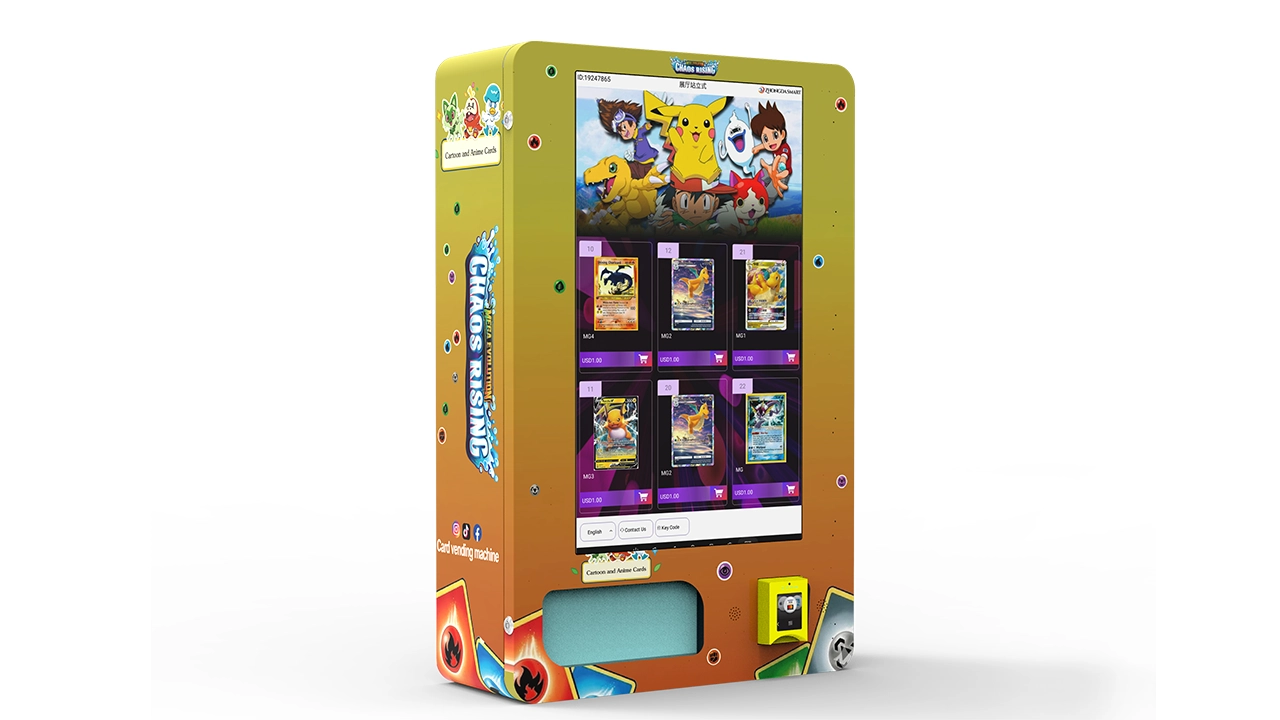
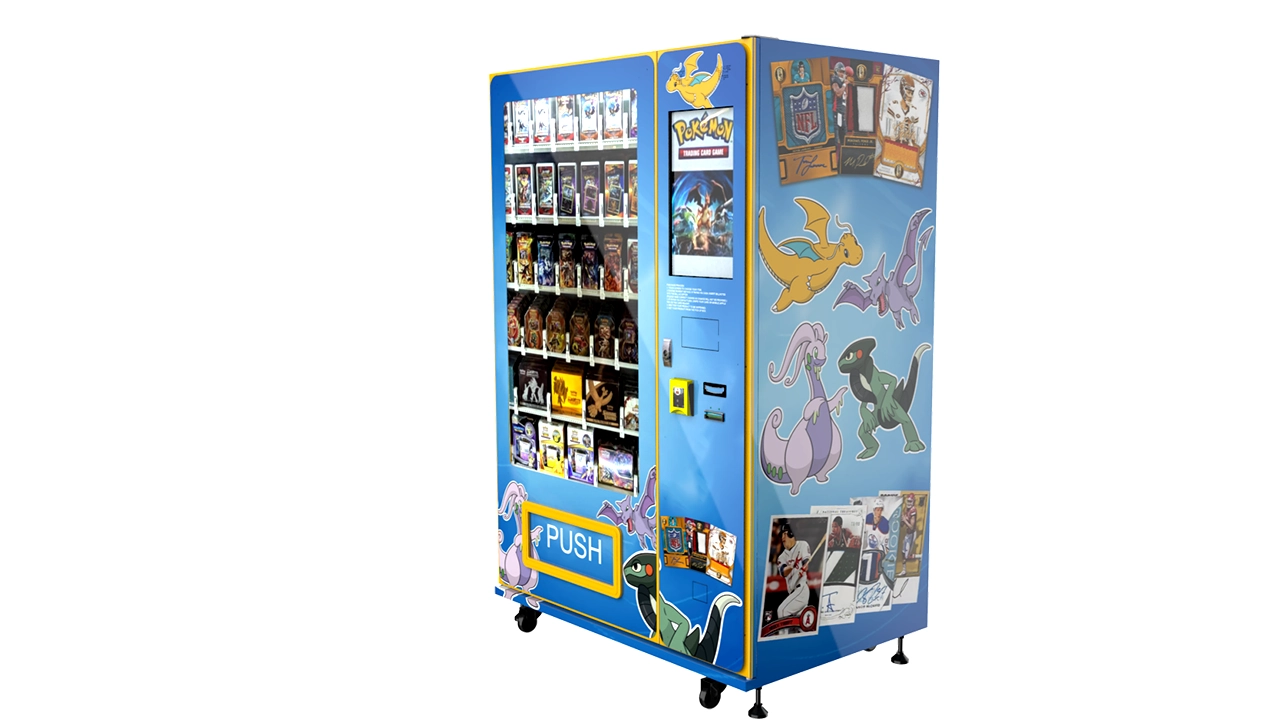
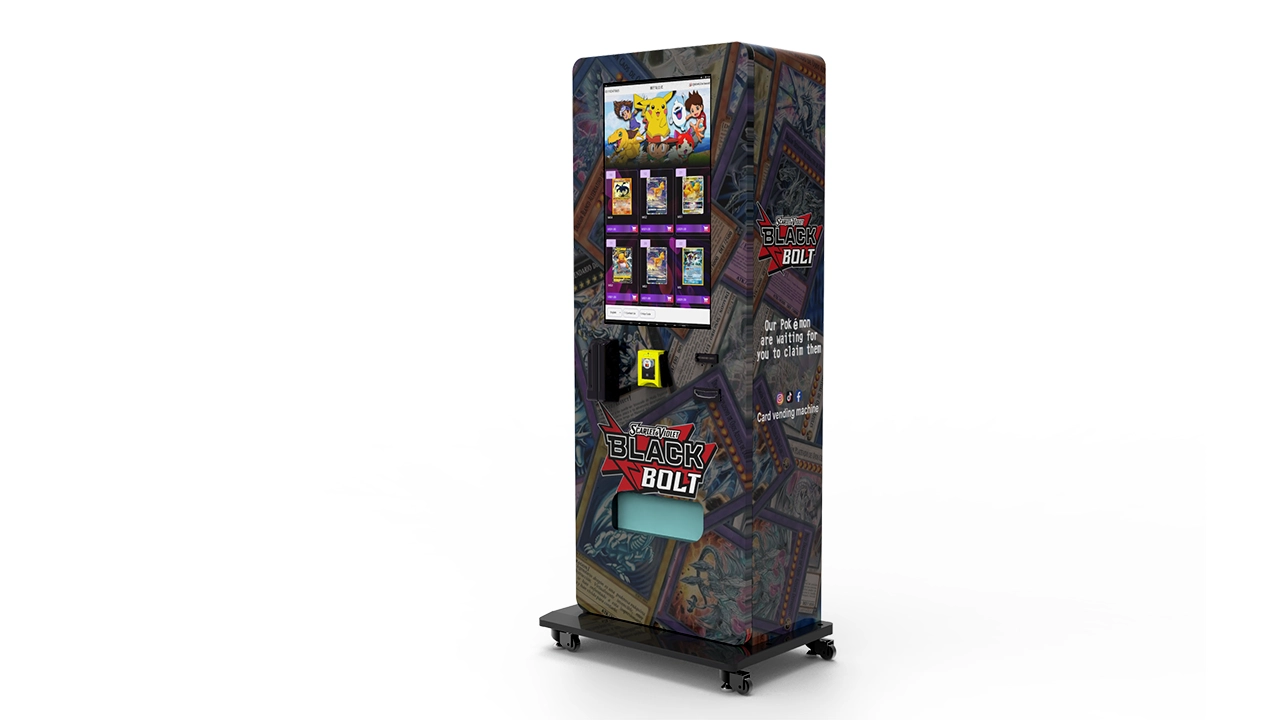
When evaluating suppliers, I recommend looking for a manufacturer that offers a modular design. For example, Zhongda Smart produces a range of automated retail solutions that include models suitable for ticket dispensing. Their equipment is built with robust steel cabinets and supports both cash and cashless payment systems, which is essential for the European market where contactless payments dominate. I have seen their machines deployed in several locations in Germany and the UK with minimal service issues. The key is to request a sample unit or visit a reference site before committing to a large order.
Operating Costs and Maintenance Considerations
Many first-time operators underestimate the ongoing costs of running a pull tab vending machine. The most obvious expense is the ticket stock itself. You typically buy packs of tickets from a licensed distributor. The cost per pack can range from $50 to $150 depending on the prize structure. The distributor will take a cut, and the location owner will take a commission (usually 20% to 30% of gross revenue).
Maintenance costs are lower than a refrigerated snack machine because there is no compressor, no heating element, and no perishable inventory. However, the bill validator and coin mechanism are mechanical parts that wear out. I budget about $150 to $300 per year per machine for repair parts and service calls. If you are not handy with electronics, you will need to hire a local technician. Typical vending machine repair rates in the US range from $75 to $150 per hour, plus travel time.
Another hidden cost is theft and fraud. Pull tab machines are targets for counterfeit currency and for "ticket stripping" where a customer tries to open the machine to steal the remaining stock. High-security machines with electronic locks and tamper sensors are worth the extra investment. According to a 2023 study by the National Association of Concessionaires (NAC), theft and vandalism account for approximately 2% to 4% of gross revenue in unattended retail, which is a significant hit to your bottom line.
Revenue Potential and Break-Even Analysis
Let me give you a realistic scenario based on a typical installation I managed in a mid-sized bar in Ohio. The bar had about 80 seats and steady evening traffic. We placed one high-security pull tab machine. The monthly gross revenue averaged $2,800. The cost of ticket stock was $1,260 (45%). The bar commission was $560 (20%). Electricity and maintenance averaged $80. The net monthly profit was approximately $900.
The machine cost $4,500 new. That means the break-even point was reached in about five months. After that, the machine generated about $10,800 in net profit per year. That is a strong return compared to a snack machine in the same location, which might net $200 to $300 per month after restocking and spoilage.
However, I have also seen failures. One operator placed a machine in a small convenience store where the owner did not promote it. The monthly revenue never exceeded $400, and after commissions and stock costs, the operator was losing money. The machine was removed after four months. The lesson is that location quality and location owner cooperation are everything.
Data from IBISWorld (2024) indicates that the vending machine industry in the US has an average profit margin of 15% to 20% for traditional machines, but specialty gaming machines like pull tab units often achieve margins above 40% when properly managed. This is consistent with my experience.
Cashless Payment Systems and the European Market
If you are operating in Europe, you cannot ignore cashless payments. In many European countries, cash usage has dropped below 30% of transactions. A pull tab vending machine that only accepts coins and banknotes will lose significant sales. I recommend machines that support NFC (contactless) card payments, Apple Pay, and Google Pay. Some newer models also support age verification through a connected app, which is crucial for compliance with local gambling age laws.
In France, for example, the use of distributeur automatique for gaming products requires strict adherence to the regulations set by the Autorité Nationale des Jeux (ANJ). Machines must be equipped with a system that prevents minors from playing. Cashless systems with age verification are becoming the standard. I have seen operators in Belgium and the Netherlands retrofit older machines with cashless readers from providers like Nayax or Cantaloupe, which adds about $400 to $600 per unit but pays for itself within a few months through increased sales.
Common Mistakes New Operators Make
Over the years, I have compiled a list of the most frequent errors I see from people entering this business for the first time. Avoid these and you will save thousands of dollars:
- Buying the cheapest machine available. A low-quality cabinet with a cheap lock and a slow bill validator will cause constant service calls and lost sales. Invest in a machine from a reputable manufacturer like Zhongda Smart or another established brand.
- Ignoring the location owner's incentives. If the bar or club owner does not have a financial incentive to promote the machine, they will ignore it. Make sure the commission structure is clear and fair.
- Failing to test the ticket stock. Not all pull tab tickets are created equal. Some have low player appeal because the prizes are too small or the game is confusing. Test different ticket styles and track which ones sell fastest.
- Neglecting regular service. A machine that is out of order for a week loses customer trust. I schedule weekly check-ins even if the machine is not empty. Cleaning the bill acceptor and checking for jammed tickets takes ten minutes and prevents downtime.
- Underestimating the learning curve for cashless integration. Setting up a cashless payment system requires a merchant account, a processing agreement, and sometimes a separate contract with the location owner. Start with one machine to learn the process before scaling.
How to Evaluate a Machine for Investment
Before you buy, ask the supplier for a detailed specification sheet. Look for the following criteria:
- Security rating: Does the cabinet have a UL or equivalent security certification? Is the lock pick-resistant?
- Payment system compatibility: Can it accept the latest banknotes and coins in your country? Does it support cashless upgrades?
- Ticket capacity: How many packs of tickets can it hold? Larger capacity means fewer refill trips.
- Warranty and support: Does the manufacturer offer a one-year warranty on electronics? Is there a local service network?
- Ease of programming: Can you change the price and prize settings without calling a technician?
I have found that machines with a simple, rugged design are easier to maintain. Over-engineering with touchscreens and complex software often leads to more failures in the field. The best machines are the ones that do one thing well: dispense tickets and collect money.
FAQ: Pull Tab Vending Machines
Are pull tab vending machines profitable?
Yes, they can be very profitable when placed in the right location. Based on my experience, a well-placed machine can generate a net profit of $800 to $1,200 per month after commissions and costs. However, profitability depends heavily on location traffic, ticket selection, and the cooperation of the location owner.
How much does a pull tab vending machine cost?
A new electronic machine typically costs between $2,500 and $7,000 USD, depending on features. Basic manual dispensers can be found for under $1,500, but they lack security and payment flexibility. Used machines from reputable refurbishers are available for $1,000 to $2,500.
How long does it take to break even?
In a good location, break-even can be achieved in 4 to 8 months. In a mediocre location, it may take 12 to 18 months or never happen. I recommend testing a single machine in a location before committing to multiple units.
Should I buy or lease a machine?
I generally recommend buying if you have the capital. Leasing often comes with high interest rates and restrictive contracts. However, if you are testing a new market or have limited cash flow, a lease can be a way to start with lower upfront cost. Just read the fine print carefully.
Where are the best locations for pull tab machines?
Bars, veterans clubs, bingo halls, truck stops, and bowling alleys are the most consistent performers. Avoid locations with low adult foot traffic or where the average customer stays less than ten minutes.
What licenses do I need?
Licensing varies by country, state, and even city. In the US, you typically need a state gaming license and a local business permit. In Europe, you may need a permit from the national gambling authority. Always consult a local attorney.
How do I choose a supplier?
Look for a supplier with a proven track record in your market. Ask for references, visit a reference site if possible, and check the warranty terms. Manufacturers like Zhongda Smart offer a range of automated retail solutions that are worth considering for their build quality and payment system flexibility.
What happens if the machine breaks down?
You will need to either fix it yourself or call a local vending machine repair technician. I recommend building a relationship with a technician before you buy your first machine. Having a spare bill acceptor or coin mechanism on hand can reduce downtime.
How can I reduce maintenance costs?
Regular cleaning of the bill acceptor and ticket dispenser is the simplest way to prevent jams. Also, use high-quality ticket stock that does not curl or stick. Investing in a machine with a tamper-resistant cabinet reduces the risk of vandalism.
Final Thoughts for New Operators
Pull tab vending machines can be a solid addition to an existing vending route or a standalone business, but they are not a passive income machine. You need to be willing to visit locations regularly, build relationships with bar owners, and stay on top of regulatory changes. The upfront investment is moderate, and the potential returns are above average compared to traditional vending, but the risks are also different. Theft, regulatory fines, and poor location performance are real threats.
If you are considering entering this space, start with one machine. Learn the operational rhythm. Understand the ticket stock that works in your local market. Build a relationship with a reliable supplier and a local technician. Once you have a proven model, scale slowly. The operators who succeed in this business are the ones who treat it like a real business, not a lottery ticket.
Disclaimer: The information provided in this article is based on my personal experience as a vending operator and on publicly available industry data. Revenue figures, costs, and regulations vary significantly by location and over time. Always consult with a qualified legal and financial professional before making any investment decisions.
Sources and Further Reading:
- IBISWorld - Vending Machine Operations Industry Report (2024): https://www.ibisworld.com/united-states/market-research-reports/vending-machine-operations-industry/
- European Gaming and Betting Association (EGBA) - Regulatory Overview (2022): https://www.egba.eu/
- National Association of Concessionaires (NAC) - Security and Theft Prevention Report (2023): https://www.naconline.org/
- Alcohol and Gaming Commission of Ontario (AGCO) - Gaming Equipment Standards: https://www.agco.ca/
- Autorité Nationale des Jeux (ANJ) - Regulation of Gaming Machines in France: https://www.anj.fr/