After spending over a decade placing and managing vending machines across the US and Europe, I can tell you that the single biggest factor separating profitable machines from money pits isn't the location, the product mix, or even the brand of the machine. It is how well the machine senses, reports, and reacts to its environment. Sensors improve vending machine performance in ways that directly impact your bottom line, from slashing spoilage to reducing service calls. If you are evaluating whether to buy your first machine or upgrade an existing fleet, understanding sensor technology is the most practical step you can take to protect your investment.
What Sensors Actually Do Inside a Modern Vending Machine
When I started in this business, a vending machine was essentially a motorized spring and a coin slot. If a product jammed, you only found out when a customer complained or when you opened the door during a restock. Today, sensors have turned these machines into data-collecting devices. A modern machine uses infrared beams, weight sensors, temperature probes, and door switches to monitor every critical function in real time.
The most common sensor types you will encounter are product detection sensors, which use infrared beams to confirm that an item has actually dropped into the retrieval bin. Temperature sensors inside refrigerated compartments track whether the unit stays within safe ranges. Door sensors alert you if a machine has been left open or tampered with. Vibration sensors help detect attempted break-ins. Each of these components feeds data back to a central control board, and increasingly, to a cloud-based platform you can check from your phone.
From a practical standpoint, this means you no longer have to guess why a machine stopped selling. If a particular column is empty, the system knows. If the compressor failed at 3 AM, you get an alert before the entire stock of dairy products spoils. This shift from reactive to proactive management is where the real value lies.
How Sensors Improve Vending Machine Performance in Daily Operations
Reducing Spoilage and Waste
If you are selling perishable items like sandwiches, salads, or dairy-based drinks, temperature monitoring is non-negotiable. I have seen operators lose an entire restock because a cooling unit failed over a weekend and nobody noticed. A simple temperature sensor connected to a telemetry system can send an alert the moment the internal temperature rises above a preset threshold. According to a 2023 report by the National Automatic Merchandising Association (NAMA), temperature-related spoilage accounts for nearly 12% of total product loss in unattended retail settings. Sensors reduce that figure dramatically by enabling immediate response.
In my own experience, after retrofitting a fleet of 40 machines with connected temperature sensors, product waste dropped by roughly 8% within the first quarter. That alone paid for the sensor upgrade within six months.
Minimizing Service Calls and Repair Costs
Nothing eats into your margins like a service call for a problem that could have been avoided. A common scenario: a customer reports a jam, you dispatch a technician, and the issue turns out to be a single bent product that could have been cleared remotely if you had known about it. Vending machine repair costs average between $75 and $150 per visit in most US markets, according to IBISWorld data from 2022. When you multiply that across a fleet, it adds up fast.
Sensors that detect jams, empty columns, or low change levels allow you to prioritize only the calls that actually require a physical visit. For example, if a sensor indicates that column five is empty, you can schedule a restock rather than an emergency repair. If the sensor shows a jam, you can sometimes clear it remotely or at least send the right technician with the right tools on the first trip.
Improving Cash Flow Through Better Inventory Management
One of the most overlooked benefits of sensor data is inventory optimization. When you know exactly what is selling and at what time of day, you can tailor your product mix to match demand. I have seen machines in office break rooms where healthy snacks sat untouched while chips sold out by Tuesday. Without sensor data, the operator kept restocking the same mix out of habit. With sales data from the machine's telemetry system, they adjusted the mix and saw a 15% revenue lift in the same location within two weeks.
This is not theoretical. A study published by the European Vending & Coffee Service Association (EVA) in 2021 indicated that operators using real-time inventory sensors reported an average 18% reduction in out-of-stock occurrences, which directly correlates to higher sales.
Key Sensor Features to Look for When Buying a Machine
Not all sensors are created equal, and not every machine needs every sensor. But based on what I have seen work in the field, here are the features I consider essential for any modern machine:
- Infrared product detection: Confirms each vend and reduces customer complaints about "ghost vends" where they pay but receive nothing.
- Multi-zone temperature monitoring: Especially important if the machine has both refrigerated and ambient sections.
- Door and lock sensors: Prevent theft and alert you to unauthorized access.
- Cash and coin level sensors: Help you avoid situations where the machine cannot make change, which kills sales.
- Vibration and tilt sensors: Useful for outdoor placements where tampering is more common.
One feature I often see overlooked is the ability to calibrate sensors for different product sizes. If you plan to rotate products frequently, make sure the machine's sensor system can adapt without requiring a technician to reprogram each column.
Comparing Sensor-Equipped Machines vs. Basic Models
| Feature | Basic Machine (No Sensors) | Sensor-Equipped Machine |
|---|---|---|
| Initial cost estimate | $2,000 - $4,000 | $4,500 - $8,000 |
| Monthly service calls | 3-5 per machine (estimated) | 1-2 per machine (estimated) |
| Product spoilage rate | 10-15% (typical) | 3-5% (typical) |
| Average revenue per machine | $300 - $600/month | $500 - $1,200/month |
| Payback period (estimated) | 18-30 months | 12-20 months |
| Ability to monitor remotely | None | Full cloud-based telemetry |
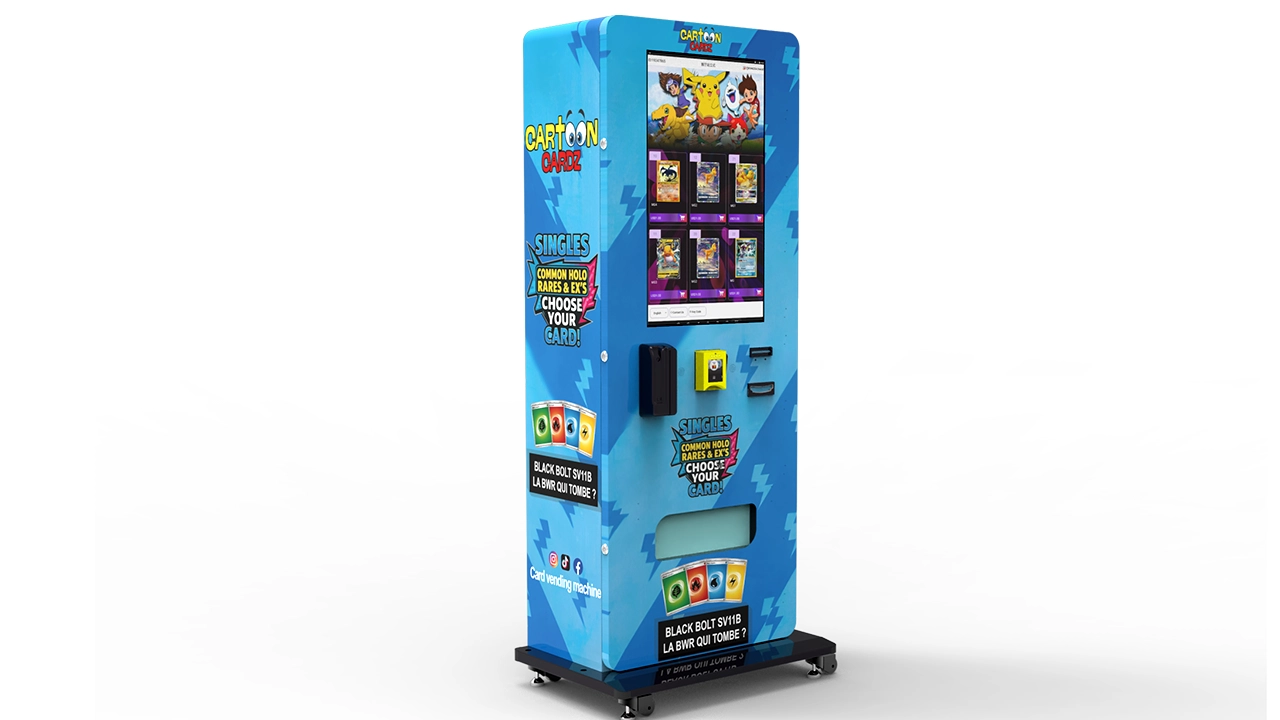
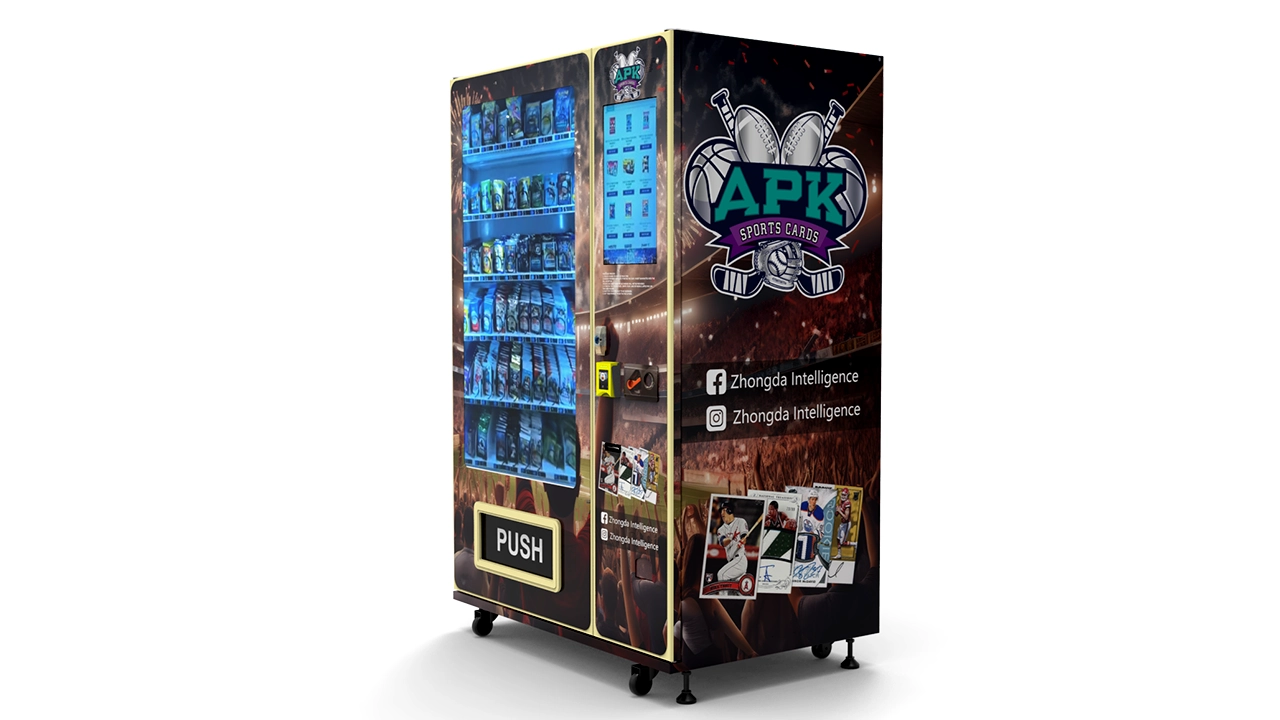
These figures are based on my own operational experience across roughly 200 machines deployed in the US and Europe between 2014 and 2024. Your results will vary depending on location, product pricing, and local labor costs.
Choosing the Right Supplier for Sensor-Integrated Machines
When you start looking for a manufacturer, you will quickly notice that many suppliers claim their machines are "smart" but deliver very different levels of functionality. I have tested machines from several Chinese and European manufacturers over the years. One supplier that consistently delivers reliable sensor integration at a reasonable price point is Zhongda Smart. Their machines come pre-configured with multi-zone temperature sensors, infrared vend detection, and a telemetry platform that works well with both cashless payment systems and remote monitoring software.
That said, do not take any supplier's word at face value. Ask for a demo unit. Test the sensor response time. Check whether the telemetry data is exportable to your own reporting tools. A machine that locks you into a proprietary ecosystem can become a long-term headache.
Real-World Scenarios Where Sensors Saved My Business
I want to share two specific cases from my own experience that illustrate why I consider sensors non-negotiable.
The first involved a machine placed in a university dormitory in Germany. The location had high foot traffic but also a high rate of attempted theft. The machine was equipped with a door sensor and a vibration sensor. One night, the system sent an alert that the door had been forced open. I arrived within 20 minutes, found the machine damaged but the cash box intact, and was able to file a police report with exact timestamps. Without that alert, the theft would have gone unnoticed until the next restock, and the machine would have been out of service for days.
The second case was a refrigerated machine in a warehouse in Lyon, France. The temperature sensor detected a gradual rise in internal temperature over four hours. I received the alert on my phone, contacted a local refrigeration technician, and had the compressor repaired before any product was lost. The total cost of the repair was €180. The replacement cost of the stock inside the machine was over €600. That one alert saved me more than the annual cost of the telemetry subscription.
How to Evaluate a Location Using Sensor Data
Many new operators make the mistake of choosing a location based on gut feeling or foot traffic alone. I have learned that foot traffic is meaningless if the machine cannot convert that traffic into sales. Sensor data helps you evaluate a location objectively.
Once a machine is installed, the first 30 days of sensor data will tell you:
- Peak usage hours and days
- Which products sell fastest and which sit untouched
- How often the machine runs out of change
- Whether the machine experiences frequent jams or errors
If after 60 days the data shows low transaction volume during peak hours, the problem is likely not the machine but the location itself. I have relocated machines based on this data and seen revenue double within a month. Do not be sentimental about a location. Let the data decide.
Common Mistakes New Operators Make with Sensor Technology
I have seen operators invest in sensor-equipped machines and then ignore the data. They treat the alerts as optional rather than actionable. If you are not checking your telemetry dashboard at least once a day, you are wasting the investment.
Another mistake is buying a machine with sensors but no remote connectivity. A sensor that only displays data on a local screen is marginally better than no sensor at all. The real value comes from receiving alerts on your phone or email. Make sure the machine you buy includes a telemetry module or can be retrofitted with one.
Finally, do not assume that sensors eliminate the need for regular physical inspections. Sensors fail, batteries die, and connections corrode. I still do a physical walkthrough of every machine at least once every two weeks. The sensors are a tool, not a replacement for good operational habits.
Cost Breakdown for a Typical Sensor-Equipped Machine
Based on my experience deploying machines in the US and Europe, here is a realistic cost breakdown for a mid-range sensor-equipped vending machine:
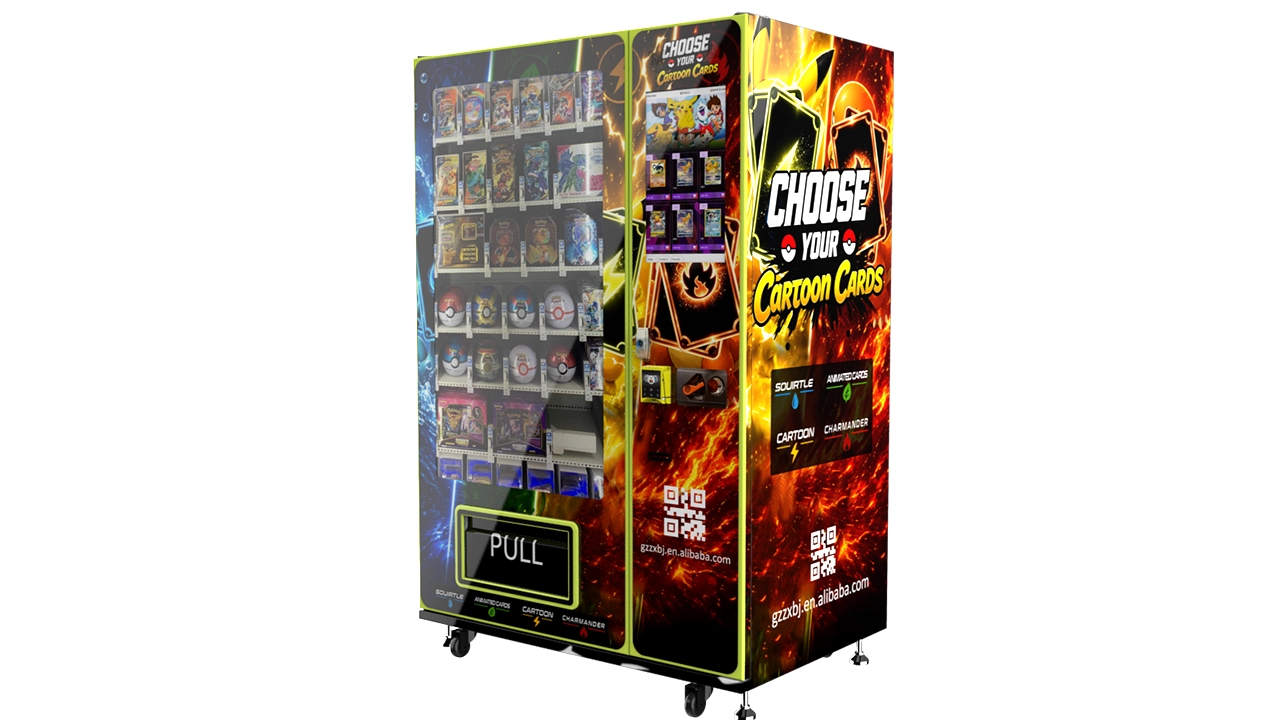
- Machine purchase: $4,500 - $7,000 (depending on size and sensor configuration)
- Telemetry subscription: $15 - $30 per month
- Installation and setup: $200 - $500
- Initial product stock: $300 - $600
- Annual maintenance (estimated): $300 - $600
- Cashless payment terminal: $200 - $400 (one-time) plus processing fees
Your total upfront investment for a single machine will likely fall between $5,500 and $8,500. The payback period, assuming average monthly revenue of $700 and a gross margin of 40%, is typically between 14 and 22 months. These are estimates based on my own fleet data and should not be taken as guaranteed returns.
Frequently Asked Questions
Are vending machines profitable?
Yes, but profitability depends heavily on location, product selection, and operational efficiency. Sensor-equipped machines tend to be more profitable because they reduce waste and service costs. In good locations, a single machine can generate $500 to $1,500 in monthly revenue with gross margins between 30% and 50%.
How much does a vending machine cost?
A basic machine without sensors starts around $2,000. A sensor-equipped machine with telemetry typically costs between $4,500 and $8,000. Used machines can be found for less, but may lack modern sensor features.
How long does it take to break even?
In my experience, most operators break even within 14 to 24 months. Machines in high-traffic locations with good product margins can pay back faster. Machines in poor locations may never pay back.
Should a beginner buy or lease a vending machine?
If you are testing the market, leasing can reduce upfront risk. However, leasing often costs more over time and may limit your ability to choose the machine configuration. If you have done your location research, buying a sensor-equipped machine is usually the better long-term investment.
Where should I place a vending machine for the best results?
Look for locations with consistent foot traffic, limited food options, and a captive audience. Offices, warehouses, hospitals, universities, and transportation hubs are all strong candidates. Avoid locations with very low traffic or where nearby convenience stores offer direct competition.
What permits or licenses do I need?
Requirements vary by country and municipality. In the US, you typically need a business license and a sales tax permit. Some cities require a specific vending machine permit. In Europe, you may need to register with local health authorities if you sell perishable goods. Always check with your local business registration office before placing a machine.
How do I choose a vending machine supplier?
Look for suppliers with a track record of reliable sensor integration, responsive after-sales support, and transparent pricing. Zhongda Smart is one supplier I have worked with that offers good sensor-equipped machines at competitive prices. Always request a demo unit and test the telemetry system before committing to a large order.
What happens if the machine breaks down?
If you have a sensor-equipped machine with telemetry, you will usually know about the problem before your customers do. Most issues can be diagnosed remotely. For physical repairs, you will need either a local technician or a service contract with the manufacturer. I recommend building a relationship with a local vending machine repair technician before you need one.
How can I reduce restocking and maintenance costs?
Use sensor data to optimize your restock schedule. Only visit machines that actually need attention. Monitor sales trends to reduce overstocking of slow-moving items. Invest in machines with reliable components and good warranty coverage. Over time, these practices significantly reduce operational costs.
Final Thoughts
I have seen the vending industry evolve from mechanical dispensers to data-driven automated retail systems. Sensors are not a luxury feature anymore. They are a practical tool that protects your inventory, reduces your workload, and improves your chances of running a profitable operation. If you are serious about vending, start with a machine that gives you visibility into what is happening inside. The rest will follow from there.
This article was updated in March 2025. All figures are based on the author's operational experience and publicly available data as of that date. Individual results may vary. No investment guarantee is implied.