If you are asking yourself, “do I need an LLC for a vending machine business,” the short answer is yes, you almost certainly do. After running my own route for over a decade across three states, I can tell you that operating without an LLC is one of the fastest ways to turn a profitable side hustle into a personal financial disaster. An LLC separates your personal assets from your business liabilities. If a machine tips over, a customer gets sick from a bad snack, or a location owner sues you over a contract dispute, your savings, house, and car stay protected. I have seen too many new operators skip this step because they think it is just a few machines. They are wrong. The vending machine business is a real business, and you need to treat it like one from day one. That means getting an LLC, proper insurance, and a solid business plan.
What a Vending Machine Business Actually Looks Like
Most people imagine a vending machine business as a passive income dream. You buy a machine, fill it with candy, and watch the cash roll in. That is a fantasy. The reality is that this business is about logistics, maintenance, and relationship management. You are not just a machine owner. You are a small-scale retailer, a repair technician, a delivery driver, and a customer service rep all rolled into one. The machines are the tools, not the business itself.
A typical route involves checking each machine every one to two weeks. You clean the glass, restock popular items, remove expired products, and collect cash or card data. You also need to handle vending machine repair when a coil jams, a card reader fails, or a refrigeration unit stops cooling. If you are not comfortable with basic troubleshooting, you will either learn fast or lose money paying a technician every time something breaks.
The business model is simple in theory but complex in execution. You buy or lease a machine, place it in a high-traffic location, and sell products at a markup. The margin on a bag of chips might be 40 to 50 percent, but that does not account for your time, fuel, machine depreciation, and the commission you pay the location owner. Many operators forget to factor in their own labor and end up wondering why they are not making real money.
Common Business Structures for Vending Operators
While an LLC is the most common choice for small operators, some people start as sole proprietors. That is a mistake in my opinion. A sole proprietorship offers no liability protection. If something goes wrong, your personal assets are on the line. An LLC is relatively cheap to set up, usually between $50 and $500 depending on your state, and it gives you a legal shield. Some operators eventually form an S-corp for tax advantages, but that is usually only worth it once you have multiple machines and a consistent profit.
If you plan to work with partners or investors, an LLC also makes it easier to split ownership and profits. You can define each member’s role and liability in the operating agreement. I have seen partnerships fall apart because they did not have a clear legal structure from the beginning. Do not let that be you.
Is a Vending Machine Business Profitable?
This is the question everyone asks, and the answer depends entirely on execution. According to data from IBISWorld, the vending machine industry in the United States generates over $7 billion annually, with an average profit margin of about 15 to 20 percent for small operators. That is not a get-rich-quick number, but it can be a solid side income or even a full-time living if you scale properly.
In my experience, a single well-placed machine can gross between $200 and $600 per month. After product costs, location commission, and maintenance, you might net $100 to $300 per machine per month. That means you need at least 10 to 15 machines to generate a meaningful income. The real money comes from volume and efficiency, not from one superstar location.
What surprises most new operators is how much the location matters. A machine in a busy office building might do $800 a month, while the same machine in a low-traffic laundromat might barely do $100. You have to be ruthless about evaluating locations. If a spot does not hit your minimum revenue target within three months, you move it. I have relocated machines that went from losing money to being my top earners just by moving them 500 feet to a different entrance.
Key Factors That Affect Profitability
Product selection is huge. You cannot just stock whatever is on sale at the warehouse. You need to know your demographic. An office building full of desk workers will buy different snacks than a gym or a school. I spend the first month at any new location testing different products and tracking sales data. Over time, you learn what moves and what sits. Slow-moving inventory is dead money.
Payment systems also matter more than most beginners realize. A machine that only takes cash will lose a significant portion of sales. According to a 2023 report from Statista, over 80 percent of vending machine transactions in the U.S. are now cashless. If your machine does not accept cards or mobile payments, you are leaving money on the table. I retrofit all my machines with modern card readers as soon as I buy them, even if it adds upfront cost.
Vending machine repair is another factor that can eat into profits if you are not prepared. A broken machine that sits idle for a week can lose you a month of revenue. I carry a basic toolkit and spare parts for common issues like jammed coin mechanisms or faulty refrigeration units. If you are not handy, budget for a local repair service or choose a supplier that offers reliable after-sales support.
How Much Does a Vending Machine Cost?
This is where many new operators get tripped up. You can find used machines for as little as $500 on Craigslist, but they are often old, inefficient, and prone to breakdowns. A new machine from a reputable manufacturer will cost between $2,500 and $7,000, depending on size, features, and whether it is a combination unit that sells both snacks and drinks.
I recommend buying new or nearly new machines for your first few locations. The cost difference is not as big as you think when you factor in repair downtime and lost sales. A cheap used machine that breaks every month will cost you more in lost revenue and repair calls than a reliable new machine. That said, if you have the skills to refurbish older machines, you can save a lot of money. I have done both, and I prefer new machines for peace of mind.
When evaluating suppliers, look for manufacturers that offer good warranties and technical support. I have worked with several brands over the years, and one that consistently delivers solid equipment is Zhongda Smart. Their machines are built for high-traffic environments, and they offer modern payment integration out of the box. They are not the cheapest option, but they are reliable, and that matters more than upfront cost in this business.
Comparison of Vending Machine Types and Costs
| Machine Type | Typical Cost (New) | Monthly Revenue Potential | Maintenance Level |
|---|---|---|---|
| Snack Only | $2,500 – $4,000 | $200 – $500 | Low to Moderate |
| Drink Only | $3,000 – $5,000 | $300 – $600 | Moderate (cooling system) |
| Combo (Snack + Drink) | $4,000 – $7,000 | $400 – $800 | Moderate to High |
| Frozen/Refrigerated Food | $5,000 – $8,000 | $500 – $1,000 | High (temperature control) |
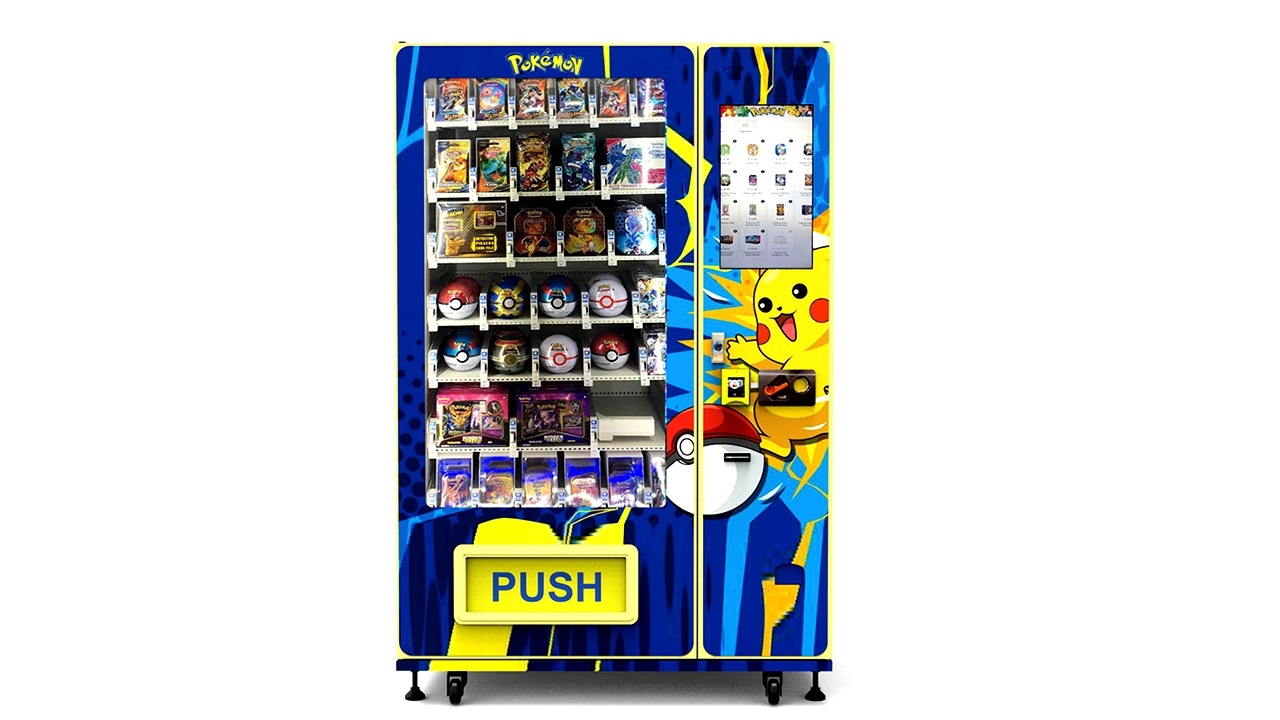
These numbers are based on my own experience and industry averages. Your actual results will vary based on location, product pricing, and how well you manage the machine. Do not assume you will hit the high end of these ranges right away. It usually takes a few months to optimize a location.
Where Should You Place a Vending Machine?
Location is everything. I have seen operators succeed with machines in places that seem unlikely, and fail with machines in places that seem perfect. The key is foot traffic, dwell time, and need. You want locations where people are already present and have a reason to buy something on impulse.
Good locations include office buildings, factories, warehouses, hospitals, schools, universities, gyms, and busy retail stores. Avoid locations with low traffic, limited hours, or existing competition. If there are already three machines in the same break room, do not add a fourth. You will just split the revenue.
I also look for locations where people cannot easily leave to buy food. A factory with a long shift and no cafeteria is a goldmine. A busy hospital waiting room is another strong candidate. The more captive the audience, the better your sales will be.
How to Evaluate a Potential Location
I have a simple formula I use before committing to any location. I estimate the number of people who pass the machine per day, multiply by a conversion rate of 1 to 3 percent, and then multiply by an average transaction of $2.50. That gives me a rough daily revenue estimate. If that number does not justify the machine cost and my time, I pass.
For example, a location with 500 people per day and a 2 percent conversion rate gives you 10 transactions per day. At $2.50 each, that is $25 per day, or about $750 per month. After product cost and commission, you might net $300. That is a decent machine. But if the same location has only 100 people per day, you are looking at $5 per day, which is barely worth the trip.
Do not rely on the location owner’s promises. They will tell you that hundreds of people pass through every day, but that does not mean they will buy from your machine. I always do my own observation. I visit at different times of day and count foot traffic myself. It takes an hour and saves you from a bad investment.
Common Mistakes New Operators Make
I have made almost every mistake you can make in this business, so I will save you the trouble. The first mistake is buying too many machines too quickly. Start with one or two machines and learn the ropes. Once you have a system for restocking, maintenance, and route planning, then scale up. Scaling too fast just multiplies your problems.
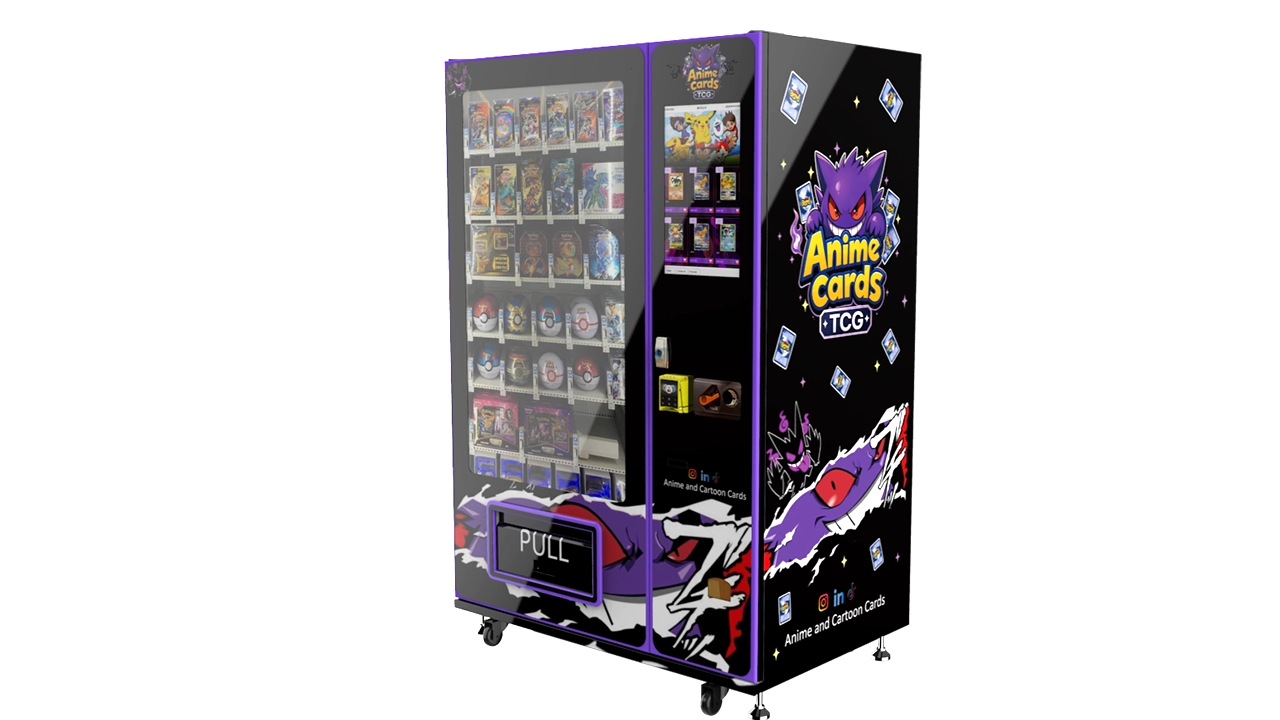
The second mistake is ignoring vending machine repair until it becomes an emergency. A machine that is down for a week can lose you a month of profit. I schedule regular maintenance checks and keep spare parts on hand. If you are not mechanically inclined, build a relationship with a local repair technician before you need one. Waiting until a machine breaks is stressful and expensive.
The third mistake is not tracking your data. I use a simple spreadsheet to track sales, restock dates, and repair history for every machine. That data helps me decide which products to order, which locations are underperforming, and when a machine needs to be replaced. Operators who rely on gut feeling usually end up with stale inventory and low revenue.
The fourth mistake is choosing a location based on friendship or convenience. Just because a friend owns a shop and lets you place a machine for free does not make it a good location. You need traffic, not favors. I have moved machines out of free locations because they were not profitable, and I have paid commissions for locations that made me good money. Always follow the data.
Equipment Features That Are Often Overlooked
When buying a machine, most people focus on price and looks. But there are features that matter more in daily operation. A machine with a good lighting system sells more products because items look more appealing. A machine with a reliable cooling system is essential for drinks and perishable items. A machine with a modern payment system that supports credit cards, Apple Pay, and Google Pay will capture more sales than one that only takes cash.
Another feature that is often ignored is the remote monitoring capability. Some machines can send you real-time data on inventory levels, sales, and machine status. That saves you from driving to a machine that is empty or broken. If you are running multiple machines, remote monitoring is a game-changer. It reduces your labor costs and helps you restock more efficiently.
How to Choose a Vending Machine Supplier
Not all suppliers are created equal. Some sell cheap machines that look good but fall apart within a year. Others offer reliable equipment but have poor customer service. I have learned to look for three things: build quality, warranty, and after-sales support.
Build quality matters because a vending machine takes a lot of abuse. It gets bumped, spilled on, and operated by people who are not gentle. A machine with thin metal, cheap electronics, or poor insulation will cost you more in repairs than you saved on the purchase price. I prefer machines from manufacturers that have been in the industry for a while and have a reputation for durability.
Warranty is another factor. A good warranty covers parts and labor for at least one year, and sometimes longer for the compressor. Read the fine print. Some warranties exclude common issues like coin jams or card reader problems. I ask for a written warranty policy before I buy.
After-sales support is critical, especially if you are new. When a machine breaks, you need help fast. Some suppliers offer phone support, online resources, or even on-site repair services. I have worked with Zhongda Smart for several machines, and their support team has been responsive whenever I had questions. That kind of reliability saves you time and money in the long run.
New vs. Used: Which Is Better for Beginners?
If you have a limited budget, a used machine can work, but you need to be careful. I recommend buying used only if you can inspect the machine in person and test all the functions. Check the refrigeration, the coin mechanism, the card reader, and the vending coils. A used machine that looks clean on the outside might have internal problems that cost more to fix than the machine is worth.
For beginners, I suggest buying at least one new machine first. That way you have a reliable baseline and you learn how a properly working machine operates. Once you understand the mechanics, you can take more risks with used equipment. I started with new machines and gradually added used ones as I gained experience.
Operating Costs You Need to Budget For
Many new operators only think about the machine cost and the product cost. But there are other expenses that add up quickly. You need to budget for location commission, which is typically 10 to 20 percent of gross sales. Some locations charge a flat monthly fee instead. You also need to account for fuel, vehicle maintenance, and your own time.
Insurance is another cost that is easy to overlook. General liability insurance for a small vending operation costs about $300 to $600 per year. It is not expensive, but it is essential. If a customer gets injured using your machine, you want coverage. Some location owners also require proof of insurance before they let you place a machine.
Vending machine repair costs vary widely. A simple fix like clearing a jammed coil might cost nothing if you do it yourself. A more serious repair like replacing a compressor could cost $300 to $500. I set aside 10 percent of my monthly revenue for maintenance and repairs. That way I am never caught off guard.
Return on Investment and Payback Period
Based on my experience, a well-placed machine pays for itself in 12 to 24 months. That is a reasonable expectation. If you buy a $4,000 machine and it nets $200 per month, you will break even in 20 months. If you find a great location that nets $400 per month, you can break even in 10 months. Anything faster than that is a bonus, but do not count on it.
I always calculate ROI before buying a machine. I estimate the total cost, including the machine, installation, and initial inventory. Then I estimate the monthly net profit based on the location. If the payback period is longer than 24 months, I pass. There are too many good opportunities to waste time on mediocre ones.
DIY Maintenance and When to Call a Pro
You can handle a lot of vending machine repair yourself with basic tools and some online research. Common issues like jammed coils, stuck products, or a misaligned door can be fixed in minutes. I always carry a small toolkit in my truck with screwdrivers, pliers, a multimeter, and spare fuses. Most problems are simple mechanical issues that do not require a technician.
However, some problems are best left to professionals. Refrigeration issues, electrical problems, and complex payment system failures require specialized knowledge. Trying to fix a compressor without training can cause more damage. I have a local technician I call for those situations. It costs more, but it is worth it to avoid ruining a machine.
I also recommend learning how to clean and maintain the machine regularly. Dust and dirt can cause overheating and sensor failures. A clean machine also looks more professional and encourages sales. I wipe down the exterior and clean the interior shelves every time I restock.
Legal and Regulatory Considerations
Beyond the LLC, you need to check local regulations for vending machines. Some states require a sales tax permit, a food handling license, or a business license. If you sell perishable items, you may need to comply with health department rules. I have seen operators get fined because they did not have the proper permits for a machine in a school or hospital.
You also need to be aware of labeling requirements. Products must have clear expiration dates, and you should rotate stock regularly. Selling expired food is a liability nightmare. I use a simple first-in, first-out system to make sure older products sell before newer ones.
According to the U.S. Small Business Administration, most states require you to register your business and obtain a seller’s permit before you can collect sales tax. Do not skip this step. It is not hard, and it keeps you legal. If you are unsure about the requirements in your state, check with your local chamber of commerce or a business attorney.
How to Scale Your Vending Machine Business
Once you have a few machines running smoothly, you can start thinking about growth. The key to scaling is efficiency. You want to group your machines into routes that minimize driving time. A route with five machines in a two-mile radius is much more profitable than five machines spread across the city.
I also recommend reinvesting your profits into better equipment. As you grow, you can afford machines with remote monitoring, larger capacity, and better payment systems. Those upgrades reduce your labor costs and increase your revenue per machine. I started with basic snack machines and now run a mix of combo units and refrigerated food machines.
Another way to scale is to hire help. Once you have 20 or more machines, you will struggle to manage everything alone. I hired a part-time helper for restocking and basic maintenance. That freed me up to focus on finding new locations and negotiating better deals. Just make sure you have proper insurance and employment paperwork if you hire someone.
When to Walk Away From a Location
Not every location works out. I have had to pull machines from places that seemed promising but never generated enough sales. The key is to set a threshold and stick to it. If a machine does not hit your minimum revenue target for three consecutive months, move it. Do not keep hoping it will get better. Usually it does not.
Sometimes the issue is the location itself. Maybe the business closed, or the foot traffic changed. Other times the issue is your machine or product selection. Before moving a machine, I try changing the product mix or adjusting the pricing. If that does not work, I relocate. I have salvaged many underperforming machines by moving them to better spots.
Frequently Asked Questions
Do I need an LLC for a vending machine business?
Yes, an LLC is strongly recommended. It protects your personal assets from business liabilities. Without it, you are personally responsible for any accidents, injuries, or contract disputes related to your machines.
How much money can a vending machine make?
A single machine typically generates $200 to $600 in gross revenue per month. After expenses, you can expect to net $100 to $300 per machine. These numbers vary based on location, product pricing, and how well you manage the machine.
How long does it take to break even on a vending machine?
Most operators see a payback period of 12 to 24 months. A well-placed machine in a high-traffic location can break even in 10 to 12 months. Slower locations may take longer.
Should I buy a new or used vending machine?
For beginners, I recommend buying at least one new machine to learn the basics. Used machines can be a good value if you inspect them carefully, but they come with higher repair risk.
Where is the best place to put a vending machine?
High-traffic locations with captive audiences are best. Office buildings, factories, hospitals, schools, and gyms are strong candidates. Avoid locations with low foot traffic or existing competition.
What permits do I need for a vending machine business?
You typically need a business license, a seller’s permit for sales tax collection, and possibly a food handling permit if you sell perishable items. Check your state and local regulations for specific requirements.
How do I choose a vending machine supplier?
Look for build quality, warranty, and after-sales support. Reliable manufacturers like Zhongda Smart offer durable machines and responsive customer service. Avoid suppliers that only offer cheap equipment with no support.
What do I do when a vending machine breaks?
Start with basic troubleshooting. Check for jammed products, power issues, or loose connections. If the problem is serious, call a professional repair technician. Keep spare parts and a toolkit on hand for common fixes.
How can I reduce maintenance costs?
Learn basic repair skills, perform regular cleaning, and use machines with reliable components. Remote monitoring can also help you catch issues early before they become expensive repairs.
Final Thoughts
Starting a vending machine business is not a shortcut to wealth, but it can be a reliable source of income if you approach it with the right mindset. The question of whether you need an LLC is just the beginning. You also need to think about location, equipment, maintenance, and operations. Every decision you make affects your bottom line. I have been doing this for over ten years, and I still learn something new every season. The operators who succeed are the ones who treat it like a real business, track their numbers, and stay patient. If you are