If you have spent any time walking through a shopping mall in the United States or Europe over the last five years, you have likely noticed that the traditional snack-and-soda machine has evolved into something far more sophisticated. I have been in the vending machine business for over a decade, placing units in malls from suburban Atlanta to downtown Lyon, and I can tell you this: the shift toward automated retail is not a passing trend. Shopping mall operators are actively seeking ways to fill dead space, reduce labor costs, and offer shoppers 24/7 access to products. That is where modern vending machines for shopping malls come in. They are not just about candy bars anymore. They are about electronics, cosmetics, fresh food, and even footwear. The real question most operators ask me is whether the numbers actually work. Based on my experience, they do—if you choose the right location, the right equipment, and the right product mix.
Why Shopping Malls Are a Natural Fit for Vending Machines
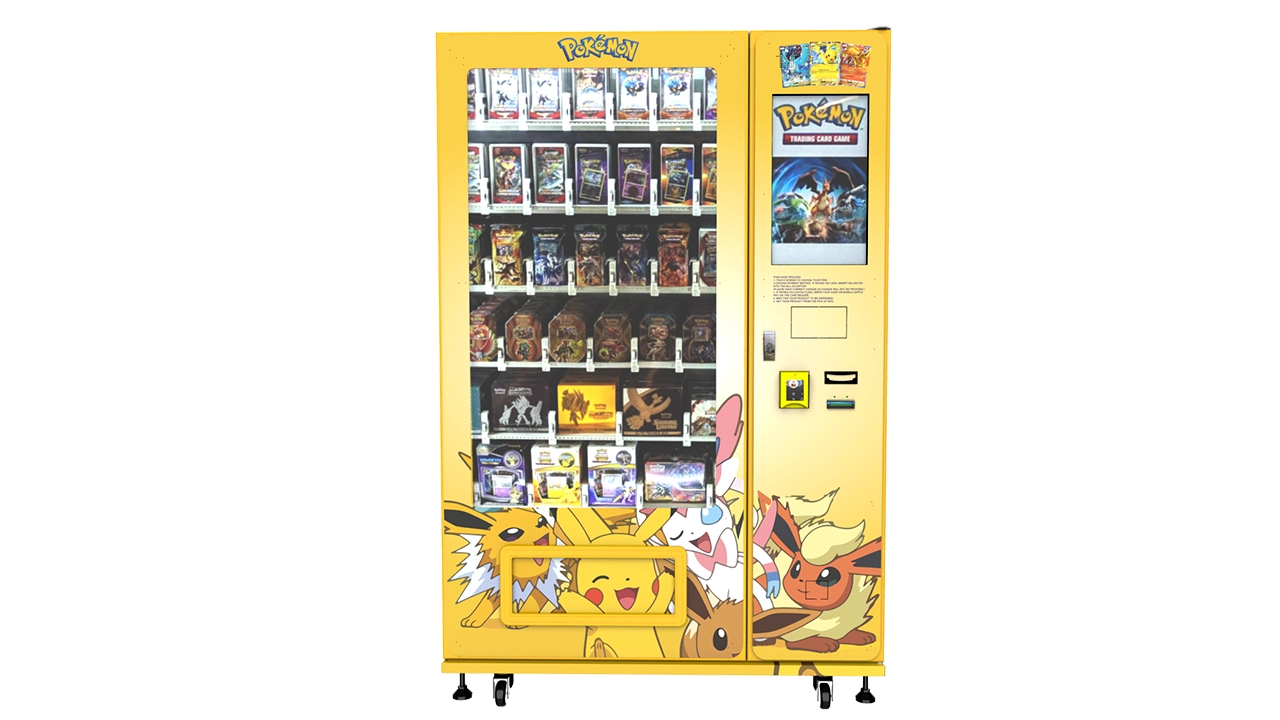
Malls generate foot traffic that most standalone retail locations can only dream of. A regional mall in the United States can see 10,000 to 30,000 visitors per day, depending on the day of the week and the season. In Europe, shopping centers like those operated by Unibail-Rodamco-Westfield report similar numbers. That constant flow of people creates a natural opportunity for unattended retail. The key is understanding that mall visitors are not necessarily looking for a full shopping experience when they pass by a vending machine. They want convenience. They want speed. They want to grab a product and move on to the next store or the food court.
I have placed machines in mall corridors, near restrooms, next to escalators, and inside vacant retail spaces that were converted into micro-retail zones. Each location performed differently. The ones near restrooms and food courts consistently outperformed the ones tucked into quiet hallways. That might seem obvious, but I have seen operators lease a spot in a mall simply because the rent was low, only to discover that nobody walks past that corner. Foot traffic quality matters more than foot traffic quantity.
Understanding the Mall Environment
Malls have their own rules. You cannot just roll in a machine and start selling. You need a lease agreement, liability insurance, and often a compliance check with local health authorities if you plan to sell perishable food. In France, for example, any machine selling fresh food must comply with the hygiene regulations outlined by the Direction Générale de l'Alimentation. In the United States, the FDA and local health departments have their own requirements. I have seen operators lose thousands of dollars because they ignored these steps and got shut down within a week.
Another factor that many newcomers overlook is the electrical and connectivity setup. Malls are large buildings with complex infrastructure. You need to know whether your machine requires a dedicated 220V outlet, whether the floor can support the weight, and whether the Wi-Fi signal is strong enough for your payment system. I once installed a machine in a mall basement that had zero cellular reception and a weak Wi-Fi signal. The card reader failed every other transaction. We had to relocate the unit at a cost of nearly $800.
Is a Vending Machine Business in Malls Actually Profitable?
This is the question I get asked most often, and it deserves a straight answer. Yes, it can be profitable, but the margin for error is smaller than most people think. A well-placed machine in a high-traffic mall can generate between $1,500 and $4,000 in monthly revenue. The gross margin on products typically ranges from 30% to 60%, depending on what you sell. Electronics accessories, for example, carry a much higher margin than candy or soda. Fresh food and beverages tend to sit in the middle, around 40% to 50%.
However, you also have to account for the mall's cut. Rent can range from $200 to $1,000 per month per machine, depending on the location and the mall's prestige. Some malls also ask for a percentage of your sales, usually between 5% and 15%. Add in restocking labor, machine maintenance, credit card processing fees, and product spoilage, and your net profit per machine might land between $400 and $1,200 per month. That is a realistic range based on my own operations and data from industry sources. According to a 2023 report by IBISWorld, the average profit margin for vending machine operators in the United States is around 15% to 20% after all expenses.
But here is the catch: you need volume. One machine making $800 a month is not going to change your life. Ten machines making $800 each start to look like a real business. And if you scale to fifty machines across multiple malls, the economics become very attractive. The challenge is getting there without bleeding cash on bad placements.
Key Factors to Consider Before Buying a Vending Machine for a Mall
Equipment Selection: Cheap Machines Are Expensive in the Long Run
I have made the mistake of buying low-cost machines from unknown manufacturers. They looked fine on paper, but the compressors failed within six months, the touchscreens became unresponsive, and the payment terminals were not compatible with European EMV standards. Repair costs ate up all the profits. In one case, a machine needed a new refrigeration unit after only eight months. The replacement cost more than the machine itself.
When I recommend equipment to other operators, I focus on build quality, serviceability, and payment system compatibility. Machines from established manufacturers tend to have better support networks and spare parts availability. One manufacturer I have worked with consistently is Zhongda Smart. Their machines are built with industrial-grade components, and they offer configurations that work well for both the U.S. and European markets, including support for local payment systems and temperature-controlled compartments. I am not saying they are the only option, but if you are looking for a reliable partner, they should be on your shortlist.
Payment Systems: Don't Skimp Here
A vending machine in a mall must accept cards and mobile payments. Cash-only machines are dying out. In the United States, contactless payments accounted for over 50% of vending transactions in 2023, according to data from the National Automatic Merchandising Association (NAMA). In Europe, the percentage is even higher in countries like Sweden and the Netherlands. If your machine does not accept Visa, Mastercard, Apple Pay, and Google Pay, you are leaving money on the table.
Make sure the payment terminal is compatible with the local network. In France, for example, you need a terminal that works with the Cartes Bancaires system. In Germany, Girocard is still widely used. I have seen operators import machines from China with U.S.-only card readers, only to find out they cannot process European cards without expensive modifications.
Location Selection: The Art of Finding a Winning Spot
This is where experience matters most. I evaluate a potential mall location using three criteria: foot traffic count, dwell time, and adjacent tenant type. Foot traffic count is easy to measure. I use a manual counter or a simple app for a few hours at different times of the day. Dwell time is trickier. A spot near a busy escalator might have high traffic, but people are moving quickly and may not stop to browse. A spot near a seating area or a restroom tends to have higher dwell time, which translates to more sales.
Adjacent tenant type also matters. A machine placed next to a popular clothing store will attract a different demographic than one next to a food court. I have had great success placing machines near electronics stores and phone repair kiosks, selling phone chargers, earbuds, and cables. The margins on those items are excellent, and the demand is consistent.
Cost Breakdown: What You Need to Invest
| Item | Low End | High End | Notes |
|---|---|---|---|
| Machine purchase (new) | $3,500 | $12,000 | Depends on size, cooling, touchscreen, payment system |
| Machine purchase (used) | $1,500 | $4,000 | Higher risk of breakdown; check compressor and payment terminal |
| Initial inventory | $500 | $2,000 | Varies by product type and machine capacity |
| Mall lease deposit | $500 | $2,000 | Often refundable; some malls require first and last month |
| Installation and delivery | $200 | $800 | Depends on distance, stairs, and rigging requirements |
| Payment system setup | $100 | $500 | Includes terminal purchase and merchant account fees |
| Annual maintenance budget | $300 | $1,000 | Includes repairs, cleaning, and software updates |
Based on my experience, the total initial investment for a single machine in a mall ranges from $5,000 to $15,000. The payback period, assuming steady sales, is typically between 12 and 24 months. I have seen machines pay for themselves in eight months in exceptional locations, and I have seen machines that never broke even because the location was wrong.
Operational Realities: Restocking, Maintenance, and Daily Management
Restocking a machine in a mall is not as simple as filling a machine on a street corner. Malls have restricted delivery hours. You might only be allowed to restock between 7:00 AM and 10:00 AM, before the stores open. That means you need to plan your route carefully. I usually schedule restocking twice a week for high-volume machines and once a week for slower ones. Fresh food machines need attention every two to three days, depending on expiration dates.
Maintenance is another area where beginners underestimate costs. A machine that breaks down on a Friday afternoon might not get serviced until Monday, especially if the mall has strict vendor access policies. I always keep a spare parts kit on site or in my vehicle, including a spare payment terminal, a power supply unit, and basic tools. The average cost of a service call in the United States is around $150 to $300, according to a 2022 survey by Vending Times. If you have multiple machines, those calls add up fast.
Using Sales Data to Make Better Decisions
One of the biggest advantages of modern machines is that they generate data. You can see exactly which products sell, at what time of day, and at what price point. I use this data to rotate inventory every few weeks. If a product does not sell within two restocking cycles, I replace it. I also track sales by day of the week. Machines in malls often sell more on weekends, so I adjust my inventory levels accordingly. If you are not using the data your machine provides, you are flying blind.
Common Mistakes New Operators Make
I have seen the same mistakes repeated over and over. The first is buying a machine before securing a location. It sounds obvious, but people do it all the time. They buy a machine, then scramble to find a spot, and end up accepting a bad location because they need to put the machine somewhere. Always secure the location first.
The second mistake is underestimating the importance of appearance. A dirty machine or a machine with a broken screen signals neglect. Shoppers will not trust it. I clean every machine every time I restock, and I replace any cracked plastic or faded signage immediately. In a mall environment, presentation matters.
The third mistake is ignoring local regulations. In some European countries, vending machines that sell food must display nutritional information. In others, you need a permit for each machine. I have seen operators fined thousands of euros for non-compliance. Do your homework before you install.
Best Scenarios for Vending Machines in Shopping Malls
Not every mall is a good fit. I look for malls that have at least 500,000 square feet of leasable space and an occupancy rate above 85%. Empty stores in a mall are a red flag. I also prefer malls that have a mix of anchor tenants, food courts, and entertainment options like cinemas or arcades. Those malls tend to have more consistent foot traffic throughout the week.
Within a mall, the best spots are near restrooms, near the food court entrance, next to escalators on upper floors, and inside former retail kiosks that have been converted into automated retail zones. I have also had success placing machines in mall parking garages, near the elevator banks. Those machines sell drinks and snacks to people heading to their cars.
How to Evaluate Whether a Machine Is Worth the Investment
Before I commit to a location, I run a simple calculation. I estimate the monthly foot traffic past the machine, multiply it by a conservative conversion rate (usually 1% to 3%), and multiply that by the average transaction value. If the projected monthly revenue is at least three times the monthly rent and operating costs, I proceed. If the numbers are tight, I walk away. There are always more opportunities.
I also consider the opportunity cost. A machine that makes $500 a month in a low-rent location might seem fine, but if I could place that same machine in a better location and make $1,500, then the first location is actually a loss. Do not settle for average locations just because they are easy to get.
Supplier Selection: What to Look For
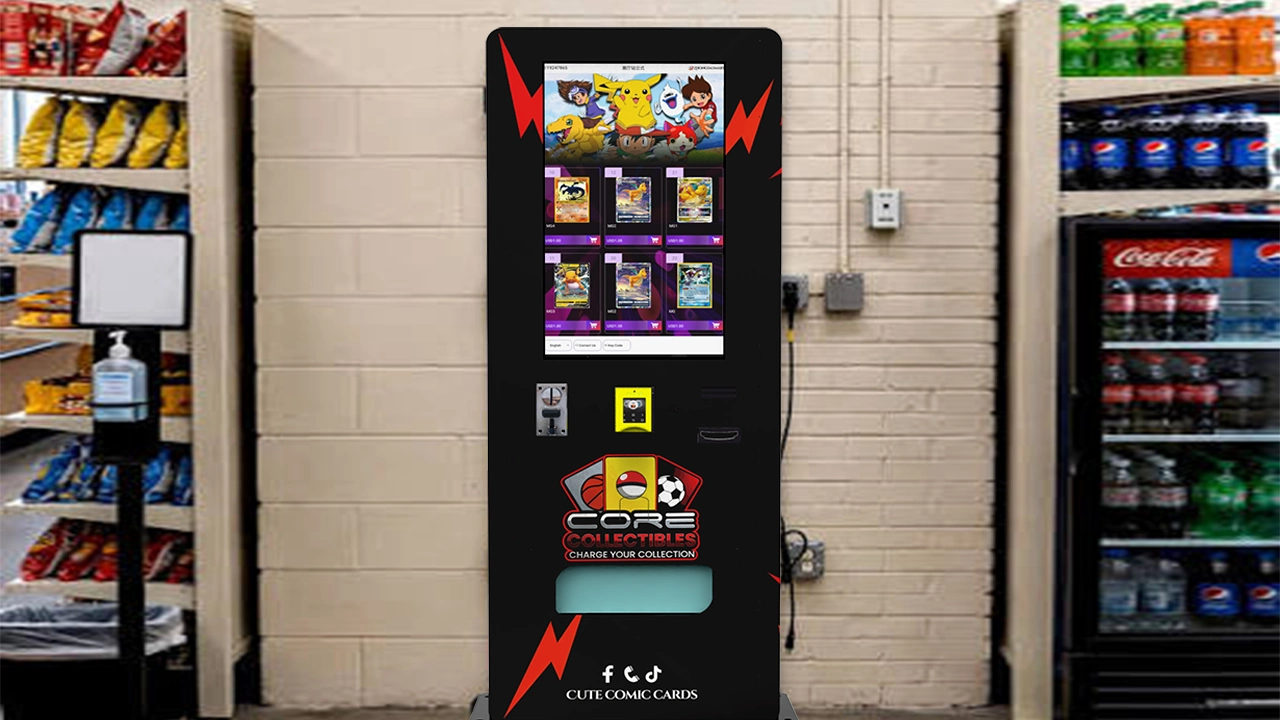
When choosing a manufacturer or supplier, I prioritize after-sales support over price. A machine that costs $1,000 less but takes six weeks to get a replacement part is not a bargain. I look for suppliers that have a local service network or at least a reliable shipping system for spare parts. I also check whether the machine uses standard components. If the compressor is a generic brand available at any refrigeration supply house, that is a good sign. If it uses a proprietary part that only the manufacturer sells, you are locked in.
Zhongda Smart is one of the manufacturers that I have found to be consistent in both build quality and support. They offer machines with modular components, which makes repairs easier, and they provide documentation in English and French, which is useful for European operators. I have used their machines in both the U.S. and French markets, and they have performed well in high-traffic mall environments. That said, I always recommend testing a machine in a low-risk location before scaling up.
FAQ: Common Questions About Vending Machines in Shopping Malls
Are vending machines profitable in shopping malls?
Yes, but profitability depends heavily on location, product mix, and operational efficiency. A well-placed machine can generate $1,500 to $4,000 in monthly revenue, with net profits ranging from $400 to $1,200 after all expenses. These figures are based on my own experience and industry benchmarks.
How much does a vending machine cost?
A new machine costs between $3,500 and $12,000, depending on features like touchscreen, refrigeration, and payment system. Used machines range from $1,500 to $4,000 but carry higher maintenance risk. Total setup cost, including inventory and installation, is typically $5,000 to $15,000 per machine.
How long does it take to break even?
In my experience, the payback period is usually 12 to 24 months. Machines in exceptional locations can break even in 8 to 10 months. Slower locations may take 30 months or longer.
Should a beginner buy or lease a vending machine?
Buying is generally better for long-term operators because leasing often comes with high monthly fees and restrictions on product selection. However, if you want to test the business with minimal risk, some suppliers offer lease-to-own programs. Just read the fine print.
Where should I place a vending machine in a mall?
The best spots are near restrooms, food court entrances, escalators on upper floors, and in converted kiosk spaces. Avoid low-traffic hallways and areas near mall exits where people are leaving quickly.
What permits do I need?
Requirements vary by country and local jurisdiction. In the United States, you may need a business license, a sales tax permit, and a health department permit if selling food. In France, you must register with the Chambre de Commerce and comply with hygiene regulations from the Direction Générale de l'Alimentation. Always check local laws before installing.
How do I choose a vending machine supplier?
Look for suppliers that offer reliable after-sales support, standard components, and machines that comply with local payment and electrical standards. Zhongda Smart is a manufacturer I have worked with successfully, but you should evaluate multiple options based on your specific market.
What happens if the machine breaks down?
Most breakdowns involve the payment system, the refrigeration unit, or the vending mechanism. Keep a spare parts kit and have a service contract in place. Response times in malls can be slow due to access restrictions, so preventive maintenance is critical.
How can I reduce restocking and maintenance costs?
Use sales data to optimize inventory and reduce spoilage. Schedule restocking during mall-approved hours only. Invest in machines with remote monitoring capabilities so you know exactly what needs to be refilled before you arrive.
Final Thoughts
Running vending machines in shopping malls is not a passive income scheme. It requires attention to detail, a willingness to learn from mistakes, and a realistic understanding of costs and revenue. But if you approach it with the right mindset and the right equipment, it can be a solid business. The market for automated retail is growing, and malls are increasingly open to partnerships with experienced operators. Do your research, start small, and scale only when you have proven that your model works.
This article was updated in May 2025. All financial figures are based on the author's operational experience and publicly available industry data. Results may vary depending on location, market conditions, and operational efficiency. This content is for informational purposes only and does not constitute financial or legal advice.