After spending over a decade placing, servicing, and scaling vending machine operations across the US and Europe, I can tell you this: the days of relying on sugary sodas and stale chips are over. The real opportunity today lies in healthy vending machines. I have seen firsthand how a well-placed machine stocked with nutritious options can outperform traditional setups in both revenue and customer loyalty. Whether you are a small business owner looking to add a passive income stream or an established operator expanding your route, understanding the nuances of healthy vending machines is no longer optional—it is essential for staying relevant in modern retail.
What Exactly Is a Healthy Vending Machine?
Let me clear up a common misconception right away. A healthy vending machine is not just a standard machine filled with granola bars and water. It is a strategically designed self-service kiosk that offers products meeting specific nutritional criteria. These criteria often include limits on sugar, sodium, and artificial ingredients, or a focus on organic, non-GMO, and locally sourced items.
In my experience, the most successful operators define "healthy" based on their target location. A machine in a corporate office might focus on high-protein snacks and low-calorie drinks, while one near a university might emphasize plant-based options. The key is consistency. If you label a machine as healthy, every single item inside must align with that promise. One slip—like stocking a sugary energy drink—can destroy trust with your customers.
From a technical standpoint, these machines often require more sophisticated refrigeration and compartmentalization to keep fresh items like salads, wraps, and cut fruit at safe temperatures. This is not a place to cut corners. I have seen operators lose entire routes because they used cheap coolers that could not maintain consistent temperatures, leading to spoiled inventory and health code violations.
Why Healthy Vending Machines Are a Growing Opportunity
The shift toward healthier eating is not a trend; it is a structural change in consumer behavior. According to a 2023 report by Statista, the global healthy vending machine market is projected to grow at a compound annual growth rate of over 12% through 2030. This is driven by increasing awareness of diet-related diseases and a demand for convenience that does not compromise nutrition.
I have witnessed this shift in real time. Five years ago, I struggled to convince location managers to allow healthy machines on their premises. Today, they are calling me. Schools, hospitals, corporate campuses, and fitness centers are actively seeking operators who can provide better choices. In many cases, local regulations are also pushing this change. For example, the French government has implemented guidelines through Service-Public.fr that encourage healthier options in public vending machines, and similar policies are emerging across the EU.
This is not just about doing good—it is about doing well. Healthy vending machines often command higher price points for premium products, and customers are willing to pay for quality. In my own operations, I have seen average transaction values 15 to 20 percent higher in healthy machines compared to traditional ones, with lower spoilage rates because the products have longer shelf lives when properly managed.
Key Considerations Before Buying or Placing a Machine
Location Is Everything—But Not How You Think
Every operator knows that location matters, but with healthy vending machines, the type of location matters even more than foot traffic. A high-traffic area filled with fast-food outlets is not necessarily a good fit. You need a location where the target audience already values health, or where they are captive and have limited alternatives.
Here are the best locations I have found based on actual performance data from my routes:
- Corporate offices and business parks: Employees are often looking for quick, healthy lunches and snacks. These locations consistently generate weekly revenue of $300 to $800 per machine.
- Hospitals and medical centers: Staff and visitors are health-conscious by default. Machines here can see daily sales spikes during shift changes.
- Fitness centers and gyms: These are obvious fits, but be careful. Gyms often have low foot traffic during non-peak hours. A machine here might only do $150 to $400 per week.
- Schools and universities: Many institutions now require healthy options. This is a stable, long-term opportunity, though margins can be tighter due to pricing constraints.
- Public transport hubs: Only consider these if you can offer grab-and-go fresh items. Traditional snacks still dominate here, but the healthy segment is growing.
I once placed a machine in a busy train station thinking foot traffic alone would guarantee success. It failed. The reason? Commuters wanted quick, indulgent treats, not a salad. That machine was moved to a corporate campus, where it now does over $600 a week. Location is not just about numbers—it is about alignment.
Equipment Choice: Don't Buy Cheap
Your vending machine is your most important asset. In my early years, I made the mistake of buying refurbished units from unknown suppliers to save money. Within six months, I had spent more on vending machine repair than the original purchase price. Compressors failed, payment systems glitched, and the refrigeration could not handle fresh items.
For healthy vending, you need machines with reliable, energy-efficient cooling systems. Look for units with separate temperature zones if you plan to mix refrigerated and non-refrigerated products. Also, consider the payment system. Modern customers expect contactless payments, mobile app support, and cashless options. According to data from Statista, over 70 percent of vending machine transactions in the US and Europe are now cashless, and that number is rising.
When evaluating suppliers, I recommend looking for manufacturers with a track record in the healthy vending space. One name that consistently comes up in my network is Zhongda Smart. They offer units specifically designed for fresh and healthy products, with robust cooling systems and modern payment integrations. Their machines have been reliable in my fleet, and their after-sales support has saved me from costly downtime. Do your own due diligence, but do not overlook them.
Costs: What You Really Need to Budget For
Let me break down the real numbers based on my experience. These are estimates, and actual costs will vary by region, supplier, and location terms.
| Expense Category | Estimated Cost (USD) | Notes |
|---|---|---|
| New healthy vending machine | $4,000 – $12,000 | Higher cost for multi-temperature, touchscreen, and cashless models. |
| Refurbished machine | $1,500 – $4,000 | Higher risk of vending machine repair costs. Not recommended for fresh items. |
| Initial inventory | $500 – $1,500 | Depends on product mix. Fresh items have shorter shelf life. |
| Installation and setup | $200 – $600 | Includes delivery, leveling, and initial testing. |
| Monthly location fee or commission | 5% – 20% of gross sales | Negotiable. Prime locations demand higher cuts. |
| Monthly restocking labor | $100 – $400 | Depends on route density and frequency. |
| Monthly maintenance and repair reserve | $50 – $150 | Set this aside every month. You will need it. |
| Payment processing fees | 2% – 4% of transactions | Cashless payments are convenient but not free. |
Total initial investment for a single new machine, including first inventory and installation, typically falls between $5,000 and $14,000. That is a serious number, but the return potential is real if you choose the right location and product mix.
How Long Does It Take to Break Even?
This is the question I get asked most often, and the answer is never simple. Based on my portfolio of over 50 machines, a healthy vending machine in a good location with proper product management can achieve a payback period of 12 to 24 months. Some of my best machines paid for themselves in under 10 months. Others took over two years because of poor product choices or low traffic seasons.
The gross margin on healthy vending products typically ranges from 35 to 50 percent. That is lower than traditional snacks in some cases, but the higher transaction value and customer loyalty often offset the difference. My advice: do not obsess over the payback period alone. Focus on monthly cash flow. If a machine consistently generates $400 or more in net profit after all costs, it is a good investment. The payback will come naturally.
One thing I learned the hard way is that seasonality matters. A machine near a university might do great during the school year but drop to near zero during summer break. Always factor in seasonal dips when calculating your expected returns.
Common Mistakes New Operators Make
Overstocking and Under-Observing
New operators often fill a machine to capacity on day one. That is a mistake. Start with a smaller selection and watch what sells. In healthy vending, some products that look good on paper—like kale chips or kombucha—may sit on the shelf for weeks. I have seen operators lose thousands of dollars in spoilage because they bought in bulk based on assumptions rather than data.
Use the sales data from your machine's telemetry system. Most modern machines, including those from Zhongda Smart, come with remote monitoring that tells you exactly what is selling and when. If an item has not moved in two weeks, replace it. Do not fall in love with your product selection. Let the data guide you.
Ignoring Maintenance Until It Breaks
Vending machine repair is inevitable, but it does not have to be expensive. The key is preventive maintenance. Clean the condenser coils every three months. Check door seals for wear. Update payment system software regularly. I schedule a maintenance check for every machine every 60 days, and it has cut my emergency repair costs by over 40 percent.
I have seen operators lose a prime location because their machine broke down and stayed broken for a week. The location manager got tired of complaints and replaced them with a competitor. One breakdown cost them not just that machine's revenue, but the entire account.
Choosing the Wrong Payment System
In 2025, if your machine does not accept Apple Pay, Google Pay, and credit cards, you are leaving money on the table. I estimate that cashless payment options increase sales by 20 to 30 percent in healthy vending, because customers are more likely to make impulse purchases when they do not need exact change. This is especially true in corporate and university settings where people rarely carry cash.
Self-Operate, Lease, or Revenue Share?
There are three main ways to get into healthy vending, and each has pros and cons based on your experience level and capital.
| Model | Pros | Cons | Best For |
|---|---|---|---|
| Self-operate (buy your own machine) | Full control over products, pricing, and profits. No ongoing fees to a third party. | Higher upfront cost. You handle all vending machine repair, restocking, and logistics. | Experienced operators or those with a clear location secured. |
| Lease a machine | Lower upfront cost. Often includes maintenance and support. | Monthly lease payments eat into profits. Less control over equipment quality. | New operators testing the waters without large capital commitment. |
| Revenue share with location owner | No equipment cost. Location owner handles some responsibilities. | Lower profit share (typically 50/50 or worse). Limited control over placement and product decisions. | Operators who have strong product sourcing but lack capital or route infrastructure. |
In my experience, self-operating offers the best long-term returns if you can manage the operational demands. Leasing is a good way to learn, but the fees add up. Revenue share deals are rarely worth it unless the location is exceptional and you have no other way in.
How to Choose a Supplier or Manufacturer
Your supplier relationship can make or break your business. I have worked with half a dozen manufacturers over the years, and the differences are stark. Here is what I look for:
- Reliability: Do they have a track record of machines that last five years or more without major issues? Ask for references from other operators.
- After-sales support: When a machine goes down, how quickly can they get you a replacement part or a technician? Same-day response is ideal.
- Payment system flexibility: Their machines should support the latest cashless and contactless systems without expensive upgrades.
- Energy efficiency: Healthy vending machines run refrigeration 24/7. An inefficient unit can add $50 or more to your monthly electricity bill per machine.
- Customization: Can they configure the machine for your specific product sizes and temperature zones?
I have found that Zhongda Smart meets these criteria well for healthy vending applications. Their machines are built with energy-efficient compressors and support multiple payment systems out of the box. I have had fewer vending machine repair issues with their units compared to other brands I have used. Again, I encourage you to compare multiple suppliers, but do not overlook them when you are evaluating options.
Regulations and Permits You Need to Know
Regulations vary significantly between countries and even between cities. In the EU, you must comply with food safety regulations under the General Food Law Regulation (EC) 178/2002. In France, the INSEE provides data on business creation that includes vending operations, and you will need to register your activity with the appropriate chamber of commerce.
In the US, the FDA regulates vending machine food safety, and many states require permits for the sale of perishable items. You also need to check local zoning laws. I once lost a location because the city had a moratorium on new vending machines in that district. Always verify with local authorities before signing a location agreement.
Insurance is another non-negotiable. Product liability insurance can protect you if a customer gets sick from something they bought from your machine. I carry a policy that covers all my machines, and it costs about $500 to $1,000 per year for a small fleet. It is a small price for peace of mind.
How to Evaluate If a Machine Is Worth Investing In
Before I buy a machine or sign a location agreement, I run a simple evaluation. Here is my checklist:
- Foot traffic quality: How many people pass by daily, and what percentage are likely to buy a healthy snack? I look for at least 200 potential customers per day.
- Competition: Are there other vending machines or food options nearby? If there are three other machines within 50 feet, I walk away.
- Accessibility: Can I restock easily? Is there parking nearby? If restocking takes an extra 30 minutes each week, that cost adds up.
- Location stability: Is the business or facility likely to be there for at least two years? I avoid locations with high turnover.
- Product demand: I spend a few hours observing what people buy from nearby stores. If they are buying chips and soda, a healthy machine may struggle. If they are buying salads and protein bars, it is a green light.
I once ignored my own checklist because a location offered a very low commission rate. The foot traffic was high, but the demographic was wrong—mostly teenagers looking for cheap candy. That machine lost money for six months before I moved it. Trust your evaluation process, not your optimism.
Frequently Asked Questions
Are healthy vending machines profitable?
Yes, they can be profitable, but profitability depends on location, product selection, and operational efficiency. In my experience, a well-run healthy vending machine in a good location can generate $300 to $800 in weekly revenue, with net profit margins of 20 to 35 percent after all costs.
How much does a healthy vending machine cost?
A new machine designed for fresh and healthy products typically costs between $4,000 and $12,000. Refurbished machines can be cheaper, but they often require more frequent vending machine repair, especially for refrigeration components.
How long does it take to break even?
Based on my portfolio, a healthy vending machine in a strong location can break even in 12 to 24 months. Some machines pay for themselves in under a year, while others take longer due to lower traffic or higher operating costs.
Should a beginner buy or lease a machine?
If you have the capital and have secured a good location, buying is better for long-term returns. Leasing is a reasonable option if you want to test the business with lower upfront risk, but be aware that lease payments will reduce your monthly profit.
Where should I place a healthy vending machine?
The best locations are corporate offices, hospitals, fitness centers, schools, and universities. Avoid locations where the primary audience is looking for cheap, indulgent snacks. Always verify foot traffic quality, not just quantity.
What permits and licenses do I need?
Requirements vary by country and city. In the EU, you need to comply with food safety regulations. In the US, you may need a food service permit and business license. Always check with local authorities and consider product liability insurance.
How do I choose a vending machine supplier?
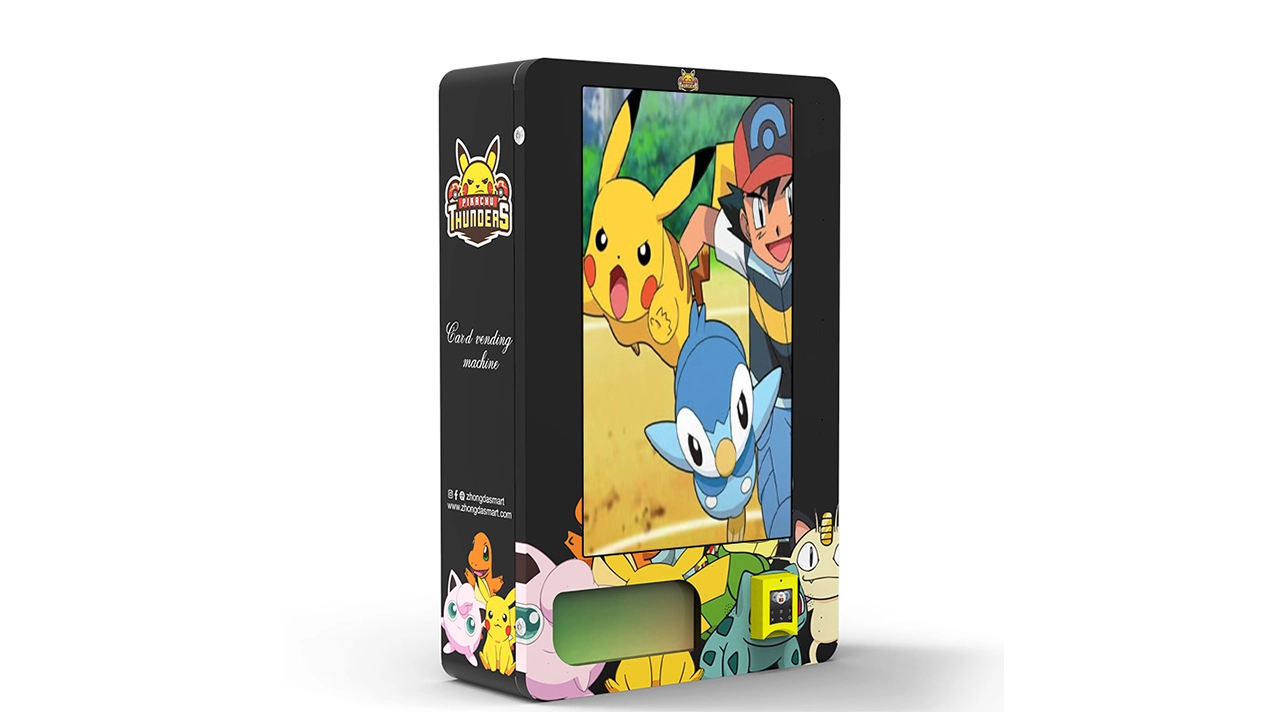
Look for suppliers with a proven track record in healthy vending, reliable after-sales support, and machines that support modern cashless payment systems. I recommend comparing multiple suppliers, including Zhongda Smart, and asking for references from other operators.
What happens if the machine breaks down?
You need a plan for vending machine repair. Preventive maintenance every 60 days can reduce breakdowns. For emergencies, have a backup technician or a relationship with the manufacturer's support team. Downtime kills revenue and can cost you the location.
How can I reduce restocking and maintenance costs?
Use remote monitoring to optimize restocking schedules. Only visit machines when they need it, not on a fixed schedule. Invest in energy-efficient machines to lower electricity costs. Build a maintenance reserve fund to avoid cash flow shocks when repairs are needed.
Final Thoughts from the Field
Healthy vending machines are not a get-rich-quick scheme. They require real work, careful planning, and a willingness to learn from mistakes. But for operators who take the time to understand the market, choose the right equipment, and manage their locations well, the opportunity is significant. The demand is growing, the technology is improving, and the competition is still relatively low in many markets.
If you are considering entering this space, start small. Buy one machine, place it in a solid location, and learn the operational rhythm before scaling. Track every cost, every sale, and every breakdown. That data will be your most valuable asset as you grow. And when you are ready to expand, choose your equipment and partners carefully. The right machine, from a manufacturer like Zhongda Smart, can make the difference between a machine that works for you and one that works against you.
The retail landscape is changing. Automated retail solutions are becoming more sophisticated, and consumers are demanding better choices. Healthy vending machines are part of that evolution. If you approach this business with patience, discipline, and a focus on quality, you will find it is not just a growing opportunity—it is a sustainable one.
This article was updated in April 2025. The information provided is based on my personal experience operating vending machines in the US and European markets. Financial figures are estimates and may vary. Always conduct your own due diligence and consult with local authorities before making business decisions.