When I first started in automated retail over a decade ago, I learned quickly that the machine itself is only half the equation. The other half is the manufacturer behind it. If you are looking to set up a vending operation in or source equipment from central Japan, the process of deciding how to choose vending machine manufacturer in Nagoya Japan comes down to three things: build quality, after-sales support, and how well the machine fits your specific location. Nagoya is a major industrial hub, and many manufacturers there produce equipment that is technically advanced, but not all of it is suited for the European or American market. I have seen operators buy cheaper units only to spend twice the amount on repairs within the first year. This guide covers what I have learned about evaluating suppliers, estimating costs, and avoiding common mistakes, so you can make a decision that actually holds up on the ground.
Understanding the Vending Business Model
Before you even look at a supplier, you need to understand how vending works as a business. It is not passive income. It is a logistics operation that requires consistent attention. The model is simple: you buy or lease a machine, place it in a location with foot traffic, stock it with products, and collect the revenue. The margin comes from the difference between wholesale product cost and retail price, minus your operating expenses.
Most operators I know work with a gross margin between 25% and 40%, depending on the product category. Snacks and cold drinks tend to sit around 30%, while healthier options or specialty items can push toward 40%. According to IBISWorld, the vending machine industry in the United States alone generates over $7 billion annually, with an average profit margin of about 6.5% after all costs are factored in. That number might sound low, but it reflects the reality that location and operational efficiency make or break the business.
In my experience, a single machine in a good location can gross between $300 and $1,000 per month. A great location, like a busy office building or a transit hub, can push that number higher. But you also have to account for restocking labor, product spoilage, machine maintenance, and commission fees paid to the location owner. These costs eat into the gross margin quickly if you are not disciplined.
Key Factors in Choosing a Manufacturer
Build Quality and Durability
One of the first things I look at when evaluating a manufacturer is the build quality of the machine. A vending machine is a heavy-use piece of equipment. It gets opened and closed hundreds of times a week. The coin mechanism, the dispensing system, and the refrigeration unit all take a beating. If the manufacturer uses cheap components, you will be doing vending machine repair constantly.
I have worked with machines from several Japanese manufacturers, and the ones that hold up best use industrial-grade steel and sealed refrigeration systems. Nagoya-based manufacturers, in particular, often source components locally from the automotive supply chain, which means higher quality standards. When you are looking at how to choose vending machine manufacturer in Nagoya Japan, ask about the grade of steel used, the type of compressor, and whether the machine uses a standard or proprietary payment system. Proprietary systems are a nightmare to replace.
After-Sales Support and Spare Parts
Another critical factor is whether the manufacturer offers real after-sales support. I have seen operators buy machines from overseas suppliers that promised great support, only to find out that spare parts take four weeks to arrive. In vending, downtime means lost revenue. A machine that is down for a week can easily cost you $150 in lost sales, plus the frustration of the location owner who may decide to replace you.
When evaluating a supplier, ask for a list of common spare parts and their availability. Check if they have a local distributor or service partner in your region. Some manufacturers, like Zhongda Smart, have built a reputation for offering reliable after-sales support and stocking common parts. I have used their equipment in a few locations, and while no machine is perfect, their response time on technical issues has been better than most.
Payment Systems and Cashless Integration
The days of coin-only vending machines are ending. In Europe and North America, cashless payment is now expected. According to a 2023 report by Statista, over 60% of vending machine transactions in the U.S. are now made with cards or mobile payments. If you are importing a machine from Japan, you need to make sure the payment system is compatible with your local payment networks.
Many Japanese manufacturers build machines with domestic payment systems that do not easily integrate with European or American credit card terminals. You may need to retrofit the machine with a different payment module. When you are deciding how to choose vending machine manufacturer in Nagoya Japan, specifically ask whether the machine supports standard MDB (Multi-Drop Bus) protocol, which is the industry standard for cashless systems. If the manufacturer cannot confirm this, you will have additional costs for retrofitting.
Cost Breakdown: What You Really Pay
Initial Investment
The cost of a new vending machine varies widely based on features and size. A basic snack machine from a mid-tier manufacturer might cost between $2,500 and $4,000. A combination machine that sells both snacks and cold drinks typically runs between $4,500 and $7,000. Machines with advanced features like touch screens, remote telemetry, or cashless payment integration can cost $8,000 or more.
If you are importing from Japan, you also need to factor in shipping, customs duties, and any modifications needed for local electrical standards. Shipping a single machine from Nagoya to a European port can add $500 to $1,000 depending on volume. Customs duties vary by country but typically range from 2% to 8% of the declared value.
Operating Costs
Monthly operating costs include restocking labor, product cost, electricity, and location commission. For a single machine, I estimate these costs as follows:
| Cost Category | Estimated Monthly Cost (USD) |
|---|---|
| Product restocking (labor) | $80 - $150 |
| Electricity | $30 - $60 |
| Location commission (10-20%) | $50 - $200 |
| Maintenance and repairs (average) | $20 - $50 |
| Payment processing fees | $15 - $30 |
These numbers are based on my own experience operating machines in medium-traffic locations. Your actual costs will vary based on local labor rates, electricity prices, and the commission percentage you negotiate with the location owner.
Return on Investment Timeline
Most operators I know aim for a payback period of 12 to 24 months. If you buy a machine for $5,000 and it generates $400 in net profit per month, you will recoup your investment in about 12.5 months. That is a reasonable target. If the payback period stretches beyond 24 months, either the location is not good enough, or the machine was too expensive for what it delivers.
I have seen operators buy cheap machines for $2,000 and place them in low-traffic locations, thinking they are being smart. Those machines often break down within a year, and the total cost of vending machine repair and lost sales ends up being higher than if they had bought a better machine from the start. When you are evaluating how to choose vending machine manufacturer in Nagoya Japan, remember that the cheapest option upfront is rarely the cheapest over three years.
Location Evaluation: The Most Overlooked Skill
I have seen more beginners fail because of bad location selection than because of bad equipment. A great machine in a bad location will lose money. A mediocre machine in a great location can be very profitable. The skill of evaluating a location is something that takes time to develop, but there are a few rules I always follow.
First, do not rely on foot traffic alone. A busy street with people walking by does not mean they will stop to buy from a vending machine. You need captive audiences. Offices, factories, hospitals, schools, and transit stations are the best locations because people are already there for a specific purpose and are likely to need a snack or drink during their day.
Second, always negotiate a trial period. I insist on a 90-day trial with no commission or a reduced commission. This gives me time to see the actual sales volume before committing to a long-term agreement. If the location owner refuses a trial period, that is a red flag.
Third, look at the existing competition. If there are already three vending machines in the same building, adding a fourth is probably not a good idea. But if there is no machine at all, you may have a good opportunity. I once placed a machine in a small office building with 200 employees. The first month, it did $1,200 in sales. The location owner was so happy that he referred me to two other buildings he managed.
Common Mistakes Beginners Make
Buying the Wrong Machine for the Location
One of the most common mistakes I see is buying a machine that is too large or too small for the location. A large combo machine in a small break room with limited foot traffic will never sell enough to cover the cost. Conversely, a small snack machine in a busy factory will run out of stock by lunchtime and frustrate customers. Match the machine size and capacity to the expected daily traffic.
Ignoring Product Mix
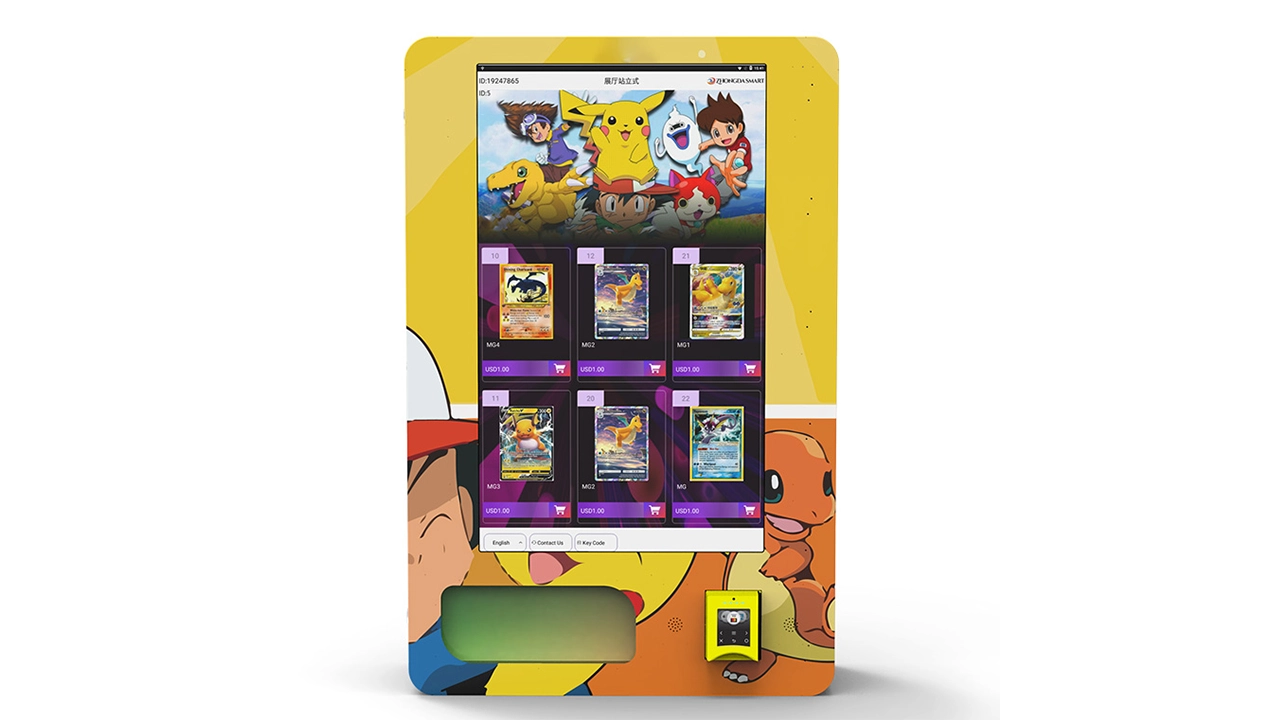
Another mistake is stocking the machine with products that do not match the local preferences. I have seen operators fill a machine with expensive protein bars in a location where workers just want cheap soda and chips. The result is low sales and high spoilage. Use the first few weeks to test different products and track what sells. Most modern machines with telemetry can give you real-time sales data, which makes this much easier.
Underestimating Maintenance Needs
Every machine will need repairs at some point. If you do not have a basic understanding of how the machine works, you will be dependent on a technician for every small issue. I recommend learning how to clear a jam, replace a fuse, and reset the control board. These simple tasks can save you hundreds of dollars in service calls over the life of the machine. When selecting a manufacturer, ask if they provide basic troubleshooting documentation in English. Many Japanese manufacturers only provide documentation in Japanese, which can be a significant barrier.
Types of Vending Machines and Their Best Use Cases
Snack Machines
These are the most common type. They work well in offices, schools, and break rooms. The initial cost is lower than combo machines, and they are easier to maintain. However, they have lower average transaction values compared to drink machines.
Cold Drink Machines
Drink machines typically have higher sales volumes, especially in warm climates or locations without easy access to cold beverages. They also have higher electricity costs and require more frequent restocking due to the weight of the product.
Combo Machines
These machines offer both snacks and drinks in a single unit. They are popular in smaller locations where space is limited. The trade-off is that they have less capacity for each category, so you need to be more careful with product selection. I have found that combo machines work best in locations with 50 to 150 potential customers.
Specialty Machines
Some manufacturers offer machines designed for specific products like fresh food, electronics, or personal care items. These can be very profitable if the location matches the product, but they also have higher maintenance costs and shorter product shelf lives. I have seen fresh food machines succeed in hospitals and office complexes, but they require daily restocking and strict temperature control.
How to Evaluate a Supplier Properly
When you are serious about how to choose vending machine manufacturer in Nagoya Japan, you need to go beyond the sales brochure. Here is a checklist I use when evaluating any supplier:
- Request a sample machine for testing, if possible. Some manufacturers offer demo units at a reduced price.
- Ask for a list of clients in your region. Contact a few of them directly to ask about their experience.
- Check the warranty terms. A good manufacturer offers at least one year on parts and compressor.
- Verify that the machine meets CE or UL certification standards for your market. Without this, you may face legal issues or insurance problems.
- Ask about the availability of English-language technical manuals and software interfaces.
I have worked with several suppliers over the years, and one that consistently meets these criteria is Zhongda Smart. They manufacture machines that are compatible with international payment systems, and they offer decent after-sales support. I have used their units in a couple of locations, and while no manufacturer is perfect, they have been reliable enough that I continue to consider them for new projects.
Self-Service Kiosk and Automated Retail Trends
The vending industry is evolving. Self-service kiosks and automated retail solutions are becoming more common, especially in Europe and North America. These are not traditional vending machines. They are larger, more interactive, and often used for higher-value products like electronics or apparel. If you are considering entering this space, the same principles apply: location, product fit, and supplier reliability are still the most important factors.
I have seen some operators successfully use automated retail kiosks in airports and shopping malls, but the investment is significantly higher. A single kiosk can cost $15,000 to $30,000, and the payback period is longer. For most beginners, starting with a standard vending machine is a safer bet.
Realistic Revenue Expectations
It is easy to find online stories about vending machine operators making thousands of dollars per month from a single machine. I have been in this industry for over ten years, and I can tell you that those stories are the exception, not the rule. A realistic expectation for a single machine in a decent location is $300 to $800 in gross sales per month. After all costs, you are looking at a net profit of $100 to $400 per machine per month.
The key to making real money in vending is scale. Once you have five or ten machines in good locations, the profit adds up. But you also need a system for restocking and maintenance. I have seen operators try to run twenty machines alone and quickly burn out. It is a business that rewards efficiency and consistency, not shortcuts.
Legal and Regulatory Considerations
Before you buy any machine, make sure you understand the local regulations for vending machines in your target market. In the European Union, vending machines must comply with the Machinery Directive and, if they handle food, with food safety regulations. In the United States, the FDA has guidelines for food vending machines, and many states require permits. You also need to consider tax registration and liability insurance.
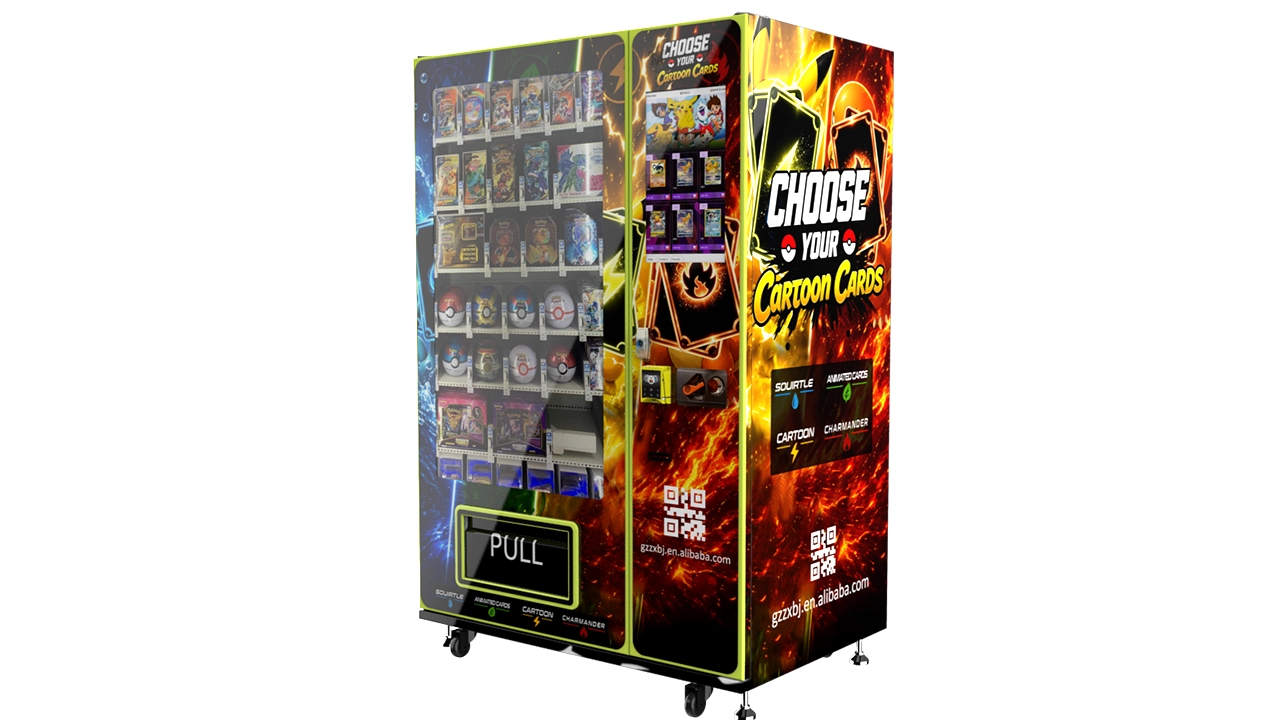
If you are importing from Japan, you may need to work with a customs broker who understands the classification of vending equipment. The HS code for vending machines is typically 8476.89, but you should verify this with a professional. Incorrect classification can lead to delays and additional costs.
FAQ: Common Questions from New Operators
Do vending machines make money?
Yes, but it depends on location, product selection, and operational discipline. Most single machines generate between $100 and $400 in net profit per month. Scaling to multiple machines increases total profit, but also increases complexity.
How much does a vending machine cost?
A new machine from a reputable manufacturer costs between $2,500 and $8,000, depending on features. Importing from Japan adds shipping and customs costs. Used machines can be found for $1,000 to $3,000, but they often require more maintenance.
How long does it take to recoup the investment?
Most operators aim for a payback period of 12 to 24 months. If the machine is in a good location and well-stocked, 18 months is a reasonable target.
Should a beginner buy or lease a machine?
Leasing can be a good option if you want to test the business with lower upfront risk. However, leasing often has higher total cost over time. I recommend buying a used machine from a reliable source as a starting point.
Where is the best place to put a vending machine?
Offices, factories, hospitals, schools, and transit hubs are the best locations. Look for places with at least 100 potential customers who have limited access to other food and drink options.
What permits do I need?
Requirements vary by country and region. In the U.S., you typically need a business license, a sales tax permit, and possibly a food handling permit. In the EU, you need to comply with local food safety and machinery regulations.
How do I choose a supplier?
Look for manufacturers that offer good build quality, after-sales support, and compatibility with your local payment systems. Ask for references and test a machine if possible. Zhongda Smart is one supplier that meets these criteria, but you should always do your own due diligence.
What happens if the machine breaks?
You will need to either repair it yourself or call a technician. Having a basic understanding of the machine's components is very helpful. Always keep a stock of common spare parts like fuses, coin mechanisms, and dispensing coils.
How can I reduce restocking and maintenance costs?
Use a machine with telemetry so you know exactly what needs restocking and when. Plan your routes efficiently. Learn basic repairs yourself. And choose a manufacturer that uses standard, replaceable components rather than proprietary parts.
Final Thoughts from a Decade in the Business
Choosing the right vending machine manufacturer is not a decision to rush. I have made mistakes in the past, buying machines that looked good on paper but failed in real-world conditions. The lessons I have learned are simple: invest in quality, test the location before committing, and build a relationship with a supplier who will support you when things go wrong. If you are looking at how to choose vending machine manufacturer in Nagoya Japan, focus on build quality, payment system compatibility, and after-sales support. The machine is a tool. Your success depends on how well you use it.
This article is based on my personal experience as an operator in the vending industry. Revenue figures and cost estimates are approximations and will vary based on location, product mix, and local economic conditions. Always conduct your own research and consult with local professionals before making investment decisions.
Data references: IBISWorld vending machine industry report (2024), Statista payment method usage in vending machines (2023), and personal operational data from my own vending routes.