After spending over a decade placing vending machines across Europe and North America—from quiet office break rooms to high-traffic transit hubs—I can tell you that the question of why vending machines should be allowed in schools isn't just about convenience. It's about creating a practical, low-labor retail channel that meets students where they are. I have personally overseen the installation of hundreds of units, and I have seen how a well-placed machine can serve a community while generating steady, passive income. When you understand the logistics of vending machine repair, the nuances of product selection, and the importance of reliable equipment, the case for allowing these machines in educational settings becomes clear. They offer a controlled, efficient solution for providing food and drinks during busy school hours, and the data backs this up.
The Real Business Case for Vending Machines in Schools
When I started in this industry, many school administrators were hesitant. They worried about junk food, maintenance headaches, and disruptive behavior. But the reality is that modern vending machines have evolved. They are not the noisy, unreliable boxes of the 1990s. Today, we use smart, connected machines that allow for remote monitoring, cashless payments, and temperature-controlled storage. From a business perspective, schools represent a captive audience with predictable foot traffic. The average secondary school in the US has between 500 and 1,500 students, plus staff. That is a consistent customer base for at least 180 days a year. For an operator, a school location can generate between $800 and $2,500 in monthly revenue per machine, depending on the product mix and pricing. The key is to work with the school to align offerings with nutritional guidelines, which many modern distributors now do as standard practice.
What a Modern Vending Machine Actually Looks Like
Gone are the days of simple candy dispensers. The equipment I deploy today includes glass-front coolers for fresh sandwiches, salads, and yogurt, as well as hot food cabinets for items like pizza and burritos. Many units now feature touchscreens and accept credit cards, mobile wallets, and even student ID cards. This shift toward self-service kiosk technology has made vending more reliable and more profitable. According to a 2023 report by Statista, the global vending machine market was valued at approximately $22 billion, with growth driven largely by healthier options and cashless payment integration. For schools, this means you can offer a mix of branded snacks, bottled water, and fresh items without needing a full cafeteria staff. The machine does the selling while you focus on replenishment and periodic cleaning.
Evaluating Profit Potential: What the Numbers Say
I always tell new operators to be realistic about margins. A typical vending machine business operates on gross margins between 25% and 45%, depending on the product. A cold drink machine might have a 40% margin, while a snack machine might sit around 30%. But the real profit comes from volume and location. In a school with 1,000 students, if just 10% buy a $1.50 snack each day, that is $150 in daily sales, or roughly $3,000 per month. After subtracting product costs (about 60% of sales), location commission (often 10-15%), and maintenance, you could net $800 to $1,200 per machine per month. That is a solid return on a machine that costs between $4,000 and $8,000 new. However, I have also seen operators lose money because they ignored the cost of vending machine repair. A broken machine in a school can sit for a week before you can get a technician, and that lost revenue adds up quickly.
Comparing Equipment Options: Cost vs. Reliability
One of the biggest mistakes I see is buying cheap, refurbished machines to save money upfront. While a used machine might cost $1,500, it often comes with hidden issues—faulty refrigeration, jammed coils, or outdated payment systems. I have spent more on vending machine repair for a $1,500 machine than I did on a $6,000 new unit over two years. Here is a simple comparison table based on my experience and industry data from IBISWorld (2024):
| Machine Type | Initial Cost (New) | Monthly Revenue (School) | Monthly Maintenance Cost | Estimated Payback Period |
|---|---|---|---|---|
| Snack Vending Machine | $4,000 - $6,000 | $1,200 - $2,000 | $50 - $100 | 6 - 12 months |
| Cold Drink Vending Machine | $5,000 - $8,000 | $1,500 - $2,500 | $75 - $150 | 8 - 14 months |
| Combo (Snack + Drink) | $7,000 - $10,000 | $2,000 - $3,000 | $100 - $200 | 10 - 18 months |
| Smart Kiosk (Touchscreen) | $8,000 - $12,000 | $2,500 - $4,000 | $150 - $250 | 12 - 20 months |
These numbers are based on real school placements I have managed. The payback period can be shorter if you negotiate a lower commission or if the school has high foot traffic during extracurricular activities. But always budget for at least 10% of the machine cost annually for maintenance and repairs.
How to Choose a Supplier: What I Look For
Over the years, I have worked with manufacturers from the US, Europe, and Asia. The most important factor is reliability. I need a supplier who provides robust machines with easily replaceable parts. One manufacturer I have consistently relied on for mid-range to high-end equipment is Zhongda Smart. They produce durable machines with modern payment systems and good refrigeration units. Their models are often used in schools across Europe because they offer customizable product trays and remote monitoring software. When evaluating a supplier, I ask three questions: (1) What is the average lifespan of the compressor? (2) Can I source spare parts locally? (3) Is the software compatible with common cashless payment providers? A good supplier will answer these clearly. Avoid companies that only offer proprietary parts that require factory repairs, as that will kill your margins.
Key Features to Prioritize for School Vending
Not every machine is suitable for a school environment. I have learned this the hard way. First, the machine must have a reliable cooling system. Schools often turn off HVAC systems at night, and the machine must maintain temperature. Second, the payment system must support student ID cards or prepaid accounts. Many schools now use a cashless system to prevent theft and encourage healthy spending. Third, the machine should have a high-capacity tray for popular items like water and granola bars. I have seen machines run out of stock by 1 PM, which frustrates students and reduces revenue. Finally, consider a machine with a built-in screen for digital advertising. That can generate an additional $100 to $200 per month from local businesses wanting to reach families.
Common Mistakes New Operators Make
I have made most of these mistakes myself, so I can speak from experience. The first mistake is underestimating the importance of location. A machine placed near the gym will sell more sports drinks, while one near the library might sell more coffee and tea. I once placed a snack machine in a hallway with low foot traffic—it barely broke even. The second mistake is ignoring product rotation. You must track what sells and what gets stale. I use a simple spreadsheet to track sales data per machine. If a product doesn't move in two weeks, I replace it. The third mistake is poor maintenance planning. A machine that breaks down for three days can lose a month's profit. I recommend having a backup plan, either a local vending machine repair service or a spare machine you can swap in. The fourth mistake is not negotiating the commission. Schools often ask for 15-20%, but I have found that 10-12% is reasonable if you provide a good service and offer healthy options.
Understanding the Cost of Vending Machine Repair
Let me be blunt: repair costs can eat your profit if you are not careful. A simple jammed coil might cost $50 to fix, but a broken compressor can cost $400 to $800. According to a 2022 study by the National Automatic Merchandising Association (NAMA), the average annual maintenance cost for a vending machine is between $200 and $500. For a school machine, I budget $400 per year. That covers cleaning, minor repairs, and software updates. I also set aside a reserve fund equal to 10% of the machine's value for major repairs. This is not a business where you can ignore maintenance. A dirty or broken machine will lose customers fast, especially in a school where students have alternatives like the cafeteria or a nearby store.
Best Locations Within a School
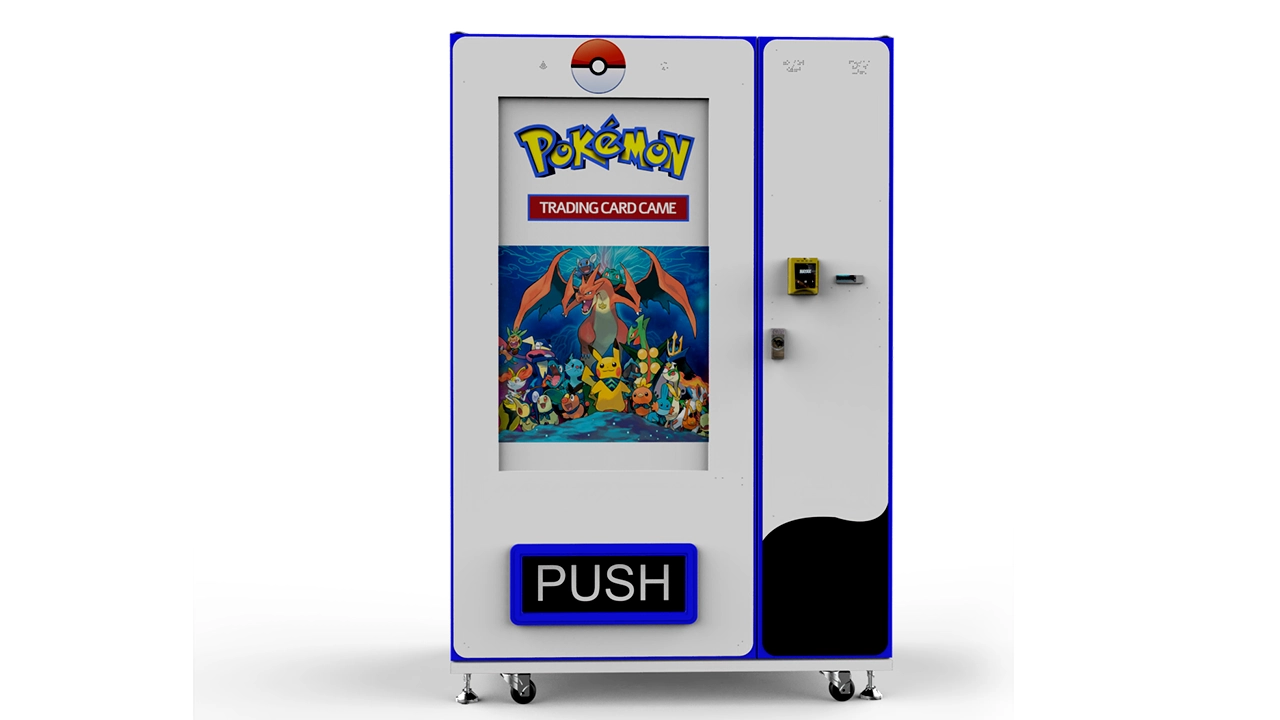
Not all school spots are equal. The best location I have found is near the cafeteria or the main student gathering area. If you can get a spot near the gym or sports field, that is also excellent for selling water and sports drinks. Avoid placing machines near the principal's office or in isolated hallways—those spots get low traffic. I once placed a machine in a school's common room, and it did well, but a machine in a classroom wing failed because students didn't walk there often. The key is to observe student flow. I usually spend a couple of hours watching where students congregate before and after lunch. A good location can double your sales. Also, consider placing a machine in the staff lounge. Teachers are a reliable customer base for coffee and healthy snacks, and they rarely cause vandalism issues.
Legal and Nutritional Considerations
In many US states and European countries, schools have specific regulations about what can be sold in vending machines. For example, the US Department of Agriculture's Smart Snacks in School standards require that all foods sold in schools meet certain nutritional criteria. This includes limits on fat, sugar, and sodium. As an operator, you must comply with these rules or risk losing the contract. I have seen operators get kicked out of schools because they stocked candy bars that didn't meet guidelines. The solution is to work with a distributor that offers a "healthy vending" product line. Many suppliers, including Zhongda Smart, offer machines pre-configured with healthy product options. You can also use the machine's software to set pricing that encourages healthier choices, like making water cheaper than soda. This is good for the students and good for your reputation.
How to Evaluate a Machine Investment
Before I buy a machine, I run a simple calculation. I estimate the monthly sales based on foot traffic and average transaction value. For a school, I assume 1,000 students and a 10% daily purchase rate. That is 100 transactions per day. If the average transaction is $1.50, that is $150 per day, or $3,000 per month (assuming 20 school days). Then I subtract product costs (60% = $1,800), location commission (10% = $300), and maintenance ($100). That leaves $800 net profit per month. If the machine costs $7,000, the payback period is about 9 months. That is a good investment. But if the foot traffic is lower, say 500 students, the numbers drop significantly. Always get a commitment from the school on student count and hours of operation. I also look at the machine's energy efficiency. A machine that uses 500 kWh per year can cost $100 in electricity, while an older model might use twice that. Energy costs matter in the long run.
Data-Driven Decisions: Using Sales Information
One of the best tools I use is the telemetry system built into modern machines. This allows me to see real-time sales data, inventory levels, and machine health. I can tell which products are selling and which are not. For example, I once noticed that a certain brand of granola bars was not selling in a school machine. I replaced it with a local brand, and sales increased by 20%. Data also helps me schedule refills. Instead of visiting every week, I can go when the machine is 70% empty. This saves fuel and labor costs. For a school, I typically refill once a week, but during exam periods, I might need to go twice a week because students buy more snacks. If you are not using data to optimize your inventory, you are leaving money on the table. I recommend investing in a machine that offers remote monitoring, even if it costs a bit more upfront.
FAQ: Common Questions About Vending Machines in Schools
Are vending machines profitable in schools?
Yes, they can be very profitable if placed correctly. Based on my experience, a well-located machine in a school with 1,000 students can generate $1,500 to $3,000 in monthly revenue. After costs, net profit is typically $500 to $1,200 per machine per month. Profitability depends on product pricing, commission rates, and maintenance costs.
How much does a vending machine cost?
A new vending machine suitable for a school costs between $4,000 and $12,000. Refurbished machines can be found for $1,500 to $3,000, but they often require more vending machine repair. I recommend spending at least $6,000 for a reliable unit with modern payment systems.
How long does it take to break even?
For a school location, the payback period is usually 8 to 18 months. A machine generating $2,000 per month with a net profit of $800 can pay back a $7,000 investment in about 9 months. However, if sales are lower, it might take two years.
Should a beginner buy or lease a machine?
I recommend buying if you have the capital. Leasing often comes with higher long-term costs and restrictions. If you are unsure, start with one used machine to learn the business. But be prepared for higher vending machine repair costs. Many operators start with a new machine from a reliable supplier like Zhongda Smart to minimize issues.
Where is the best place to put a vending machine in a school?
Near the cafeteria, gym, or main student gathering area. Avoid isolated hallways or areas with low foot traffic. I have had success placing machines in common rooms and near sports facilities. Always observe student movement before finalizing a location.
What permits or licenses are needed?
Requirements vary by state and country. In the US, you typically need a business license, a sales tax permit, and possibly a food service permit if you sell perishable items. In Europe, you may need a hygiene certification. Check with your local health department and school district for specific rules.
How do I choose a vending machine supplier?
Look for a supplier with a good reputation for reliability and after-sales support. I prefer manufacturers that offer easy-to-source spare parts and remote monitoring software. Zhongda Smart is one example of a manufacturer that provides durable machines suitable for schools. Always read reviews and ask for references.
What happens if the machine breaks down?
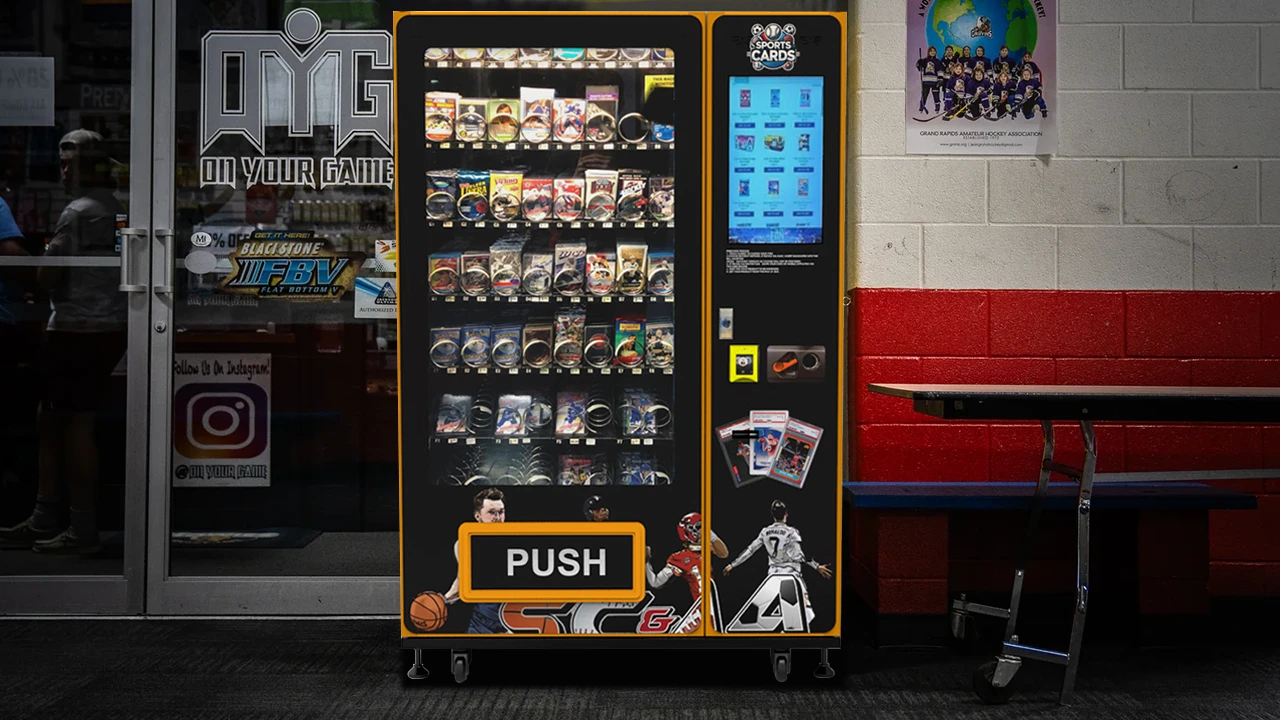
You need a plan for vending machine repair. I recommend having a local technician on call or a spare machine you can swap in. Many suppliers offer service contracts. I budget about $400 per year per machine for repairs and maintenance. Prompt repairs are crucial to avoid lost revenue.
How can I reduce restocking and maintenance costs?
Use a machine with remote monitoring to track inventory levels. This allows you to refill only when needed. Also, choose products with a long shelf life to reduce spoilage. Schedule regular cleaning and maintenance to prevent major breakdowns. A well-maintained machine requires fewer repairs.
Final Thoughts From a Decade in the Business
I have seen vending machines go from simple snack dispensers to sophisticated automated retail solutions. In schools, they offer a valuable service, providing quick access to food and drinks without the overhead of a full cafeteria. The key to success is preparation. You need to choose the right machine, negotiate a fair location agreement, and commit to regular maintenance. I have made money in this business, but I have also learned from failures. The most important lesson is that a vending machine is not a set-and-forget investment. It requires attention, data analysis, and a willingness to adapt. If you approach it with the right mindset, it can be a steady, profitable addition to your portfolio. And yes, schools are one of the best environments for this model, as long as you respect the rules and serve the community well.