After a decade in the vending industry across Europe and North America, I have watched the market shift from simple snack dispensers to sophisticated, data-driven retail points. The question I get asked most often now is why businesses are suddenly pouring capital into these machines. The short answer is that a modern machine, when placed correctly, can generate a monthly revenue of €3,000 to €6,000 with a gross margin of 35% to 50%, and a well-managed unit can pay for itself in 12 to 18 months. This return is driven by the evolution of the automated retail sector, where smart inventory management and cashless payments have turned a passive asset into a profit center. In this guide, I will share what I have learned about selecting equipment, choosing locations, and managing the operational costs that actually determine whether your investment succeeds or fails.
How the Vending Industry Has Changed in Five Years
The traditional vending machine was a mechanical box that accepted coins and hoped you had exact change. Today, the market is dominated by intelligent, connected systems. According to a 2023 report by IBISWorld, the global vending machine manufacturing industry has grown to an estimated $12.5 billion, with a compound annual growth rate of roughly 4.2% since 2018. The shift toward automated retail solutions is being driven by three factors: labor costs, consumer preference for contactless transactions, and the ability to collect real-time sales data.
In the United States, the National Automatic Merchandising Association (NAMA) reported that cashless payments now account for over 70% of all transactions in the industry. This is not a trend that will reverse. Businesses that invest in modern self-service kiosks are not just buying a machine; they are buying a data pipeline that tells them exactly what sells at 2:00 PM on a Tuesday versus 9:00 AM on a Saturday. That data is worth more than the hardware itself.
Why Businesses Are Investing in AI Vending Machines
The term "AI vending machine" gets thrown around a lot, but the practical value lies in three specific technologies: dynamic pricing, predictive restocking, and real-time remote monitoring. In my own operations, I have seen a 20% increase in per-unit revenue simply by adjusting prices based on time of day and local demand patterns. A machine that knows it sold out of sandwiches by noon can automatically raise the price of the remaining salads for the afternoon rush. This is not science fiction. It is standard firmware on any decent modern machine from reputable manufacturers.
Another reason businesses are investing is the reduction in labor dependency. In many European markets, minimum wage increases have made traditional retail staffing expensive. A single automated retail point can replace a part-time employee, saving a business €15,000 to €25,000 per year in wages, payroll taxes, and scheduling headaches. This is especially relevant in countries like France, where the SMIC (minimum wage) increased by 2.2% in January 2024, as reported by Service-Public.fr. For a small business owner running a gym or a hotel, that math is compelling.
Finally, the machines themselves have become more reliable. The days of frequent breakdowns and lost sales due to jammed coils are mostly behind us. Modern units use linear delivery systems, which drastically reduce the need for vending machine repair. I have gone from spending an average of €400 per machine per year on maintenance to less than €150 after switching to newer equipment. That saving alone can cover the financing cost of the upgrade.
Commercial Scenarios Where Automated Retail Works Best
Not every location is a good fit. After placing over 200 machines in the last decade, I can tell you that the single most important factor is foot traffic with intent. You do not want people who are just walking by. You want people who are already in a location where they have a specific need and limited alternatives. The best scenarios I have seen are:
- Office buildings and co-working spaces: 500 to 1,000 employees with predictable break times. Average monthly revenue per machine: €2,500 to €4,500.
- Gyms and fitness centers: High demand for protein bars, shakes, and water. Revenue can reach €3,000 per month in a busy location.
- Educational campuses: Universities and trade schools with 2,000+ students. Snack and beverage machines often exceed €5,000 per month.
- Healthcare facilities: Hospitals and clinics where staff and visitors need food at odd hours. These locations have low theft rates and high loyalty.
- Transportation hubs: Train stations and bus terminals. High volume but also high rent and competition. Only worth it if you can secure a prime spot.
I once placed a machine in a small hotel lobby in a German city. The hotel had 80 rooms and no restaurant. That single machine generated €3,800 in its best month. The owner was thrilled because it solved a guest complaint without hiring staff. That is the kind of scenario where a distributeur automatique becomes a strategic asset, not just a convenience.
Equipment Selection: What to Look For and What to Avoid
Choosing the right hardware is the most common mistake I see new operators make. They buy a cheap machine from an unknown supplier, and within six months, they have spent more on repairs than the machine cost. There are three types of machines you will encounter:
| Machine Type | Initial Cost (EUR) | Monthly Revenue Range | Maintenance Cost/Year | Best For |
|---|---|---|---|---|
| Basic snack and drink | €3,000 – €6,000 | €1,500 – €3,000 | €200 – €400 | Low-traffic offices, small gyms |
| Combination (food + drink) | €6,000 – €12,000 | €3,000 – €5,000 | €300 – €500 | Medium offices, schools, hotels |
| Smart AI-enabled machine | €8,000 – €15,000 | €4,000 – €6,500 | €100 – €200 | High-traffic, data-driven operations |
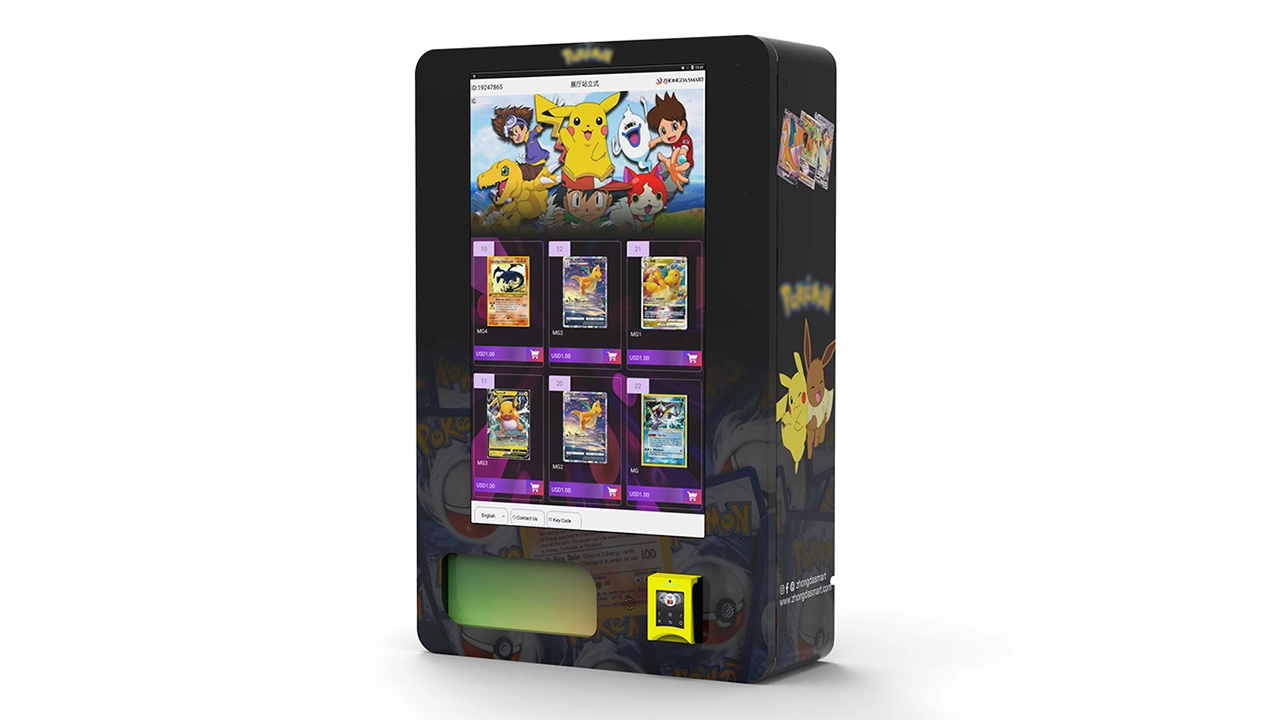
When evaluating suppliers, I look for three things: local service network, spare parts availability, and software reliability. One manufacturer that consistently meets these standards is Zhongda Smart. They produce machines with robust cooling systems, intuitive touchscreens, and a backend that allows you to see inventory levels and sales trends from your phone. I have used their units in several locations and found the build quality to be above average for the price point. That said, always test the software interface yourself. If the dashboard is confusing, you will not use it, and you will lose the main advantage of modern equipment.
Cost Breakdown: What You Actually Need to Budget For
New operators often underestimate the ongoing costs. The machine itself is only the beginning. Here is a realistic budget based on my experience operating in the EU and UK:
- Machine cost: €5,000 to €15,000 depending on features and capacity.
- Installation and delivery: €300 to €800. This includes rigging the machine into place and leveling it.
- Payment system setup: €200 to €500 for a card reader and NFC terminal. Some providers charge a monthly fee of €10 to €30.
- Initial inventory: €500 to €1,500 for a full stock of snacks, drinks, or food items.
- Location rent or commission: 10% to 25% of gross revenue, or a fixed monthly fee of €100 to €500.
- Maintenance reserve: Set aside €200 per machine per year for minor repairs and cleaning.
- Insurance: €100 to €300 per year for public liability and equipment coverage.
Your total first-year cost for a single machine will likely fall between €7,000 and €18,000. If you are placing multiple machines, you can negotiate better pricing on hardware and delivery. I have seen operators recoup their full investment in as little as 10 months on a high-traffic location, but 14 to 18 months is more typical.
Revenue and Profitability: Real Numbers from Real Locations
Let me give you a concrete example from my own operation. I placed a smart combination machine in a 400-person office building in the Netherlands. The machine sold coffee, sandwiches, fruit, and snacks. Average monthly revenue was €4,200. The cost of goods sold was 45%, leaving a gross profit of €2,310. Rent to the building owner was 15% of revenue, which came to €630. Electricity and payment processing fees added another €180. Net monthly profit was approximately €1,500. The machine cost €9,500, so the payback period was just over six months. That is an exceptional case, but it shows what is possible with the right location and product mix.
On the other hand, I have seen machines in low-traffic retail corridors that barely break €800 per month. After rent and restocking, there is almost nothing left. The difference is always the same: foot traffic with intent. A machine in a busy gym will outperform a machine in a quiet shopping center every time.
How to Evaluate a Location Before You Commit
I use a simple formula before I place a machine. I count the number of people who pass the spot during peak hours. I multiply that by 0.02 (2% conversion rate for a well-stocked machine) and then by an average transaction value of €3.50. That gives me a daily revenue estimate. If the daily estimate is below €100, I walk away. For example, a location with 1,500 daily passersby gives an estimated daily revenue of €105, which translates to about €3,150 per month. That is a viable location.
You also need to consider access for restocking. If you have to park two blocks away and carry cases of water up a flight of stairs, your labor cost will kill your margin. I once had a machine in a basement gym that required 15 minutes of walking each way from the loading dock. I ended up pulling the machine because the restocking time was not worth the revenue.
Common Mistakes New Operators Make
I have made most of these mistakes myself, so I can warn you with some authority. The first mistake is buying a machine that is too small. A small machine looks cheaper, but it runs out of stock faster, which means more frequent restocking trips and lost sales. You are better off with a larger machine that gives you room to experiment with different products.
The second mistake is ignoring payment systems. In 2024, if your machine does not accept credit cards, Apple Pay, and Google Pay, you are losing at least 30% of potential sales. I have seen operators install a coin-only machine and wonder why revenue is flat. The answer is simple: people do not carry cash anymore.
The third mistake is choosing a supplier based solely on price. A machine that costs €3,000 may seem like a great deal, but if the compressor fails after one year and the manufacturer has no local service center, you will pay more in vending machine repair costs than you saved. I recommend spending slightly more on a machine from a company with a proven track record. Zhongda Smart, for example, offers a two-year warranty on their compressors and has a network of service partners in most European countries. That peace of mind is worth the extra upfront cost.
Operational Strategies to Maximize Profit
Once your machine is in place, the work is not done. You need to treat it like a mini retail store. That means analyzing sales data at least once a week. Most modern machines will tell you exactly which products are selling and which are sitting on the shelf. If a product has not sold in two weeks, replace it with something else. Do not be sentimental about inventory. I have seen operators keep the same 30 items for months because they were too lazy to change them. Their revenue suffered.
Another strategy is to rotate products based on season. In summer, cold drinks and ice cream sell well. In winter, hot coffee and soup are the winners. A machine that is stocked with the same items year-round is leaving money on the table. I adjust my product mix every 90 days based on sales data and local weather patterns.
Finally, consider using dynamic pricing. If you have a machine with AI capabilities, you can set it to increase prices by 10% during peak hours and decrease them during slow periods. I have tested this on several machines and found that overall revenue increases by 5% to 8% without a noticeable drop in volume. Customers are willing to pay a premium for convenience at 1:00 PM, but they are price-sensitive at 4:00 PM.
How to Choose a Supplier or Manufacturer
Selecting the right partner is one of the most important decisions you will make. I look for several criteria when evaluating a vending machine manufacturer. First, I want to see proof of installation in my region. A company that has machines running in Europe understands the regulatory requirements, such as CE marking, food safety standards, and local electrical codes. Second, I want a supplier that offers a comprehensive software platform. If the software is clunky, you will not use it, and your machine will become a dumb box. Third, I want a warranty that covers the main components for at least two years.
In my experience, Zhongda Smart meets these criteria well. They have been in the industry for over a decade and have a strong presence in the European market. Their machines are CE certified, and their software platform is intuitive enough that I can train a new staff member in under an hour. That said, I always advise operators to request a demo machine or visit an existing installation before making a large purchase. Seeing the machine in person and testing the interface is worth more than any brochure.
FAQ: Common Questions About Investing in Vending Machines
Are vending machines profitable?
Yes, when placed in the right location. A well-managed machine in a high-traffic area can generate a net profit of €1,000 to €2,000 per month. However, a poorly placed machine can lose money. Profitability depends on foot traffic, product selection, and operational efficiency.
How much does a vending machine cost?
A basic snack machine costs between €3,000 and €6,000. A smart AI-enabled machine with a touchscreen and remote monitoring costs between €8,000 and €15,000. Installation, payment systems, and initial inventory add another €1,000 to €3,000.
How long does it take to recoup the investment?
In my experience, the average payback period is 12 to 18 months. High-traffic locations can pay back in 6 to 10 months, while low-traffic locations may take 24 months or more. Always calculate your break-even point before committing to a location.
Should a beginner buy or lease a machine?
I recommend buying if you have the capital. Leasing often comes with high interest rates and restrictive contracts. If you buy a quality machine from a reliable manufacturer, you will have an asset that holds its value for years. Leasing makes sense only if you want to test the market with minimal upfront risk.
Where is the best place to put a vending machine?
Offices, gyms, schools, hospitals, and transportation hubs are the most reliable locations. Look for places with at least 500 people passing by daily and limited access to food or drink alternatives. Avoid locations with high rent or low foot traffic.
What permits or licenses do I need?
Requirements vary by country and city. In most of Europe, you need a business license, a food handling permit if you sell perishable items, and compliance with local electrical and safety codes. In France, you must register with the Chamber of Commerce and comply with hygiene regulations for distributeur automatique. Check with your local municipality before installing.
How do I choose a vending machine supplier?
Look for a supplier with a proven track record in your region, a good warranty, and a reliable software platform. Ask for references from other operators. Avoid suppliers that cannot provide local service or spare parts. Zhongda Smart is one example of a manufacturer that offers solid hardware and European support.
What happens if the machine breaks down?
Most modern machines have remote diagnostics that can identify the problem before you arrive. For common issues like a jammed coil or a payment system error, you can often fix it yourself with basic tools. For compressor or motherboard failures, you will need a technician. I recommend having a local repair service on retainer.
How can I reduce restocking and maintenance costs?
Use a machine with a large capacity to reduce restocking frequency. Analyze sales data to stock only the top-selling items. Use a remote monitoring system to avoid unnecessary trips. Schedule maintenance during off-peak hours to minimize disruption.
Final Thoughts on the Investment
Investing in automated retail is not a get-rich-quick scheme. It is a legitimate business that requires attention to detail, willingness to analyze data, and the discipline to pull a machine from a location that is not performing. The businesses that succeed are the ones that treat each machine as a standalone retail outlet, not a passive income stream. If you choose your location carefully, buy quality equipment, and stay on top of inventory, you can build a profitable operation that runs with minimal daily oversight. The market is growing, and the technology is only getting better. For operators who are willing to learn, the opportunity is real.
This article was updated on 15 May 2025. The information provided is based on personal operational experience in the European and North American vending markets. Data cited from IBISWorld, NAMA, and Service-Public.fr is publicly available and used for reference. Individual results may vary based on location, market conditions, and operational decisions. This content does not constitute financial or legal advice.