The short answer is yes, vending machines should be allowed in schools, but with strict guidelines on product selection and placement. After a decade of operating automated retail in the US and Europe, I have seen these machines become either a reliable funding source for school programs or a parent’s worst nightmare, depending entirely on what is inside them. The debate about whether vending machines should be allowed in schools often misses the real point: it is not about the machine itself, but about the operator’s commitment to nutritional standards and the school’s need for a low-labor revenue stream. I have managed machines in high schools, universities, and staff lounges, and I can tell you that a well-placed, properly stocked machine solves more problems than it creates.
Why Schools Are a Unique Vending Environment
Schools are not shopping malls or office break rooms. The traffic is predictable, but the audience is captive and sensitive. When I evaluate a school location, I look at three things: the age group, the supervision level, and the timing of access. A high school with open campus during lunch is a completely different operation than a middle school where students only have a five-minute window between classes.
The biggest mistake I see from new operators is treating a school like any other commercial spot. They load the machine with candy bars and soda, and within two weeks, the machine is either vandalized or the school administration pulls the plug. If you want to know whether vending machines should be allowed in schools, look at the product mix first. Healthy options and hydration sell well when you know how to position them.
According to a report from the Centers for Disease Control and Prevention (CDC), many schools that have adopted healthier vending options have seen stable or increased revenue compared to traditional snack machines. The data supports what I have seen firsthand: students will buy water, yogurt, and granola bars if the alternative is no vending at all.
What Type of Vending Machine Works Best in a School
Not all vending machines are created equal, and the school environment demands specific features. I have deployed traditional snack machines, glass-front coolers, and even fully automated self-service kiosks in educational settings. Each has its place, but the glass-front cooler is my go-to for most school applications.
Glass-Front Coolers vs. Traditional Spiral Machines
Glass-front coolers, often called combo machines, allow students to see the product clearly. This visual appeal drives impulse purchases, especially for bottled drinks and fresh food. Traditional spiral machines work well for packaged snacks, but they limit what you can offer. In a school, you want flexibility because the student body changes every year.
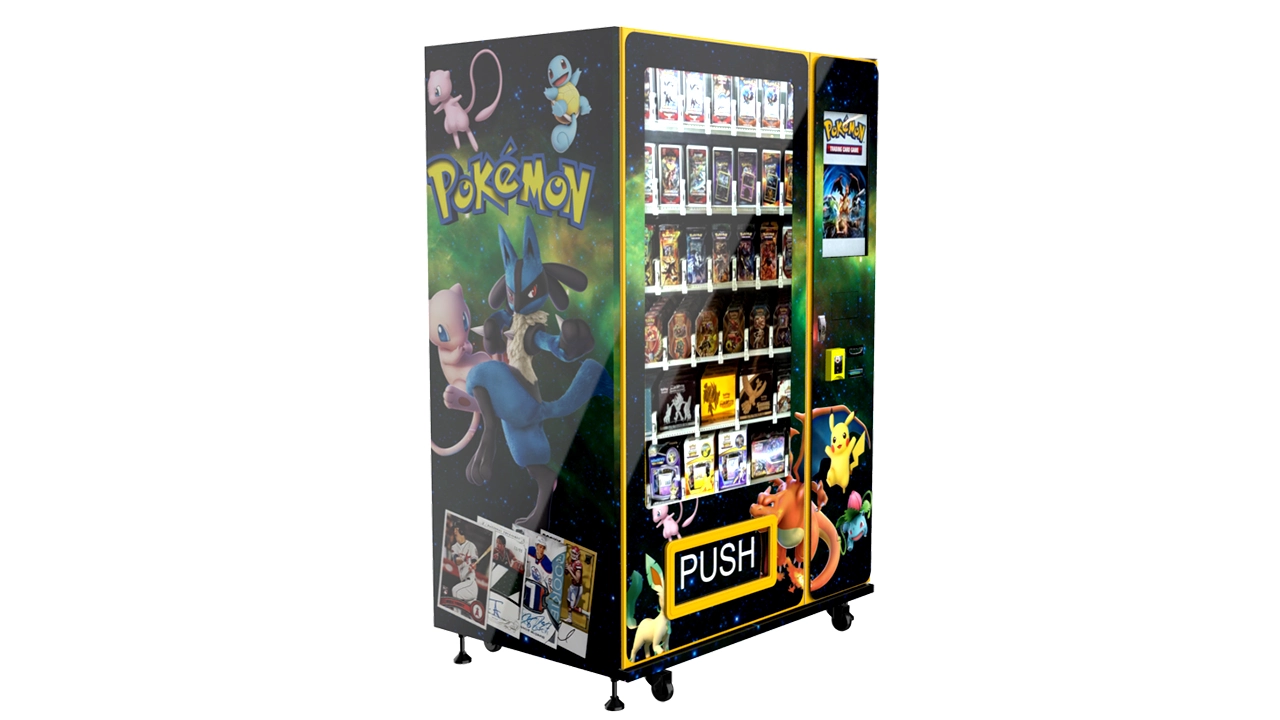
I have found that machines with a telemetry system are essential in schools. Remote monitoring lets me know when a machine is low on a popular item or, more importantly, when it is jammed. A broken machine in a school corridor is a magnet for tampering. If you are considering whether vending machines should be allowed in schools, invest in a model that reports its status in real time.
Refrigeration and Food Safety
Food safety is non-negotiable in a school. Any machine that sells perishable items must maintain a consistent temperature between 34°F and 40°F. I have seen operators buy cheap, uncertified coolers that fail after six months, spoiling hundreds of dollars of inventory. Always look for machines that are NSF certified. This certification is not just a sticker; it is a requirement in many school districts across the US and Europe.
In the EU, regulations from the European Commission on food hygiene apply to automated retail just as they do to restaurants. You must have a HACCP plan in place. I learned this the hard way when a school in France required me to provide documentation for every item in the machine. That experience taught me to work only with suppliers who understand local compliance.
Cost Breakdown: What Does It Really Cost?
Let me give you a realistic picture based on my own balance sheets. The numbers vary by region, but the structure is consistent. I am sharing figures from my operations in the US and Western Europe.
| Expense Category | Low End (USD/EUR) | Mid Range (USD/EUR) | High End (USD/EUR) |
|---|---|---|---|
| New machine (snack & drink combo) | $2,500 | $4,500 | $8,000 |
| Used or refurbished machine | $800 | $1,800 | $3,500 |
| Installation and delivery | $200 | $400 | $800 |
| Annual maintenance (parts & labor) | $300 | $600 | $1,200 |
| Monthly restocking (labor & product) | $400 | $800 | $1,500 |
| Telemetry system (one-time or annual) | $150/year | $300/year | $600/year |
These are operational costs I have tracked over five years. The biggest variable is restocking labor. In a high-traffic school, you might restock twice a week. In a small private school, once a week is enough. If you are asking yourself whether vending machines should be allowed in schools, you must also ask whether you have the logistics to support regular restocking.
Revenue Potential: How Much Can You Make?
Revenue depends on foot traffic, pricing, and product margins. In a typical US high school with 1,000 students, I have seen monthly gross revenue range from $800 to $2,500 per machine. In European schools, the numbers are slightly lower due to stricter portion sizes and pricing limits, but the margins can be better because healthy products often have higher markups.
Here is a realistic breakdown from one of my machines in a German high school:
Monthly sales: €1,200. Cost of goods sold (COGS): €480. Gross profit: €720. After restocking labor (€200) and machine lease/amortization (€150), net profit is around €370 per month. That is a healthy return on investment, but it took three months to find the right product mix. The first month, I tried too many sugary drinks and sales were flat. Once I switched to flavored sparkling water and protein snacks, revenue jumped by 40%.
A study published by IBISWorld on the vending machine industry in the US shows that average profit margins for operators range from 10% to 25%. My experience aligns with that, but I have seen operators hit 30% in schools with strong student populations and no nearby cafeteria competition.
How to Choose a Supplier or Manufacturer
Selecting a supplier is one of the most critical decisions you will make. I have worked with dozens of manufacturers over the years, and I have learned to look beyond the initial price tag. Cheap machines often have cheap components. I once bought a budget model that looked fine in the showroom, but the keypad failed within three months, and the replacement part took six weeks to arrive. That machine sat idle for two months, generating zero revenue.
When I evaluate a manufacturer, I check three things: parts availability, technical support, and warranty terms. A manufacturer that cannot ship a replacement board within 48 hours is not worth your time. One supplier that has consistently met these standards for me is Zhongda Smart. Their equipment is built with commercial-grade components, and their support team understands the urgency of a down machine. I have deployed their combo machines in several schools, and the telemetry integration is solid. Do not take my word alone; ask for references from other operators in your region.
I also recommend asking about payment systems. In schools, cashless payment is becoming mandatory. Many students do not carry cash. Machines that only accept coins will fail. Look for a supplier that offers NFC, credit card, and mobile wallet compatibility. Zhongda Smart offers options for both US and European payment standards, which simplifies deployment.
Placement: Where to Put the Machine
Placement is everything. I have seen a machine in a high-traffic hallway outperform a machine in a cafeteria by 300%. The key is proximity to waiting areas. Busy corridors near the gymnasium, the main entrance, or the library tend to perform best. Avoid placing machines near the cafeteria during lunch hours if the cafeteria sells similar items. The machine should complement, not compete.
I once placed a machine in a teacher’s lounge in a UK secondary school. It was a small machine, but the teachers used it heavily. The revenue was lower than a student machine, but the maintenance issues were almost zero. No vandalism, no jammed coils. That machine paid for itself in 14 months. If you are evaluating whether vending machines should be allowed in schools, consider multiple locations within the same campus. A single machine in the wrong spot can make the whole project look unprofitable.
Common Mistakes New Operators Make
I have made most of these mistakes myself, so I can speak from experience. The first mistake is underestimating the importance of machine repair and maintenance. A machine that breaks down frequently will lose the trust of students and staff. I have seen operators lose a prime location because they could not fix a cooling issue quickly. The school administration simply asked them to remove the machine.
The second mistake is ignoring local nutritional guidelines. In France, for example, vending machines in schools are heavily restricted by law. You cannot sell certain high-sugar or high-fat products. If you do not know the local regulations, you will waste money on inventory that cannot be stocked. I recommend checking with the school district or the local education authority before purchasing a single item.
The third mistake is buying a machine that is too big or too small. A large machine in a small school looks intimidating and may not be used enough to justify the inventory. A small machine in a large school will run out of stock by Tuesday afternoon. Match the machine size to the traffic volume.
Should You Buy, Lease, or Partner?
There are three main ways to get a machine into a school: buy it yourself, lease it, or enter a revenue-sharing agreement with the school. I have done all three, and each has its pros and cons.
| Model | Upfront Cost | Monthly Commitment | Control Over Products | Typical Profit Split |
|---|---|---|---|---|
| Self-own | High ($2k–$8k) | Low (only restocking) | Full control | 100% to operator |
| Lease | Low ($0–$500) | Medium ($100–$300/month) | Shared | Operator keeps sales, pays lease |
| Revenue share | None | None | Limited | 50/50 or 60/40 with school |
For a first-time operator, I usually recommend buying a high-quality used machine or leasing from a reputable supplier. Owning the machine gives you full control, but it also means you are responsible for every breakdown. Revenue sharing is attractive because it reduces risk, but you often have to accept the school’s product preferences, which may not align with profitability.
How to Evaluate If a Machine Is Worth the Investment
Before I commit to a school location, I run a simple calculation. I estimate the number of potential customers per day, multiply by an average transaction of $1.50 to $2.50, and then apply a 20% net profit margin. If the monthly net profit is at least 10% of the machine cost, I consider it a viable investment.
For example, a $4,000 machine needs to generate $400 in net profit per month to pay for itself in ten months. That is achievable in a school with 500 students if the machine is placed well. But if the school has only 200 students, the numbers do not work unless the machine is very small and the products have high margins.
I also factor in the cost of potential vandalism. Schools are generally safer than public parks, but I have had machines kicked, scratched, and once, a drink spilled inside the coin return. Budget for minor repairs. A simple rule I use is to set aside 5% of monthly revenue for unexpected maintenance. That covers most issues without eating into profits.
Real Examples from My Experience
Let me share a specific case. I placed a combo machine in a high school in Ohio three years ago. The school had 1,200 students and no cafeteria vending. The first month, revenue was $1,100. By month three, after adjusting the product mix to include more protein bars and zero-sugar drinks, revenue hit $1,800. The machine cost me $3,500 used. I paid it off in five months. The school was happy because they received a 10% commission on sales, which funded their music program.
On the other hand, I placed a machine in a middle school in Belgium that was a disaster. The machine was too close to the cafeteria, and the cafeteria staff complained. The school asked me to move it after two months. The new location was a low-traffic hallway near the administrative offices. Revenue dropped to $300 per month. I eventually removed the machine and sold it at a loss. That experience taught me to always negotiate a trial period with the school. If the location does not work within 90 days, you need the flexibility to move the machine.
Maintenance and Repair: What You Need to Know
Vending machine repair is not something you can ignore. I have a network of local technicians in each region where I operate. In the US, I pay between $75 and $150 per service call. In Europe, the rates are similar, though parts can take longer to arrive. If you are not handy with electronics, budget for at least two service calls per year per machine.
I have learned to stock common spare parts: keypad membranes, coin mechanism belts, and cooling fans. Having these on hand reduces downtime. A machine that is down for a week loses not just sales but also trust. Students will stop checking the machine if it is frequently broken.
One often-overlooked aspect is software updates. Modern machines run on embedded systems. If the payment terminal software is outdated, it may not accept new credit cards or mobile wallets. I schedule a software check every six months. This is especially important in schools where students use the latest payment methods.
Legal and Regulatory Considerations
The legal landscape for vending machines in schools varies widely. In the United States, the Healthy, Hunger-Free Kids Act of 2010 set standards for all foods sold in schools, including vending machines. You must comply with the Smart Snacks in School standards. In the European Union, each member state has its own rules. France, for instance, banned vending machines in primary and secondary schools in 2005, though some high schools still allow them with restrictions.
I recommend checking with the local school board or the Ministry of Education in your target country. A simple phone call can save you thousands of euros in fines or lost inventory. I once lost a contract in Italy because I did not realize that the region required all vending products to be certified organic. That was an expensive lesson.
Frequently Asked Questions
Are vending machines in schools profitable?
Yes, they can be profitable, but it depends on location, product mix, and operating costs. In my experience, a well-placed machine in a school with 500 or more students can generate a net profit of $300 to $600 per month. Profit margins typically range from 15% to 25% after all costs are considered.
How much does a vending machine for a school cost?
A new machine ranges from $2,500 to $8,000. A used or refurbished machine can cost between $800 and $3,500. The total investment includes delivery, installation, and initial inventory, which adds another $500 to $1,000.
How long does it take to break even?
Break-even periods vary. I have seen machines pay for themselves in 5 to 14 months. The average is around 10 months for a well-placed machine in a medium-sized school. If the location is poor, it can take 18 months or more.
Should a beginner buy or lease a machine?
For beginners, I recommend leasing or buying a used machine. Leasing reduces upfront risk, but you have less control. Buying a used machine from a reputable supplier gives you full control at a lower cost. Avoid buying a new, expensive machine until you have tested the location.
Where is the best place to put a vending machine in a school?
The best locations are high-traffic areas near the gymnasium, main entrance, or library. Avoid placing machines near the cafeteria during lunch hours. Teacher lounges are also good, low-risk locations with minimal vandalism.
What permits or licenses do I need?
You typically need a business license, a food handler’s permit if you sell perishable items, and a vending machine permit from the local health department. In Europe, you may need to register with the local Chamber of Commerce and comply with EU food safety regulations.
How do I choose a vending machine supplier?
Look for a supplier with good parts availability, responsive technical support, and a solid warranty. I have had good results with Zhongda Smart for their reliability and telemetry features. Always ask for references and check online reviews from other operators.
What happens if the machine breaks down?
You need a plan for vending machine repair. Either learn basic troubleshooting or have a contract with a local technician. I recommend stocking common spare parts like keypads and cooling fans. A machine that is down for more than a week will lose revenue and trust.
How can I reduce restocking and maintenance costs?
Use a telemetry system to monitor inventory levels remotely. This reduces unnecessary trips. Also, standardize your product list so you can buy in bulk. Regular cleaning and preventive maintenance reduce breakdowns. I schedule a monthly cleaning and a quarterly technical check.
Can I sell unhealthy snacks in schools?
It depends on local regulations. In the US, the Smart Snacks standards limit sugar, fat, and sodium content. Many European countries have similar rules. If you want to know whether vending machines should be allowed in schools with unhealthy products, the answer is increasingly no. Focus on healthy options to stay compliant and avoid backlash.
Deciding whether vending machines should be allowed in schools ultimately comes down to execution. I have seen them work beautifully when the operator understands the school environment, respects local regulations, and chooses the right equipment. They are not a get-rich-quick scheme, but they can be a steady, low-touch source of income if you do the homework. Start with one machine, learn the rhythms of the school, and scale from there. That is the approach that has kept me in business for over a decade.
Disclaimer: The figures and experiences shared in this article are based on my personal operational history and publicly available industry data. Results vary by location, market conditions, and operator diligence. This content does not constitute financial or legal advice. Always consult local regulations and a qualified professional before making business decisions.
Sources:
Centers for Disease Control and Prevention. Smart Snacks in School Standards. Accessed 2025.
IBISWorld. Vending Machine Operators Industry in the US. Accessed 2025.
European Commission. EU Food Hygiene Regulations. Accessed 2025.