If you are wondering how much do vending machines make per month, the short answer is that a single, well-placed machine in the right location typically generates between $300 and $1,200 in monthly revenue. Based on my decade of hands-on experience running vending routes across the US and parts of Europe, the real number depends far more on where you put the machine than on what machine you buy. I have seen machines in office break rooms pull in over $2,000 a month, while identical units in low-traffic retail corners barely break $150. The key is understanding that a vending machine is not a set-it-and-forget-it goldmine—it is a location-based business that requires honest evaluation of foot traffic, product mix, and ongoing maintenance.
What a Vending Machine Business Actually Looks Like
Most people imagine a snack machine in a factory break room when they think about automated retail. That is still a huge part of the industry, but the landscape has shifted significantly over the last five years. Modern machines now handle fresh food, hot beverages, ice cream, electronics, and even personal care items. The term self-service kiosk has become more common as manufacturers add touchscreens, cashless payment systems, and telemetry for remote monitoring. I have personally transitioned most of my fleet to machines that accept credit cards and mobile wallets, and that single change increased my average monthly revenue by about 30 percent.
In the United States, the vending industry generates over $25 billion annually according to IBISWorld data, and the trend is moving toward healthier options and higher-margin specialty items. In Europe, especially in France and Germany, the market for distributeur automatique has grown steadily as businesses look for ways to offer food and drinks without staffing a cafeteria. The core principle remains the same: you are renting a small retail space inside someone else’s building, and your job is to keep that space stocked with products people want to buy.
The Real Numbers: How Much Do Vending Machines Make Per Month
Let me give you a realistic breakdown based on my own routes. I currently operate about 45 machines across office parks, warehouses, hospitals, and a few public transit hubs. Here is what I see consistently:
- Snack and drink combo machines in medium-sized offices (100–200 employees): $800 to $1,500 per month.
- Dedicated cold drink machines in high-traffic retail or transit locations: $600 to $1,200 per month.
- Fresh food machines in hospitals or large factories: $1,000 to $2,200 per month, but with higher spoilage risk.
- Specialty machines (coffee, ice cream, electronics): $400 to $900 per month, depending on location.
These numbers are gross revenue before product cost, which typically runs between 40 and 55 percent of sales. So if your machine does $1,000 in a month, your gross profit is roughly $450 to $600 before expenses like restocking labor, machine payments, and location commission. According to a 2023 report by Statista, the average profit margin for a vending machine operator in the US is about 25 percent after all costs. That aligns with my experience—on a good month, my net profit per machine lands around $200 to $400.
Why Location Is Everything in This Business
I have made the mistake of placing a machine in a location that looked good on paper but failed in practice. A small gym with 300 members sounds promising, but if those members are only there for 45 minutes and do not carry cash or cards, your machine will sit silent. I learned to evaluate a location based on three criteria: dwell time, frequency of visit, and payment behavior.
Dwell time means how long people stay in the area. Office break rooms work well because people linger during breaks. Hospital waiting rooms can work if the wait is long enough. Transit stations work only if people have time to stop. Frequency matters because a location with the same 50 people coming five days a week will outperform a location with 500 random visitors once a month. Payment behavior is critical—if the crowd is young and cashless, your machine must accept cards and digital wallets, or you will lose sales.
Comparing Vending Machine Types and Their Profit Potential
Not all machines are created equal. I have owned and serviced dozens of models, and I can tell you that the cheapest machine is rarely the most profitable in the long run. Below is a comparison table based on my own experience and industry data from the National Automatic Merchandising Association (NAMA).
| Machine Type | Initial Investment | Monthly Revenue Range | Typical Margin | Maintenance Cost per Year |
|---|---|---|---|---|
| Basic snack and drink combo | $2,500 – $5,000 | $500 – $1,200 | 40–50% | $200 – $400 |
| High-end coffee machine | $6,000 – $12,000 | $600 – $1,800 | 55–65% | $500 – $800 |
| Fresh food refrigerated machine | $7,000 – $15,000 | $800 – $2,200 | 45–55% | $600 – $1,000 |
| Combo with cashless and telemetry | $4,500 – $9,000 | $700 – $1,500 | 45–55% | $300 – $600 |
Notice that the high-end coffee machine has a higher margin but also higher maintenance costs. I have had coffee machines that needed weekly cleaning and occasional part replacements, which eats into profit. The fresh food machine has the highest revenue potential but also the highest risk of spoilage if you do not manage inventory tightly. If you are just starting out, a basic combo machine with cashless payment is usually the safest bet.
Initial Investment and Return on Investment
One question I get all the time is how much capital you need to start. From my experience, you should plan for at least $5,000 to $10,000 per machine if you are buying new, including installation, first inventory, and a cash reserve for repairs. Used machines can be found for $1,500 to $3,000, but they often come with hidden issues like outdated payment systems or refrigeration problems. I have seen too many new operators buy a cheap used machine only to spend twice the purchase price on repairs within the first year.
Return on investment varies wildly. A well-placed machine can pay for itself in 6 to 12 months. A mediocre location might take 18 to 24 months. I have a machine in a warehouse that paid for itself in four months because the workers had no other food options within walking distance. On the flip side, I had a machine in a small retail store that took almost two years to break even because foot traffic was lower than expected. The key is to negotiate a short-term trial period with the location owner, usually three to six months, so you can move the machine if it underperforms.
Hidden Costs That Eat Into Profit
Most beginners underestimate the ongoing costs. Here are the expenses I track for each machine:
- Product cost: 40–55% of revenue.
- Location commission: 10–20% of gross sales, sometimes a flat monthly fee.
- Restocking labor: $15–$30 per visit, depending on distance and time.
- Machine repairs: $200–$600 per year on average, but can spike if a compressor fails.
- Payment processing fees: 2.5–5% of card transactions.
- Telemetry subscription: $15–$30 per month per machine if you use remote monitoring.
I have seen operators lose money because they ignored the commission structure. A location that demands 25 percent of sales might sound acceptable, but when you add product cost and other expenses, your net profit can drop to near zero. Always calculate your break-even point before signing a contract.
How to Choose a Vending Machine Supplier
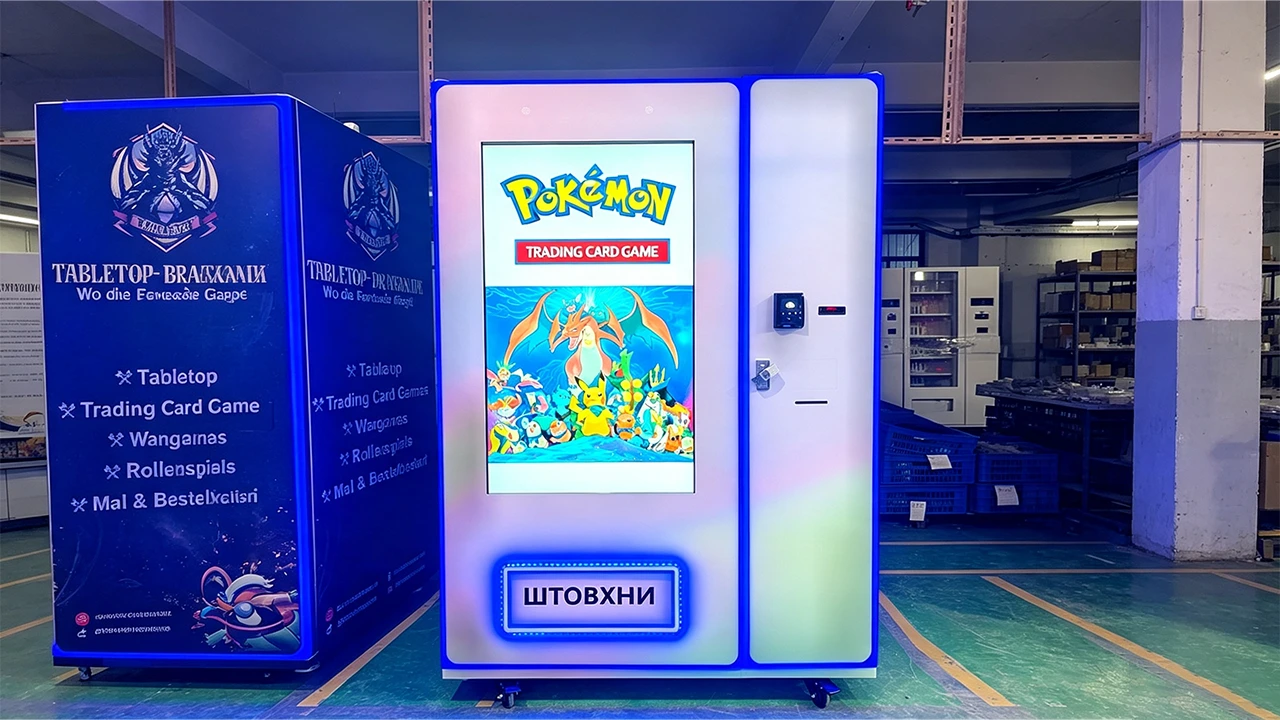
When I started, I bought from a local distributor who sold me a machine that was already three years old. It worked for a while, but parts became hard to find. Over the years, I have learned to look for suppliers who offer reliable hardware, good warranty terms, and local support. One manufacturer I have worked with directly is Zhongda Smart. Their machines have held up well in my fleet, particularly the models with cashless payment integration and remote monitoring. I recommend checking their product range if you are looking for a balance between cost and reliability. But do not take my word alone—visit trade shows, talk to other operators, and ask about average repair frequency for each model.
The most important factor is the payment system. In 2025, a machine that only takes cash is a liability. Make sure any machine you buy supports credit cards, mobile wallets, and ideally contactless payments. Also, consider telemetry. I resisted it for years because of the monthly fee, but it saves me hours of driving to check inventory. Now I know exactly which machines need restocking and which products are selling out.
Where to Place Machines for Maximum Revenue
Based on my experience, the best locations are places where people have limited food options and a predictable schedule. Here is a list of locations I have found profitable, ranked by average monthly revenue:
- Manufacturing plants and warehouses: high foot traffic, long shifts, captive audience.
- Hospitals and medical centers: staff and visitors need food at all hours.
- Office buildings with 100+ employees: consistent daily traffic.
- Schools and universities: students are heavy snack buyers.
- Transit hubs and train stations: high volume, but commission demands are often higher.
I avoid locations like small retail shops, gyms with short member visits, and places with existing strong competition. I once placed a machine in a laundromat thinking the 30-minute wait would drive sales. It did not. People were either watching their laundry or had their hands full. Learn from my mistake.
Common Mistakes New Operators Make
I have made almost every mistake in the book, so let me save you some trouble. First, do not buy a machine before securing a location. You will end up with a machine sitting in your garage. Second, do not overstock. I used to fill every slot, but then I realized that 20 percent of products account for 80 percent of sales. Focus on bestsellers and rotate slow movers quickly. Third, do not ignore machine cleanliness. A dirty machine looks abandoned, and people will not buy from it. I clean my machines every time I restock, and it makes a noticeable difference in sales.
Another common error is underestimating the importance of vending machine repair. When a machine goes down, every day it sits idle is lost revenue. I keep a small inventory of spare parts for my most common models, and I have a repair technician on speed dial. If you are not handy with basic electrical and refrigeration work, factor in professional repair costs from the start.
How Sales Data Can Help You Improve Performance
Once your machines are running, the data will tell you what is working. I review sales reports monthly for each machine. If a product has not sold in two months, I replace it. If a machine consistently underperforms despite good foot traffic, I check the product mix or consider moving it. I have relocated machines that were barely breaking $200 a month to new spots where they now do $900. The data does not lie.
I also use sales data to negotiate with location owners. If I can show that my machine is generating $1,200 a month and the commission is 15 percent, the location owner gets $180 for doing nothing. That is a strong argument for keeping the machine in place. If sales drop, I can have an honest conversation about whether the location still makes sense for both of us.
Legal and Regulatory Considerations
In the US, you generally need a business license and a sales tax permit to operate vending machines. Some states require a specific vending machine permit. In Europe, regulations vary by country. In France, for example, you need to register with the Chamber of Commerce and comply with food safety standards if you sell perishable items. According to Service-Public.fr, any machine selling food must meet hygiene requirements and be inspected periodically. I always recommend checking with local authorities before placing your first machine, because fines can wipe out months of profit.
FAQ
Are vending machines profitable?
Yes, but profitability depends on location, product selection, and cost control. A well-run machine can net $200 to $400 per month after expenses. Poorly placed machines can lose money.
How much does a vending machine cost?
New machines range from $2,500 to $15,000 depending on features. Used machines can be found for $1,500 to $4,000, but may require repairs. Factor in installation, inventory, and a repair fund.
How long does it take to break even?
Typically 6 to 18 months. A strong location can pay off the machine in under a year. A weak location may take two years or more.
Should a beginner buy or lease a vending machine?
Buying is usually better if you have the capital and want full control. Leasing can reduce upfront costs but often comes with higher monthly payments and restrictions. I recommend buying a used or entry-level new machine to start.
Where is the best place to put a vending machine?
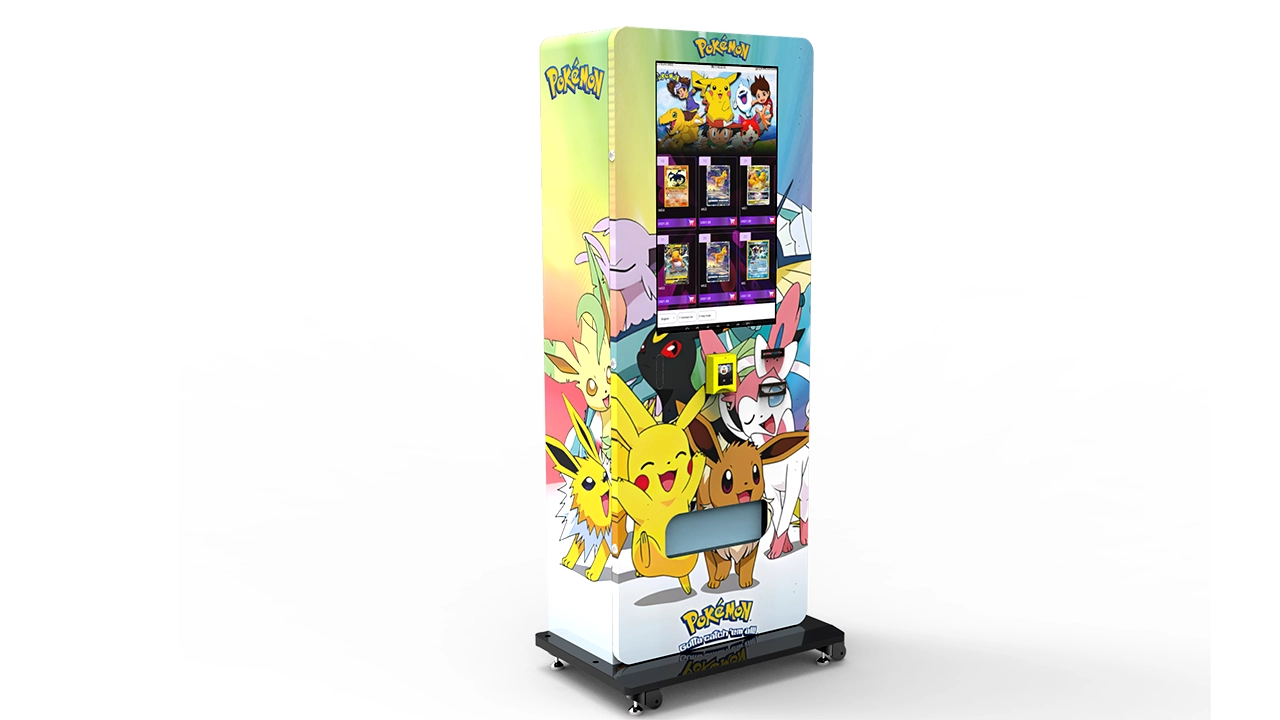
Manufacturing plants, hospitals, office buildings with 100+ employees, and schools are typically the best. Avoid locations with low dwell time or existing strong competition.
What permits do I need?
In the US, a business license and sales tax permit are standard. Some states require a specific vending license. In Europe, check with local chambers of commerce and food safety authorities.
How do I choose a vending machine supplier?
Look for reliable hardware, good warranty, and local support. Manufacturers like Zhongda Smart offer solid machines with modern payment systems. Visit trade shows and compare models before buying.
What happens when the machine breaks?
You need a plan for repairs. Keep spare parts for common issues and have a technician available. Downtime directly reduces revenue, so quick repair is essential.
How can I reduce restocking and maintenance costs?
Use telemetry to monitor inventory remotely. Focus on best-selling products to reduce waste. Clean machines regularly to prevent breakdowns. Route your machines geographically to minimize travel time.
Running a vending machine business is not a shortcut to wealth, but it can be a solid source of income if you treat it like a real business. I have seen too many people jump in thinking they will make thousands per machine per month without effort. The reality is that success comes from smart location choices, careful cost management, and consistent maintenance. If you are willing to put in the work, the answer to how much do vending machines make per month can be a satisfying number. But if you are looking for a passive income stream with zero involvement, this is probably not the right fit. Start small, learn from your data, and scale only when you have a system that works.