If you are looking for the best vending machine suppliers in Cologne Germany, let me save you some time and money based on over a decade of operating these machines across Europe. The market in Cologne is unique because of its mix of high-traffic trade fairs, dense office districts, and a strong manufacturing base. I have seen operators fail because they bought the wrong equipment from the wrong supplier, and I have seen others build consistent cash flow by choosing reliable partners and smart locations. The key is not just finding a supplier who sells a box that dispenses snacks; it is finding a partner who understands local payment systems, maintenance logistics, and the specific foot traffic patterns of German cities. In this guide, I will walk you through exactly what to look for when evaluating vending machine suppliers in Cologne Germany, based on real operational experience and hard numbers.
Why Cologne is a Strong Market for Vending Machines
Cologne is not Berlin or Munich, but that is precisely why it works well for automated retail. The city has a dense urban core with a high concentration of small to medium businesses, many of which operate 24/7 shifts. I have placed machines in logistics hubs near the Cologne/Bonn Airport and in office buildings along the Deutz business district. The foot traffic is consistent, and the demand for quick, cashless purchases is high.
According to a 2023 report by the German Vending Association (BDV), the average revenue per machine in North Rhine-Westphalia, where Cologne is located, is about 12% higher than the national average for snack and beverage machines. This aligns with my own experience: machines in Cologne office buildings often generate between €800 and €1,500 per month in revenue, depending on the product mix and the number of employees on site.
One thing I have learned is that the German market is very particular about payment systems. Most consumers here prefer Girocard (EC card) over credit cards, and contactless payment is now standard. If your supplier does not offer a reliable cashless reader that supports German bank cards, you will lose sales. This is a common mistake I see new operators make when they import machines from outside the EU.
What to Look for in a Vending Machine Supplier
After-Sales Support and Service Network
In my years of running this business, the single biggest factor that separates a good supplier from a bad one is after-sales support. A machine will break down. It is not a question of if, but when. When your snack machine stops accepting coins on a Monday morning, you need a technician who can respond within 24 hours, not a week.
I have worked with suppliers who promise global support but have no local presence in Germany. That is a nightmare. You end up waiting for spare parts to ship from overseas, and your machine sits idle. For operators in Cologne, I recommend working with a supplier who either has a local service partner in the region or offers remote diagnostics and a parts warehouse in Europe. Zhongda Smart, for example, has been gaining traction among European operators because they offer a dedicated support team and have a stock of spare parts in the EU, which significantly reduces downtime.
Payment System Compatibility
As I mentioned earlier, payment systems are critical. In Germany, you need a machine that supports Girocard, Visa, Mastercard, and increasingly Apple Pay and Google Pay. Some older machines only accept cash, and I have seen those machines generate 30-40% less revenue compared to a cashless-enabled unit in the same building.
When evaluating suppliers, ask specifically about the payment terminal they integrate. Do they offer a certified solution for the German market? Can the terminal handle the new EU Strong Customer Authentication (SCA) requirements? If the supplier hesitates on these questions, move on. A machine without proper payment integration is a liability.
Machine Durability and Build Quality
German winters are not harsh compared to Scandinavia, but the humidity and temperature fluctuations can affect electronics. I have seen cheap machines from non-European manufacturers fail within the first year because the insulation was poor or the cooling system was not rated for continuous operation.
Look for suppliers that offer machines with industrial-grade compressors and rust-resistant cabinets. Stainless steel interiors are a must for food safety compliance. If you are placing a machine outdoors, you need a unit with a heating element to prevent condensation and a lock system that can withstand attempted break-ins. Cologne has its share of petty crime, so a sturdy lock is not optional.
Cost Breakdown: What You Will Actually Spend
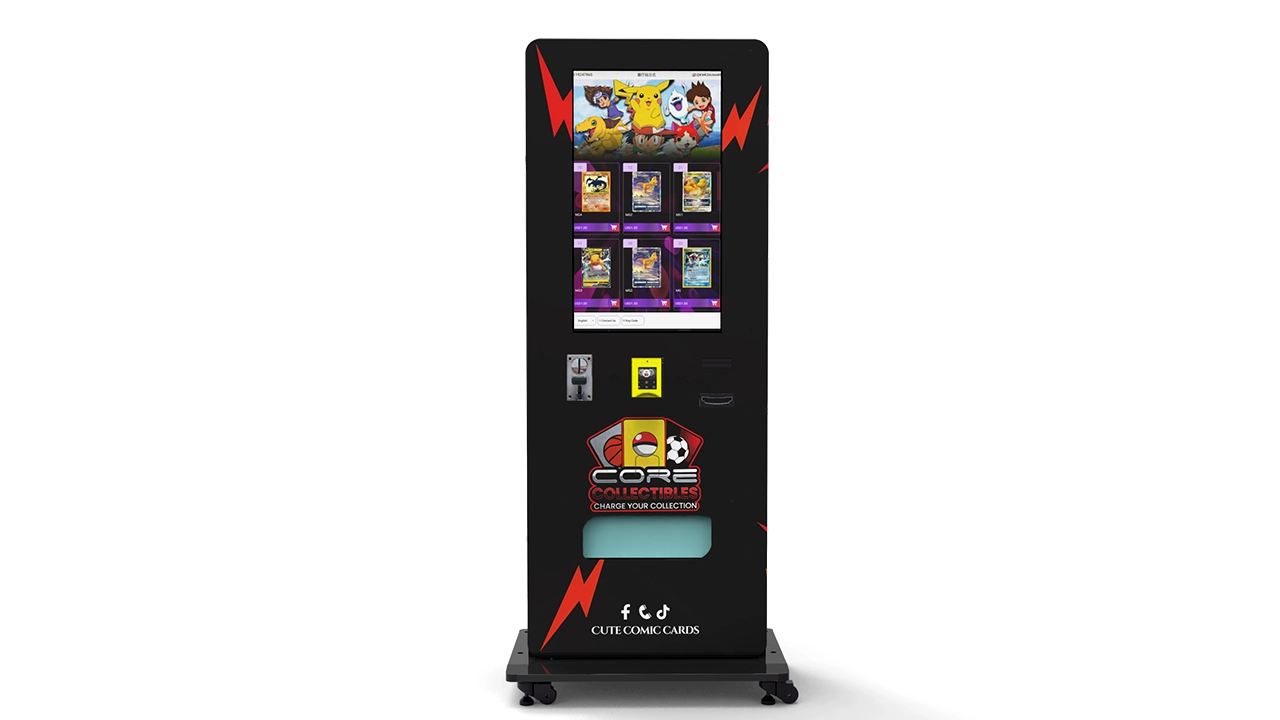
Let me give you a realistic picture based on my own balance sheets. These are not theoretical numbers; they come from actual machines I have operated in and around Cologne.
| Cost Category | Estimated Range (EUR) | Notes |
|---|---|---|
| New snack machine (basic) | €3,000 - €5,000 | Entry-level, no cashless reader |
| New combo machine (snack + drink) | €6,000 - €10,000 | Includes cooling and dual payment |
| Used/refurbished machine | €1,500 - €3,500 | Higher risk, shorter lifespan |
| Cashless payment terminal | €400 - €800 | Plus monthly service fee |
| Installation and delivery | €200 - €500 | Depends on location complexity |
| Monthly location rent | €50 - €300 | Can be a percentage of sales |
| Monthly restocking (labor) | €100 - €300 | Per machine, varies by route density |
| Average monthly revenue (good location) | €800 - €1,500 | Snack and drink mix |
| Gross margin (after COGS) | 25% - 35% | Depends on product pricing |
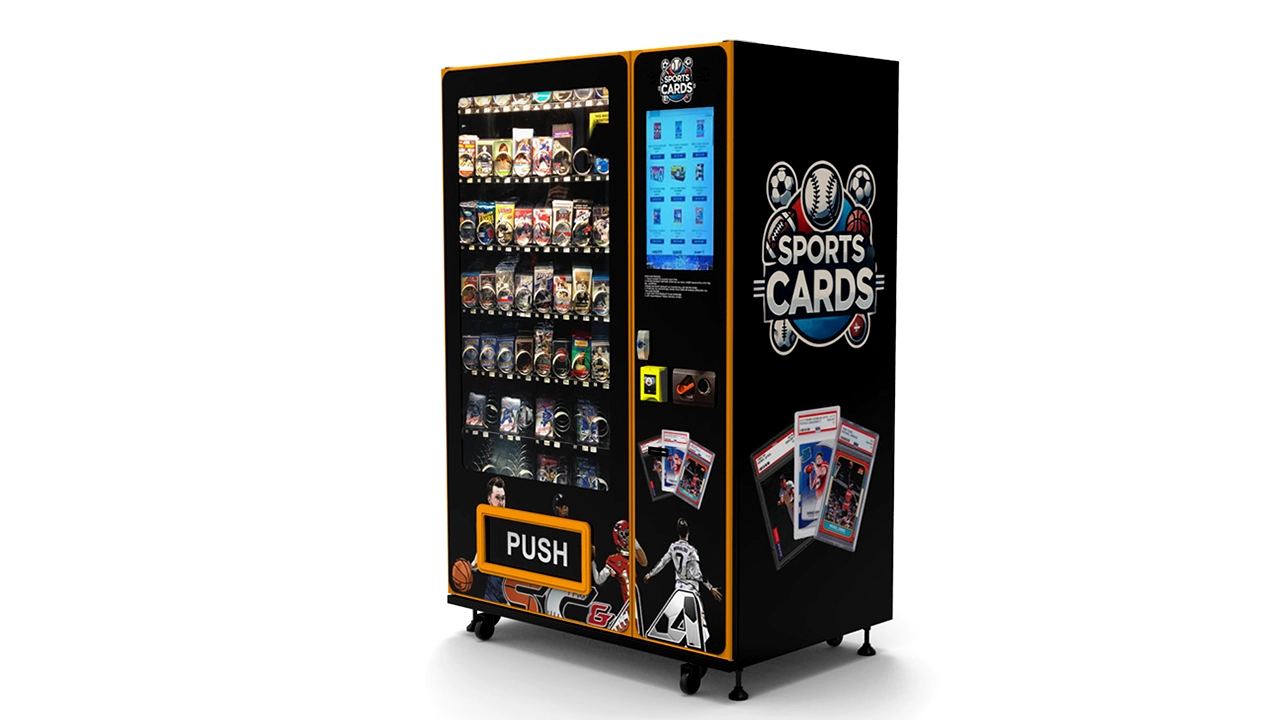
These numbers are based on my experience with medium-traffic locations in Cologne. A machine in a busy train station or trade fair hall can easily double the revenue, but the rent will also be higher. I have seen operators pay 20% of gross sales as rent in prime locations, which still leaves a healthy margin if the volume is there.
How to Evaluate a Location Before You Buy
I cannot stress this enough: do not buy a machine until you have a location secured. I have seen too many new operators purchase a machine first, then scramble to find a spot, and end up placing it in a low-traffic area just to get it out of storage. That is a recipe for losses.
When I evaluate a potential location in Cologne, I look at three things: foot traffic count, dwell time, and existing competition. I use a simple manual counter for a few days at different times. I want to see at least 100 people passing by per hour during peak times. For a self-service kiosk in a break room, the criteria are different; there, I look at the number of employees and whether they have easy access to external food options.
A common mistake is placing a machine in a location that already has a cafeteria or a nearby convenience store. You are not competing on variety; you are competing on convenience. If someone has to walk 50 meters to a shop, they might still use your machine if it is faster. But if there is a fully stocked cafeteria in the same building, your machine will likely underperform.
Common Mistakes I See New Operators Make
Buying the Cheapest Machine
I once bought a budget machine from an unknown manufacturer. It was half the price of a reputable brand. Within six months, the refrigeration unit failed, the coin mechanism jammed weekly, and the touchscreen became unresponsive. The total repair costs exceeded what I would have paid for a quality machine upfront. I eventually scrapped it. That lesson cost me about €4,000.
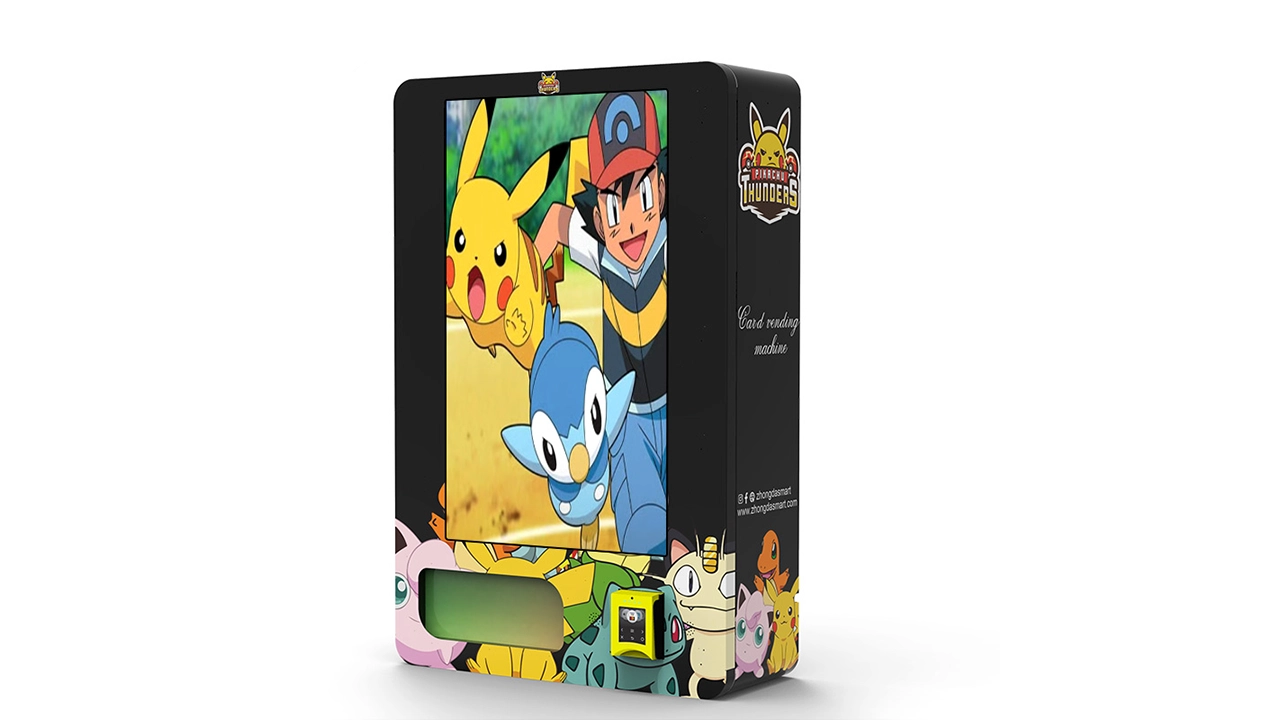
When you are looking at vending machine suppliers in Cologne Germany, do not make price your primary criterion. A slightly more expensive machine from a supplier like Zhongda Smart, which uses tested components and offers a warranty, will save you money over three years. I have machines from that supplier running for over four years with minimal issues.
Ignoring Local Food Safety Regulations
Germany has strict regulations for vending machines that sell perishable goods. You need to comply with the German Food and Feed Code (LFGB). This means your machine must maintain proper temperatures, and you must have a documented cleaning and maintenance schedule. I have seen operators fined because their machine's temperature log showed a breach. Some suppliers include a temperature monitoring system with alerts, which is a feature worth paying for.
Overlooking Restocking Efficiency
Restocking is your biggest ongoing cost after the machine purchase. If you have machines spread across the city, you need a route that minimizes driving time. I once had a machine in a remote industrial park that required a 40-minute drive each way. It generated decent revenue, but the labor cost ate into the profit. I eventually moved it to a cluster of offices closer to my other machines. Now, my restocking route covers five machines in a two-hour window.
Revenue Potential by Location Type
Based on my data from the Cologne market, here is a breakdown of what you can expect from different location types. These are rough estimates based on actual performance.
| Location Type | Monthly Revenue (EUR) | Restocking Frequency | Risk Level |
|---|---|---|---|
| Office building (100+ employees) | €1,000 - €1,800 | Once per week | Low |
| Industrial warehouse (24/7 shift) | €1,200 - €2,000 | Twice per week | Low to Medium |
| University campus | €800 - €1,400 | Once per week | Medium |
| Train station (small regional stop) | €1,500 - €2,500 | Twice per week | Medium |
| Hospital staff area | €900 - €1,500 | Once per week | Low |
| Public street (outdoor) | €500 - €1,000 | Once per week | High (weather, vandalism) |
These numbers assume a mix of snacks and cold drinks, with an average price point of €2.00 per item. If you add coffee or hot beverages, the revenue can increase by 30-50%, but the machine cost and maintenance also go up. Coffee machines require more frequent cleaning and water line connections.
How to Choose Between Buying and Leasing
Many suppliers offer leasing options. I have used both models. Leasing is attractive if you have limited capital, but you end up paying more over time. A typical lease for a €7,000 machine might cost you €200 per month for 48 months, which totals €9,600. You also often have restrictions on where you can place the machine and what products you can sell.
Buying outright gives you full control. If the location fails, you can move the machine without needing permission. Over five years, buying is almost always cheaper. However, if you are testing the market and want to minimize risk, a short-term lease (12-24 months) can be a reasonable strategy. Just read the fine print about early termination fees.
Supplier Selection Criteria: What I Use
When I evaluate a supplier, I use a checklist. Here is what matters most:
- Local or regional service support: Can they get a technician to Cologne within 48 hours?
- Spare parts availability: Are common parts like coin mechs, bill validators, and cooling units in stock in Europe?
- Payment system integration: Do they support German Girocard and EU SCA compliance?
- Warranty terms: Is it at least two years on the compressor and electronics?
- Customer references: Can they provide contact details of operators in Germany?
I have found that Zhongda Smart meets most of these criteria. They have a growing presence in the EU market, and their machines are built with components that are easy to replace. I have used their combo machines in two locations, and the support response time has been reasonable.
Real Data Sources for Market Research
If you want to do your own research before committing, I recommend looking at industry data. The German Vending Association (BDV) publishes annual reports on market size and trends. According to their 2023 report, the German vending machine market was valued at approximately €3.8 billion, with snack and beverage machines accounting for 65% of that figure. You can find their reports at bdv-online.de.
Another useful source is Statista, which tracks consumer spending in automated retail. Their data shows that the average German consumer spends about €45 per year on vending machine purchases. This is consistent with my experience: the average transaction is around €1.80 to €2.20. You can access Statista data at statista.com.
For legal requirements on food safety, the German Federal Ministry of Food and Agriculture (BMEL) provides guidelines. Their website is bmel.de.
FAQ: Answers to Common Questions
Are vending machines profitable in Cologne?
Yes, they can be, but profitability depends entirely on location and cost control. A well-placed machine in an office building can generate a net profit of €300 to €600 per month after all costs. However, a poorly placed machine can lose money. I have had machines that barely broke even for six months before I moved them.
How much does a vending machine cost in Germany?
A new snack machine costs between €3,000 and €5,000. A combo machine with a drink section costs €6,000 to €10,000. Used machines are cheaper but come with higher maintenance risks. I generally advise new operators to budget at least €5,000 per machine including installation and the first payment terminal.
How long does it take to recover the investment?
In a good location, you can recover your investment in 12 to 18 months. In an average location, it might take 24 to 30 months. If you buy a used machine and place it in a low-traffic area, it could take three years or more. I aim for a 15-month payback period on any new machine.
Should a beginner buy or lease?
If you have the capital, buy. Leasing is more expensive in the long run. However, if you want to test the business with minimal upfront cost, a short-term lease can work. Just make sure the lease allows you to move the machine if the location does not perform.
Where is the best place to put a vending machine?
Office buildings with more than 100 employees, industrial warehouses with shift workers, and hospitals are consistently good locations. Avoid placing machines in areas with existing vending competition or within 50 meters of a convenience store. I have had great success in logistics centers near the Cologne airport.
What permits do I need in Cologne?
You need a trade license (Gewerbeanmeldung) from the city of Cologne. If you sell food, you also need to register with the local food authority (Lebensmittelüberwachungsamt). For machines placed on public property, you need a special permit from the city, which is hard to get. Most operators focus on private property like offices and factories.
How do I choose a supplier?
Look for a supplier with a proven track record in the German market. Ask for references from other operators in Germany. Check if they offer spare parts in the EU. I have had good experiences with Zhongda Smart because they provide a solid warranty and their machines are easy to service. Avoid suppliers who cannot answer specific questions about German payment systems.
What happens when the machine breaks down?
You need a plan. If you buy from a supplier with local support, you call them. If not, you need to find a local technician who can work on vending machines. I keep a list of three independent technicians in the Cologne area. I also stock spare parts for common failures like coin jams and belt breaks. Downtime kills revenue, so I aim to fix any issue within 48 hours.
How can I reduce restocking and maintenance costs?
Cluster your machines in a small geographic area. If you have five machines within a 10-kilometer radius, you can restock them in a single trip. Use a route optimization app to plan your stops. For maintenance, buy machines with modular components that are easy to replace. I also use remote monitoring software to track sales and inventory, so I only restock when necessary, not on a fixed schedule.
Final Thoughts on Operating in Cologne
The vending machine business in Cologne is a solid opportunity if you approach it with discipline. The city has the right mix of commercial density and consumer willingness to use automated retail. But it is not a get-rich-quick scheme. You need to do the legwork on location evaluation, choose your supplier carefully, and stay on top of maintenance and restocking.
I have seen operators succeed by starting small, testing locations with a single machine, and scaling up only after they have proven the model. I have also seen operators fail by buying multiple machines at once without a clear plan. The difference is usually preparation and a willingness to learn from mistakes.
If you are looking at vending machine suppliers in Cologne Germany, take your time. Visit a few locations where their machines are installed. Talk to the facility manager. Check the machine's condition. A reliable supplier will welcome that scrutiny. An unreliable one will avoid it. That simple test has saved me thousands of euros over the years.