I get asked this question more than almost any other: “Can I start a vending machine business with no money?” The honest answer is that you cannot start a traditional, cash-only vending operation for free, but you can launch an automated retail business with very little upfront capital if you approach it the right way. Over the last ten years operating machines across the UK and US, I have seen people start with nothing more than a used machine financed through a small loan and a handshake agreement with a location owner. The key is understanding how to start a vending machine business with no money by leveraging partnerships, profit-sharing models, and sweat equity. This guide walks you through exactly what that looks like, what it costs in reality, and where most beginners trip up.
What Is a Vending Machine Business and Where Does It Fit?
At its simplest, a vending machine business involves placing self-service kiosks in high-traffic locations where customers can buy snacks, drinks, or other products 24/7 without any staff. But it is not just about dropping a machine in a hallway and collecting cash. The modern vending landscape includes smart machines with telemetry, cashless payment systems, and even fresh food options. These machines operate in offices, warehouses, hospitals, gyms, schools, and public transit hubs. The business model works best in locations where people have limited access to food or drink options during their workday or commute.
Who Should Consider This Model?
If you have a full-time job and want a side income stream that does not require constant attention, vending can be a good fit. If you are looking for a low-touch business that scales through replication—adding more machines in more locations—it works well. But if you expect to get rich overnight or never touch inventory, you will be disappointed. The most successful operators I know treat it like a micro-retail business: they manage inventory, track sales data obsessively, and build relationships with location managers.
Is a Vending Machine Business Actually Profitable?
Yes, but the margin depends entirely on your product mix, location, and operating costs. Based on my own portfolio of 24 machines across three states, the average gross margin on snacks and drinks sits between 40% and 60%. A well-placed machine in a busy office or warehouse can generate between $300 and $800 per month in revenue. After subtracting product costs, machine lease or depreciation, credit card fees, and restocking labor, net profit per machine typically falls between $150 and $400 per month. According to IBISWorld, the vending machine industry in the US generated approximately $7.6 billion in revenue in 2023, with average profit margins around 15% for established operators. That number aligns with my experience once you account for all overhead.
What Affects Profitability Most?
Location is the single biggest factor. A machine in a low-traffic break room might do $100 a month, while the same machine in a 24-hour gym can do $1,200. Product selection matters almost as much. If you stock only candy and chips, you cap your revenue. Adding healthy snacks, protein bars, and cold drinks increases average transaction value. Cashless payment adoption also boosts sales by 20% to 30% based on data from the National Automatic Merchandising Association (NAMA). If you are serious about profitability, you must prioritize locations with consistent foot traffic and limited competition.
How to Start a Vending Machine Business With No Money: The Real Path
Starting with zero capital is not about finding a free machine. It is about minimizing your initial cash outlay through creative arrangements. Here are the approaches that have worked for me and other operators I mentor.
Profit-Sharing and Revenue Splits
Instead of buying a machine, approach a location owner who already has a vending machine that is underperforming or sitting idle. Offer to take over the machine, restock it, and split the revenue 50/50 or 60/40 in their favor for the first six months. Many location owners are happy to hand over the headache of restocking and maintenance if they still get a cut. I have done this twice with small office buildings. It cost me nothing upfront except the initial product purchase, which was about $200. After three months, I renegotiated the split to 70/30 in my favor once I proved the machine was generating consistent sales.
Used Machines and Seller Financing
Used vending machines can be found for $500 to $2,000 on Facebook Marketplace, Craigslist, or auction sites. If you have no cash, ask the seller if they will finance the purchase with a small down payment. I have seen sellers agree to $200 down and $100 per month for six months. This is not common, but it is possible if you build rapport and show you are serious. You can also look for “distributeur automatique” listings in French markets if you are operating in Canada or Europe—used equipment markets there are less competitive.
Partnering With a Local Operator
Find an established vending operator in your area and offer to do the physical work—restocking, cleaning, minor repairs—in exchange for a percentage of a machine’s revenue. Many older operators have more machines than they can manage. They would rather give up 20% of the income than let a machine sit empty. This is how I got my first three machines. I worked weekends restocking for a guy who owned 80 machines. After six months, he sold me two of his older units at cost.
What Equipment Do You Need and How Much Does It Cost?
If you do scrape together some capital or find a financing deal, you need to understand the equipment landscape. The table below breaks down typical costs and configurations for the most common machine types.
| Machine Type | New Cost (USD) | Used Cost (USD) | Typical Capacity | Best Use Case |
|---|---|---|---|---|
| Snack and Candy Machine | $3,000 – $6,000 | $800 – $2,500 | 300–500 items | Offices, schools, small break rooms |
| Beverage Machine (soda/water) | $4,000 – $8,000 | $1,000 – $3,000 | 200–400 cans/bottles | Gyms, warehouses, outdoor locations |
| Combo Machine (snacks + drinks) | $5,000 – $10,000 | $1,500 – $4,000 | 200 snacks + 150 drinks | Small locations with limited space |
| Fresh Food / Refrigerated Machine | $7,000 – $15,000 | $2,500 – $6,000 | 100–200 fresh items | Hospitals, corporate cafeterias, universities |
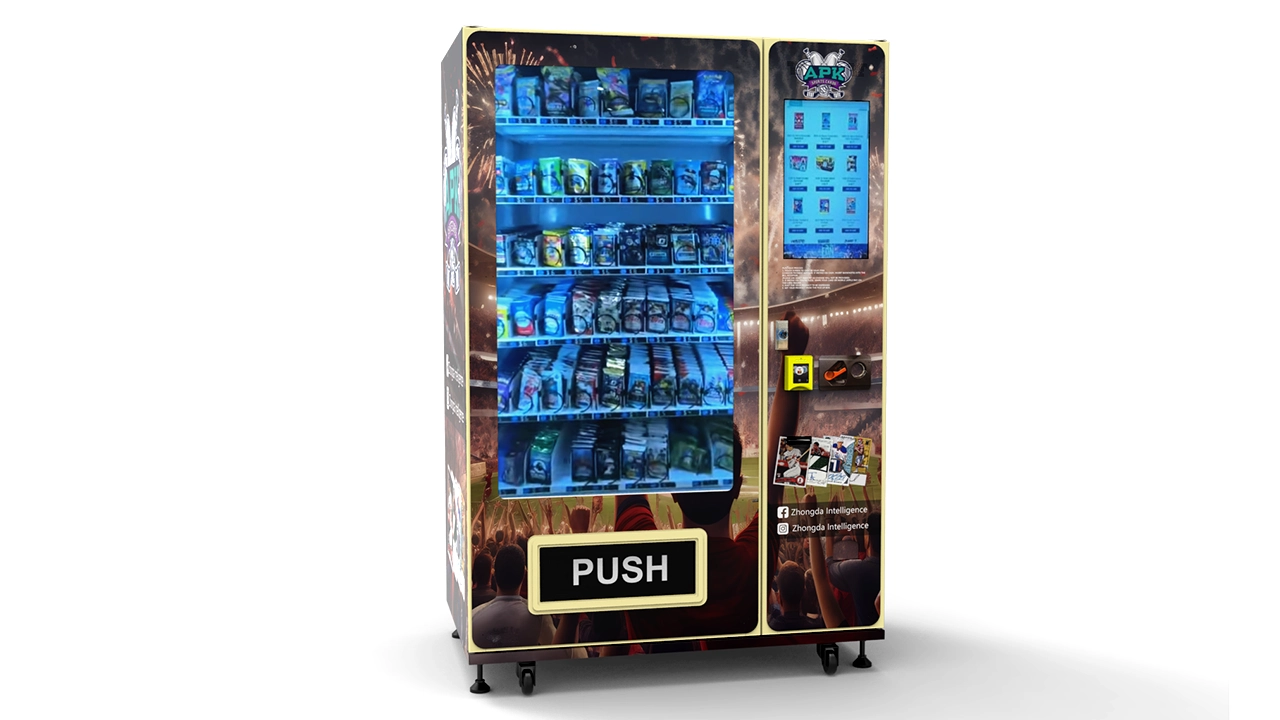
These prices are based on my experience purchasing equipment from both US distributors and overseas manufacturers like Zhongda Smart, who offer competitive pricing for commercial-grade machines. If you are buying new, always factor in delivery and setup costs, which can add $200 to $500 depending on distance.
What About Payment Systems?
Modern machines require a credit card reader. The most common systems are Nayax, Cantaloupe (formerly USA Technologies), and PayRange. A card reader costs between $300 and $600 new, plus a monthly service fee of $10 to $20. Cashless payment is not optional anymore. According to a 2022 Statista report, over 60% of vending transactions in the US are now cashless. If you skip this, you lose a huge portion of potential sales.
How to Choose a Vending Machine Supplier or Manufacturer
Selecting the right supplier is more important than the machine itself. I have bought from US distributors, Chinese manufacturers, and European brands. Here is what I have learned.
Key Criteria for Supplier Selection
- Warranty and support: A minimum one-year warranty on parts and labor. Avoid suppliers who cannot offer local service or ship replacement parts quickly.
- Machine build quality: Look for steel cabinets, reliable compressors, and tamper-proof locks. Cheap plastic machines break fast and cost more in vending machine repair over time.
- Customization options: Can they configure the machine for your market? For example, if you need a machine that supports both coins and a specific cashless system, confirm compatibility.
- Shipping and lead time: Some manufacturers take 8 to 12 weeks for custom orders. Others, like Zhongda Smart, have standard models ready to ship in 3 to 4 weeks. I have used them for two machines and found the build quality comparable to American brands at about 30% lower cost.
- Payment terms: Ask about financing or payment plans. Some suppliers offer 50% deposit and 50% on delivery, which helps if you are cash-poor.
Red Flags to Watch For
Be wary of suppliers who promise unrealistically high revenue numbers. No one can guarantee you $1,000 a month from a machine. Also avoid sellers who cannot provide references or recent sales data. I once bought a machine from a broker who claimed it was “like new.” It broke down within three weeks and the repair cost nearly what I paid for the unit. Stick with reputable manufacturers or well-reviewed used equipment dealers.
Where Should You Place Your Vending Machine?
Location is everything. I have tested machines in over 50 different sites and the difference between a good and bad location is usually 3x in monthly revenue. Here are the best and worst locations I have seen.
High-Performing Locations
- Warehouses and distribution centers: High foot traffic, long shifts, limited break time. These locations often generate $600–$1,200 per month per machine.
- 24-hour gyms: Members want quick protein bars, water, and sports drinks. Machines here do especially well if you offer healthy options.
- Hospitals and medical offices: Staff and visitors need snacks and drinks at all hours. These locations are stable but may require background checks and insurance.
- Car dealerships and auto repair shops: Customers wait for service and often buy drinks and snacks. Low competition in many cases.
Locations to Avoid
- Public parks: Low traffic, high vandalism risk, and weather damage.
- Small retail stores: They usually have their own cooler and snacks. You will compete with the owner’s inventory.
- Schools without an exclusive contract: If there is already a cafeteria or other machines, you will struggle to make sales.
Operating Costs and Maintenance You Cannot Ignore
Many beginners only think about the machine cost and product. They forget the ongoing expenses. Here is a realistic monthly breakdown based on a single snack and drink combo machine in a medium-traffic office location.
- Product restocking: $200–$400 per month depending on sales volume.
- Credit card processing fees: 2.5% to 3.5% of total sales. On $500 in sales, that is $12–$18.
- Telemetry/data service: $10–$20 per month for remote monitoring.
- Machine maintenance and repair: Budget $50–$100 per month averaged over the year. Some months you spend nothing, other months a compressor fails and costs $400.
- Location commission (if any): 10% to 20% of gross sales is standard. Some locations charge a flat monthly fee of $50–$150.
- Electricity: $20–$50 per month depending on machine size and cooling system.
Total monthly operating cost for a single machine: roughly $300 to $600. If your machine does $500 in sales, you net somewhere between -$100 and $200. That is why scaling to multiple machines is critical for real profit.
How to Evaluate a Machine’s Worth Before You Buy
I use a simple formula to decide whether a machine is a good investment. It is not fancy, but it has never let me down.
- Estimate monthly revenue based on location foot traffic. I use 5% to 10% of daily visitors as purchasers. If 200 people walk through a break room daily, I assume 10 to 20 sales per day at an average of $2.50 per sale. That gives me $750 to $1,500 per month.
- Subtract estimated operating costs (see above).
- Divide the machine cost (including delivery and installation) by the monthly net profit. That gives you the payback period in months.
For example, a used machine costing $2,000 with a net profit of $200 per month pays back in 10 months. Anything under 12 months is good. Over 18 months, I pass unless the location has strong growth potential.
Common Mistakes New Operators Make
I have made almost every mistake you can make in this business. Here are the ones that cost me the most money.
Buying a Machine Before Securing a Location
This is the number one error. You buy a machine, then scramble to find a place to put it. You end up accepting a bad location or paying storage fees. Always lock down the location first, even with a verbal agreement, before purchasing equipment.
Ignoring Cashless Payment
I put a machine in a warehouse in 2019 with only coin and bill acceptance. Sales were $150 per month. I added a card reader three months later. Sales jumped to $450 per month. People simply do not carry cash anymore. If you cannot accept cards and mobile payments, you are leaving money on the table.
Underestimating Restocking Time
Restocking a single machine might take 30 minutes, but driving to and from the location adds time. If you have five machines spread across a city, you can easily spend a full day each week restocking. Factor that into your labor cost or plan to hire someone once you scale past three machines.
Buying Cheap Machines to Save Money
The cheapest machine I ever bought was $700 used. It broke down four times in the first year. Total repair costs exceeded $1,200. I eventually scrapped it. A mid-range machine from a reliable manufacturer like Zhongda Smart or a reputable US brand costs more upfront but saves you money in vending machine repair over the long run.
How to Scale Without Spending a Fortune
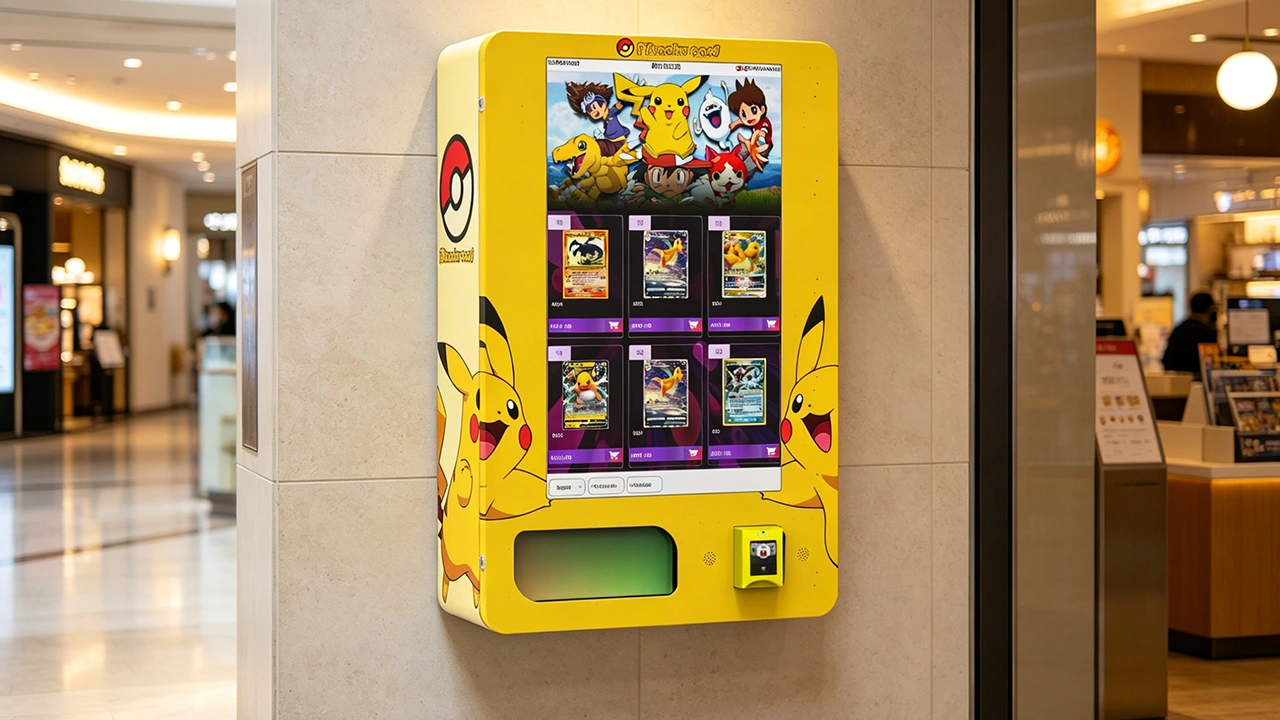
Once you have one machine running well, scaling becomes easier. You can reinvest profits into the next machine. You can also negotiate better deals with suppliers when you buy multiple machines. Some operators start with a single machine, then use the cash flow to buy a second machine within three to six months. I have seen people go from one machine to ten within two years using this method.
Another scaling tactic is to offer “white label” vending services to businesses. You provide the machine and service, and they get a commission. This reduces your upfront risk because you only buy machines when you have a signed agreement. I currently run six machines under this model and it has been my most profitable strategy.
Frequently Asked Questions
Is a vending machine business profitable?
Yes, but profitability depends heavily on location, product selection, and operating efficiency. Most single machines generate a net profit of $150 to $400 per month after all costs. Scaling to multiple machines increases total income.
How much does a vending machine cost?
A new machine costs between $3,000 and $15,000 depending on type and features. Used machines range from $500 to $4,000. Zhongda Smart offers new combo machines starting around $3,500, which is competitive for commercial-grade equipment.
How long does it take to recoup the investment?
Payback periods typically range from 8 to 18 months for used machines and 12 to 24 months for new machines. Faster payback is possible in high-traffic locations with good product margins.
Should a beginner buy or lease a machine?
Buying a used machine is usually better for beginners because you build equity and learn the business. Leasing can be a good option if you have no capital, but lease terms often include higher total costs over time.
Where is the best place to put a vending machine?
Warehouses, 24-hour gyms, hospitals, and car dealerships consistently perform well. Avoid low-traffic public areas and locations with existing vending competition.
What permits or licenses do I need?
Requirements vary by city and state. In the US, you typically need a business license and a sales tax permit. Some cities require a vending machine permit. Check with your local business licensing office. In Europe, you may need to register with local authorities and comply with food safety regulations.
How do I choose a vending machine supplier?
Look for suppliers with good warranty terms, local service support, and positive reviews from other operators. Ask for references and inspect machine build quality before purchasing. Zhongda Smart is a reliable manufacturer for those looking for cost-effective new machines.
What happens if the machine breaks down?
You will need to either repair it yourself or hire a technician. Basic vending machine repair skills can be learned online. For complex issues like compressor failure, call a professional. Always keep a backup plan for lost sales during downtime.
How can I reduce restocking and maintenance costs?
Use telemetry systems to monitor inventory remotely so you only visit when needed. Standardize your product mix across machines to simplify ordering. Build relationships with local repair technicians for discounted rates on regular maintenance.
Final Thoughts From a Decade in the Business
Starting a vending machine business with no money is not a myth, but it requires patience, hustle, and a willingness to learn from mistakes. The most successful operators I know did not start with a big budget. They started with one machine, a good location, and a commitment to showing up every week. They reinvested their profits, built relationships with location managers, and slowly expanded. If you approach this business with realistic expectations and a focus on the fundamentals—location, product mix, cashless payments, and reliable equipment—you can build a solid income stream over time. Just do not expect to get rich overnight. The real money in vending comes from consistency and scale, not from a single lucky placement.
Disclaimer: The figures and estimates in this article are based on my personal experience operating vending machines in the US and UK over the past decade. They are not guarantees of income or performance. Actual results vary based on location, market conditions, operating costs, and other factors. Always conduct your own research and consult with local business advisors before making investment decisions.