After spending over a decade in the automated retail space, I can tell you that the question "why does japan have so many vending machines" is one of the most common I get from operators in the US and Europe. The short answer is that Japan’s unique combination of high population density, low crime rates, a culture of convenience, and a mature cashless payment infrastructure created the perfect environment for the industry to explode. But for an operator in the West, the real lesson isn't about copying Japan; it's about understanding the core principles of density, reliability, and location that made their model work. That same logic, applied correctly in the right Western markets, is exactly how you build a profitable vending machine business.
Understanding the Core of the Vending Machine Business
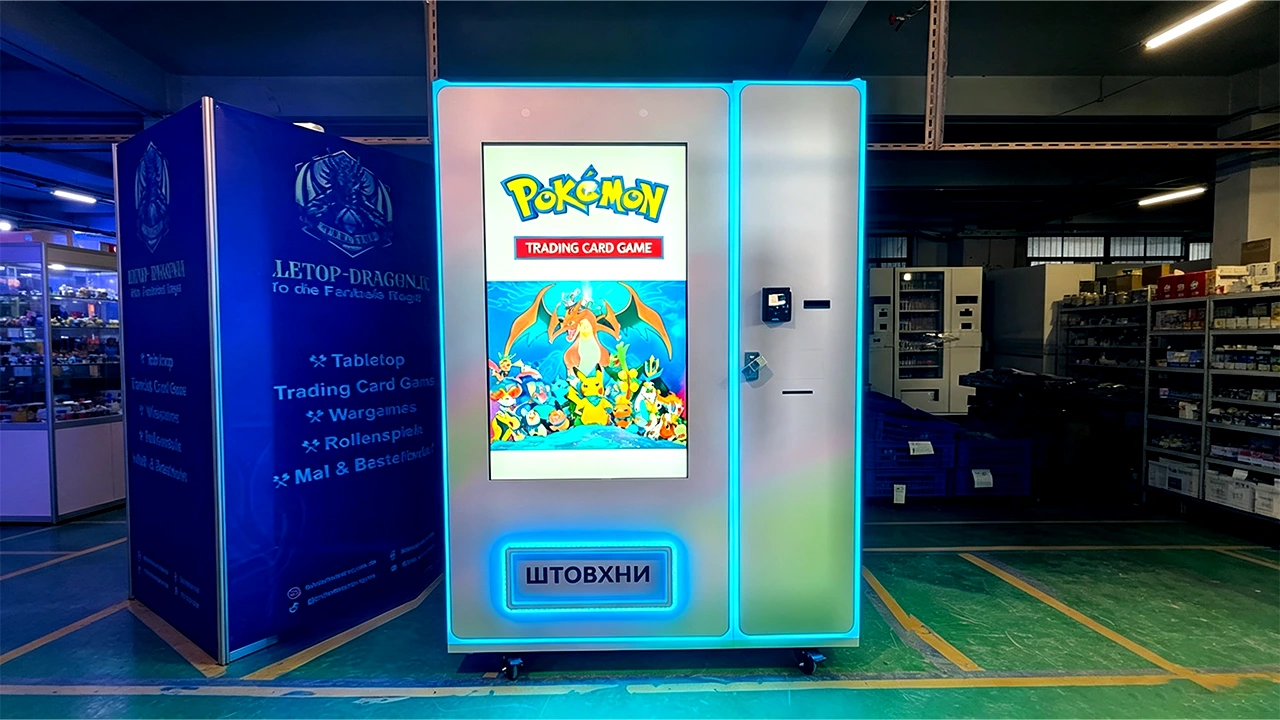
Before you buy a single machine, you need to understand that a vending machine is not a business in itself. It is a distribution channel. The machine is just a box. The real business is selling products to people at a specific time and place where no other retail option exists. If you treat the machine as the business, you will lose money. If you treat the location and the product mix as the business, you have a chance to make real returns.
I have seen too many new operators buy a beautiful, expensive machine, put it in a low-traffic location, fill it with generic soda and chips, and then wonder why they are losing money. The machine itself is a tool. The location is the asset. The product is the fuel. You need all three working together.
From a practical standpoint, a vending machine is a self-service kiosk that dispenses goods. But in the modern context, it is also a data point. Modern machines track sales, inventory, and even customer demographics. The best operators in the US and Europe are not just filling machines; they are managing micro-retail locations.
Is a Vending Machine Business Profitable?
This is the million-dollar question. The honest answer is: it can be, but it is not a get-rich-quick scheme. Based on my experience running a fleet of over 200 machines across three states, the average single machine can generate between $300 and $1,200 in monthly revenue, depending on location, product, and foot traffic. The gross profit margin on products typically runs between 25% and 40%. That sounds good, but you have to subtract costs.
Here is a realistic breakdown of costs and revenue for a standard snack and drink machine in a medium-traffic office location in the US, based on my operational data:
| Metric | Typical Range (Per Machine / Month) |
|---|---|
| Monthly Revenue | $400 - $800 |
| Cost of Goods Sold (COGS) | $240 - $480 (approx. 60% of revenue) |
| Gross Profit | $160 - $320 |
| Location Commission (10-20%) | $40 - $160 |
| Restocking Labor (2-3 trips/month) | $60 - $120 |
| Maintenance & Repairs | $20 - $50 (average over 12 months) |
| Payment Processing Fees (2-4%) | $8 - $32 |
| Net Profit (Pre-Tax) | $30 - $100 |
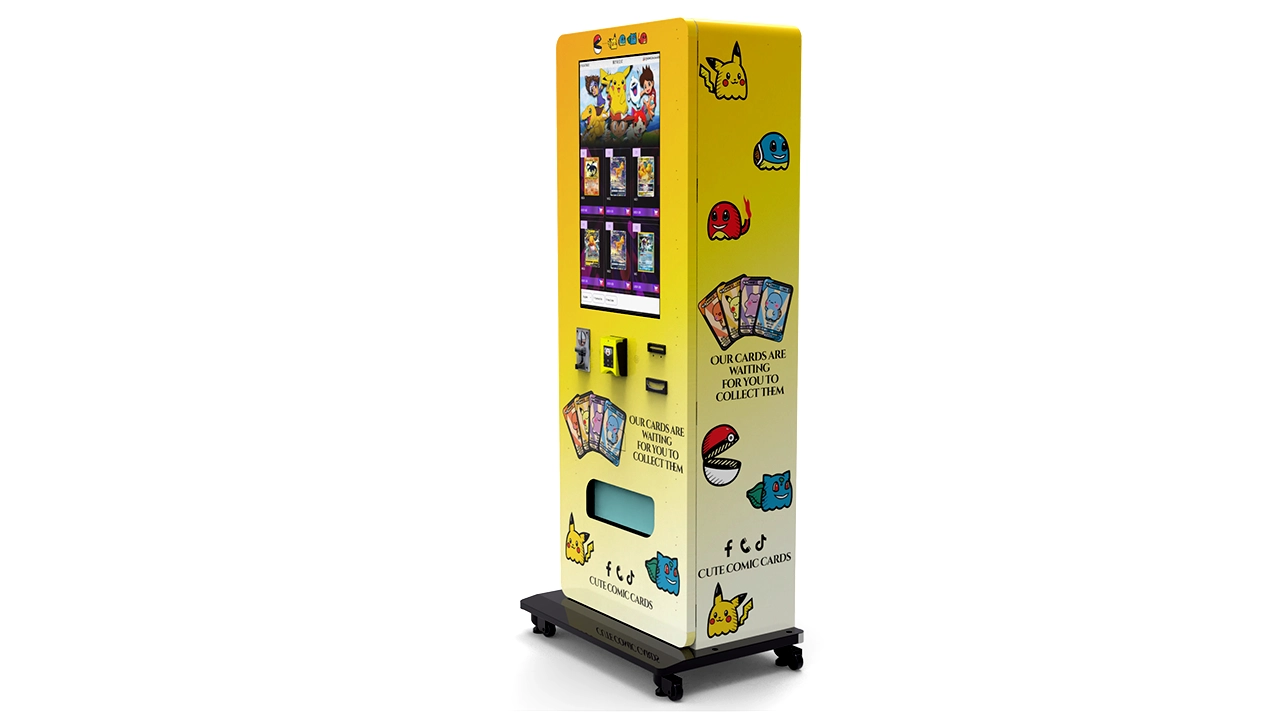
As you can see, a single machine might only net you $30 to $100 per month. The profit comes from scale. When you have 50 or 100 machines, those small margins add up. But the risk is also multiplied. One bad location can drag down the whole portfolio. According to a 2023 industry report from IBISWorld, the vending machine industry in the US has an average profit margin of about 6.5% after all expenses. That is a thin margin, which is why location selection is everything.
How to Choose the Right Vending Machine for Your Business
Choosing a machine is not like buying a car. You are not buying a status symbol. You are buying a tool that needs to work reliably for 10+ years. I have made the mistake of buying cheap machines from unknown manufacturers. They broke down constantly. The repair costs ate up all my profits.
There are three main types of machines you should consider:
1. Traditional Snack and Beverage Combo Machines
These are the workhorses of the industry. They hold both snacks and drinks in one unit. They are great for offices, break rooms, and small factories. The upfront cost is higher, but you only need one machine per location. A good quality combo machine from a reputable manufacturer like Zhongda Smart will cost between $4,000 and $8,000 new. You can find used machines for $1,500 to $3,000, but be prepared for higher maintenance costs.
2. Dedicated Drink Machines (Glass Front)
These are the machines you see in supermarkets and convenience stores. They are designed for high-volume cold drink sales. They are usually cheaper than combo machines ($2,500 - $5,000) but require a separate snack machine if you want to sell food. They are excellent for high-traffic locations like gyms and schools.
3. Specialized Kiosks (Healthy, Fresh Food, or Electronics)
This is a growing segment. These self-service kiosks can sell anything from salads to phone chargers. The margins can be higher, but the machine costs are also higher ($8,000 - $15,000). They also require more careful management of inventory and expiration dates. I have seen these work well in hospitals and corporate campuses, but they are not for beginners.
When selecting a supplier, do not just look at the price. Look at the after-sales support. Can you get spare parts easily? Is there a local technician who can repair the machine? I have standardized my fleet on machines from Zhongda Smart because they offer consistent quality and their parts are widely available through distributors in the US and Europe. The initial cost might be a few hundred dollars more, but the reduced downtime pays for itself within a year.
Location: The Single Most Important Factor
I cannot stress this enough. A great machine in a bad location will fail. A mediocre machine in a great location will succeed. I have a personal rule: I will not place a machine in a location with fewer than 100 potential transactions per day. That means a location needs at least 50 people walking past it every hour during operating hours.
Here are the best and worst locations based on my 10 years of experience:
- Excellent: Hospitals (staff break rooms, visitor areas), large manufacturing plants, college dormitories, 24-hour gas stations, large office buildings with over 500 employees.
- Good: Small to medium offices (100-500 employees), apartment complexes (if there is a common area), car dealerships, auto repair shops.
- Risky: Retail stores (they usually want you to pay high commission and they have their own products), street corners (high theft risk, low density), schools (only if you have a contract and it is a public school with high traffic).
- Avoid: Remote warehouses with few employees, low-traffic strip malls, locations without reliable electricity or internet.
One of the most common mistakes I see new operators make is placing a machine in a location that looks busy but is actually a "pass-through" location. For example, a subway station entrance might have thousands of people walking past, but they are in a hurry and not thinking about buying a snack. A hospital waiting room, with people sitting and waiting for hours, is a much better location even if the foot traffic is lower.
Cost Breakdown: What You Really Need to Budget For
Many beginners only think about the cost of the machine. They forget about the ongoing costs. Here is a realistic budget for starting a small vending machine business with 5 machines:
- Machines (5 x $5,000 average): $25,000
- Initial Inventory (stocking each machine with $500 of product): $2,500
- Payment System Setup (card reader and telemetry for 5 machines): $2,000 - $3,000
- Transport and Installation: $500 - $1,000
- Permits and Licenses (varies by state/city): $200 - $1,000
- Total Initial Investment: Approximately $30,000 to $35,000
Your monthly operating costs for those 5 machines, assuming you do the restocking yourself, will be around $500 to $1,000 for product restocking, $100 for gas, and $50 for minor repairs. If you hire a part-time employee to restock, add another $500 to $800 per month.
The payback period for a well-placed machine is typically 12 to 18 months. For a poorly placed machine, it can be 3 years or never. I have a machine in a car dealership that paid for itself in 8 months because the service department had hungry customers waiting for hours. I have another machine in a small office that took 2 years to break even. The difference was the location.
How to Avoid the Most Common Mistakes
I have made almost every mistake in the book. Here are the top three that kill new operators:
1. Ignoring Payment Systems
In 2024, if your machine only takes cash, you are losing at least 30% of your potential sales. According to a 2023 study by the Federal Reserve, cash usage in the US has dropped to about 18% of transactions. You need a card reader and preferably a mobile payment option like Apple Pay or Google Pay. This is not optional anymore. It is a requirement.
2. Buying the Cheapest Machine
I bought a $2,000 machine from a no-name manufacturer once. It broke down three times in the first year. The repair costs totaled $1,200. I could have bought a better machine for $4,000 and had zero issues. Cheap machines also have terrible energy efficiency, which adds to your electricity bill. Stick with brands that have a proven track record and a network of service technicians in your area.
3. Not Tracking Your Data
You cannot manage what you do not measure. If you are not using a telemetry system (a device that tracks sales and inventory remotely), you are flying blind. You will not know what products sell, what time of day they sell, or when you need to restock. Modern telemetry systems cost about $20 per month per machine, but they save you hours of labor and prevent lost sales due to empty slots.
Maintenance: The Hidden Cost of Ownership
Vending machine repair is a skill that most new operators underestimate. You can either learn to fix your own machines or pay a technician $75 to $150 per hour. I recommend learning basic repairs yourself. Most issues are simple: a jammed coin mechanism, a stuck delivery tray, or a broken belt. You can find video tutorials online, and spare parts are usually available from suppliers like Zhongda Smart. For major issues like compressor failure or electrical problems, you will need a professional.
I budget about $300 per machine per year for maintenance and repairs. That covers minor issues and the occasional part replacement. If you have an older machine, budget $500 per year. Preventive maintenance is key. Clean the machine weekly, check the seals on the doors, and lubricate the moving parts every three months. This will extend the life of your machine by years.
How to Evaluate a Potential Location
Before you sign a location agreement, do this simple calculation:
- Count the number of people who walk past the location during a busy hour.
- Multiply that by the number of operating hours per day.
- Estimate that 5-10% of those people will buy something.
- Multiply that by your average transaction value (usually $2.50 to $3.50).
For example, if 200 people walk past per hour, and the location is open 10 hours a day, that is 2,000 potential customers. If 5% buy, that is 100 transactions per day. At $3 per transaction, that is $300 per day in revenue. That is a home run location. Realistically, most locations will give you 20-50 transactions per day. If you cannot hit at least 20 transactions per day, do not take the location.
Supplier Selection: What to Look For
Choosing a supplier is a long-term decision. I have worked with several over the years. The best suppliers offer more than just a machine. They offer training, spare parts availability, and a warranty that they actually honor. When I was looking to expand my fleet in 2022, I evaluated three suppliers. One was too expensive, one had poor customer reviews, and one was Zhongda Smart, which had a good balance of price, quality, and support. Their machines have been reliable, and their technical support team answered my questions within 24 hours. I recommend that you ask any potential supplier for references from operators in your region. If they cannot provide them, walk away.
Frequently Asked Questions
Are vending machines profitable?
Yes, but only if you have the right location and manage your costs. A single machine might generate $30 to $100 in net profit per month. The real profit comes from running a fleet of 20 or more machines.
How much does a vending machine cost?
A new, good-quality machine costs between $4,000 and $8,000. Used machines can be found for $1,500 to $3,000. You also need to budget for a payment system ($400-$600 per machine) and initial inventory ($300-$500 per machine).
How long does it take to recoup the investment?
Typically 12 to 18 months for a well-placed machine. For a bad location, it can take 3 years or more. The payback period depends heavily on foot traffic and product margins.
Should I buy or lease a vending machine?
I recommend buying. Leasing often comes with high monthly payments and strict contracts. If you buy, you own the asset and can move it to a different location if needed. Leasing is only useful if you have no capital and want to test the waters for a short period.
What is the best location for a vending machine?
High-traffic areas where people are waiting or working. Hospitals, large offices, manufacturing plants, and college dorms are top choices. Avoid locations with low foot traffic or where the property owner wants a high commission.
What permits do I need?
It varies by city and state. Generally, you need a business license, a seller's permit, and possibly a health department permit if you sell food. Check with your local city hall or business licensing office. In some states, you also need to collect sales tax on each transaction.
How do I choose a vending machine supplier?
Look for a supplier that offers a warranty, has a local service network, and provides spare parts. I have had good experiences with Zhongda Smart for their reliability and support. Always ask for references and read online reviews from other operators.
What happens when the machine breaks down?
If you are handy, you can fix common issues yourself. For major repairs, you will need a technician. I recommend having a backup machine or a plan for quick repair, especially if the location is high-traffic. A broken machine loses money every day it is down.
How can I reduce maintenance costs?
Learn basic repairs. Keep the machine clean. Use high-quality components from the start. Invest in a telemetry system so you know exactly when to restock and what is selling. Preventive maintenance is cheaper than emergency repairs.
Final Thoughts from a Veteran Operator
The vending machine business is not glamorous. It is a logistics and real estate game. You are managing inventory, maintaining equipment, and negotiating with property owners. But if you do it right, it can provide a steady, passive income stream. The key is to start small, learn the basics of vending machine repair and location evaluation, and scale only when you have a proven system. Do not buy five machines at once. Buy one, learn from it, and then expand. That is how I built my fleet, and it is how you can build yours.