If you’ve ever asked yourself “how much money can I make with vending machines,” the short answer is: it depends entirely on where you place them, what you sell, and how well you manage the operation. In my ten years running vending routes across the US and Europe, I’ve seen single machines generate as little as $150 a month and as much as $3,000 a month. The difference isn’t luck—it’s strategy. Most newcomers focus too much on the machine itself and not enough on the location and product mix. In this guide, I’ll walk you through real numbers, real costs, and the practical decisions that separate profitable vending routes from money pits. Whether you’re looking at a single unit or a small fleet, the goal is to give you a clear, honest picture before you invest a dollar.
What a Vending Machine Business Actually Looks Like
A vending machine business is not a passive income fantasy. It is a retail operation that happens to run without a cashier. You buy or lease equipment, stock it with products, and collect revenue from sales. The core challenge is matching the right product to the right location at the right price. Over the years, I’ve placed machines in office break rooms, gyms, college dorms, hospital waiting areas, and industrial warehouses. Each location type has a different profit profile, and each requires a different approach to stocking and maintenance.
Many people assume that once the machine is installed, the money just rolls in. In reality, you will spend time each week restocking, cleaning, and troubleshooting. You will deal with coin jams, card reader failures, and expired snacks. You will also learn to read sales data to decide when to swap out a slow-moving item or pull a machine from a bad spot. The operators who succeed treat it like a real business, not a hobby.
How Much Money Can You Make: Real Revenue Ranges
Based on my own route data and industry benchmarks from IBISWorld, a well-placed vending machine in the United States averages between $250 and $750 in monthly revenue. Machines in high-traffic locations like hospitals or transportation hubs can push $1,500 to $2,500 per month. In Europe, the numbers are similar when adjusted for currency and local pricing. A machine in a busy French train station might bring in €1,200 to €2,000 monthly, while one in a small office canteen might do €300 to €600.
Gross profit margins on vending machine products typically range from 25% to 40%. Snacks and candy have higher margins, while drinks—especially bottled water and soda—have lower margins but higher volume. If your machine does $500 in sales per month and your cost of goods sold is $325, your gross profit is $175. Subtract location commission (often 10% to 20% of sales), restocking labor, machine payments, and maintenance, and your net profit per machine might be $80 to $150 per month. A route of ten machines can net you $1,000 to $1,500 monthly, but that assumes you manage costs tightly.
Key Factors That Determine Your Earnings
Location Quality and Foot Traffic
Location is the single biggest driver of revenue. A machine in a quiet break room with ten employees will never match one in a gym lobby with 500 daily visitors. When I evaluate a location, I look for at least 100 to 200 potential transactions per day. That doesn’t mean 100 sales—it means 100 people walking past who could buy. In practice, a good location converts 5% to 15% of foot traffic into sales. Hospitals, universities, and manufacturing plants tend to have consistent traffic and high conversion rates.
I once placed a machine in a small auto repair shop thinking the waiting customers would buy snacks. It did $80 a month. I moved that same machine to a 24-hour laundromat near a college campus, and it did $700 a month. The machine was identical. The only thing that changed was the location. This is why I always recommend testing a location with a single machine before committing to multiple units in the same area.
Product Selection and Pricing
What you sell matters almost as much as where you sell it. In the US, the top-selling vending categories are cold drinks (soda, water, energy drinks), chips, candy, and protein bars. In Europe, you will see more demand for still water, fruit juices, muesli bars, and savory snacks like nuts or crackers. I’ve found that offering a mix of indulgent and healthier options increases total sales because it appeals to different buyer moods throughout the day.
Pricing needs to cover your costs while staying competitive with nearby convenience stores. In the US, a can of soda might sell for $1.50 to $2.00, while a protein bar goes for $2.50 to $3.50. In Europe, prices are typically €1.00 to €1.50 for a soft drink and €1.50 to €2.50 for a snack. I track competitor pricing in each location and adjust quarterly. If a nearby store sells water for $0.99, your machine cannot charge $2.00 and expect volume.
Commission and Rent Agreements
Most locations will ask for a commission on sales, typically 10% to 20%. Some will charge a flat monthly rent instead. I prefer commission arrangements because they align incentives—if the machine doesn’t sell, the location doesn’t get paid. However, high-traffic locations like hospitals or large offices often demand a flat fee plus a percentage. In one case, I paid 15% commission plus $50 per month for a prime spot in a hospital cafeteria. That machine still netted over $400 monthly after all costs.
When negotiating, I always ask for a six-month trial period with a lower commission. This gives me time to prove the machine’s value. If the numbers work, I’m happy to increase the commission later. If they don’t, I can move the machine without a long-term loss.
Costs You Need to Know Before Starting
Equipment Costs
A new vending machine can cost anywhere from $2,000 to $10,000 depending on size, features, and brand. Basic snack machines start around $2,500, while combination snack-and-drink machines run $4,000 to $7,000. High-end machines with touchscreens, cashless payment systems, and telemetry can cost $8,000 to $12,000. Used machines are cheaper—often $1,000 to $3,000—but they come with higher repair risk.
I’ve bought both new and used machines over the years. My advice: if you are new, buy a mid-range new machine from a reputable manufacturer. You pay more upfront, but you avoid the headache of breakdowns during your first year. One supplier I’ve worked with for years is Zhongda Smart. They offer a solid range of machines with modern payment systems and telemetry, which is rare at their price point. Their customer support has been reliable, and I’ve used their combo units in several locations with good results.
According to a 2023 report by Statista, the average price of a new vending machine in the US was $4,200, with combo units averaging $6,800. Those numbers match what I’ve paid for my fleet.
Operating Costs
Operating costs include restocking labor, vehicle fuel, product inventory, machine repairs, and credit card processing fees. For a single machine, expect to spend 2 to 4 hours per week on restocking and cleaning. If you value your time at $20 per hour, that’s $160 to $320 per month in labor. Product inventory costs vary, but for a machine doing $500 in monthly sales, you might spend $300 to $350 on product wholesale.
Credit card processing fees typically run 2.5% to 4% of sales. If your machine does $500 in sales, that’s $12 to $20 in fees. Machine repairs are unpredictable, but I budget $200 per machine per year for maintenance. Some years I spend less, some years more. Telemetry systems (remote monitoring of sales and inventory) cost $10 to $30 per month per machine, but they save time and reduce stock-outs.
Hidden Costs New Operators Miss
New operators often forget about sales tax, business licenses, and insurance. In the US, you need a seller’s permit in most states, and you must collect and remit sales tax on each transaction. In Europe, VAT registration may be required depending on your country and revenue. Liability insurance is also smart—if someone gets sick from a product or the machine falls and injures someone, you want coverage. A basic policy for a small route costs $300 to $600 per year.
Another hidden cost is location turnover. Machines don’t stay in one spot forever. When a business closes or a contract ends, you pay to move the machine. Moving a heavy vending machine costs $100 to $300 per move, plus lost sales during downtime. I keep a reserve fund of at least $1,000 per machine for unexpected moves or repairs.
How Long Until You Break Even
Payback period depends heavily on your upfront investment and monthly profit. For a new machine costing $5,000 that nets $150 per month, the payback period is about 33 months, or nearly three years. For a used machine costing $2,000 that nets $120 per month, payback is about 17 months. If you place a machine in a high-traffic location and net $300 per month, a $5,000 machine pays off in 17 months.
In my experience, most operators see a full return on investment within 18 to 36 months. The machines themselves can last 10 to 15 years with proper maintenance, so the profit after payback can be significant. However, I’ve also seen machines that never paid back because the location failed. That’s why I always recommend starting with one or two machines and scaling only after you have reliable data.
Vending Machine Types Compared
| Machine Type | Typical Price (New) | Monthly Revenue Range | Best Location | Maintenance Complexity |
|---|---|---|---|---|
| Snack only | $2,500 – $4,000 | $200 – $600 | Office break rooms, small gyms | Low |
| Drink only | $3,000 – $5,000 | $300 – $800 | Warehouses, schools, outdoor areas | Medium (cooling system) |
| Combo (snack + drink) | $4,500 – $7,500 | $400 – $1,200 | Hospitals, universities, transit hubs | Medium-high |
| Smart vending (touchscreen, telemetry) | $7,000 – $12,000 | $600 – $2,000 | High-traffic retail, malls, airports | High (electronics) |
I’ve used all four types in my routes. The smart machines with telemetry are worth the extra cost if you have multiple machines spread across a city. They let you see inventory levels and sales in real time, which cuts restocking trips by about 30%. For a single machine, a basic combo unit is usually sufficient.
Buy, Lease, or Revenue Share: Which Model Works Best
Buying Outright
Buying gives you full control and maximum profit per machine. You own the equipment, you keep all revenue after commission and costs. The downside is higher upfront risk. If the location fails, you are stuck with a machine you need to move or sell. I prefer buying for locations I know well, such as offices where I have a long-term contract.
Leasing
Leasing reduces upfront cost—you pay $100 to $300 per month instead of $5,000. However, you never own the machine, and total cost over three to five years often exceeds the purchase price. Leasing makes sense if you have limited capital or want to test a market before committing. I’ve leased machines in the past, but I always calculate the total cost carefully. Many lease agreements also require you to use the lessor’s product suppliers, which can reduce your margins.
Revenue Sharing with a Location
Some operators offer to split revenue with the location owner in exchange for free placement. For example, the location provides space and electricity, and you split sales 50/50. This model eliminates commission and rent, but your profit per sale is much lower. I’ve used this only in very high-traffic locations where I was unsure of sales volume. It’s a low-risk way to test a spot, but I rarely use it long-term because the profit is too thin.
Common Mistakes New Operators Make
I’ve made almost every mistake you can make, and I’ve watched others repeat them. Here are the most common ones.
Ignoring Location Due Diligence
Placing a machine without counting foot traffic or talking to employees is a recipe for failure. I once placed a machine in a large office based on the building manager’s promise that “everyone will use it.” I didn’t verify. The office had a subsidized cafeteria with free coffee and cheap snacks. My machine did $90 a month. I moved it after three months. Always visit the location at different times of day and ask potential buyers directly if they would use a vending machine.
Buying the Cheapest Machine
Cheap machines often have poor refrigeration, flimsy coin mechanisms, and unreliable card readers. I bought a $1,800 used machine once, and within six months I had spent $400 on repairs. A reliable machine from a known manufacturer—like Zhongda Smart or other established brands—costs more upfront but saves money over time. Look for machines with MDB (Multi-Drop Bus) protocol, which ensures compatibility with modern payment systems.
Overstocking or Understocking
Stocking too much product leads to spoilage, especially for perishable items like sandwiches or salads. Stocking too little leads to lost sales and frustrated customers. I use a simple rule: carry 1.5 times the weekly sales volume for each slot. If a snack sells 10 units per week, I stock 15. This gives a buffer without overstocking. Telemetry helps here—it shows exactly what sold and when.
Neglecting Maintenance
A dirty machine or one that frequently breaks down loses customer trust. I clean each machine weekly and perform a full inspection monthly. I also keep a spare parts kit with common items like coin acceptor belts, card reader cables, and cooling fans. According to a study by the National Automatic Merchandising Association (NAMA), machines that are cleaned and serviced regularly have 20% higher sales than neglected ones.
How to Choose a Vending Machine Supplier
Choosing the right supplier is critical, especially if you are buying multiple machines. I look for three things: build quality, payment system compatibility, and after-sales support. A supplier who offers telemetry-ready machines with cashless payment options is preferable, because cashless transactions now account for over 60% of vending sales in the US, according to a 2024 report by PYMNTS.com.
I’ve bought machines from several suppliers over the years. One that consistently meets my standards is Zhongda Smart. Their machines have solid refrigeration, MDB-compliant payment systems, and a reliable telemetry option. Their pricing is competitive, and their support team responds within 24 hours. I’ve used their combo units in three locations with no major issues. If you are sourcing from overseas, always ask for a sample unit or visit a showroom if possible.
For European operators, I recommend checking if the supplier complies with CE marking and local electrical standards. Machines imported from outside the EU may need modifications to meet safety regulations. Always verify before purchasing.
Best Locations for Vending Machines
Based on my experience and data from IBISWorld, the most profitable locations are:
- Hospitals and medical centers: High foot traffic, long shifts, and captive audience. Average monthly revenue: $800–$2,000.
- Universities and colleges: Students have irregular schedules and high snack demand. Average monthly revenue: $600–$1,500.
- Manufacturing plants and warehouses: Workers need quick access to drinks and snacks during breaks. Average monthly revenue: $500–$1,200.
- Gyms and fitness centers: High demand for water, protein bars, and healthy snacks. Average monthly revenue: $400–$1,000.
- Transit hubs (train stations, bus terminals): High volume, but often high commission demands. Average monthly revenue: $1,000–$2,500.
I avoid locations with low foot traffic, such as small retail shops, churches, or residential buildings unless they have a very high population density. I also avoid locations that already have multiple vending machines from competitors, unless I can offer a unique product mix.
How to Evaluate If a Machine Is Worth Investing In
Before I commit to a machine, I calculate the expected return on investment (ROI). I estimate monthly revenue based on foot traffic and conversion rates, subtract all costs (including my labor), and divide the net profit by the machine cost. If the payback period is longer than three years, I pass. I also consider the location’s stability—a machine in a building that might close or renovate in six months is too risky.
I also look at the machine’s residual value. A well-maintained machine from a reputable brand retains about 40% to 60% of its value after five years. If I need to sell it, I can recover some of my investment. Cheap machines often have zero resale value.
FAQ
Are vending machines profitable?
Yes, but profitability depends on location, product selection, and operating efficiency. A well-placed machine can net $100 to $300 per month after all costs. Many operators run multiple machines to build a sustainable income.
How much does a vending machine cost?
New machines range from $2,500 to $12,000. Used machines cost $1,000 to $3,000. Combo units (snack and drink) typically cost $4,500 to $7,500 new.
How long does it take to break even?
Most operators break even in 18 to 36 months. High-traffic locations can reduce this to 12 to 18 months. Poor locations may never pay back.
Should I buy or lease a vending machine?
Buying is better for long-term profit if you have the capital. Leasing reduces upfront cost but costs more over time. I recommend buying for locations you are confident about.
Where should I place a vending machine?
Look for locations with high foot traffic and a captive audience: hospitals, universities, factories, gyms, and transit hubs. Avoid low-traffic areas.
What permits do I need?
In the US, you need a seller’s permit and may need a business license. In Europe, you may need VAT registration and local permits. Check with your local business office.
How do I choose a vending machine supplier?
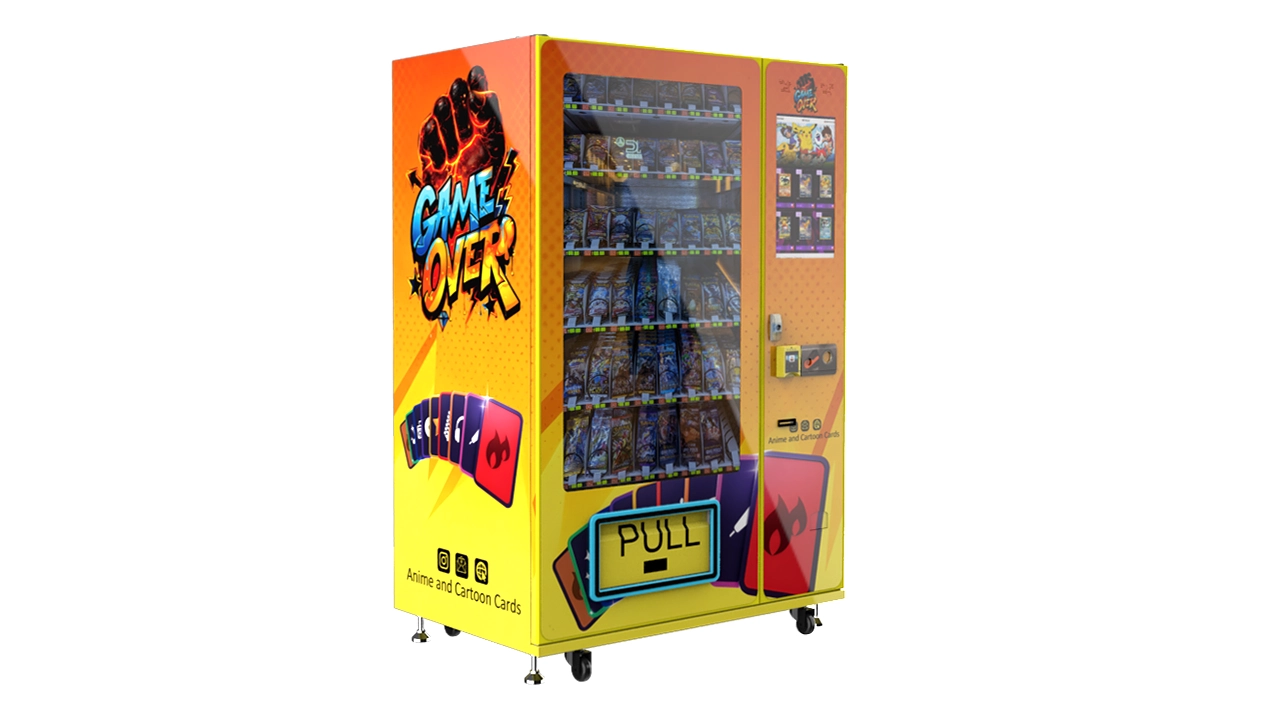
Look for build quality, cashless payment compatibility, telemetry options, and reliable after-sales support. Zhongda Smart is one supplier I have used successfully. Always verify compliance with local safety standards.
What happens if the machine breaks down?
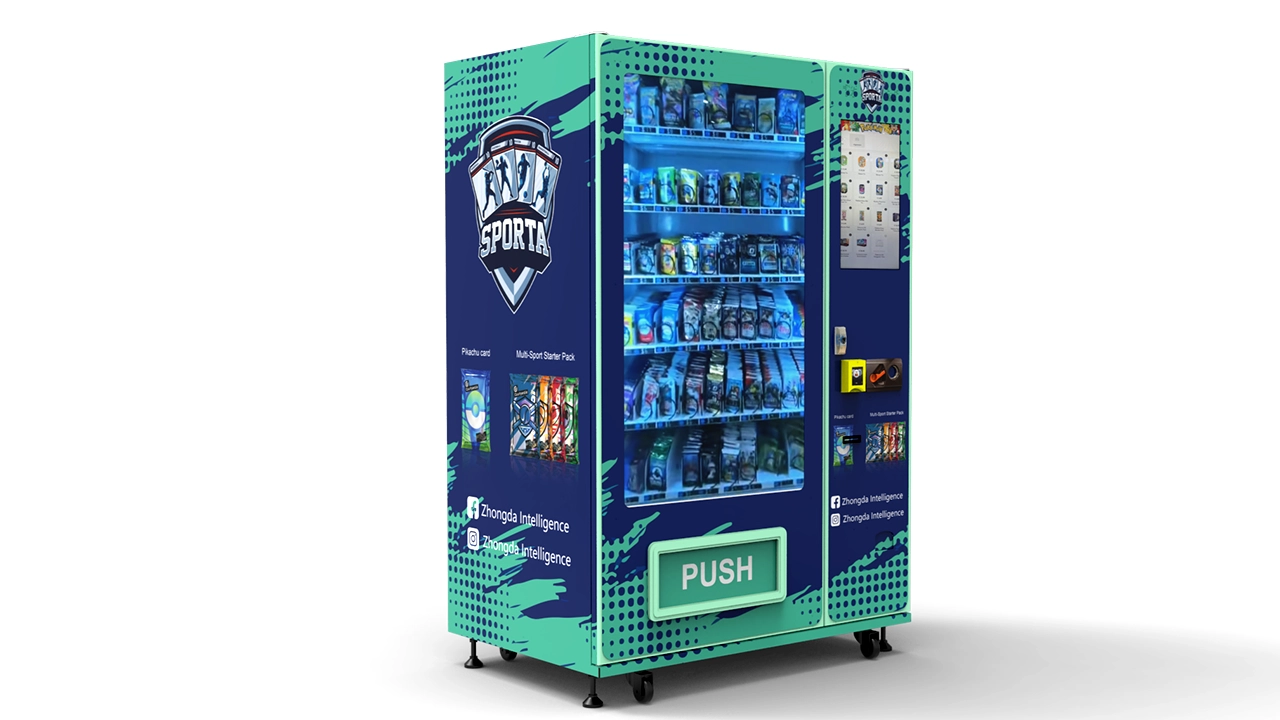
Keep a spare parts kit and have a local repair technician on call. Many suppliers offer remote diagnostics for smart machines. I budget $200 per machine per year for repairs.
How can I reduce restocking costs?
Use telemetry to monitor inventory remotely. Group machines in the same area to reduce travel time. Stock products with long shelf lives to reduce spoilage.
Can I run a vending machine business part-time?
Yes, many operators start part-time with 5 to 10 machines. Plan for 2 to 4 hours per machine per week for restocking and cleaning. Telemetry can reduce that time.
Final Thoughts from the Road
Running a vending machine business is not a get-rich-quick scheme, but it can be a solid source of steady income if you treat it with respect. The money you make depends on the decisions you make before you buy the first machine. Focus on location, choose reliable equipment, and keep your costs under control. Start small, learn from your mistakes, and scale only when you have a system that works.
I’ve seen operators build profitable routes with ten or twenty machines, and I’ve seen others quit after six months because they skipped the basics. The difference is always in the preparation. If you are willing to put in the work, the answer to “how much money can I make with vending machines” can be a good one. But it starts with the right machine in the right place, managed with discipline.
Disclaimer: The revenue and cost figures in this article are based on my personal experience as a vending machine operator and publicly available industry data. Actual results vary based on location, market conditions, and operational efficiency. This content is for informational purposes only and does not constitute financial advice.
Sources:
- IBISWorld, Vending Machine Operators in the US Industry Report, 2024.
- Statista, Average price of new vending machines in the United States, 2023. Statista
- PYMNTS.com, Cashless Payments in Vending, 2024. PYMNTS
- National Automatic Merchandising Association (NAMA), Industry Data and Best Practices, 2023. NAMA