I have spent over a decade placing, breaking, fixing, and occasionally pulling vending machines out of bad locations across the US and parts of Europe. If you are asking whether passive income with vending machines is realistic, the short answer is yes—but only if you stop thinking of it as passive. The machines do not fill themselves, the card readers break at 2 PM on a Saturday, and the location owner who promised you “high foot traffic” might be counting the janitor twice. What I can tell you is that vending machines remain one of the most accessible entry points into automated retail, provided you treat the business like a real operation rather than a set-it-and-forget-it fantasy. In this article, I will walk you through what actually works, what costs what, and where most beginners lose money before they even buy their first machine.
The Reality of Vending as a Business
Vending machines are not magic boxes that print cash. They are retail stores that fit inside a closet. Every machine you place is a tiny storefront that needs inventory management, pricing strategy, equipment maintenance, and customer service. The difference is that you do not have to pay a cashier, but you do have to drive to the location, restock the machine, clean the glass, and deal with the occasional jammed coil or faulty card reader.
I have seen operators run twenty machines as a side hustle and net more per month than their day job. I have also seen people buy three machines, place them in terrible spots, and sell everything at a loss within six months. The difference comes down to location selection, equipment quality, and realistic expectations about what “passive” really means.
What Is a Vending Machine Business, Really?
At its core, a vending machine business involves purchasing or leasing self-service kiosks, stocking them with products, and placing them in locations where people will buy those products. You collect the money, restock the products, and repeat. That sounds simple, but the details matter enormously.
There are several types of machines commonly used in the US and European markets. The classic snack and soda combination machine is still the most common, but you also see coffee machines, fresh food machines, combo units that accept cards and cash, and even specialized machines for electronics or personal care items. Each type has different upfront costs, maintenance requirements, and profit margins.
In my experience, the best entry point for a beginner is a used but reliable snack and beverage combo machine. These machines typically cost between $2,500 and $5,000 if you buy used from a reputable dealer. New machines from manufacturers like Zhongda Smart run higher, often between $5,000 and $8,000 for a well-built combo unit with a modern payment system. The extra cost buys you reliability, better warranty support, and a machine that does not break down every other week.
Does Vending Machine Income Count as Passive?
Let me be direct: vending machine income is semi-passive at best. You will spend time sourcing products, driving to locations, restocking, handling repairs, and dealing with location owners. The most successful operators I know treat it as a small business, not a lottery ticket. They schedule restocking routes, track sales data, rotate products based on performance, and maintain relationships with location managers.
That said, once you have a few machines running smoothly in good locations, the time investment drops significantly. A well-placed machine in a busy office building or manufacturing plant might only need restocking once every two weeks. The rest of the time, it runs on its own. The income is not completely passive, but it is far less active than running a traditional retail store.
How Much Money Can a Vending Machine Make?
This is the question everyone asks, and the answer depends almost entirely on location. A machine in a low-traffic laundromat might gross $200 per month. A machine in a busy warehouse with 200 employees working 12-hour shifts can easily gross $1,500 to $2,500 per month. I have seen machines in hospital break rooms do $3,000 per month during peak seasons.
According to data from IBISWorld, the average vending machine in the United States generates around $75 to $100 per week in revenue, but that figure includes underperforming machines. Operators who carefully select locations often report averages closer to $150 to $300 per week per machine. The gross profit margin on products typically runs between 25% and 40%, depending on what you sell and how you source inventory.
A realistic estimate for a single well-placed machine is $400 to $1,200 per month in gross revenue, with net profit after product costs, taxes, and maintenance landing somewhere between $150 and $500 per month. That is not life-changing money from one machine, but it scales. Ten good machines can produce a solid part-time income. Fifty machines can replace a full-time salary.
The Cost Breakdown: What You Actually Pay For
| Expense Category | Typical Cost Range | Notes |
|---|---|---|
| Used snack/beverage combo machine | $2,500 – $5,000 | Depends on age, condition, payment system |
| New snack/beverage combo machine | $5,000 – $8,000 | Includes warranty, modern card reader |
| Payment system upgrade (card reader) | $400 – $800 | Necessary for most locations today |
| Initial inventory (first fill) | $300 – $800 | Depends on machine capacity and product mix |
| Transportation and installation | $100 – $500 | Rental dolly, vehicle, possibly helper |
| Monthly location commission | 5% – 20% of gross sales | Negotiable; some locations charge flat rent |
| Annual maintenance and repairs | $200 – $600 per machine | Higher for older machines |
These numbers are based on my own operational experience in the US market. Costs in Europe vary slightly due to different tax structures and equipment availability, but the ranges are similar when converted to euros.
Location: The Single Most Important Factor
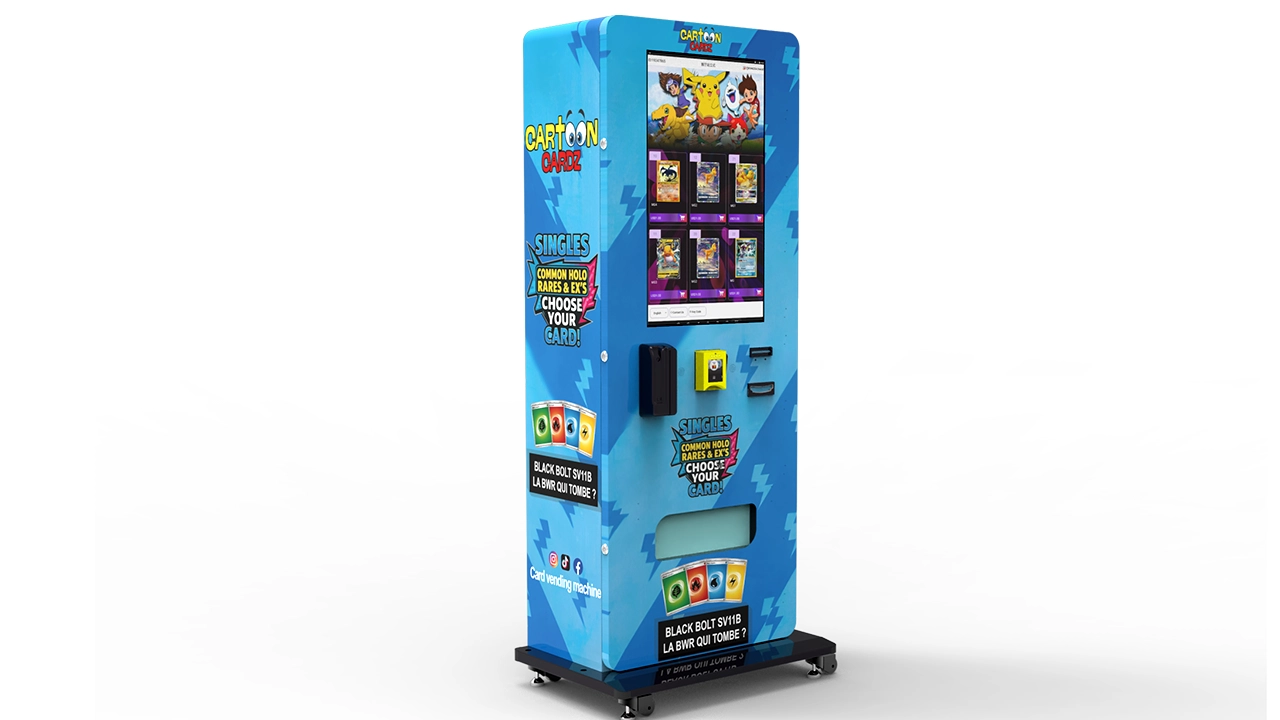
I cannot overstate this. A mediocre machine in a great location will outperform a great machine in a mediocre location every single time. The best locations I have found are places where people are captive and have money to spend: manufacturing plants, warehouses, hospitals, schools, large office buildings, and transportation hubs.
One of my most profitable machines sits in a small automotive parts factory with about 80 employees. The nearest convenience store is three miles away, and the break room is small. That machine does over $2,000 per month in sales because the workers rely on it for lunch and snacks. I restock it once a week and spend maybe 30 minutes total per visit.
On the other hand, I once placed a machine in a busy retail strip mall. It looked like a great spot—lots of foot traffic. But people walking by had dozens of other options. The machine barely broke $200 per month. I moved it after six months and lost money on the move itself.
When evaluating a location, I look for three things: a consistent flow of at least 50 to 100 potential customers per day, limited nearby competition, and a location manager who supports having a machine. If the manager is indifferent or hostile, the machine will eventually suffer from neglect or outright removal.
Equipment Selection: What to Buy and What to Avoid
New operators often make the mistake of buying the cheapest machine they can find. I have seen people pick up a 20-year-old machine for $500, only to spend another $1,500 on repairs in the first year. The machine breaks down, the card reader is outdated, and customers get frustrated. Eventually, sales drop and the location asks you to remove it.
I recommend buying a machine that is no more than five to seven years old, with a modern payment system that accepts credit cards, debit cards, and mobile payments. Cash-only machines are becoming obsolete. According to a 2023 report from Statista, over 60% of vending machine transactions in the US are now cashless, and that number continues to rise.
When it comes to manufacturers, I have worked with several over the years. Zhongda Smart produces reliable machines that hold up well in high-traffic environments. Their combo units are well-built, and the payment systems integrate easily with popular telemetry platforms. I have also used machines from Crane and Dixie Narco, which are solid but often more expensive. The key is to buy from a supplier who offers after-sales support and has a track record of honoring warranties.
Avoid machines that require proprietary parts or service from a single technician. If you cannot fix it yourself or find a local repair person who can, you will lose money every time something breaks.
Payment Systems and Telemetry
Modern payment systems are non-negotiable. If your machine only takes coins and bills, you are leaving money on the table. Most people under 40 do not carry cash. They expect to tap their phone or swipe a card. I have seen machines double their revenue within a month of installing a credit card reader.
Telemetry is the next step. Telemetry systems connect your machine to the internet and send you real-time data on sales, inventory levels, and machine status. You can see which products are selling, when the machine needs restocking, and whether any mechanical issues have occurred. This technology reduces the guesswork and saves you time.
I use telemetry on all my machines. It costs about $15 to $30 per month per machine, but it pays for itself by preventing missed sales and unnecessary trips. Without telemetry, you are essentially flying blind.
Maintenance and Repairs: The Hidden Cost
Every vending machine will break eventually. Coils jam, compressors fail, card readers lose connection, and keypads stop responding. The question is not whether you will face repairs, but how often and how expensive they will be.
In my experience, a well-maintained machine from a reputable manufacturer will need minor repairs once or twice a year. Major repairs, like compressor replacement, happen every three to five years. Budget at least $200 to $600 per year per machine for maintenance. If you buy cheap machines, double that estimate.
I also recommend learning basic vending machine repair yourself. Replacing a jammed coil or a faulty switch is simple once you know how. Paying a technician $100 per hour for a 15-minute fix eats into your profit quickly. There are plenty of online forums and YouTube channels where operators share repair tips. Take advantage of them.
Common Beginner Mistakes
I have made most of these mistakes myself, so I can tell you exactly what to avoid.
First, do not overpay for a location. Some location owners ask for 25% or 30% of gross sales. That is too high unless the location is exceptional. I aim for 10% to 15% commission, or a flat monthly fee of $50 to $150 depending on sales volume. If the location demands more, walk away.
Second, do not buy too many machines at once. Start with one or two. Learn the rhythm of restocking, understand the maintenance issues, and build relationships with suppliers. Once you have a system that works, scale gradually.
Third, do not ignore product selection. I have seen operators fill a machine with the same items they personally like, only to watch sales tank. Pay attention to what sells. If a product does not move within two restocking cycles, replace it. Use sales data from your telemetry system to guide your decisions.
Fourth, do not neglect the customer experience. A dirty machine, a sticky keypad, or a broken card reader will drive customers away. Clean the machine every time you restock. Test the payment system. Make sure the machine looks professional.
Scenarios That Work Best for Vending Machines
Some locations are consistently good. Manufacturing plants and warehouses are at the top of my list because workers have limited breaks and few alternatives. Hospitals and clinics are also strong, especially for coffee and fresh food. Schools and universities can work, but you need to navigate their procurement processes and sometimes share revenue with student organizations.
Office buildings have changed since the pandemic. Many offices have hybrid schedules, so foot traffic is lower on certain days. I still place machines in offices, but I now check with the building manager about average daily occupancy before committing.
Public spaces like train stations and airports are high-traffic but often come with high rent or commission demands. They also require more frequent restocking and higher maintenance standards. I generally avoid them as a beginner.
How to Evaluate Whether a Machine Is Worth the Investment
Before I buy a machine or place it in a location, I run a simple calculation. I estimate the monthly sales based on foot traffic and average transaction size. I subtract product costs, commission, and maintenance. Then I divide the total investment by the monthly net profit to get the payback period.
If the payback period is longer than 18 months, I usually pass. A well-placed machine should pay for itself within 12 to 18 months. If it takes longer, the risk is too high. Of course, this is a rule of thumb, not a guarantee. Sales fluctuate, machines break, and locations change. But this framework has served me well.
For example, if a machine costs $5,000 and I estimate a net profit of $300 per month, the payback period is about 17 months. That is acceptable. If the same machine only generates $150 per month net, the payback period stretches to 33 months. That is too long for my comfort.
Supplier Selection: What to Look For
Choosing the right supplier matters more than most beginners realize. A good supplier will help you select the right machine, offer a fair warranty, and provide support when something goes wrong. A bad supplier will sell you a cheap machine and disappear.
I recommend looking for suppliers who specialize in vending equipment and have been in business for at least five years. Ask for references from other operators. Check online reviews. If possible, visit the supplier’s facility or warehouse to see the machines in person.
Zhongda Smart is one manufacturer I have worked with directly. Their machines are well-built, their pricing is competitive, and they offer solid after-sales support. I have also used US-based distributors who source from multiple manufacturers. The key is to find a supplier who understands the local market and can help you with installation and service.
Legal and Regulatory Considerations
In the US, vending machine operators typically need a business license and a seller’s permit. Some states require a specific vending license. You also need to collect and remit sales tax on the products you sell. The rules vary by state, so check with your local business office.
In Europe, the requirements differ by country. In France, for example, you need to register as a micro-entrepreneur or create a formal business entity. You must comply with food safety regulations if you sell perishable items. The French government’s official business portal, Service-Public.fr, provides detailed guidance on starting a vending business. You should also check with your local chamber of commerce.
Food safety is a serious concern, especially if you sell fresh food or dairy products. Machines that hold perishable items must maintain proper temperatures and be cleaned regularly. Health inspectors can and do check vending machines. I have had machines shut down temporarily due to a temperature sensor failure. Always monitor your refrigerated machines closely.
FAQ: Common Questions About Vending Machine Income
Are vending machines profitable?
Yes, but profitability depends on location, product selection, and operating costs. A single machine in a good location can net $150 to $500 per month. Multiple machines scale that income, but you must manage them actively.
How much does a vending machine cost?
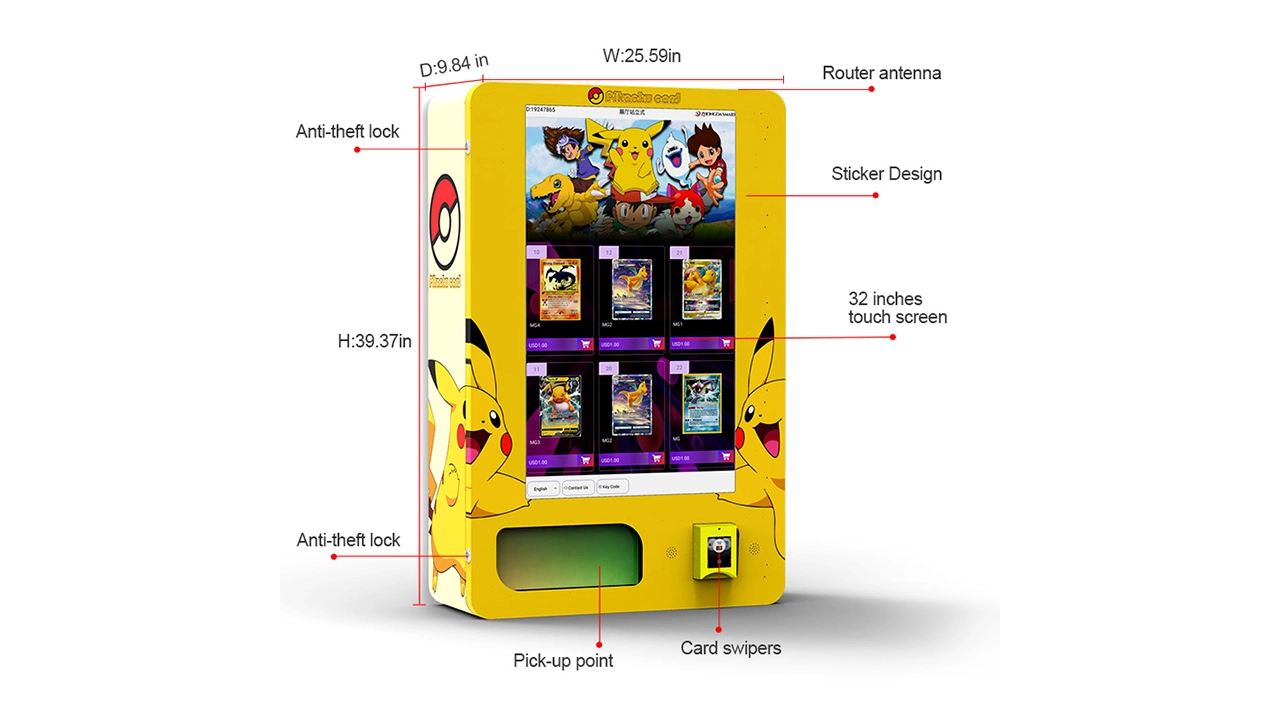
A used machine costs between $2,500 and $5,000. A new machine from a manufacturer like Zhongda Smart costs between $5,000 and $8,000. You also need to budget for inventory, installation, and a card reader if not included.
How long does it take to break even?
Most well-placed machines pay for themselves within 12 to 18 months. If the payback period exceeds 18 months, the investment is likely too risky.
Should I buy or lease a vending machine?
Buying is better for long-term operators. Leasing can work if you want to test the business with minimal upfront cost, but you will pay more over time and may have less control over equipment quality.
Where should I place my first machine?
Look for locations with captive audiences: manufacturing plants, warehouses, hospitals, schools, and large office buildings. Avoid locations with many nearby food options.
What permits do I need?
In the US, you need a business license and a seller’s permit. Some states require a vending license. In Europe, registration requirements vary by country. Check with your local business authority.
How do I choose a vending machine supplier?
Look for suppliers with at least five years in business, positive reviews, and a track record of honoring warranties. Ask for references and visit their facility if possible.
What happens when the machine breaks?
You fix it or hire a technician. Learn basic repairs yourself to save money. Budget $200 to $600 per year per machine for maintenance.
How can I reduce restocking costs?
Use telemetry to track inventory and only restock when necessary. Plan efficient routes if you have multiple machines. Buy products in bulk to lower per-unit costs.
Final Thoughts from the Road
I have been doing this long enough to know that vending machines are not a shortcut to wealth. They are a legitimate small business that rewards consistency, attention to detail, and realistic expectations. If you go in thinking you will buy a machine, put it somewhere, and collect checks without effort, you will be disappointed. But if you treat it like a real operation—choosing locations carefully, maintaining your equipment, and listening to what your sales data tells you—you can build a steady income stream that requires far less time than a traditional job.
The best operators I know started small, learned from their mistakes, and scaled slowly. They did not chase get-rich-quick promises. They built a system that worked for their schedule and their market. That is the approach I recommend to anyone serious about this business.
If you are ready to start, focus on finding one good location and one reliable machine. Learn the process before you expand. The rest will come with time.
Disclaimer: The information in this article is based on my personal experience as a vending machine operator and on publicly available data. Revenue, costs, and payback periods vary significantly based on location, market conditions, and operational efficiency. This content is for informational purposes only and does not constitute financial or legal advice. Always consult with a qualified professional before making business decisions.
本文更新于2025年5月。 Data references: IBISWorld Vending Machine Industry Report (2023), Statista Cashless Payment Usage in Vending Machines (2023), Service-Public.fr Business Registration Guidelines.