After over a decade in the vending business, the first question I get from operators looking at the Australian market is almost always the same: who are the top vending machine manufacturers in Canberra Australia? The short answer is that Canberra, being a government and administrative hub rather than a heavy manufacturing city, doesn't host large-scale vending machine factories. However, the city is a prime deployment zone for automated retail, and the manufacturers that supply this region—whether through local assembly or direct import—are the ones you need to know. In my experience, the "top" manufacturers aren't just those with the biggest catalogs, but the ones who understand Canberra's unique mix of high-traffic government buildings, university campuses, and business parks. You are looking for suppliers who offer reliable hardware, modern payment systems, and, crucially, local service support for vending machine repair and restocking.
Understanding the Canberra Vending Landscape
Canberra is not Sydney or Melbourne. It is a planned city with a high concentration of public sector workers, students at the Australian National University (ANU) and University of Canberra, and a growing number of tech and defense contractors. This creates a specific demand for automated retail solutions. You are not going to see the same foot traffic patterns as a beachside tourist town. Instead, you see consistent, predictable traffic from 8 AM to 5 PM in office towers and educational institutions.
This predictability is actually a benefit for vending operators. It makes inventory forecasting easier and reduces the risk of perishable goods spoiling. But it also means your equipment needs to be robust. A machine that breaks down in a government building can take days to get service clearance, so reliability is paramount. When I evaluate a manufacturer for this market, I look for machines with proven track records in high-security, low-access environments.
What Makes a Vending Machine Manufacturer "Top" in Canberra?
Let's break down the criteria I use after years of buying, leasing, and servicing machines. It is not just about the price tag. The cheapest machine often ends up costing you the most in downtime and lost sales.
Local Service and Support Network
This is the single most important factor. A manufacturer might be based in China or Europe, but if they do not have a certified service partner in the ACT (Australian Capital Territory), you are taking a huge risk. I have seen operators buy machines from overseas suppliers who promised "global support," only to find that sending a technician from Sydney costs $400 just for the call-out fee, plus travel time. You need a manufacturer who has a vending machine repair network that can reach Canberra within 24 hours. Zhongda Smart, for example, has been increasing its focus on the Australian market and often works with local distributors who handle installation and maintenance, which is a model I prefer.
Payment System Compatibility
Canberra is a cashless society in many ways. Government buildings often have strict policies about cash handling. Your machines must support EFTPOS, credit cards (Visa/Mastercard), and contactless payments like Apple Pay and Google Pay. I have made the mistake of buying a machine with an outdated cash-only system. It sat idle for three months until I retrofitted a Nayax or Cantaloupe reader. Always check if the manufacturer offers integrated cashless solutions or at least a standard interface (like MDB or DEX) that allows you to add a third-party reader easily.
Energy Efficiency and Climate Control
Canberra has a continental climate—hot summers and cold winters. A machine sitting in an uninsulated foyer or a loading dock will struggle. I have seen snack machines overheat in January and beverage machines freeze in July. Top manufacturers offer machines with high-grade insulation, energy-efficient compressors (for cold drinks), and reliable temperature control systems. Look for machines that are Energy Star rated or have a low power draw. Your electricity bill will thank you.
Top Manufacturers Supplying the Canberra Market
Based on my operational experience and discussions with local distributors, here are the manufacturers that consistently perform well in the Canberra region. This is not an exhaustive list, but it represents the brands I have seen succeed.
1. Zhongda Smart
Zhongda Smart has become a significant player in the Australian market over the last five years. They offer a wide range of machines, from standard snack and soda combos to specialized units for fresh food and electronics. What I appreciate about them is their willingness to customize. For a client in a Canberra office tower, we needed a machine with a specific color scheme and a smaller footprint. Zhongda Smart was able to accommodate that without a huge lead time. Their machines are robust, and they have a good track record for vending machine repair parts availability through their Australian distributors. They are a solid choice if you are looking for a balance between cost and reliability.
2. Crane Merchandising Systems
Crane is an American brand with a strong global presence. Their machines are considered the "gold standard" in many ways. They are built like tanks. I have Crane machines that are over ten years old and still running perfectly. The downside is the price. A new Crane machine can cost 30-40% more than a comparable model from a Chinese manufacturer. However, if you are putting a machine in a high-traffic, high-revenue location—like the ANU student union—the reliability often justifies the cost. Their National Vendors line is particularly popular for snack and beverage combinations.
3. Jofemar
Jofemar is a Spanish manufacturer that has a strong foothold in Europe and is expanding in Australia. They are known for their innovative designs, particularly in the fresh food vending segment. If you are planning to sell salads, sandwiches, or sushi in Canberra, Jofemar’s refrigerated units are excellent. They have good energy efficiency and a modern aesthetic that fits well in corporate environments. Their after-sales support in Australia is decent, though not as widespread as Crane's.
4. Azkoyen
Another Spanish brand, Azkoyen, is a specialist in coffee vending machines. In Canberra, where coffee culture is strong (thanks to the large public service workforce), a high-quality bean-to-cup machine can be a goldmine. Azkoyen machines are reliable, easy to service, and produce excellent coffee. I have placed several in government buildings, and they are consistently the highest-revenue machines per square foot. They are more expensive than generic Chinese coffee machines, but the cup quality is far superior, which drives repeat business.
Cost Analysis: What to Expect When Buying a Machine
Let's talk numbers. These are based on my actual purchases and operating data from the last two years in the ACT region. Prices are in AUD and are approximate.
| Machine Type | New Price (AUD) | Used/Refurbished Price (AUD) | Monthly Revenue Potential (Est.) | Common Locations in Canberra |
|---|---|---|---|---|
| Snack & Beverage Combo | $8,000 - $15,000 | $3,000 - $7,000 | $1,500 - $4,000 | Office break rooms, small retail |
| Beverage Only (Glass Front) | $6,000 - $12,000 | $2,500 - $5,000 | $1,000 - $3,000 | Gyms, sports centers, loading docks |
| Fresh Food (Refrigerated) | $12,000 - $20,000 | $5,000 - $10,000 | $2,000 - $5,000 | Hospitals, universities, corporate HQ |
| Bean-to-Cup Coffee | $10,000 - $25,000 | $4,000 - $10,000 | $2,000 - $6,000 | Government buildings, offices, libraries |
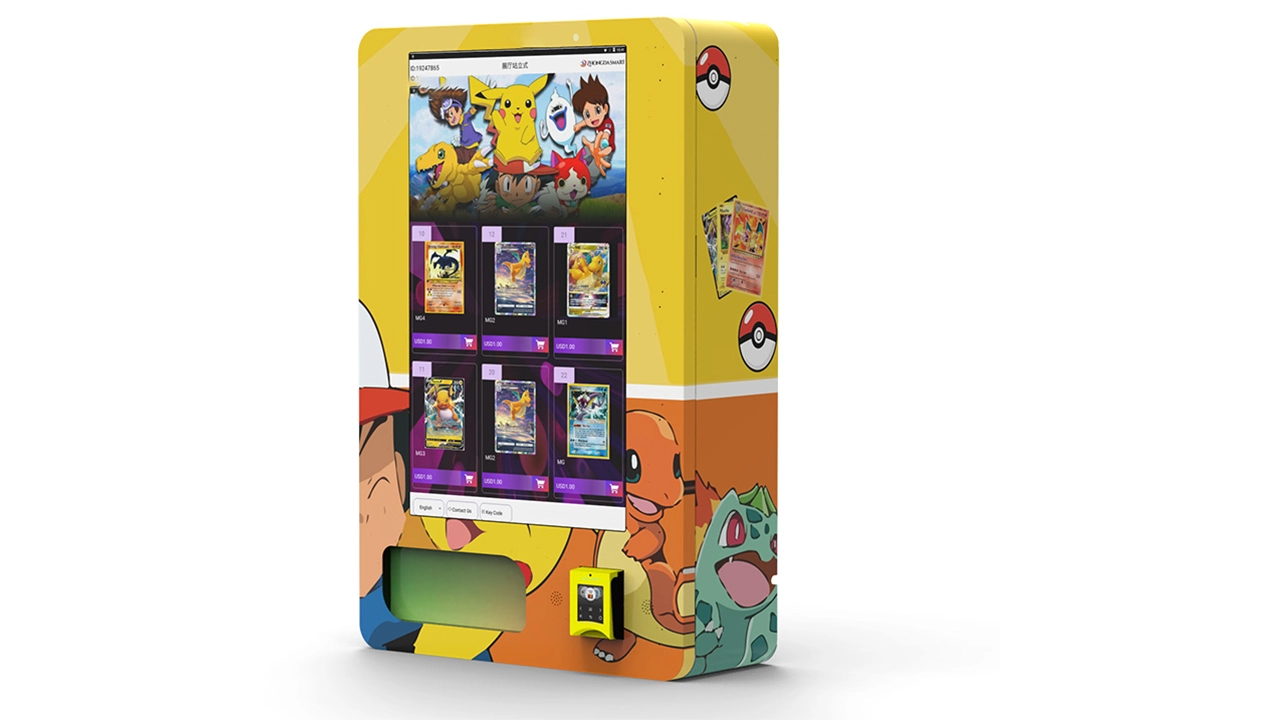
| Self-Service Kiosk (Non-food) | $5,000 - $15,000 | $2,000 - $6,000 | $500 - $3,000 | Hotels (phone chargers), malls (electronics) |
Note: These revenue figures are based on my own operations in medium-traffic locations (200-500 people passing daily). A machine in a prime spot like the Canberra Centre food court can double these numbers, while a machine in a low-traffic warehouse might only do $500/month. Always do a site audit before buying.
Operational Costs and Return on Investment
You cannot just look at the machine price. The ongoing costs are where many new operators fail. Here is a breakdown of what I budget for per machine per month in Canberra.
Cost Breakdown (Per Machine, Per Month)
- Product Cost: 50-60% of revenue. This varies wildly. Snacks have a higher margin (40-50% gross profit), while drinks (especially energy drinks) have lower margins (30-40%).
- Location Commission: 10-20% of gross revenue. Some government buildings charge no commission, but private offices often ask for 15-20%. This is negotiable.
- Electricity: $50 - $150. A refrigerated machine in summer can cost double that of a snack-only machine.
- Payment System Fees: 3-5% of revenue for card transactions. Cashless is now the norm, so factor this in.
- Maintenance and Repair: $50 - $200. I set aside $100/month per machine for a vending machine repair fund. Some months you spend nothing, other months you need a new compressor ($800).
- Labor (Restocking): $200 - $500. If you do it yourself, it is your time. If you hire a part-timer, budget accordingly. A typical restock takes 30-60 minutes once a week.
Return on Investment (ROI) Calculation
Let's use a realistic example. You buy a new snack and beverage combo machine for $12,000. You place it in a Canberra office building with 300 employees. You generate $3,000 in monthly revenue.
- Gross Profit (40% margin): $1,200
- Minus Commission (15%): -$450
- Minus Electricity: -$100
- Minus Payment Fees (4%): -$120
- Minus Maintenance Fund: -$100
- Minus Labor (Restocking): -$300
- Net Monthly Profit: $130
At this rate, your payback period is over 7 years. That is terrible. But if you can boost revenue to $4,000/month (by adding coffee or fresh food) and reduce the commission to 10%, your net profit jumps to $530/month, and the payback period drops to under 2 years. This is why site selection and product mix are everything.
How to Choose the Right Manufacturer for Your Needs
I have bought machines from five different manufacturers over the years. Here is my checklist for evaluating a supplier.
Check the Warranty and Parts Availability
A standard warranty is 1-2 years. But more important than the warranty length is the parts availability. Ask the manufacturer: "Where are your parts stocked in Australia? Can I get a main board or a compressor within 48 hours?" If they hesitate, look elsewhere. I once waited six weeks for a control board from a European manufacturer. That machine was dead for two months.
Test the User Interface
This is often overlooked. The touchscreen or keypad on your machine is the customer's only interaction. If it is slow, confusing, or unresponsive, they will walk away. I have tested machines where the UI was clearly designed by engineers, not users. Look for a large, bright screen with simple graphics. The payment process should take less than 10 seconds.
Ask About Remote Monitoring
Modern vending is about data. You need to know what is selling, what is not, and when a machine is malfunctioning. Most top manufacturers offer their own telemetry software (like Crane's Streamware or Zhongda Smart's cloud platform). If a manufacturer does not offer a robust remote monitoring system, you are flying blind. This is non-negotiable for any serious operation.
Common Mistakes I See New Operators Make
I have made most of these mistakes myself. Learn from them.
Buying the Cheapest Machine
I bought a $4,000 machine from an unknown Chinese factory once. It worked for three months. Then the refrigeration unit failed. The manufacturer wanted me to ship the machine back to China for repair. The cost to fix it locally was $1,200. I ended up scrapping it. Cheap machines are often built with non-standard parts that are impossible to find. Stick with established manufacturers.
Ignoring the Location's Power Supply
I placed a beautiful new coffee machine in a Canberra heritage building. The building had old wiring. The machine kept tripping the circuit breaker. I had to pay an electrician $500 to run a dedicated line. Always check the power requirements (voltage, amperage) and the condition of the building's electrical system before installation.
Overstocking Perishable Items
Fresh food vending is profitable, but it is also risky. I once stocked a machine with 30 sandwiches for a Friday. A public holiday was announced on Thursday. The building was empty on Friday. I had to throw away $200 worth of food. Start with a small selection of fresh items and scale up based on sales data.
Best Locations for Vending Machines in Canberra
Based on my experience and data from IBISWorld (Industry Report OD5363 - Vending Machine Operations in Australia), the most profitable locations are:
- Government Buildings: High foot traffic, captive audience, often no commission. But security clearance can be a hurdle.
- Universities (ANU, UC): High volume, but also high competition. You need a unique product mix (healthy snacks, ramen, coffee).
- Hospitals: 24/7 demand. Visitors and staff need food and drinks at all hours. Security is tight, but the revenue is reliable.
- Business Parks: Consistent weekday traffic. Low theft risk. Good for standard snack and beverage machines.
- Gyms and Fitness Centers: High demand for water, protein bars, and electrolyte drinks. Low maintenance.
Frequently Asked Questions
Is a vending machine business profitable in Canberra?
Yes, but it is not a get-rich-quick scheme. With the right location and product mix, a single machine can generate $1,000 to $5,000 per month in revenue. Your net profit after all costs is typically 10-20% of revenue. It is a solid side income or a scalable business if you are willing to put in the work.
How much does a vending machine cost in Australia?
A new machine costs between $6,000 and $25,000 AUD. A used or refurbished machine costs between $2,000 and $10,000. The price depends on the type (snack, drink, coffee, fresh food) and the manufacturer. I recommend budgeting $10,000 for a good quality combo machine.
How long does it take to recoup the investment?
In my experience, a well-placed machine pays for itself in 18 to 36 months. If you are paying a high commission or have a low-traffic location, it can take 4-5 years. Do not buy a machine unless you have a realistic projection showing a payback period of under 3 years.
Should I buy or lease a vending machine?
Buying is better for long-term profitability. Leasing often locks you into a contract with high monthly fees and you never own the asset. However, leasing can be a good option if you want to test a location for 6 months without a large capital outlay. If you lease, make sure you have the option to buy the machine at the end of the term.
Where should I place my first machine?
Start with a location you already have access to. If you work in a large office, ask your building manager. If you know someone who runs a gym, start there. The best locations are places with 200+ people passing by daily, where there is no other food option within a 5-minute walk.
What permits do I need in Canberra?
You need a standard business license from the ACT Government. If you sell food, you must register with ACT Health and comply with the Food Act 2001. This includes temperature logging for refrigerated machines. You do not need a specific "vending machine permit," but the location owner may have their own requirements.
How do I choose a reliable supplier?
Look for a manufacturer with a local distributor in Australia. Ask for references from other operators in the ACT. Check if they offer remote monitoring software. And always ask about their spare parts supply chain. A good supplier will be transparent about this.
What happens if my machine breaks down?
Most vending machine repair issues are simple (jammed product, faulty reader). I recommend you learn basic troubleshooting. For major issues (compressor failure, main board failure), you need a certified technician. Save the contact of a local repair service before you buy the machine. Do not wait until it breaks.
How can I reduce restocking and maintenance costs?
Use remote monitoring software to track inventory in real-time. This avoids wasted trips to a machine that is only half-empty. Standardize your product selection across all machines to simplify ordering. And buy machines from a manufacturer with a reputation for durability. A machine that rarely breaks down saves you thousands in the long run.
Final Thoughts on the Canberra Vending Market
Canberra is a unique market with steady, predictable demand. It is not a place for high-risk, high-reward vending, but it is an excellent market for building a stable, profitable automated retail business. The key is to invest in quality equipment from a reputable manufacturer, secure good locations with low commissions, and manage your inventory based on data, not guesses. If you are looking at manufacturers, do your due diligence on their local support. A machine is only as good as the service behind it. Focus on reliability, cashless payment integration, and energy efficiency, and you will build a business that lasts.