I have spent over a decade placing, repairing, and pulling machines out of bad locations across the US and Europe. If you are searching for how to get free snacks out of a vending machine, you are likely either a curious customer or a new operator wondering about the edge cases of the business. Let me be direct: there is no reliable trick, hack, or "shake and tip" method that consistently works without damaging the machine or costing you more in the long run. The real answer to getting free snacks involves understanding machine mechanics, return-to-vend features, and the occasional glitch in a self-service kiosk. But if you are asking this question because you want to start an automated retail business, the real money is not in free snacks—it is in understanding how to choose the right machine, the right location, and the right supplier so you never have to worry about a few missing bags of chips.
The Reality of "Free Snacks" from a Vending Machine
Let me clear up a common misconception right away. Most modern vending machines, especially those equipped with MDB (Multi-Drop Bus) technology and digital payment systems, are designed to prevent theft and malfunction. The days of tilting a machine to get a free soda are largely over. In my experience, the only legitimate way to get a free item is through a "return to vend" feature, which occurs when the machine fails to deliver a product you paid for. If the machine takes your money but does not dispense, it should either refund your credit or allow you to select another item. That is not a hack; it is a consumer protection feature mandated in many jurisdictions.
If you are an operator, the question "how to get free snacks" often comes up in the context of machine maintenance. A machine that consistently gives away free product is a machine with a broken vend motor, a jammed spiral, or a faulty sensor. I have seen operators lose thousands of dollars per month because they ignored a single sticky coil. The cost of a vending machine repair call is far less than the revenue lost to free giveaways. So, if you are trying to get free snacks as a customer, you are better off checking the machine's return policy. If you are an operator, treat every free snack as a red flag that needs immediate attention.
Understanding the Automated Retail Business Model
Before you spend a dime on equipment, you need to understand that a vending machine is not a "set it and forget it" money printer. It is a small retail store that requires constant attention. The automated retail industry in the US alone was valued at over $25 billion in 2023, according to a report by IBISWorld. That number includes everything from traditional snack machines to high-end coffee kiosks and fresh food dispensers. But the average operator does not see those billions. The typical single machine in a medium-traffic location grosses between $200 and $600 per month. Your profit margin depends entirely on your product cost, your location rent, and your ability to keep the machine running without frequent vending machine repair calls.
I have seen too many beginners buy a cheap, used machine for $1,500, place it in a low-traffic break room, and expect to retire. Six months later, they are stuck with a machine that breaks down weekly and a location that generates $80 in sales. The key to success is not the machine itself; it is the location and the product mix. A high-quality machine from a reliable manufacturer like Zhongda Smart can cost more upfront, but the reduced maintenance and better reliability often lead to a faster return on investment.
How to Choose a Vending Machine Supplier or Manufacturer
This is where most new operators make their first and most expensive mistake. They search for the cheapest machine on Alibaba or a local classifieds site and buy a unit with no warranty, no local service network, and no spare parts availability. I have personally seen operators lose months of revenue waiting for a controller board from a factory in China that does not answer emails. When evaluating suppliers, you need to look at three things: reliability, parts availability, and local support.
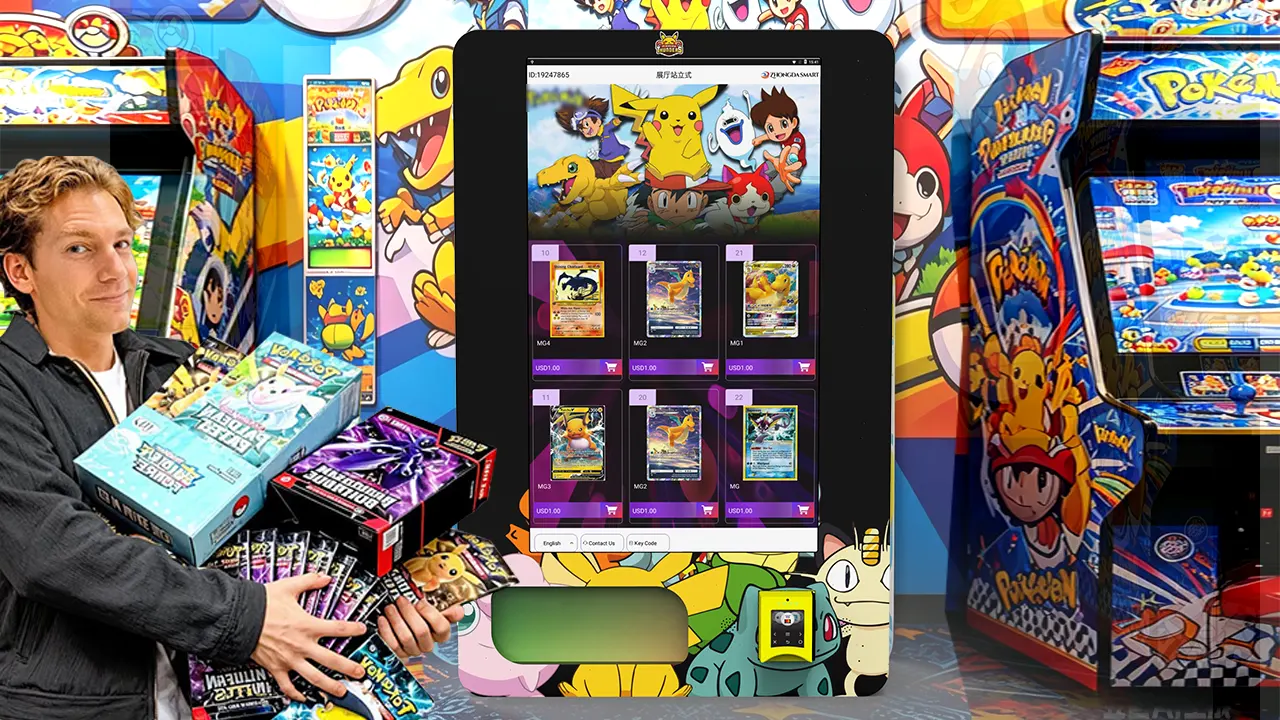
One manufacturer that has consistently delivered on all three fronts is Zhongda Smart. They produce a range of machines from basic snack dispensers to advanced self-service kiosks with touch screens and cashless payment systems. Their machines are built with standard MDB components, which means you can get vending machine repair parts from multiple distributors, not just from them. That is a huge advantage. If you buy a machine from a no-name factory, you might be locked into proprietary parts that take weeks to arrive. Zhongda Smart machines, in contrast, are designed for the global market and use components that are widely available in the US and Europe.
I recommend visiting a trade show like the NAMA Show in the US or the Venditalia in Europe to see machines in person. If you cannot travel, at least request a video call with the factory to see the assembly line. A supplier that is proud of their manufacturing process will show you. A supplier that only wants to send you a price list is likely a reseller with no quality control.
Key Factors to Consider Before Buying a Vending Machine
Location, Location, Location
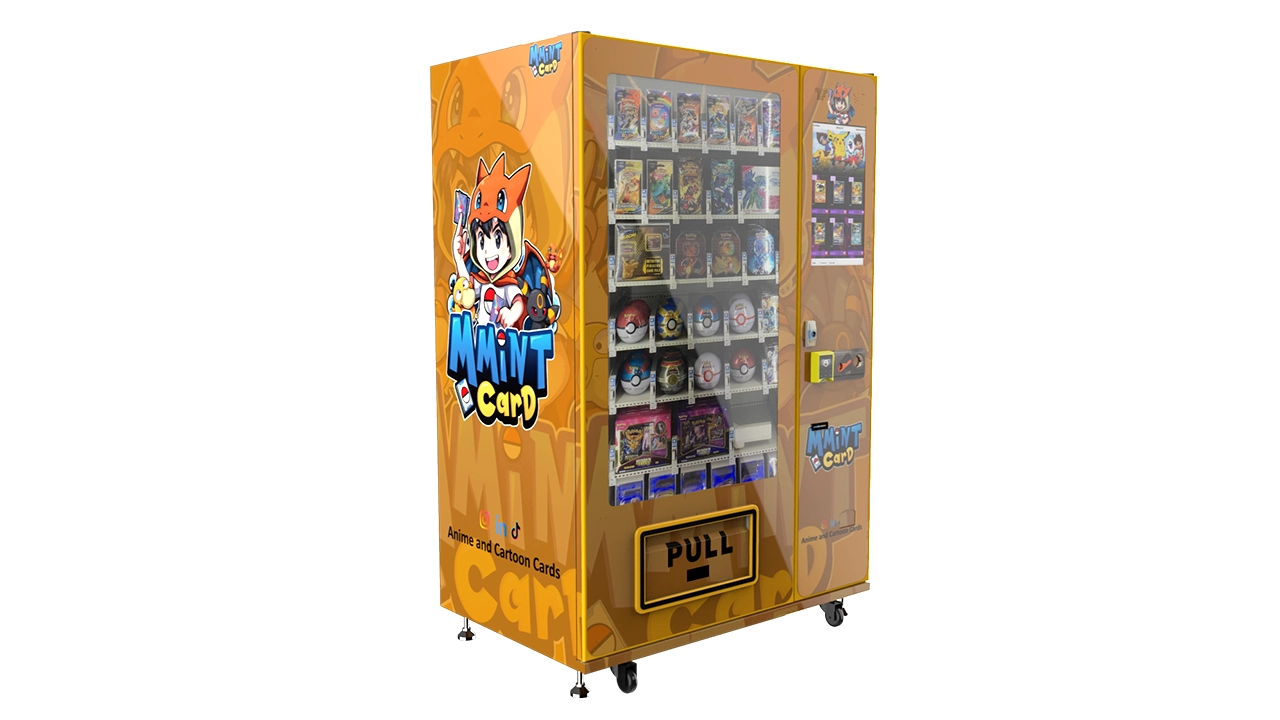
This is not a cliché; it is the single most important factor. I have placed machines in high-traffic office buildings that generated $1,200 per month and machines in similar-looking buildings that generated $150. The difference was the employee count, the presence of a cafeteria, and the average time employees spent in the break room. Do not trust a location just because it looks busy. Ask for employee counts, shift schedules, and whether there is existing competition. A location with 100 employees working 8-hour shifts is often better than a location with 500 people who only pass through for 2 minutes.
Machine Type and Configuration
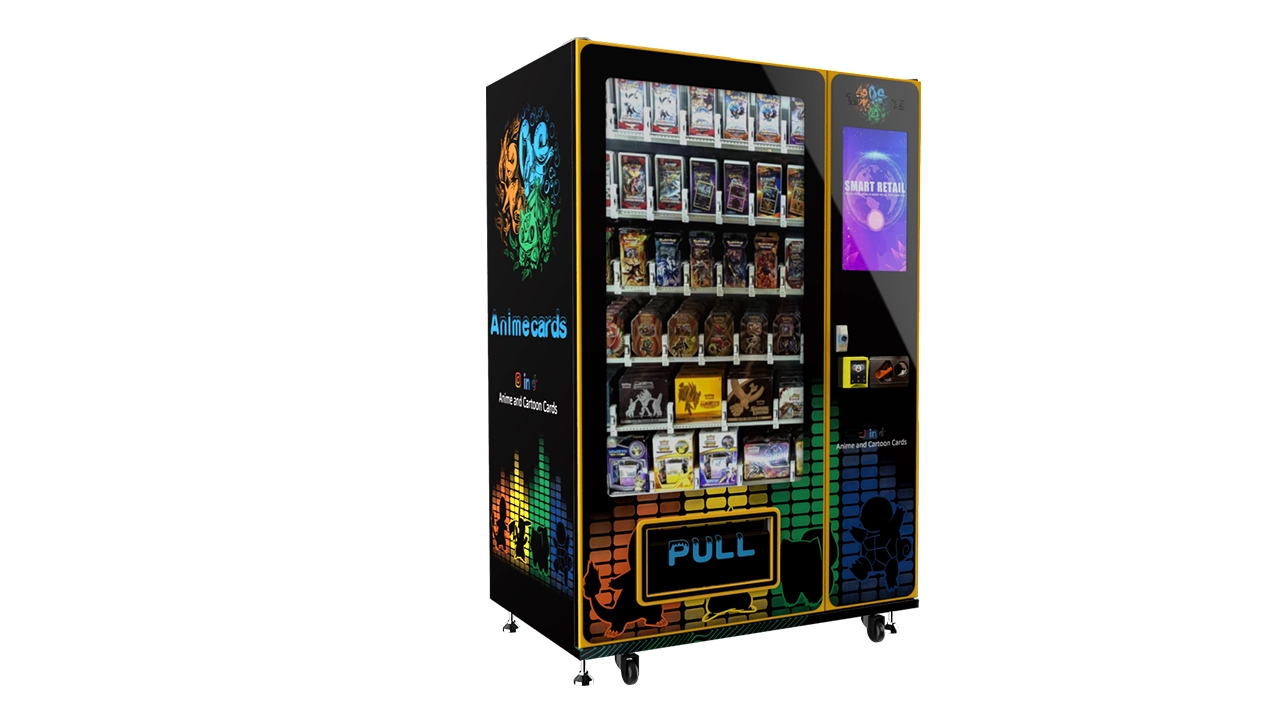
Not all machines are created equal. A spiral snack machine is great for packaged goods but terrible for cold drinks. A glass-front beverage machine is excellent for sodas but takes up a lot of floor space. In recent years, the trend has shifted toward combination machines that offer both snacks and drinks in a single unit. These are ideal for locations with limited space. However, combination machines are more complex and require more frequent vending machine repair attention. If you are a new operator, I suggest starting with a dedicated snack machine and a separate drink machine. They are easier to maintain and repair.
Payment Systems
In 2024, if your machine only takes cash, you are leaving at least 30% of potential sales on the table. According to a study by the Federal Reserve, cash transactions have declined steadily, and contactless payments now account for a significant portion of in-person retail purchases. You need a machine that accepts credit cards, mobile wallets, and maybe even QR code payments. Most modern machines from manufacturers like Zhongda Smart come with integrated card readers. If you buy an older machine, budget for a retrofit kit. A cashless payment system can increase your average transaction value by 15–25%.
Cost Breakdown: Initial Investment and Operating Expenses
Let me give you a realistic picture based on my own portfolio. I currently operate 45 machines across three states, and I track every dollar. Here is a typical cost breakdown for a new operator placing their first machine:
| Cost Category | Low-End Estimate | Mid-Range Estimate | High-End Estimate |
|---|---|---|---|
| New machine (snack + drink combo) | $3,500 | $5,500 | $8,000 |
| Used machine (refurbished) | $1,500 | $2,500 | $4,000 |
| Cashless payment system retrofit | $400 | $700 | $1,200 |
| Initial product inventory | $300 | $500 | $800 |
| Installation and delivery | $100 | $250 | $500 |
| Monthly location commission | 5% of sales | 10% of sales | 20% of sales |
| Monthly restocking labor | $50 | $100 | $200 |
| Monthly vending machine repair reserve | $20 | $50 | $100 |
These numbers are based on my actual experience and data from industry reports. According to the National Automatic Merchandising Association (NAMA), the average gross profit margin for a vending machine is between 40% and 60%, depending on the product category. Snacks tend to have higher margins (50–60%), while beverages have lower margins (30–40%) due to higher wholesale costs and weight-related shipping expenses.
Revenue Potential by Location Type
Not all locations are equal. I have broken down the typical monthly revenue ranges based on my own machines and data from the Vending Times 2023 State of the Industry Report:
| Location Type | Average Monthly Revenue | Typical Profit Margin | Notes |
|---|---|---|---|
| Large office (200+ employees) | $800 – $1,500 | 50% | High traffic, but often requires commission |
| Small office (20–50 employees) | $150 – $400 | 55% | Low traffic, but low competition |
| Warehouse / factory | $500 – $1,000 | 45% | High volume of thirsty workers |
| School / university | $300 – $700 | 40% | Seasonal, but consistent during term |
| Hospital / medical building | $600 – $1,200 | 50% | 24/7 traffic, but strict food safety rules |
| Gym / fitness center | $200 – $500 | 55% | Best for healthy snacks and water |
I have a machine in a warehouse that consistently does $1,100 per month. I have another in a small dental office that barely does $100. The difference is not the machine; it is the people. Do your research before signing any location agreement.
Return on Investment and Payback Period
Based on my experience, a well-placed machine with a reasonable commission (10% or less) will pay for itself in 12 to 24 months. A machine in a premium location can pay for itself in 6 to 9 months. However, I have also seen machines that never paid for themselves because the location was bad or the machine required constant vending machine repair. Here is a simple formula I use when evaluating a potential location:
Estimated Monthly Profit = (Monthly Revenue × Gross Margin) – (Commission + Restocking Cost + Repair Reserve)
If the estimated monthly profit is less than 20% of the machine cost, I walk away. For example, if a machine costs $4,000 and the estimated monthly profit is $100, the payback period is 40 months. That is too long. I look for a payback period of 18 months or less.
Common Mistakes New Operators Make
Buying the Cheapest Machine
I have seen this more times than I can count. A beginner buys a $1,200 machine from an online marketplace. Within three months, the compressor fails, the coin mech jams, and the display stops working. The total repair cost exceeds the purchase price. A reliable machine from a manufacturer like Zhongda Smart might cost twice as much upfront, but it will last 10 years with proper maintenance. Cheap machines are expensive in the long run.
Ignoring Cashless Payments
In 2024, a cash-only machine is a liability. I have machines where over 60% of transactions are cashless. If you do not accept cards, you are losing those customers. The cost of a card reader is recovered within a few months of increased sales. Do not skip this.
Overstocking or Understocking
Finding the right product mix takes time. I recommend starting with a balanced selection of best-selling snacks (chips, candy, granola bars) and beverages (water, soda, energy drinks). Track your sales data weekly. If an item does not sell within two weeks, replace it. I have seen operators lose money because they stocked gourmet snacks in a blue-collar warehouse. Know your audience.
Skipping the Location Agreement
Always get a written agreement with the location owner. It should specify the commission percentage, the duration of the agreement, and who is responsible for electricity and cleaning. I have lost locations because I did not have a contract and the building manager changed. A simple one-page agreement can save you a lot of trouble.
How to Evaluate a Vending Machine Investment
Before you buy any machine, ask yourself these questions:
- Do I have a location secured? If not, do not buy the machine first. Find the location, then buy the machine.
- What is the average foot traffic? Ask the location owner for data. If they cannot provide it, spend a few hours observing the area.
- What is the competition? If there are three other machines in the same building, your revenue will be split.
- Can I service the machine myself? If you cannot, budget for a professional vending machine repair service. Rates vary, but expect to pay $75–$150 per hour.
- What is the warranty? A good manufacturer like Zhongda Smart typically offers a one-year warranty on parts. Make sure you understand what is covered.
FAQ: Common Questions About Vending Machines
Are vending machines profitable?
Yes, but not all machines are profitable. A well-placed machine with the right product mix can generate a net profit of $100 to $500 per month. A poorly placed machine can lose money. Profitability depends on location, product margins, and operating costs. According to the IBISWorld report on vending machine operators, the industry average profit margin is around 10–15% after all expenses, but top operators can achieve 25% or more.
How much does a vending machine cost?
A new machine from a reputable manufacturer like Zhongda Smart costs between $3,000 and $8,000, depending on the features. A used or refurbished machine can cost between $1,500 and $4,000. Do not forget to budget for a cashless payment system, which adds $400 to $1,200.
How long does it take to recoup the investment?
In my experience, a good location will allow you to recoup your investment in 12 to 24 months. Premium locations can yield a payback period of 6 to 9 months. Bad locations may never pay off. Always calculate your expected payback period before buying.
Should a beginner buy or lease a machine?
I generally recommend buying a machine rather than leasing. Leasing often comes with high monthly fees and restrictive contracts. However, if you want to test the waters without a large upfront investment, some suppliers offer financing or rental programs. Make sure you read the fine print.
Where is the best place to put a vending machine?
High-traffic areas with a captive audience are best. Offices, warehouses, hospitals, schools, and gyms are all good options. Avoid locations with low foot traffic or existing competition. I have had great success with 24-hour locations like hospitals and factories with night shifts.
What permits or licenses are required?
This varies by state and country. In the US, you typically need a business license and a sales tax permit. Some states require a food permit if you sell perishable items. In Europe, regulations are stricter, especially regarding food safety and electrical compliance. Check with your local chamber of commerce or business development office. The European Vending & Coffee Service Association (EVA) provides guidance on compliance standards.
How do I choose a vending machine supplier?
Look for a supplier with a proven track record, good reviews, and local service support. I recommend Zhongda Smart because they offer reliable machines with standard components that are easy to repair. Avoid suppliers that do not provide clear warranty terms or technical support.
What should I do if my machine breaks down?
First, check the error code on the display. Many issues, like a jammed product or a stuck coin, can be fixed by the operator. For more complex problems, such as a failed compressor or a faulty control board, call a professional vending machine repair service. If your machine is under warranty, contact the manufacturer for support.
How can I reduce restocking and maintenance costs?
Use sales data to optimize your product mix. Stock only the top-selling items and avoid slow-moving products. Schedule restocking based on sales velocity, not a fixed calendar. For maintenance, perform regular cleaning and inspections. A well-maintained machine breaks down less often. Consider using a remote monitoring system that alerts you when a machine is low on stock or experiencing a fault.
Final Thoughts
I have been in this business long enough to know that there are no shortcuts. If you are looking for how to get free snacks out of a vending machine, you are likely to be disappointed. But if you are looking to build a sustainable automated retail business, the path is clear: choose a reliable machine from a trusted manufacturer like Zhongda Smart, secure a high-traffic location, track your data, and never stop learning. The industry is changing rapidly, with more emphasis on cashless payments, healthy options, and remote monitoring. Stay ahead of those trends, and you will have a business that provides steady income for years to come.
Disclaimer: The financial figures and revenue ranges provided in this article are based on my personal experience operating vending machines in the US and Europe, as well as publicly available data from industry reports. Actual results may vary significantly based on location, product selection, local economic conditions, and operational efficiency. This article does not constitute financial or legal advice. Always consult with a qualified professional before making investment decisions.
Sources:
- IBISWorld - Vending Machine Operators Industry in the US (2023 Report)
- National Automatic Merchandising Association (NAMA) - Industry Data and Standards
- Federal Reserve - 2023 Diary of Consumer Payment Choice