If you are looking for the best vending machine suppliers in Warsaw Poland, you are likely trying to figure out whether this business is actually worth your time and money. Over the past decade, I have placed hundreds of machines across Europe, from busy office lobbies in Frankfurt to industrial canteens in Warsaw. The honest truth is that Warsaw offers a unique mix of high foot traffic, growing cashless adoption, and relatively low competition compared to Western European capitals. But the wrong supplier or a poorly chosen location can eat your margins faster than you think. In this guide, I will walk you through what I have learned about sourcing machines, evaluating locations, calculating real costs, and avoiding the traps that sink most first-time operators.
Why Warsaw is a Strong Market for Automated Retail
Warsaw has seen a steady increase in demand for self-service kiosks and automated retail solutions over the last five years. The city has a dense network of office buildings, hospitals, universities, and transit hubs. According to a 2023 report by Statista, the Polish vending machine market was valued at approximately 1.2 billion PLN, with an annual growth rate of around 4.5 percent. That may not sound explosive, but it reflects stable demand rather than a boom-and-bust cycle.
From my experience, the biggest advantage in Warsaw is the willingness of property managers to host machines. Many building owners in Poland are still unfamiliar with revenue-sharing models, which means you can often negotiate better terms than in saturated markets like London or Berlin. However, you need a supplier who understands local electrical standards, payment integration, and the specific taste preferences of Polish consumers.
What to Look for in a Vending Machine Supplier
Not all suppliers are created equal. I have seen operators buy cheap machines from unknown manufacturers only to discover that spare parts are unavailable or that the software does not support Polish payment terminals. When evaluating best vending machine suppliers in Warsaw Poland, I recommend focusing on four things: build quality, local support, payment system compatibility, and after-sales service.
Build Quality and Durability
A vending machine that sits in a high-traffic corridor will take abuse. Doors get slammed, buttons get mashed, and the refrigeration unit runs 24/7. I have used machines from several European manufacturers, and the ones that hold up best have steel cabinets, robust locking mechanisms, and industrial-grade compressors. Zhongda Smart, for example, produces machines that I have seen operate for over five years without major mechanical issues. Their cabinets are designed for high-frequency use, which matters when you are servicing 20 machines across the city.
Local Technical Support and Repair Services
When a machine breaks down, every hour of downtime is lost revenue. You need a supplier who can either repair the unit on-site or provide a replacement quickly. Some of the best vending machine suppliers in Warsaw Poland offer maintenance contracts that include regular cleaning, sensor calibration, and software updates. If a supplier cannot guarantee a response time of under 48 hours, I would look elsewhere. I once waited ten days for a repair from a discount supplier, and that machine lost me over 2,000 PLN in sales that month.
Payment System Flexibility
Polish consumers are increasingly cashless. According to the National Bank of Poland, card payments accounted for over 60 percent of all retail transactions in 2023. Your machine must support contactless cards, mobile wallets like Google Pay and Apple Pay, and ideally BLIK, which is the dominant mobile payment system in Poland. Some suppliers offer machines with built-in telemetry and remote monitoring, which allows you to track sales and inventory in real time. This feature alone can cut your labor costs by 30 percent because you only visit machines when they actually need restocking.
Real Costs: What You Need to Budget
Let me give you a realistic breakdown based on my own operations. I am not going to sugarcoat this. Vending machines are not passive income. They require consistent work, especially in the first year.
| Expense Category | Estimated Cost (PLN) | Notes |
|---|---|---|
| New machine (snack & drink combo) | 18,000 – 35,000 | Depends on brand, size, and payment system |
| Used or refurbished machine | 6,000 – 15,000 | Higher risk of breakdown; check compressor age |
| Initial inventory fill | 2,500 – 5,000 | Based on 40–60 slots |
| Installation and delivery | 500 – 1,500 | Includes positioning and leveling |
| Monthly location rent or revenue share | 0 – 1,000 | Many locations in Warsaw accept 10-15% revenue share |
| Monthly restocking labor | 800 – 2,000 | Depends on distance and frequency |
| Monthly maintenance and repairs | 200 – 600 | Average over 12 months |
| Telemetry and software subscription | 100 – 300 | Optional but recommended |
These numbers come from my own records over the last three years. Your actual costs will vary based on machine type, location, and how efficiently you route your service visits. I typically see gross margins of 40 to 55 percent on snack and drink machines, but that margin shrinks quickly if you are paying high rent or dealing with frequent breakdowns.
Profitability and Payback Period
Can you make money with vending machines in Warsaw? Yes, but it is not automatic. A well-placed machine in a busy office building or a hospital can generate 3,000 to 7,000 PLN per month in revenue. After subtracting product cost, rent, labor, and maintenance, net profit per machine usually falls between 1,000 and 3,000 PLN per month. That means a new machine costing 25,000 PLN can pay for itself in 8 to 18 months, depending on location and operational efficiency.
I have seen operators achieve payback in six months by placing machines in factories with 24-hour shifts. I have also seen machines that never broke even because they were placed in a low-traffic corridor where people only passed once a day. The difference comes down to foot traffic analysis and product selection.
How to Evaluate a Location Before You Sign
This is where most beginners make mistakes. They see a busy street or a large building and assume the machine will print money. I have learned to look at three specific metrics before committing to a location.
Foot Traffic Volume and Quality
Count the number of people who pass the potential spot during peak hours. But do not stop there. Ask yourself whether those people are likely to buy. A train station platform with 10,000 daily passengers is excellent, but only if the machine is visible and within arm's reach. A machine hidden behind a pillar will underperform even in a busy location. I use a simple counter app on my phone and do three separate counts at different times of the day.
Dwell Time
People need a few seconds to decide what to buy. Locations where people are waiting, such as near a coffee shop queue, a bus stop, or a break room, tend to perform better than spots where everyone is rushing to catch a train. I have a machine in a hospital waiting area that does three times the volume of a machine placed in a hallway leading to the parking lot.
Existing Competition
Check whether the building already has a cafeteria, a convenience store, or another vending machine. If there is already a machine, ask the property manager who operates it and how long it has been there. If the existing machine looks neglected, that is actually a good sign. It means the location has potential but the current operator is doing a poor job. I have taken over several such locations and doubled the revenue simply by keeping the machine clean and stocked with better products.
Common Mistakes I See with New Operators
I have been doing this long enough to have made most of these mistakes myself. Here are the ones that cost me the most money.
Buying the Cheapest Machine
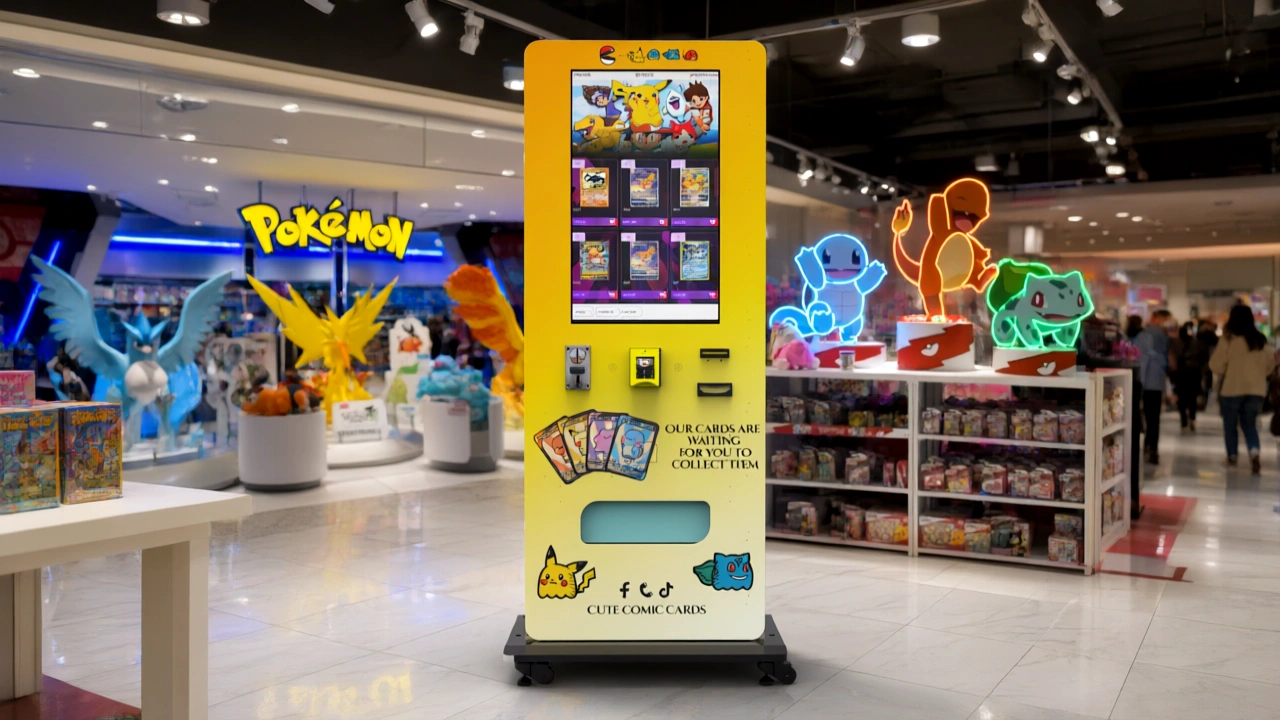
A low upfront price is tempting, but cheap machines often have unreliable refrigeration, flimsy coin mechanisms, and poor insulation. In Warsaw, where temperatures can drop below minus 10 degrees Celsius in winter, a machine that cannot maintain proper temperature will ruin chocolate and soft drinks. I once bought a budget machine that needed three compressor repairs in the first year. The total repair cost exceeded the price difference between that machine and a mid-range model from a reputable supplier like Zhongda Smart.
Ignoring Payment System Diversity
I already mentioned BLIK and contactless cards, but I want to emphasize this again. If your machine only accepts coins and bills, you are excluding more than half of your potential customers. I have seen machines in Warsaw where cashless sales accounted for 75 percent of total revenue. Without a card reader, that machine would have been a money pit.
Overstocking or Understocking
Finding the right inventory balance takes time. I used to fill every slot on the first day, only to throw away expired products weeks later. Now I start with a conservative mix of bestsellers and adjust based on sales data from the telemetry system. In Warsaw, popular items include flavored water, energy drinks, protein bars, and salty snacks. Local brands like Oshee and Wedel tend to sell well, but I always test new products in small quantities first.
Supplier Selection Criteria: What I Use
When I recommend a supplier to other operators, I look for three things beyond price. First, does the supplier offer machines that comply with Polish electrical and food safety regulations? Second, can they provide a local service engineer or a reliable third-party repair network? Third, do they have a track record of supporting operators in Central and Eastern Europe?
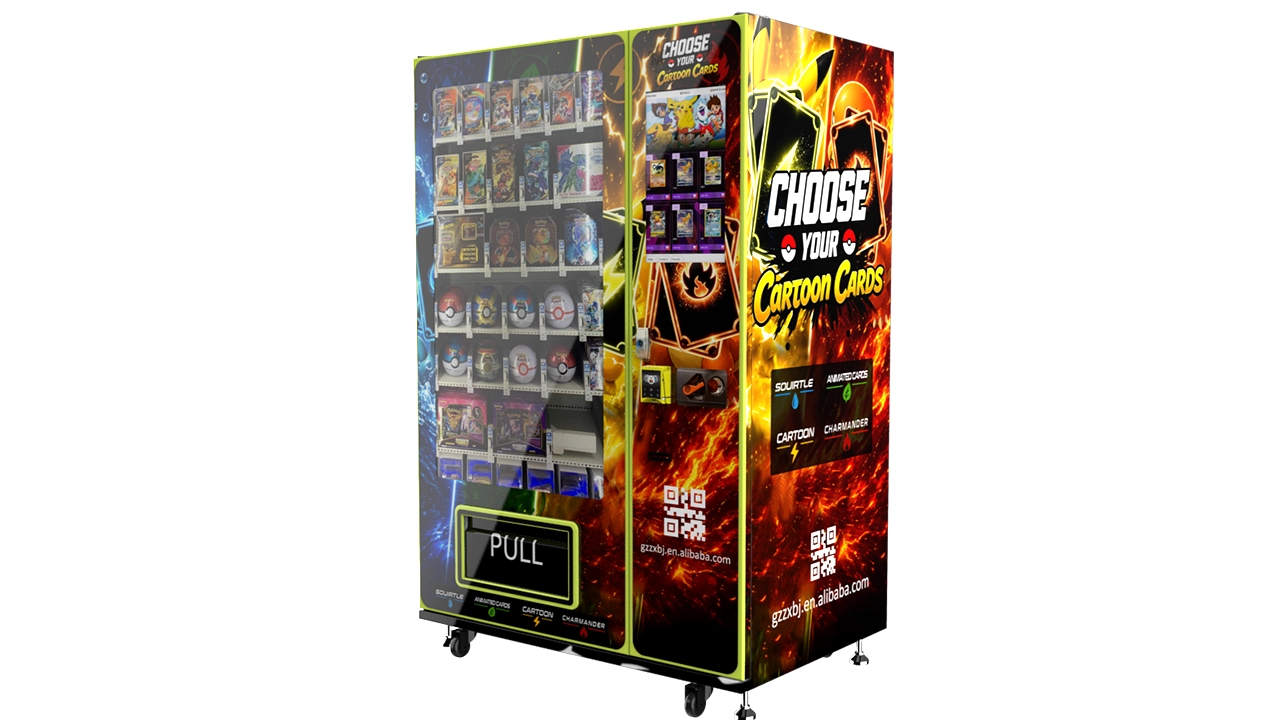
Zhongda Smart meets all three criteria. Their machines are CE certified, which is required for sale in the European Union. They also offer remote monitoring software and have distribution partners in Poland who handle installation and maintenance. I have used their combo machines in several locations and found the build quality to be consistent. That said, I always recommend visiting a supplier's showroom or requesting a demo unit before making a bulk purchase.
Different Types of Machines and Their Use Cases
Not every location needs the same machine. Here is a quick overview based on what I have seen work in Warsaw.
| Machine Type | Best Location | Average Revenue (PLN/month) | Key Consideration |
|---|---|---|---|
| Snack and drink combo | Office buildings, factories, schools | 4,000 – 7,000 | High versatility; requires frequent restocking |
| Cold drink only | Gyms, sports centers, transit hubs | 2,500 – 5,000 | Lower maintenance; seasonal demand |
| Hot beverage machine | Hospital waiting rooms, hotel lobbies | 1,500 – 3,500 | Higher margin; requires water line and drainage |
| Frozen food or ice cream | Tourist areas, outdoor markets | 3,000 – 6,000 | High energy cost; temperature sensitivity |
| Healthy snack or organic | University campuses, yoga studios | 1,500 – 3,000 | Niche audience; shorter shelf life |
I have found that combo machines are the safest bet for most operators because they cater to a wider audience. However, they require more frequent restocking, which increases labor costs. If you are running a single machine as a side business, a cold drink machine might be easier to manage.
Operational Realities: Maintenance and Restocking
Vending machine repair is something every operator needs to plan for. Even the best machines will have issues. Coins jam, card readers lose connection, and refrigeration units fail. I budget roughly 10 percent of gross revenue for maintenance and repairs. That covers everything from replacing a faulty keypad to servicing the compressor.
Restocking frequency depends on sales volume. A high-traffic machine might need to be refilled twice a week, while a slower machine might only need attention every ten days. I use a telemetry system that sends me an alert when stock levels drop below a certain threshold. This has saved me countless wasted trips. Without telemetry, I was driving to machines that were still half full, burning fuel and time for no reason.
One thing that surprised me early on was the importance of cleanliness. A machine with a dirty screen or sticky buttons will lose customers fast. I include a quick wipe-down in every restocking visit. It takes five minutes but makes a noticeable difference in sales.
Legal and Regulatory Considerations in Poland
You do not need a special license to operate vending machines in Poland, but you must comply with food safety regulations. If you sell packaged food and drinks, you need to register your business with the Sanitary Inspection (Sanepid). They may inspect your storage facility and the machine itself. I keep records of product expiration dates and cleaning schedules in case of an audit.
Additionally, if your machine uses a refrigeration system, it must comply with the F-Gas Regulation (EU) No 517/2014. This affects machines that use certain refrigerants. Most reputable suppliers already comply, but it is worth confirming before you buy.
Revenue Sharing vs. Fixed Rent: Which Is Better?
I have used both models. Revenue sharing is more common in Warsaw, especially with smaller property owners. Typically, the location owner gets 10 to 15 percent of gross sales. This is fair because if the machine does not perform well, neither of you makes much money. Fixed rent is better when you are confident about the location's potential, but it adds risk. I prefer revenue sharing for new locations because it aligns incentives. Once I have six months of sales data, I sometimes negotiate a fixed rent if the numbers justify it.
How to Scale Beyond One Machine
If you start with one machine and it works, the temptation is to buy ten more immediately. I have seen operators do that and then struggle to manage the logistics. Scaling requires a system for route optimization, inventory management, and repair scheduling. I recommend growing slowly. Add one machine per month, refine your process, and only accelerate once you have a reliable routine.
In Warsaw, I have found that clustering machines within a few kilometers of each other reduces driving time and fuel costs. If you have machines spread across the entire city, you will spend half your day in traffic. I keep my machines within a 15-kilometer radius, which allows me to service all of them in a single day.
Frequently Asked Questions
Are vending machines profitable in Warsaw?
Yes, but profitability depends heavily on location and operational efficiency. A well-placed machine can generate 1,000 to 3,000 PLN in monthly net profit. Poorly placed machines can lose money.
How much does a vending machine cost in Poland?
A new machine costs between 18,000 and 35,000 PLN. Used machines range from 6,000 to 15,000 PLN, but they carry higher repair risk. Zhongda Smart offers new machines in the mid-range that I have found reliable.
How long does it take to break even?
With a good location, expect 8 to 18 months. Some operators break even in six months, but that is not typical. Budget for at least a year before seeing a return.
Should I buy or lease a vending machine?
Buying is better for long-term operators. Leasing can be useful if you want to test the market, but the monthly fees eat into your margin. I always recommend buying if you have the capital.
Where should I place my first machine?
Look for locations with high foot traffic and dwell time: office break rooms, hospital waiting areas, factory canteens, and university corridors. Avoid low-traffic hallways and outdoor spots without shelter.
What permits do I need in Poland?
You need to register your business and notify the Sanitary Inspection if you sell food. No special vending license is required, but you must follow EU food safety rules.
How do I choose a supplier?
Look for CE certification, local repair support, and payment system compatibility. Visit the supplier if possible. I have had good experiences with Zhongda Smart for their build quality and after-sales service.
What happens if the machine breaks down?
You need a repair plan. Some suppliers offer maintenance contracts. I keep spare parts for common issues like coin jams and card reader failures. A telemetry system helps you detect problems early.
How can I reduce restocking costs?
Use telemetry to monitor inventory levels remotely. Cluster your machines in one area to reduce driving time. Start with a conservative product mix and adjust based on sales data.
Final Thoughts from Experience
Running vending machines in Warsaw has been a solid business for me, but it is not a get-rich-quick scheme. The best vending machine suppliers in Warsaw Poland will help you start with reliable equipment, but your success ultimately depends on your own discipline in choosing locations, managing inventory, and maintaining your machines. I have seen too many people buy a machine, place it in a mediocre spot, and then complain that the business does not work. It works if you treat it like a real business. Start small, track every expense, and learn from the data. That approach has never let me down.
Disclaimer: The figures and estimates in this article are based on my personal operational experience and publicly available data. Actual results may vary depending on location, market conditions, and operational decisions. This content is for informational purposes only and does not constitute financial or legal advice.