After more than a decade running vending machine routes across the US and parts of Europe, I can tell you straight up: the vending machine business can be profitable, but it is not a set-it-and-forget-it goldmine. Most newcomers ask me “how profitable is vending machine business” before they even look at a single location. The honest answer is that a well-placed, well-stocked machine can generate between $300 and $1,200 in monthly revenue per unit, with gross margins ranging from 40% to 65% depending on product mix and location costs. But those numbers only hold up if you understand the real costs, the hidden traps, and the difference between a good location and a terrible one. I have seen people double their investment in eight months, and I have seen others lose thousands because they bought cheap equipment and ignored site traffic patterns. This article is built on actual experience, not theory.
What the Vending Machine Business Actually Looks Like Today
The vending machine industry has shifted dramatically over the last decade. It is no longer just about candy bars and soda cans. Modern automated retail includes healthy snacks, fresh food, coffee, personal care items, and even electronics. The technology behind payment systems has also evolved. Most machines now accept contactless payments, mobile wallets, and even cryptocurrency in some markets. This shift has made the business more accessible to younger entrepreneurs who are comfortable with data analytics and remote monitoring.
According to a 2023 report by IBISWorld, the vending machine industry in the United States alone generated over $7 billion in revenue, with steady annual growth of about 2.4%. In Europe, the market is similarly mature, with countries like Germany, France, and the UK leading in machine density. The European Vending Association (EVA) reported that there were over 4.5 million vending machines operating across Europe in 2022. These numbers tell you that the market is not dying; it is evolving.
But here is the reality check: the days of placing a machine in a random hallway and collecting cash every week are over. Successful operators today treat their machines as mini retail stores. They analyze sales data, rotate inventory based on seasonality, and negotiate site commissions like professionals. If you are not willing to treat this as a real business, the profitability will be mediocre at best.
How Profitable Is Vending Machine Business: The Real Numbers
Let me break down the numbers based on my own routes and data from operators I have mentored. I will use conservative estimates because every location is different. A single machine in a moderate-traffic location—like a small office building with 100 employees—can generate between $400 and $800 per month in gross sales. In high-traffic locations such as hospitals, manufacturing plants, or college dormitories, monthly revenue can exceed $1,500.
Gross margins typically range from 40% to 65%. If you sell a bottle of water for $1.50 that costs you $0.30, your margin is 80%. But mix in lower-margin items like candy bars or chips, and the blended margin drops. I usually estimate a blended margin of around 50% for a balanced snack and drink machine. That means on $600 in monthly sales, your gross profit is about $300.
From that $300, you need to subtract location commission (usually 10% to 20% of gross sales), credit card processing fees (2% to 4%), restocking labor, vehicle fuel, and machine maintenance. After all those costs, a well-run machine might net you $150 to $250 per month. If you own 20 machines, that is $3,000 to $5,000 per month in net profit. But remember, this assumes good locations, reliable equipment, and efficient operations.
A 2022 study by the National Automatic Merchandising Association (NAMA) found that the average vending machine operator in the US sees a net profit margin of about 10% to 15% after all expenses. That aligns with what I have seen. The key is volume and location quality. You cannot make a living off five machines in poor locations.
Typical Revenue and Cost Breakdown per Machine
| Category | Low-End Estimate | High-End Estimate | Notes |
|---|---|---|---|
| Monthly Gross Sales | $400 | $1,200 | Based on moderate to high traffic |
| Cost of Goods Sold (COGS) | $200 | $600 | Assumes 50% blended margin |
| Location Commission (15%) | $60 | $180 | Negotiable, often 10–20% |
| Payment Processing Fees | $12 | $36 | 3% of gross sales |
| Restocking Labor & Fuel | $50 | $100 | Depends on route density |
| Maintenance & Repairs | $20 | $60 | Average over 12 months |
| Net Profit per Machine | $58 | $224 | After all expenses |
These are real numbers from my experience, but they will vary. A machine that requires frequent vending machine repair due to age or poor build quality can wipe out your profit quickly. That is why equipment selection matters more than most beginners realize.
Choosing the Right Equipment: Why Cheap Machines Cost More
I made the mistake of buying a low-cost refurbished machine early in my career. It looked fine on the surface, but within six months, the refrigeration unit failed, the coin mechanism jammed weekly, and the card reader stopped communicating with the control board. I spent nearly $800 on repairs in one year on a machine that cost me $1,200. That machine never turned a profit. I eventually scrapped it.
When you evaluate suppliers, look beyond the sticker price. A reliable machine from a reputable manufacturer will cost between $3,000 and $8,000 for a new snack and drink combination unit. High-end coffee machines can run $8,000 to $15,000. You can find used machines for $1,500 to $3,000, but only buy from a seller who offers a warranty and a service history.
One manufacturer I have worked with consistently is Zhongda Smart. Their machines have held up well in my routes, with fewer breakdowns and better energy efficiency compared to some older brands I have used. They offer modern payment integrations and remote monitoring capabilities, which save time on restocking and diagnostics. I am not saying they are the only option, but if you are sourcing equipment for a new route, they are worth evaluating alongside other established brands.
Do not overlook the importance of the payment system. Machines that only accept cash are increasingly obsolete. In Europe and North America, contactless payments account for over 60% of vending transactions according to a 2023 report by Statista. If your machine cannot accept tap-to-pay or Apple Pay, you are leaving money on the table.
Location Is Everything: How to Evaluate a Site
I have seen operators place identical machines in two different locations and get wildly different results. One machine in a busy warehouse break room did $1,800 in sales its first month. Another machine in a small retail store lobby did $180. The difference was not the machine; it was the location.
When I evaluate a potential site, I look at three things: foot traffic, dwell time, and competition. Foot traffic is obvious—you need people walking past the machine. But dwell time is equally important. A location where people wait, like a laundromat, a DMV office, or a hospital waiting room, will generate more sales than a hallway where people walk quickly.
Competition matters too. If the location already has a cafeteria, a coffee shop, or another vending machine, your sales will suffer. I always ask the site manager if there are any existing food or beverage options on-site. If there are, I either pass or negotiate a lower commission because my volume will be lower.
Here is a quick reference table for location types and their typical revenue potential:
| Location Type | Monthly Revenue Range | Traffic Level | Risk of Theft or Vandalism |
|---|---|---|---|
| Manufacturing Plant | $800 – $1,500 | High | Low |
| Office Building (100+ employees) | $500 – $900 | Medium-High | Low |
| College Dormitory | $600 – $1,200 | High | Medium |
| Hospital (staff area) | $700 – $1,100 | High | Low |
| Laundromat | $300 – $600 | Medium | Medium |
| Small Retail Store Lobby | $150 – $350 | Low | Low |
| Gym or Fitness Center | $400 – $800 | Medium | Low |
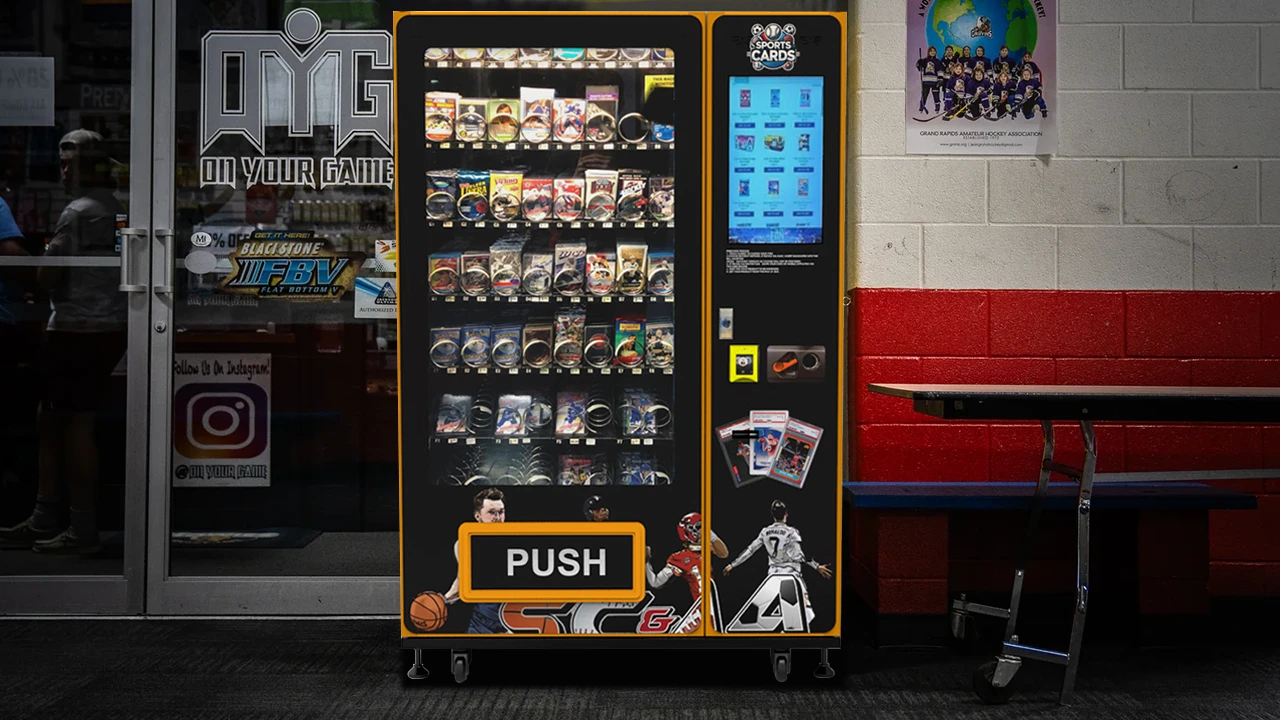
These figures are based on my experience and conversations with other operators. They are not guarantees. A location that looks perfect on paper can underperform if the management changes or the workforce shifts.
Operating Costs You Might Not Expect
New operators often underestimate the ongoing costs. Beyond the machine and the products, you have to account for insurance, business licenses, sales tax registration, and potentially health permits if you sell fresh food. In some European countries, you need to register with local health authorities if you sell perishable items.
Electricity is another cost that adds up. A refrigerated vending machine can consume between 5 and 15 kWh per day, depending on the model and ambient temperature. At average European electricity rates of €0.20 per kWh, that is €30 to €90 per month per machine. In the US, at $0.12 per kWh, it is about $18 to $54 per month. Energy-efficient machines, like those from Zhongda Smart, use better insulation and LED lighting, which can cut electricity costs by 20% to 30%.
Credit card processing fees are often overlooked. Most payment processors charge a flat fee plus a percentage. For a machine doing $800 per month in sales, processing fees can be $20 to $30. That does not sound like much, but across 20 machines, it adds up to $400 to $600 per month. Negotiate your processing rates. I use a processor that specializes in vending and got my rate down to 2.2% plus $0.10 per transaction.
Vending machine repair is another variable. I budget about $200 per machine per year for repairs and parts. Some years I spend less, some years more. Machines that are poorly built or older than 10 years will cost more. I have learned to avoid machines with proprietary parts that are hard to source. Always ask the supplier if replacement parts are readily available and how long it takes to get a technician.
How to Avoid Common Newbie Mistakes
I have made almost every mistake you can make in this business. Here are the ones I see most often from new operators:
- Buying too many machines too fast. Start with one or two machines. Learn the restocking rhythm, understand the sales data, and build relationships with location managers before scaling.
- Ignoring the product mix. You cannot just fill a machine with whatever is on sale. You need to analyze what sells in that specific location. I have seen a machine full of healthy snacks fail in a construction site, and a machine full of candy bars fail in a yoga studio. Match the products to the demographic.
- Underestimating the time commitment. Restocking a single machine might take 30 minutes, but driving to the location, checking inventory, and cleaning takes longer. A route of 10 machines can easily take 8 to 10 hours per week, not including administrative work.
- Skipping the contract. Always have a written agreement with the location owner. Specify the commission structure, who handles electricity, who is responsible for damage, and how either party can terminate the agreement. Verbal agreements lead to disputes.
- Choosing the wrong payment system. As I mentioned, cash-only machines are dying. Invest in a machine that supports contactless payments from day one. Retrofitting an old machine with a new payment system can cost $300 to $600.
Self-Service Kiosk and Automated Retail Trends
The line between traditional vending machines and self-service kiosks is blurring. Many modern machines are essentially automated retail stores. They can sell items that were once impossible to vend, like fresh salads, hot pizza, or even electronics. In Europe, you see more borne en libre-service in train stations and airports, offering everything from headphones to travel pillows.
These advanced machines cost more but can command higher prices. A fresh food vending machine in a hospital might sell a salad for $7.00 that costs $2.50 to source. The margin is good, but the spoilage risk is higher. You have to monitor expiration dates closely and rotate stock frequently. I have found that a machine en libre-service with fresh food needs to be visited at least three times per week, which increases labor costs.
The solution de vente automatisée model is also growing in popularity for small businesses. Instead of buying machines, some operators partner with manufacturers to place machines on a revenue-sharing basis. This reduces your upfront investment but also limits your profit potential. I generally prefer owning my machines because the long-term returns are better, but the partnership model can be a good way to test the waters without major capital outlay.
How to Choose a Supplier or Manufacturer
When you are ready to buy equipment, do not just look at the price. Look at the warranty, the availability of spare parts, the quality of the payment system, and the energy efficiency. Ask for references from other operators. A good supplier will be happy to provide them.
I have worked with several manufacturers over the years. Zhongda Smart has been reliable in terms of build quality and after-sales support. Their machines come with remote monitoring software that lets me check inventory levels and sales data from my phone. That feature alone saves me hours of driving each month. I am not saying they are perfect for everyone, but if you are sourcing machines for a new route, they are worth a conversation.
Also consider the supplier's ability to customize. Some locations require specific branding or color schemes. Some machines need to fit in tight spaces. A flexible manufacturer can make the difference between landing a great location and losing it to a competitor.
FAQ: Vending Machine Business Questions from Real People
Is the vending machine business profitable?
Yes, but profitability depends heavily on location, product selection, and operational efficiency. A single machine can net between $50 and $250 per month after all expenses. With a route of 20 to 30 machines, you can earn a full-time income. However, many machines fail because of poor location choices or high maintenance costs.
How much does a vending machine cost?
A new combination snack and drink machine costs between $3,000 and $8,000. High-end coffee machines can cost up to $15,000. Used machines range from $1,500 to $3,000, but they may require more frequent vending machine repair. Always factor in the cost of a payment system, which adds $300 to $600 if not included.
How long does it take to recoup the investment?
Based on my experience, a well-placed machine in a good location can pay for itself in 12 to 18 months. Machines in top-tier locations like busy hospitals or factories can recoup costs in 8 to 10 months. Poor locations may never pay off. Do not expect to break even in three months; that is unrealistic.
Should a beginner buy or lease vending machines?
I recommend buying if you have the capital. Leasing or revenue-sharing models reduce upfront risk but cap your upside. If you buy, you own the asset and keep 100% of the profit after location commission. If you lease, you may pay monthly fees that eat into your margin.
For beginners, I suggest starting with one or two owned machines. Learn the business before scaling. Once you understand the rhythm, you can expand with confidence.
Where should I place my vending machine?
Look for locations with high foot traffic and captive audiences. Manufacturing plants, hospitals, college dormitories, and large office buildings are ideal. Avoid locations with existing vending machines or on-site cafeterias unless you have a unique product offering. Always visit the location at different times of the day to gauge traffic patterns.
What permits or licenses do I need?
Requirements vary by country and region. In the US, you typically need a business license, a seller's permit, and possibly a food handler's permit if you sell perishable items. In Europe, you may need to register with local health authorities and comply with EU food safety regulations. Check with your local chamber of commerce or small business association.
How do I choose a vending machine supplier?
Look for a supplier with a strong warranty, good customer support, and a track record of reliability. Ask for references and read reviews from other operators. Consider the availability of spare parts and the cost of shipping. I have found Zhongda Smart to be a solid choice for modern, energy-efficient machines, but always compare multiple suppliers before making a decision.
What happens if my machine breaks down?
You need a plan for vending machine repair. Some operators learn basic troubleshooting themselves, which saves money. Others rely on local repair technicians. I recommend joining a vending operator group on social media or forums where you can get quick advice. Always keep a backup machine or spare parts for common failures like coin jams or card reader issues.
How can I reduce restocking and maintenance costs?
Use a route management software to track inventory and sales data. Only visit machines when they need restocking, not on a fixed schedule. Choose machines with remote monitoring so you can see stock levels from your phone. Buy energy-efficient machines to lower electricity costs. And invest in quality equipment to reduce breakdowns.
Final Thoughts from a Ten-Year Operator
The vending machine business is not a shortcut to wealth, but it can be a solid, scalable business if you approach it with discipline. I have seen operators build successful companies with 50 or 100 machines, and I have seen others quit after six months because they jumped in without understanding the costs. The difference is always in the details: location selection, equipment quality, product mix, and operational efficiency.
If you are serious about getting started, do your homework. Talk to current operators. Visit potential locations. Start small. And never assume that a machine will perform the same in two different places. Every location is a new experiment.
This article reflects my personal experience and publicly available data from sources like IBISWorld, Statista, and the National Automatic Merchandising Association (NAMA). The numbers I shared are estimates based on real-world operation and should not be taken as guarantees. Your results will vary based on your market, your choices, and your effort.
Sources and References:
IBISWorld – Vending Machine Industry Report (2023)
Statista – Contactless Payment Usage in Vending (2023)
National Automatic Merchandising Association (NAMA) – Operator Profit Margin Data (2022)
European Vending Association (EVA) – Machine Density Report (2022)