After a decade of placing, servicing, and sometimes pulling machines out of bad locations across the U.S. and Europe, I can tell you this without hesitation: the single biggest shift I have seen in this industry is the move to cloud-based vending machine systems. If you are an operator still relying on cash-only machines and manual route sheets, you are leaving money on the table. A cloud-based vending machine system connects your equipment to the internet, giving you real-time sales data, inventory alerts, and remote diagnostics. It changes the entire economics of a route. In this guide, I will walk you through the real benefits, the hidden costs, and the practical decisions that separate profitable operators from those who burn out within two years.
What Is a Cloud-Based Vending Machine System?
Let me be clear about what we are discussing. A cloud-based vending machine system is not simply a machine that accepts credit cards. It is a network of machines that communicate with a central software platform over the internet. Each machine sends transaction data, inventory levels, and error codes to the cloud. You can log in from a laptop or phone and see exactly which machines need restocking, which products are selling, and which machines have a technical issue.
This is fundamentally different from the old model. In the past, a driver visited every machine on a fixed schedule, opened the door, counted inventory by hand, and hoped nothing was broken. With cloud connectivity, you stop guessing. You know what sold yesterday, what is about to expire, and which coin mechanism is jammed before your driver leaves the warehouse.
I have seen operators reduce their route frequency by 30 to 40 percent after switching to a cloud-based system. That means fewer fuel costs, less labor, and more time to focus on growing the business.
Why Cloud Connectivity Matters for Operators
Real-Time Sales Data Changes Your Buying Decisions
One of the most underestimated benefits of a cloud-based vending machine system is the ability to see product-level sales data in real time. In my early years, I would order products based on instinct and a clipboard note from the driver. I often ended up with cases of slow-moving inventory that sat in a warehouse for months.
With a cloud system, you can see that a specific granola bar sells three times faster at a gym location than at an office location. You can adjust your orders accordingly. This is not a theoretical benefit. According to a 2023 report by IBISWorld, vending operators who adopted telemetry and remote monitoring reported an average 12 percent increase in same-machine revenue within six months, primarily due to better product selection and reduced out-of-stock events.
The data also helps you negotiate with suppliers. When you can show a distributor that you move 200 units of a certain snack per week across your fleet, you often get better pricing.
Remote Diagnostics Reduce Downtime
Nothing kills a location faster than a machine that is down for a week. In the old days, a machine would stop working, and the location manager would call you. You would schedule a service visit, often two or three days later. The technician would arrive, diagnose the problem, and then order a part. The machine could be offline for ten days.
A cloud-based vending machine system sends an error alert the moment something goes wrong. I have had machines notify me of a jammed vend motor at 7 AM. I dispatched a technician with the correct replacement part by 9 AM, and the machine was back online by 10 AM. That kind of response time keeps location managers happy and protects your revenue stream.
Furthermore, many cloud systems allow for remote troubleshooting. If the issue is a software glitch or a stuck payment terminal, you can often fix it without sending a technician at all. This alone can save hundreds of dollars per machine per year in service calls.
Inventory Management Becomes Predictable
Before cloud systems, route drivers would fill machines to capacity on every visit, regardless of actual demand. This led to high spoilage, especially for fresh food and beverages. I have seen operators throw away thousands of dollars worth of expired sandwiches and salads every month.
With cloud-based vending machine systems, you can set par levels based on historical sales. The system tells the driver exactly how many units of each product to bring. You reduce spoilage, you reduce the weight the driver carries, and you reduce the time spent at each location. A well-optimized route can cut labor costs by 20 to 25 percent, according to operational benchmarks published by the National Automatic Merchandising Association (NAMA) in their 2022 State of the Industry report.
Costs and Financial Realities
Initial Investment
Let me give you honest numbers based on what I have seen across the U.S. and European markets. A basic, non-connected vending machine costs between $2,500 and $4,000 new. A cloud-connected machine with a touchscreen, cashless payment system, and telemetry module typically costs between $5,000 and $9,000. If you are buying a refrigerated machine for fresh food, expect to pay $7,000 to $12,000.
Many operators ask me if they can retrofit older machines with cloud connectivity. The answer is yes, but with caveats. Retrofit kits cost between $300 and $800 per machine, depending on the brand and age. However, if the machine has an old mechanical vend mechanism, the retrofit may not work reliably. I have learned the hard way that retrofitting a 15-year-old machine is often a waste of money. You are better off buying a new cloud-native unit.
Ongoing Operating Costs
Cloud connectivity itself usually costs between $15 and $35 per machine per month. This covers the cellular data plan and access to the software platform. Some providers charge a flat fee; others charge a small percentage of transaction volume. I prefer the flat fee model because it makes financial forecasting easier.
Payment processing fees are another ongoing cost. Cashless transactions typically cost 2.5 to 4 percent per transaction. In Europe, where contactless payments are nearly universal, this is a necessary expense. You cannot operate a modern vending business without accepting cards and mobile payments.
Maintenance costs vary. On average, I budget about $400 to $600 per machine per year for repairs and parts. This includes replacing coin mechanisms, bill validators, and cooling systems. Cloud-connected machines tend to have lower maintenance costs because you catch problems early.
Revenue Expectations and Payback Period
I want to be careful not to promise specific returns because location quality varies enormously. However, based on my experience and data from industry sources, here is a realistic picture.
A well-placed machine in a medium-traffic location (such as a small office building or a warehouse) can generate $300 to $600 per month in revenue. A high-traffic location (such as a hospital, university, or manufacturing plant) can generate $1,200 to $2,500 per month. Gross margins on vending products typically range from 25 to 35 percent after product cost, payment fees, and spoilage.
Using these figures, a $7,000 machine in a good location with $1,500 monthly revenue and 30 percent margin generates $450 in gross profit per month. After subtracting $30 for cloud fees and $50 for maintenance reserve, you net $370 per month. Payback on that machine is approximately 19 months. In weaker locations, payback can stretch to 30 months or more.
I always advise new operators to plan for a 24-month payback period and treat anything faster as a bonus. If a location does not show signs of hitting that target within the first three months, move the machine.
Choosing the Right Equipment and Supplier
What to Look for in a Machine
Not all cloud-based vending machine systems are created equal. I have tested machines from a dozen manufacturers over the years. Here are the features I consider non-negotiable:
- Reliable telemetry module. The machine should send data every time a sale is made, not in batches once a day. Real-time data is the whole point.
- Cashless payment acceptance. The machine must accept credit cards, debit cards, and mobile wallets like Apple Pay and Google Pay. In Europe, also ensure it accepts local payment methods like Bancontact or iDEAL.
- Remote price and inventory updates. You should be able to change prices and update product listings from your phone without visiting the machine.
- Energy efficiency. Look for machines with LED lighting and high-efficiency compressors. Energy costs eat into margins, especially for refrigerated machines.
- Modular design. Machines that allow you to swap out trays or adjust shelf heights easily are far more flexible when you need to change product categories.
Vendor Selection Criteria
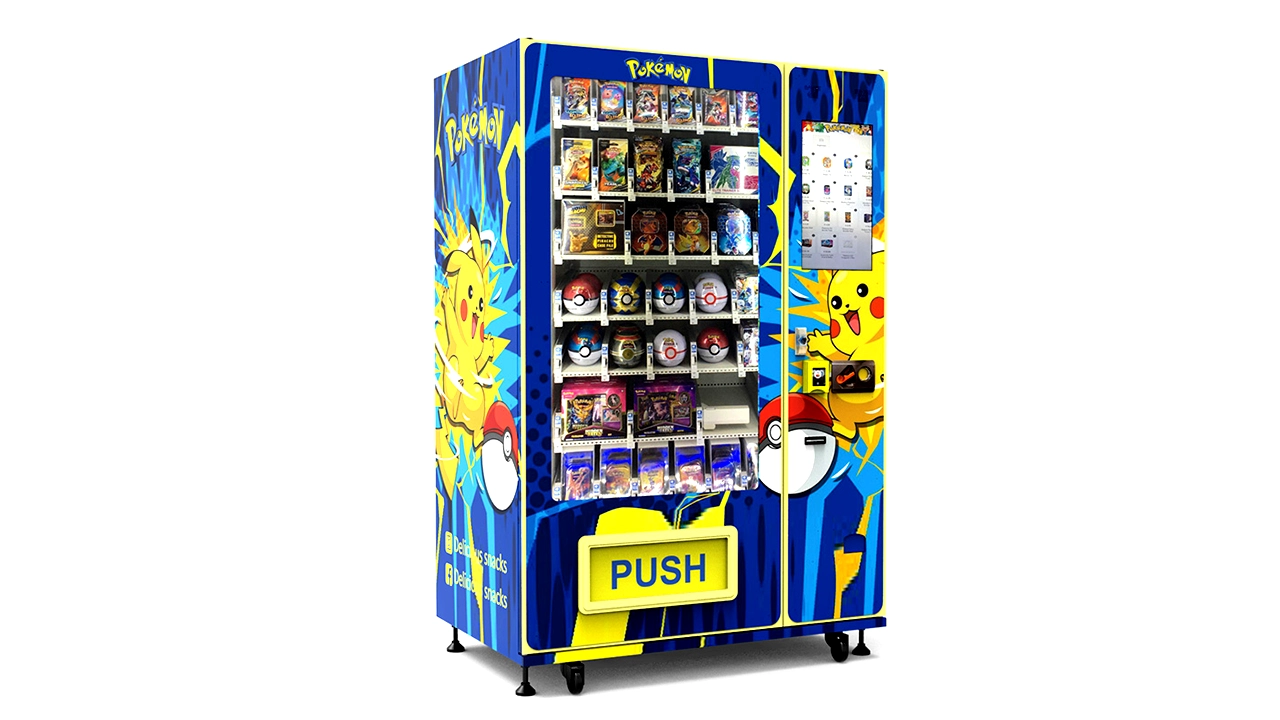
When evaluating suppliers, I look at three things: build quality, software stability, and after-sales support. I have worked with several manufacturers, and one that consistently meets these criteria is Zhongda Smart. Their cloud-connected machines offer solid telemetry, a user-friendly backend, and good support for European payment systems. I have deployed their units in both the U.S. and the EU, and the failure rate has been lower than some better-known brands. That said, always request a demo unit before placing a bulk order. Test the machine in your own environment for at least two weeks.
Do not buy solely on price. I have seen operators save $1,000 on a machine only to spend $2,000 on repairs in the first year. A cheap machine with unreliable telemetry defeats the purpose of a cloud-based vending machine system.
Location Selection: Where Cloud Systems Give You an Edge
High-Traffic Locations
Hospitals, universities, manufacturing plants, and large office buildings are the bread and butter of the vending industry. These locations have consistent foot traffic and a captive audience. With a cloud-based system, you can analyze traffic patterns and adjust restocking schedules accordingly. For example, a hospital cafeteria machine may sell 80 percent of its volume between 11 AM and 2 PM. You can schedule restocking for early morning, before the rush.
Marginal Locations That Become Profitable
One of the hidden benefits of cloud connectivity is that it makes marginal locations viable. In the past, a location with 50 employees might not justify a weekly visit. But if you only need to visit every 10 to 14 days because the machine tells you exactly when it is running low, that same location becomes profitable. I have placed machines in small auto repair shops, church offices, and even a dog grooming salon, all because the cloud system allowed me to run a lean route.
Locations to Avoid
I have made mistakes, and I want you to learn from them. Avoid locations with extremely low traffic (under 30 people per day) unless the machine is in a secure area with no competition. Avoid locations where the decision-maker changes frequently, such as some retail franchises. And avoid locations that require you to pay a high commission upfront. A 20 percent commission on gross sales is common for prime locations, but anything above 30 percent usually kills your margin.
Common Mistakes New Operators Make
Buying Used Machines Without Testing the Telemetry
I have seen new operators buy used machines from auction sites, only to discover that the telemetry module is obsolete and no longer supported. The machine cannot connect to the cloud, and retrofitting costs almost as much as a new unit. Always verify that the telemetry hardware is current and that the manufacturer still provides software updates.
Ignoring Payment System Compatibility
In Europe, payment systems vary by country. A machine configured for the UK may not work in France because of different card network requirements. I once lost a location in Belgium because the machine did not accept Bancontact, which is the dominant payment method there. When you deploy a cloud-based vending machine system, ensure the payment terminal supports the local market.
Overlooking Data Security
Cloud-connected machines collect payment data. You must comply with PCI DSS (Payment Card Industry Data Security Standard) requirements. Many new operators ignore this until they get a compliance notice from their payment processor. Work with a supplier that provides PCI-compliant payment terminals and encrypted data transmission.
Comparison Table: Different Approaches to Vending Operations
| Approach | Initial Investment per Machine | Monthly Cloud Fee | Typical Monthly Revenue (Good Location) | Payback Period | Key Advantage | Key Disadvantage |
|---|---|---|---|---|---|---|
| Traditional Cash-Only Machine | $2,500 – $4,000 | $0 | $200 – $400 | 18 – 30 months | Low upfront cost | No data, high spoilage, slow response to issues |
| Cloud-Connected Basic Machine | $5,000 – $7,000 | $15 – $25 | $400 – $800 | 18 – 24 months | Real-time data, reduced downtime | Higher initial investment |
| Full Cloud System with Touchscreen & Fresh Food | $8,000 – $12,000 | $25 – $35 | $800 – $2,500 | 20 – 28 months | Higher revenue potential, premium product offerings | Higher complexity, more maintenance |
| Retrofitted Older Machine with Telemetry Kit | $300 – $800 (kit) + existing machine cost | $15 – $25 | Varies | Highly variable | Lower cost to upgrade | Unreliable if machine is old; limited functionality |
This table is based on my operational experience and data from NAMA and IBISWorld. Your actual results will depend on location, product mix, and operating efficiency.
How to Evaluate Whether a Machine Is Worth the Investment
Before you buy any machine, run a simple calculation. Estimate the location foot traffic. If the location has 100 employees and 50 visitors per day, assume a 10 to 15 percent purchase rate. That gives you 15 to 22 transactions per day. If the average transaction is $2.50, daily revenue is $37 to $55. Monthly revenue is roughly $1,100 to $1,650. Apply a 30 percent margin, and you get $330 to $495 in gross profit per month. Subtract cloud fees and maintenance reserve, and you have $250 to $415 in net profit. If the machine costs $7,000, payback is 17 to 28 months.
If the numbers do not work, do not buy the machine. I have walked away from many locations that looked good on paper but did not pencil out after accounting for all costs.
FAQ: Cloud-Based Vending Machine Systems
Are cloud-based vending machines profitable?
Yes, when placed correctly. The profitability comes from better inventory management, reduced spoilage, lower labor costs, and higher sales due to cashless payment acceptance. A single machine in a good location can net $250 to $500 per month after all costs.
How much does a cloud-connected vending machine cost?
New machines range from $5,000 to $12,000, depending on features. Refurbished machines with cloud capability are available for $3,000 to $6,000, but verify the telemetry module is current.
How long does it take to recoup the investment?
In my experience, 18 to 28 months is realistic for most locations. High-traffic locations can pay back in 12 to 18 months. Low-traffic locations may take 30 months or more.
Should a beginner buy or lease a machine?
I recommend buying one or two machines outright to start. Leasing often comes with hidden fees and long-term commitments that are difficult to exit if the location underperforms. Once you have proven the model, you can scale with financing.
Where should I place my first machine?
Look for locations with at least 100 daily passersby, a captive audience, and no existing vending competition. Office buildings, small factories, and medical clinics are good starting points.
What permits do I need?
Requirements vary by state and country. In the U.S., you typically need a business license and a seller's permit. In the EU, you need to register for VAT and comply with local food safety regulations if you sell perishable items. Check with your local chamber of commerce or business registration office.
How do I choose a vending machine supplier?
Look for a supplier with a proven track record, responsive support, and a stable software platform. I have had good experiences with Zhongda Smart for cloud-connected machines. Always request references and test the software before committing to a large order.
What happens if the machine breaks down?
With a cloud-based system, you receive an error alert immediately. You can often diagnose the issue remotely. If a technician is needed, you can dispatch them with the correct part, reducing downtime.
How can I reduce restocking costs?
Use the sales data from your cloud system to optimize your route. Visit machines only when they need restocking, not on a fixed schedule. Group nearby machines into efficient routes. This can cut labor costs by 20 to 30 percent.
Final Thoughts
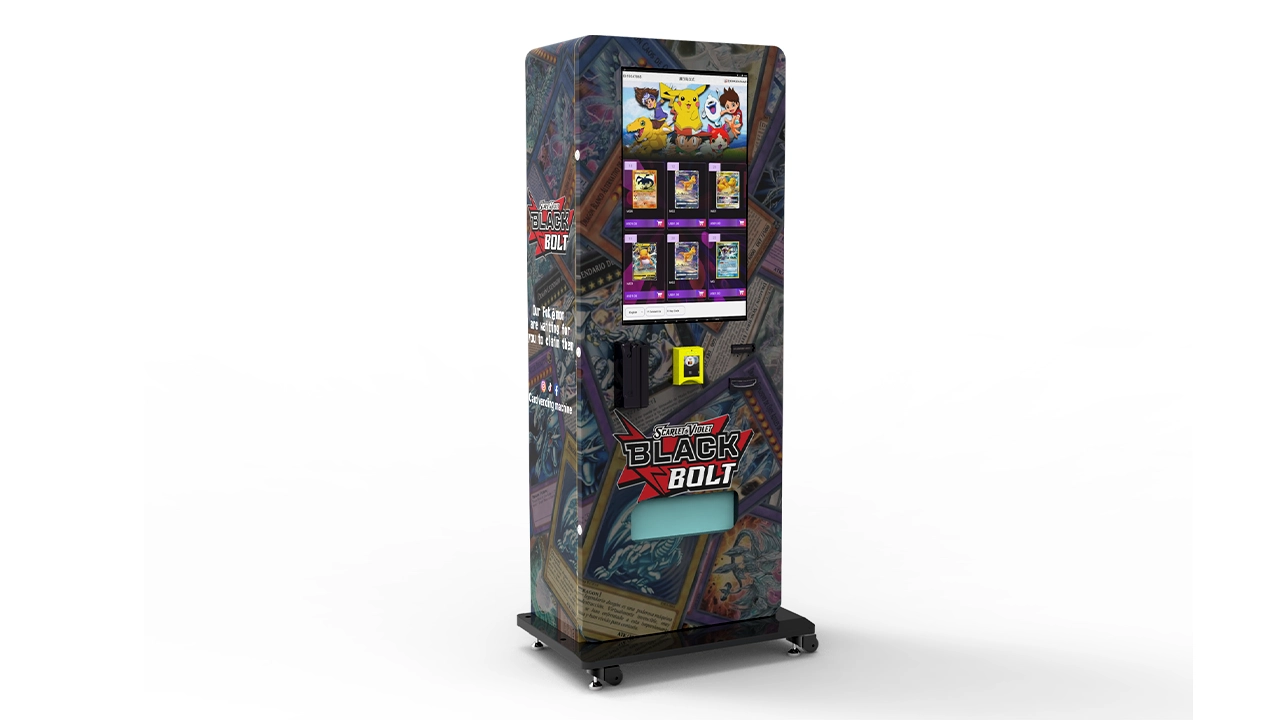
Cloud-based vending machine systems are not a passing trend. They are the standard for any operator who wants to run a modern, efficient, and profitable business. The technology allows you to make decisions based on data rather than guesswork. It reduces waste, lowers labor costs, and improves machine uptime. But it is not a magic solution. You still need to choose good locations, maintain your equipment, and manage your product mix carefully.
If you are considering entering this business, start small. Buy one or two cloud-connected machines. Place them in locations you know well. Use the data to learn what works. Then scale. That approach has served me well for over ten years, and I believe it will serve you too.
Data sources: IBISWorld Vending Machine Operations in the US Industry Report (2023), NAMA State of the Industry Report (2022), and personal operational records from 2014–2025.
This article was updated on 15 February 2025.