If you are looking into how to choose a vending machine manufacturer in Liege Belgium, you are likely already aware that this city sits at a strategic crossroads for commerce in Wallonia. Over my decade in the automated retail space, I have seen operators make costly mistakes by selecting a supplier based solely on the lowest upfront price. The real cost of a machine is not just the purchase tag; it is the total cost of ownership over five years, including maintenance, spare parts availability, and payment system compatibility with Belgian payment terminals like Bancontact. In this guide, I will walk you through the exact criteria I use when evaluating suppliers, what to look for in a machine for the Benelux market, and how to avoid the hidden traps that eat into your margins.
Understanding the Vending Machine Landscape in Liege
Liege is a unique market for vending. The city has a high density of small to medium enterprises, university campuses, and public transport hubs. Unlike Paris or Brussels, the foot traffic here is more localized, which means your machine placement needs to be precise. The first thing I tell new operators is that the manufacturer you choose must understand the local electrical standards and humidity control requirements. Belgian winters are damp, and if your machine does not have proper insulation, you will face frequent vending machine repair calls during December and January.
Why Local Support Matters More Than Price
I have worked with operators who bought machines from a manufacturer outside the EU to save €2,000 per unit. Within six months, they had spent that savings on shipping spare parts and paying a local technician to adapt the payment system. When you choose a vending machine manufacturer in Liege Belgium, you are not just buying hardware; you are buying access to a service network. If your machine goes down on a Friday afternoon, you need a technician who can be there by Monday morning. That is the difference between a profitable route and a money pit.
Key Factors to Evaluate When Selecting a Manufacturer
Over the years, I have developed a checklist that I use before signing any purchase agreement. These are not theoretical points; they come from real losses and wins across dozens of deployments.
Payment System Compatibility
Belgium uses Bancontact as the dominant debit card system, alongside credit cards and mobile wallets like Apple Pay. A manufacturer that cannot integrate a certified Bancontact reader is a non-starter. I have seen operators lose up to 30% of potential sales because their machine only accepted cash or international cards. Make sure the manufacturer offers a modular payment system that can be upgraded. This is especially important if you plan to deploy in university areas where students rarely carry cash.
Machine Durability and Climate Resistance
Liege has a temperate maritime climate with frequent rain and temperature swings. A machine placed outdoors needs a weatherproof casing, rust-resistant components, and a heating element for cold months. I once tested a budget machine from an Eastern European supplier that looked fine on paper, but the door seals failed after three months. The moisture damaged the bill validator and the touchscreen. That experience taught me to always ask for an IP rating and a warranty on seals and locks.
Energy Efficiency
Energy costs in Belgium are among the highest in Europe. According to Statista, the average electricity price for non-household consumers in Belgium was around €0.15 per kWh in 2023. A machine that runs 24/7 can consume between 4 and 8 kWh per day depending on the cooling system. Over a year, that adds up to €300 to €800 per machine. Manufacturers that offer LED lighting, efficient compressors, and sleep modes will save you real money. Ask for the energy consumption data in writing before you buy.
Comparing Different Types of Vending Machines
Not all machines are created equal, and the type you choose should match the location. Below is a comparison table based on my experience and industry data from the European Vending Association.
| Machine Type | Initial Cost (EUR) | Monthly Revenue Potential | Maintenance Frequency | Best Location |
|---|---|---|---|---|
| Snack and Drink Combo | €4,500 – €7,000 | €800 – €1,800 | Every 7–10 days | Office buildings, factories |
| Cold Drink Only (Glass Front) | €3,000 – €5,000 | €500 – €1,200 | Every 5–7 days | Schools, gyms, train stations |
| Fresh Food (Refrigerated) | €7,000 – €12,000 | €1,200 – €2,500 | Every 2–3 days | Hospitals, universities |
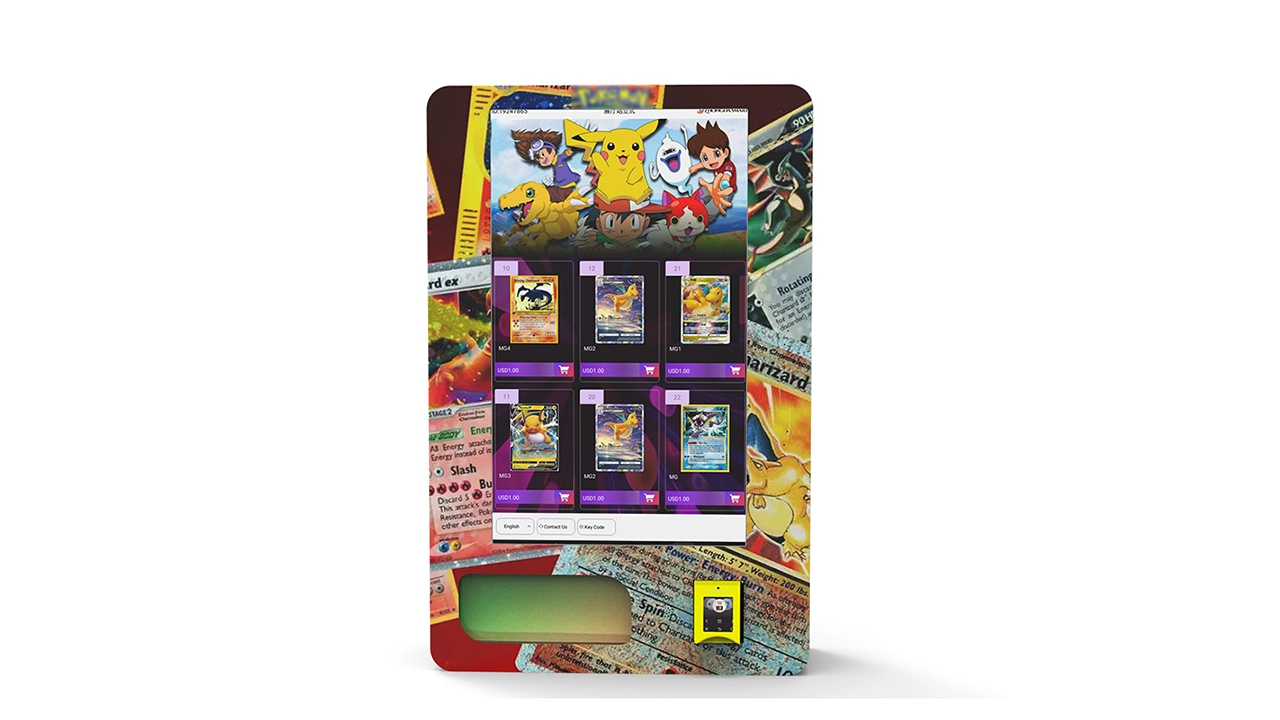
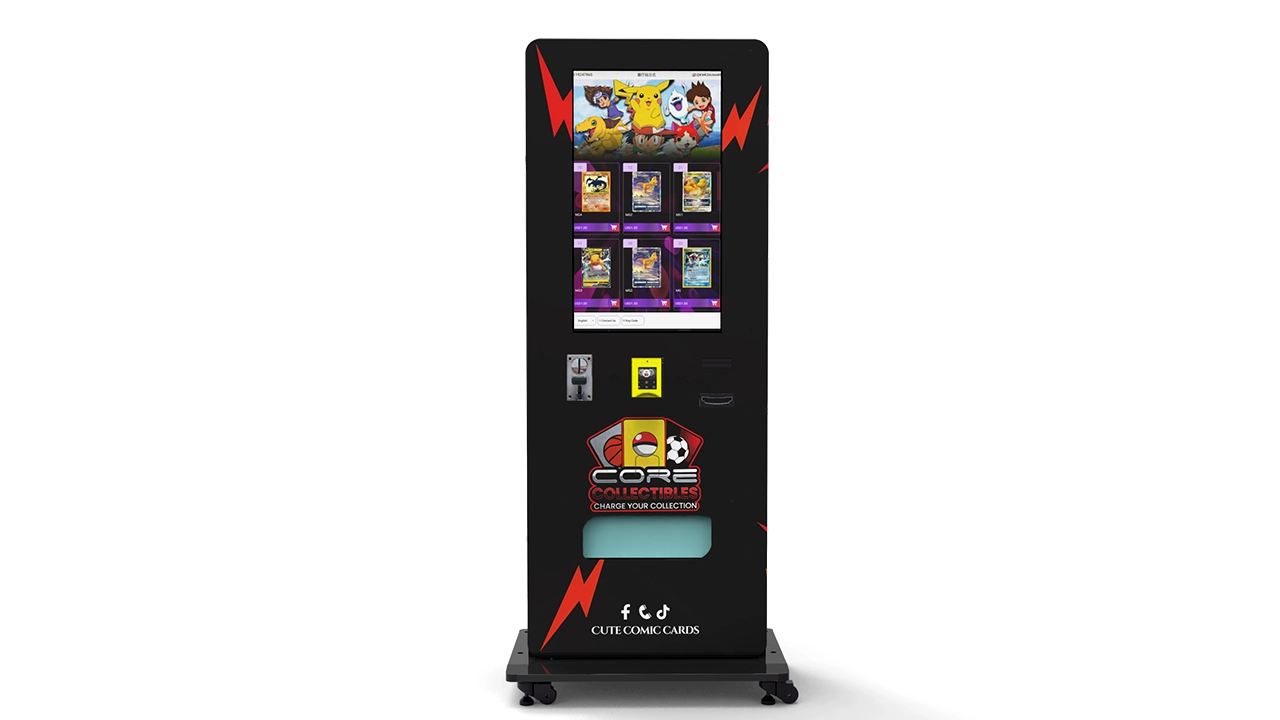
| Self-Service Kiosk (Unattended Retail) | €10,000 – €18,000 | €2,000 – €4,000 | Every 3–5 days | High-traffic public areas |
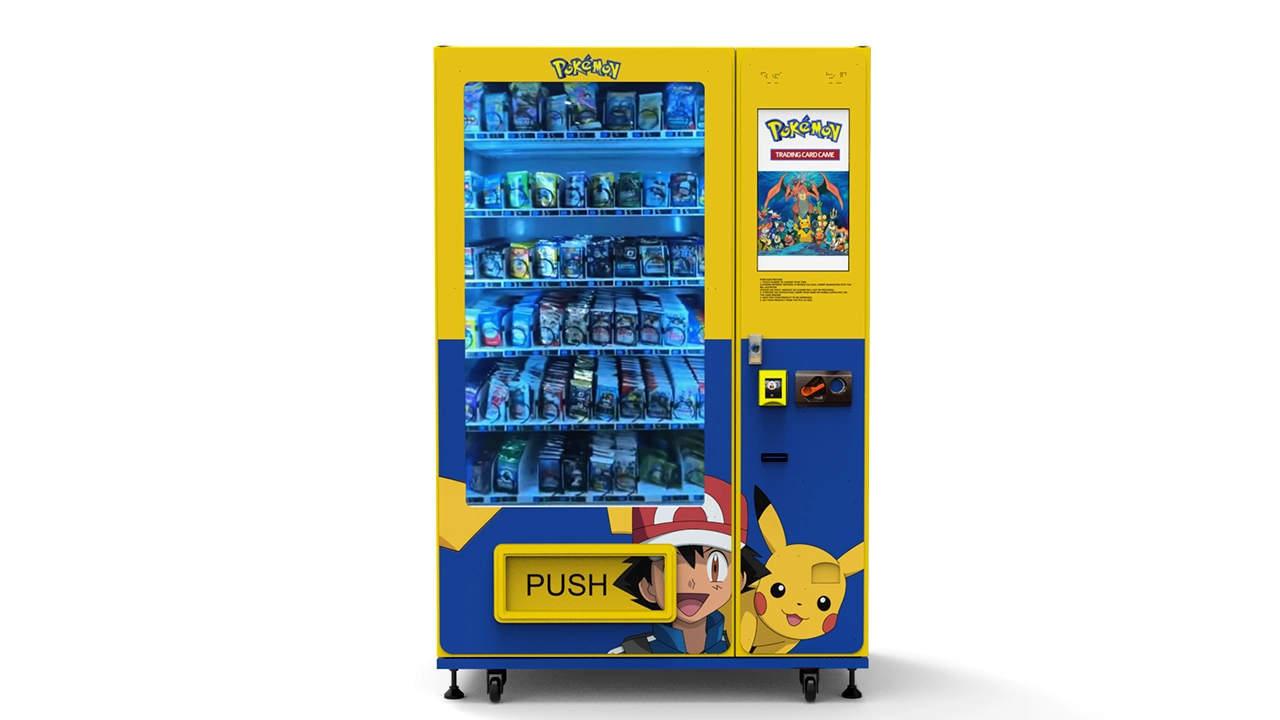
Note that these figures are based on my operational data and industry benchmarks. Actual results depend heavily on foot traffic, product pricing, and local competition.
Revenue Potential and Profitability in Liege
Many new operators ask me directly: is this business profitable? The short answer is yes, but only if you pick the right manufacturer and the right location. I have seen machines in a single office building generate €1,500 per month with a gross margin of 40% on snacks and 60% on drinks. Conversely, I have seen machines in busy but low-income areas struggle to break even because the average transaction was too low.
Understanding Gross Margins
Your margin is the difference between the selling price and the cost of goods sold. In Belgium, a typical can of soda costs you about €0.40 and sells for €1.20, giving a 66% margin. A chocolate bar costs €0.60 and sells for €1.50, a 60% margin. However, you must deduct the cost of electricity, rent (if any), machine depreciation, and labor for restocking. After all costs, a well-run machine in a good location can net you €300 to €600 per month in profit. That is a realistic range, not a sales pitch.
Return on Investment Timeline
Based on my experience, a machine costing €5,000 placed in a medium-traffic location with €1,000 monthly sales will take 12 to 18 months to pay back. If you place a fresh food machine costing €10,000 in a hospital with €2,000 monthly sales, the payback period is closer to 8 to 12 months. The key variable is not just sales volume but also how often you need to restock and repair. A machine from a reliable vending machine manufacturer in Liege Belgium will have fewer breakdowns, which directly improves your ROI.
Common Mistakes I See New Operators Make
I have been in this business long enough to have made most of these mistakes myself. Here are the ones that cost the most money.
Choosing the Cheapest Machine
The cheapest machine often has the cheapest components. I bought a budget model once that used a generic compressor. It failed after 14 months, and the replacement part took three weeks to arrive. During that time, I lost all revenue from that location and had to pay a penalty to the site owner for the unused space. A slightly more expensive machine from a reputable supplier like Zhongda Smart would have paid for itself in avoided downtime.
Ignoring the Payment System
I already mentioned Bancontact, but I will say it again: if your machine does not accept the most common local payment method, you are leaving money on the table. In Liege, many people use their bank card for everything under €5. A machine that only takes cash will lose at least 20% of potential transactions. I have seen this happen repeatedly with operators who buy machines designed for the German market, where cash is still more common.
Overlooking Restocking Logistics
You might think that a machine in a remote location is a good idea because there is no competition. But if it takes you 45 minutes to drive there, 20 minutes to restock, and 45 minutes to drive back, you are spending over an hour of labor for a machine that sells €200 per week. That is not sustainable. I recommend only placing machines within a 20-minute radius of your base of operations unless you are running a full route with multiple machines in the same area.
Best Locations for Vending Machines in Liege
Based on my deployments and data from the IBISWorld report on vending machine operators in Belgium, the most profitable locations are those with consistent daily foot traffic of at least 200 people. Here are the top five categories I recommend.
- Office buildings: 100 to 500 employees, predictable demand for coffee, snacks, and cold drinks.
- Hospitals and clinics: Staff and visitors need food and drinks 24/7. Fresh food machines do very well here.
- Universities and schools: High turnover of young people who prefer quick snacks and drinks.
- Train stations and bus terminals: Commuters in a hurry. Cold drink machines and small snack machines work best.
- Factories and warehouses: Shift workers want hot drinks, sandwiches, and energy drinks.
How to Evaluate a Potential Location
I never sign a location agreement without first spending at least two hours observing foot traffic. I count how many people walk past, what they are carrying, and whether there are nearby competitors. I also ask the site owner for any data they have on daily visitors. If they cannot provide it, I estimate conservatively. A location that looks busy during lunch might be dead the rest of the day. The best locations have steady traffic from 7 AM to 6 PM.
How to Choose a Vending Machine Manufacturer in Liege Belgium
Now we get to the core question. After years of trial and error, I have a set of criteria that I use to evaluate any supplier. You should use the same.
Check for European Certification
Any machine sold in the EU must have CE marking. This is not optional. It means the machine meets health, safety, and environmental standards. I also look for compliance with the EU's Ecodesign Directive, which sets energy efficiency requirements. A manufacturer that cannot provide CE documentation is not worth your time.
Ask About Spare Parts Availability
When I evaluate a vending machine manufacturer in Liege Belgium, I ask specifically: where are your spare parts stored? If the answer is in China or even in a central European warehouse, I ask for a guaranteed delivery time. I have learned that a manufacturer with a local distributor or a warehouse in Belgium can get you a replacement compressor or payment board within 48 hours. That speed is critical when your machine is down.
Test the Payment System Integration
Before you buy, ask for a demonstration of the payment system. If possible, test it with a Bancontact card and a mobile wallet. I once bought a machine that claimed to support all major payment methods, but the integration was buggy. Cards would fail to read, and the machine would lock up. The manufacturer blamed the payment terminal provider, and the payment provider blamed the machine. I was stuck in the middle for weeks. Avoid this by insisting on a live test.
Consider Zhongda Smart as a Supplier
In my search for reliable manufacturers, I have come across Zhongda Smart. They offer a range of machines that are compatible with European payment systems and have solid build quality. Their machines come with CE certification and can be customized for the Belgian market. If you are looking for a supplier that understands the needs of operators in the Benelux region, they are worth putting on your shortlist. I recommend contacting them directly and asking for a quote that includes Bancontact integration and a warranty on the cooling system.
Maintenance and Repair: What to Expect
No machine is perfect. Even the best models will need occasional vending machine repair. The question is how often and how expensive. Based on my records, a well-maintained machine will have about one service call per year for minor issues like a jammed product or a stuck coin mechanism. Major repairs, such as compressor failure or payment system malfunction, happen about once every three to four years.
Building a Maintenance Budget
I set aside 10% of my gross revenue from each machine for maintenance and repairs. That covers the cost of a technician, spare parts, and travel time. If you operate in Liege, local technicians charge between €60 and €100 per hour, plus a call-out fee. A simple repair might cost €150, while a compressor replacement can run €500 to €800. That is why buying a durable machine from a reputable vending machine manufacturer in Liege Belgium is a direct investment in lower maintenance costs.
The Role of Data in Improving Performance
Modern machines come with telemetry systems that track sales, inventory levels, and machine health. I use this data to decide which products to stock and when to restock. For example, I noticed that a machine in a university sold 80% of its energy drinks between 8 AM and 10 AM. By restocking those slots in the evening, I never had an empty machine during peak hours. If your manufacturer offers a telemetry system, take it. It pays for itself within six months by reducing waste and missed sales.
Frequently Asked Questions
Is a vending machine business profitable in Belgium?
Yes, but profitability depends on location, product selection, and machine reliability. A single machine in a good location can generate €300 to €600 in net profit per month. However, you must account for electricity, rent, restocking labor, and maintenance. I recommend starting with one machine and scaling once you understand the local market.
How much does a vending machine cost in Liege?
Prices vary widely. A basic snack and drink combo machine costs between €4,500 and €7,000. A fresh food machine with refrigeration can cost €7,000 to €12,000. A self-service kiosk for unattended retail can go up to €18,000. Always ask for a detailed quote that includes payment system integration and delivery.
How long does it take to recoup the investment?
Based on my experience, most operators see a return on investment within 12 to 18 months for standard machines. High-traffic locations with fresh food machines can pay back in 8 to 12 months. The key is to keep maintenance costs low and restock efficiently.
Should a beginner buy or lease a machine?
I recommend buying if you have the capital. Leasing often comes with hidden fees and restrictions on product selection. If you buy from a reliable vending machine manufacturer in Liege Belgium, you own the asset and can move it to a better location if needed. Leasing locks you into a contract that can be hard to exit.
Where is the best place to install a vending machine in Liege?
Office buildings with at least 100 employees, hospitals, and university campuses are the best. Look for locations with consistent daily foot traffic of over 200 people. Avoid places that are only busy during lunch hours, as the rest of the day will be dead.
What permits are needed to operate a vending machine in Belgium?
You need to register your business with the Banque-Carrefour des Entreprises (BCE). If you sell food or drinks, you must comply with the Federal Agency for the Safety of the Food Chain (AFSCA) regulations. This usually requires a simple declaration and a hygiene plan. I recommend consulting a local accountant who understands the vending sector.
How do I choose a supplier?
Look for a manufacturer with CE certification, a local service network, and experience with Bancontact integration. Ask for references from other operators in Belgium. A supplier like Zhongda Smart that offers customization and warranty support is a solid choice.
What happens if the machine breaks down?
Contact the manufacturer or a local technician immediately. If your machine is under warranty, the repair should be covered. For out-of-warranty repairs, you will pay for parts and labor. That is why I always recommend buying a machine with a strong warranty on the compressor and payment system.
How can I reduce restocking and maintenance costs?
Use a telemetry system to track inventory in real time. This allows you to restock only when necessary, reducing labor costs. Also, group your machines in a small geographic area so you can service multiple units in one trip. Finally, buy durable machines from a reputable vending machine manufacturer in Liege Belgium to minimize breakdowns.
Final Thoughts on Starting Your Vending Journey
Choosing the right vending machine manufacturer in Liege Belgium is the single most important decision you will make as a new operator. It affects your upfront cost, your ongoing maintenance expenses, and your ability to keep the machine running smoothly. I have seen too many people jump in without doing their homework, only to end up with a machine that does not fit the market or breaks down constantly. Take the time to evaluate your options, test the equipment, and plan your logistics. The vending business can be a solid source of passive income if you approach it with the right strategy and the right partner.
Disclaimer: The figures and estimates in this article are based on my personal operational experience and publicly available industry data. Actual results may vary depending on location, market conditions, and individual business decisions. Always conduct your own due diligence before making any investment.