If you’re looking into automated retail in Bergen, you’ve probably asked yourself: who are the top vending machine manufacturers in Bergen Norway? The honest answer is that while there are a few local distributors and service providers, most serious operators in this region end up sourcing their equipment from European or international manufacturers. In my ten years running vending operations across Norway and the broader Nordic market, I’ve learned that the best machine for a Bergen location isn’t always the one made closest to town. What matters more is reliability, after-sales support, and how well the machine handles the local climate and payment systems. Let me walk you through what I’ve seen work—and what hasn’t—so you can make a smart decision from the start.
Why the Right Manufacturer Matters More Than You Think
I’ve seen too many newcomers buy a cheap machine from an unknown supplier, only to spend more on repairs in the first year than they saved on the purchase price. In Bergen, where humidity and temperature swings can be tough on electronics, a poorly sealed machine will give you constant trouble. The manufacturer you choose determines your spare parts availability, your machine’s uptime, and ultimately your profit per square meter.
When I evaluate a vending machine manufacturer, I look at three things: build quality, payment system compatibility, and local service network. A machine that works perfectly in a dry climate might fail within months in a coastal city like Bergen. I’ve had to replace card readers and cooling units because the original manufacturer didn’t account for salt air.
What Makes a Manufacturer “Top” in Norway
The Norwegian market has specific requirements that not all manufacturers meet. For example, all payment terminals must support Vipps, the dominant mobile payment app here. If your machine only accepts cash or international credit cards, you’ll lose a significant portion of sales. I’ve seen operators install machines that worked fine in Germany but failed in Norway because of this one detail.
Another factor is energy efficiency. Norway has relatively high electricity costs, and a machine running 24/7 can eat into your margins. Manufacturers that offer energy-saving modes, LED lighting, and efficient compressors make a real difference in your monthly operating costs. I’ve calculated that switching to a modern, energy-rated machine saved me about 15% on electricity per unit annually.
Key Considerations Before You Buy
Before you even contact a manufacturer, you need to answer a few questions about your specific situation. The machine that works for a high-traffic office building is different from what you’d place in a remote gas station or a small retail shop. Let me break down the main factors I’ve learned to consider over the years.
Location and Foot Traffic
I always tell new operators: the location is 80% of the business. A mediocre machine in a great spot will outperform a top-tier machine in a dead location. In Bergen, I’ve had success in hotel lobbies, university buildings, and industrial parks. Each location demands a different machine size and product mix.
For a location with fewer than 100 daily visitors, you probably don’t need a large machine with 40+ selections. A smaller, well-stocked machine will have lower upfront cost and faster turnover. On the other hand, a busy office with 500+ employees can easily support a full-size combo machine with both snacks and drinks.
Product Mix and Machine Type
Your product selection drives everything from machine choice to profit margins. I recommend starting with a combination snack and drink machine for most locations. Pure snack machines work well in places with existing drink fountains, but in my experience, the combo machines generate higher average transaction values.
For cold drinks, you need a machine with reliable cooling. I’ve seen machines from some manufacturers fail to maintain consistent temperatures in Bergen’s cooler months because the thermostat wasn’t calibrated for Nordic conditions. Always ask about the operating temperature range before buying.
Payment Systems and Connectivity
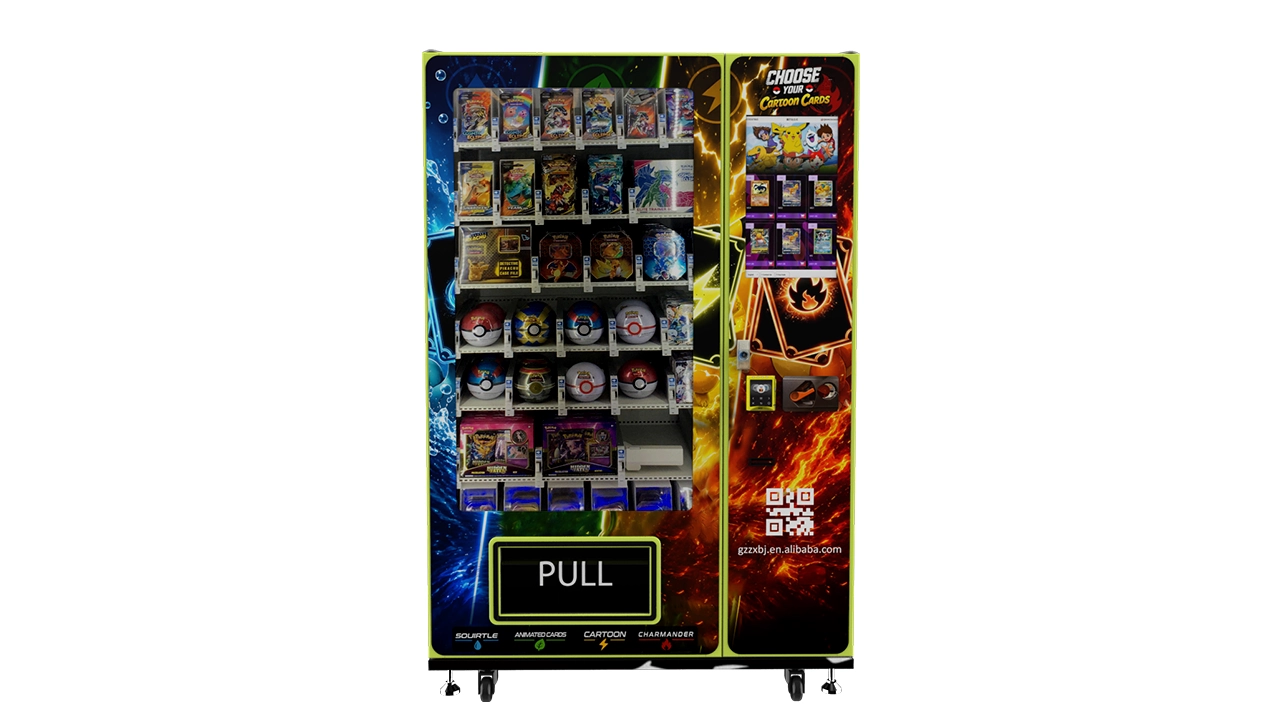
Modern vending machines need to accept multiple payment methods. Cash is declining in Norway, but some customers still use coins. Card payments are standard, and Vipps is non-negotiable. I’ve lost sales at machines that didn’t support mobile payments, especially among younger customers.
Connectivity is another critical factor. Machines with telemetry systems let you monitor inventory, sales, and machine health remotely. This feature alone can save you hours of unnecessary trips. I’ve reduced my route costs by about 30% since switching to machines with built-in data reporting.
Cost Breakdown: What You’ll Actually Spend
Let’s talk numbers. Based on my experience and industry data, here’s what you can expect to invest. These figures are estimates and will vary based on the manufacturer, features, and location.
| Machine Type | Initial Cost (NOK) | Monthly Revenue Range | Gross Margin | Typical Payback Period |
|---|---|---|---|---|
| Basic snack vending machine | 25,000 – 50,000 | 3,000 – 8,000 | 25% – 35% | 12 – 24 months |
| Combo snack & drink machine | 50,000 – 90,000 | 8,000 – 20,000 | 30% – 40% | 10 – 18 months |
| Premium glass-front machine with telemetry | 70,000 – 130,000 | 12,000 – 30,000 | 35% – 45% | 8 – 14 months |
| Self-service kiosk for hot food | 120,000 – 200,000 | 20,000 – 50,000 | 40% – 50% | 6 – 12 months |
These numbers come from my own routes and from discussions with other operators in the Nordic region. According to a report by IBISWorld, the global vending machine market has seen steady growth, with margins typically ranging from 25% to 50% depending on the product category (IBISWorld). In Norway, margins tend to be on the higher end due to strong consumer spending and fewer cash-handling issues.
How to Choose a Vending Machine Manufacturer
After testing machines from multiple suppliers, I’ve developed a short checklist. Use this when you’re evaluating potential manufacturers, whether you’re looking at international brands or local distributors.
Build Quality and Warranty
Look for machines with a solid steel frame, high-quality locks, and weather-resistant seals. A good warranty covers at least two years on the compressor and one year on electronics. I’ve had machines from some manufacturers fail within six months because of cheap components. Don’t let a low price blind you to long-term costs.
Payment System Integration
Make sure the manufacturer’s machines are compatible with Norwegian payment systems. Ask specifically about Vipps support and contactless card readers. Some manufacturers offer pre-integrated solutions, which save you the hassle of retrofitting later.
After-Sales Support and Spare Parts
This is where many operators get burned. A manufacturer that doesn’t have a local service partner in Norway will leave you waiting weeks for repairs. I recommend choosing a supplier that has a distributor or service center in Bergen or at least in Oslo. For example, Zhongda Smart provides machines that are built with modular components, making repairs faster even if you’re doing them yourself. Their machines are designed for easy access to common parts, which has saved me significant downtime.
Telemetry and Software
Modern vending is data-driven. Machines that come with their own telemetry platform or integrate with third-party software give you a huge advantage. You can see which products sell, when to restock, and if the machine has a technical issue—all from your phone. I’ve found that machines with telemetry pay for themselves within a year through reduced labor costs.
Common Mistakes I’ve Seen New Operators Make
Over the years, I’ve watched plenty of people jump into vending without doing their homework. Here are the most frequent errors, so you can avoid them.
Buying the Cheapest Machine
I once bought a machine from an unknown online seller because it was half the price of a reputable brand. Within three months, the cooling unit failed, the card reader stopped working, and the door didn’t seal properly. The repair costs exceeded what I would have paid for a better machine upfront. Cheap machines are rarely a bargain in the long run.
Ignoring Location Agreements
Some operators place a machine without a written agreement with the property owner. I’ve seen machines removed after a few months because the owner changed their mind or found a better offer. Always get a signed contract that specifies the location, duration, and revenue share or rental fee.
Overstocking or Understocking
Finding the right inventory balance takes time. I’ve had machines stuffed with products that never sold, tying up capital and expiring. On the other hand, I’ve seen machines run out of popular items on busy days, losing sales. Use your sales data to adjust your product mix. Start with a core selection of best-sellers and expand gradually.
Neglecting Maintenance
A vending machine needs regular cleaning and servicing. I schedule monthly checks for all my machines, even if the telemetry shows no issues. Dust buildup, worn-out seals, and minor electrical problems can become major headaches if ignored. A well-maintained machine lasts years longer and requires fewer emergency repairs.
Best Locations for Vending Machines in Bergen
Bergen has unique characteristics that make some locations better than others. Here’s what I’ve found works best.
Office Buildings and Business Parks
These locations offer consistent foot traffic Monday through Friday. Employees appreciate having snacks and drinks available without leaving the building. I’ve placed machines in several office complexes in Bergen and seen steady sales throughout the year. The key is to offer a mix of healthy options and traditional snacks.
Educational Institutions
Universities and vocational schools are excellent locations. Students are heavy users of vending machines, especially for drinks and quick snacks. The University of Bergen campus has multiple machines, and they’re almost always busy. Just be prepared for seasonal fluctuations during holidays and exam periods.
Hotels and Hostels
Bergen’s tourism industry means hotels and hostels see high visitor traffic. A well-placed machine in a lobby or near the reception can generate solid revenue. I recommend stocking items that appeal to international travelers, such as bottled water, energy bars, and local snacks.
Industrial and Warehouse Areas
Workers in industrial zones often have limited break time and few nearby food options. I’ve placed machines in several warehouses and factories around Bergen, and they consistently perform well. Hot drink machines are particularly popular in these settings.
Revenue Sharing vs. Self-Operation
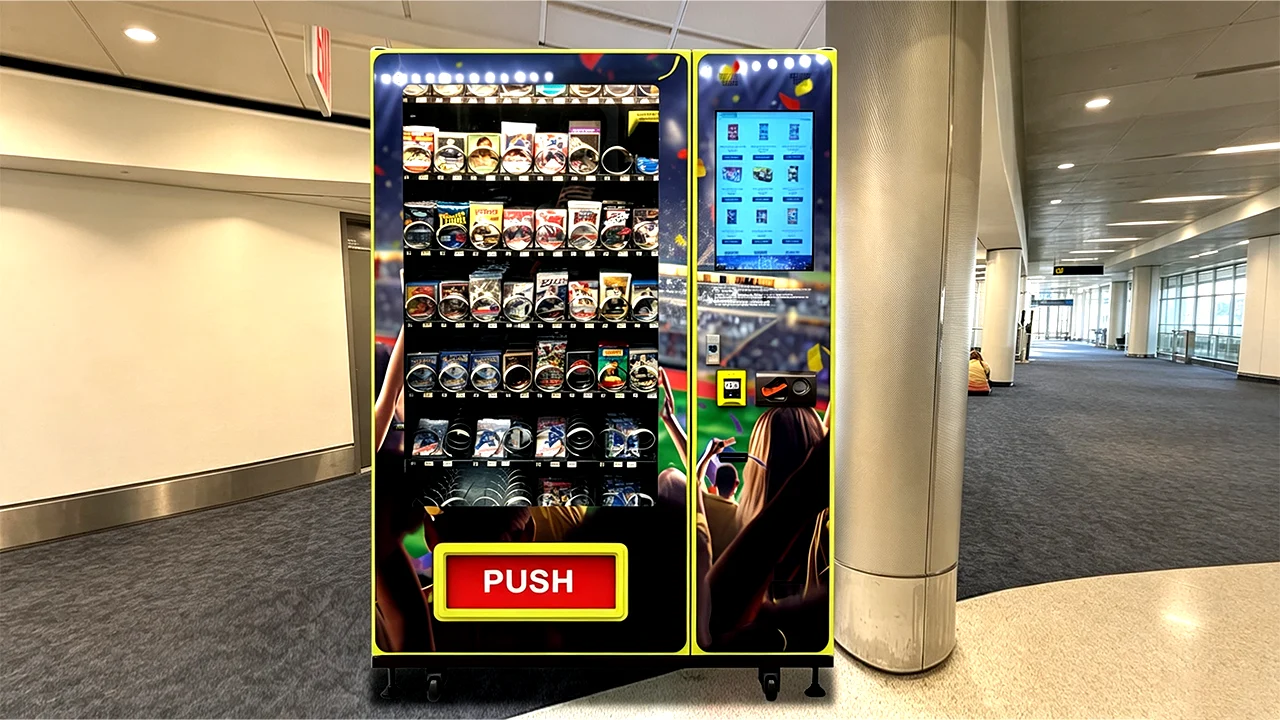
One decision you’ll face is whether to operate the machine yourself or partner with a location owner through revenue sharing. Here’s a comparison based on my experience.
| Model | Pros | Cons |
|---|---|---|
| Self-operation | You keep all profits, full control over products and pricing | Higher upfront cost, you handle all maintenance and restocking |
| Revenue sharing with location owner | Lower upfront cost, location owner may provide electricity and space | You share 10%–30% of revenue, less control over placement |
| Leasing the machine to a location | Steady rental income, minimal operational work | Lower potential profit, you’re responsible for machine maintenance |
I’ve used all three models at different times. For beginners, I recommend starting with self-operation on one or two machines to learn the business. Once you understand the costs and logistics, you can explore revenue sharing to expand without as much capital.
How to Evaluate a Machine Investment
Before you commit to a purchase, run through this checklist. It’s saved me from making bad decisions more than once.
- Projected daily sales: Based on foot traffic and comparable locations, estimate how many transactions you’ll do per day. A realistic number for a good location is 20–50.
- Average transaction value: In Norway, this is typically between 20 and 50 NOK per item. Most customers buy 1–2 items.
- Gross margin: Calculate your cost of goods sold. For snacks, margins are around 30–40%. For drinks, they can be 40–50%.
- Operating costs: Include electricity, payment processing fees (typically 2–3%), and your time for restocking and maintenance.
- Payback period: Divide your total investment by the expected monthly net profit. A payback period under 18 months is generally good.
According to data from Statista, the average vending machine in Europe generates between 1,500 and 3,000 EUR in monthly revenue, though this varies widely by location and product type (Statista). In Norway, I’ve seen machines in top locations exceed 4,000 EUR per month.
Maintenance and Repair: What to Expect
Even the best machines need occasional repairs. Having a plan for vending machine repair is essential, especially in a city like Bergen where service technicians may not be as abundant as in larger European capitals.
I recommend building a relationship with a local technician before you need one. Ask your manufacturer or distributor for referrals. Some manufacturers, like Zhongda Smart, offer training videos and detailed manuals that allow you to handle basic repairs yourself. I’ve replaced card readers and cooling fans using their guides, which saved me hundreds of euros in service calls.
Common issues include jammed products, faulty card readers, and cooling system failures. I always keep a small stock of spare parts for my machines, including coin mechanisms, sensors, and door seals. This reduces downtime significantly.
FAQ: Answers to Questions I Hear Most Often
Are vending machines profitable in Norway?
Yes, they can be, but profitability depends heavily on location, product selection, and operating costs. In my experience, a well-placed machine in Bergen can generate a net profit of 3,000 to 10,000 NOK per month after all expenses. The key is to keep your overhead low and choose high-margin products.
How much does a vending machine cost in Norway?
A new machine typically costs between 25,000 and 200,000 NOK, depending on size, features, and brand. Used machines can be found for 10,000 to 40,000 NOK, but they may require more maintenance. I’ve found that investing in a mid-range machine with telemetry is the sweet spot for most operators.
How long does it take to recoup the investment?
Based on my routes, most machines pay for themselves within 8 to 24 months. High-traffic locations with good margins can reach payback in under a year. Slower locations may take two years or more. I always run the numbers before placing a machine, and I’ve walked away from deals that didn’t promise a payback within 18 months.
Should a beginner buy or lease a machine?
I recommend buying if you have the capital and want to learn the business. Leasing can lower your upfront risk, but you’ll have less control and lower profit potential. I started by buying one used machine, learned the ropes, and then expanded with new machines.
Where should I place my first machine?
Start with a location you have easy access to, such as your own workplace, a friend’s business, or a local office building. This makes restocking and maintenance convenient while you learn. Avoid remote locations until you have a reliable system in place.
What permits do I need in Bergen?
You generally need a business license and may need to register with the local food safety authority if you sell perishable items. Check with Bergen municipality for specific requirements. I’ve also needed to register my machines with the tax office for VAT purposes.
How do I choose a reliable supplier?
Look for manufacturers with a proven track record in the Nordic market. Ask for references from other operators in Norway. Check if they offer local support or have a distributor in the region. I’ve had good experiences with manufacturers that provide clear documentation and responsive customer service.
What happens if the machine breaks down?
If you have a service contract, call your technician. If you’re handling repairs yourself, start with the manufacturer’s troubleshooting guide. Many issues, such as jammed products or payment errors, can be fixed in minutes. For major problems like compressor failure, you’ll need a professional. Having a spare machine or a backup plan is wise.
How can I reduce restocking and maintenance costs?
Invest in a machine with telemetry so you only visit when necessary. Optimize your product mix based on sales data to reduce waste. Schedule regular maintenance to prevent major breakdowns. I’ve cut my route costs by about 30% using these strategies.
Final Thoughts on Starting Your Vending Business in Bergen
The vending machine business in Bergen offers real opportunities, but it’s not a get-rich-quick scheme. Success comes from careful planning, choosing the right equipment, and understanding your locations. I’ve made my share of mistakes, and I’ve learned that the upfront work—researching manufacturers, negotiating location agreements, and testing product mixes—pays off many times over.
If you’re serious about getting started, take the time to visit a few locations, talk to other operators, and compare machines from different suppliers. The right manufacturer will make your life easier, and the wrong one will cost you time and money. Whether you end up buying from a European brand or an international manufacturer like Zhongda Smart, focus on reliability, support, and compatibility with the Norwegian market.
I hope this guide gives you a realistic picture of what to expect. The vending industry has treated me well, and with the right approach, it can do the same for you.