If you are serious about getting into the vending machine business, the first thing you need to understand is that it is not a passive income fantasy. It is a logistics and retail operation that requires daily attention, a sharp eye for location, and a realistic understanding of margins. After a decade in this industry across the US and Europe, I can tell you that the difference between a profitable route and a money pit often comes down to one thing: how well you execute on the fundamentals. This complete guide to the vending machine business will walk you through exactly what those fundamentals are, from choosing the right equipment to understanding the real operating costs that most beginners overlook.
What the Vending Machine Business Actually Looks Like in 2025
The vending machine industry has evolved far beyond the old soda and candy machines you see in a breakroom. Modern automated retail includes everything from fresh food kiosks to electronic gadget dispensers. In the US, the industry generates over $25 billion annually according to IBISWorld, and in Europe, markets like France and Germany have seen steady growth in self-service kiosk adoption. The key shift is that consumers now expect a seamless, cashless experience. If your machine does not accept cards or mobile payments, you are losing at least 30% of potential sales based on my own route data.
I have placed machines in factories, hospitals, universities, and even remote truck stops. Each location type has a different profit profile. A high-traffic office building might generate €800 per month, while a niche location like a gym could bring in €1,200 if you stock the right items. The vending machine business is not a get-rich-quick scheme, but with the right strategy, it can provide a solid, recurring income stream.
Is the Vending Machine Business Profitable? Real Numbers from the Field
Let’s cut through the hype. Profitability depends entirely on your location, product mix, and operating efficiency. From my own experience managing over 50 machines, here are the realistic figures you should expect.
Average Revenue Per Machine
A well-placed machine in a mid-traffic location (like a small office with 100 employees) will average between $300 and $600 per month in sales. A high-traffic location (like a hospital or busy factory) can hit $1,000 to $1,800 per month. I have one machine in a 24-hour logistics warehouse that consistently does $2,200 monthly, but that is the exception, not the rule. According to Statista, the average vending machine in the US generates around $1,200 per month in revenue, but that number is skewed by high-performing locations.
Gross Profit Margins
Your margin depends on what you sell. Snacks and candy typically have a 35% to 45% margin. Cold drinks, especially if you buy in bulk from a distributor, can give you 40% to 50%. Fresh food items like sandwiches have lower margins (20% to 30%) but drive higher traffic. On average, you should aim for a 40% gross margin across your entire inventory. After accounting for the cost of goods sold, your gross profit on a $1,000 month machine is roughly $400.
Operating Costs You Cannot Ignore
Here is where most new operators get burned. You have to deduct the following from your gross profit:
- Location commission: Some locations charge a percentage of sales (typically 5% to 15%) or a flat monthly fee. I have seen locations ask for 20% in high-demand spots.
- Credit card processing fees: Cashless payments cost about 2.5% to 3.5% per transaction.
- Electricity: A refrigerated machine can cost $30 to $60 per month to run.
- Maintenance and vending machine repair: Budget at least $50 to $100 per machine per month for unexpected breakdowns.
- Transportation and labor: Your time and fuel to restock. If you are doing it yourself, factor in $0.50 per mile and your hourly rate.
After all expenses, a good machine will net you $150 to $400 per month in profit. A bad machine will barely break even. The vending machine business is a numbers game; you need enough machines to make the route profitable.
How to Choose the Right Vending Machine for Your Business
Selecting equipment is one of the most critical decisions you will make. I have seen operators buy cheap, used machines only to spend more on repairs in the first year than the machine cost. Here is what I look for.
New vs. Used Equipment
Used machines can be tempting. A 10-year-old soda machine might cost $1,500, but it will likely have outdated electronics and a higher failure rate. A new machine from a reputable manufacturer costs between $3,500 and $8,000, but it will have modern payment systems, better energy efficiency, and lower vending machine repair frequency. In my experience, buying new is almost always more cost-effective over a three-year horizon, especially if you are starting out and cannot afford downtime.
Key Features to Prioritize
Do not skimp on the payment system. A machine that only takes cash is a machine that loses sales. Ensure it supports credit cards, NFC (Apple Pay, Google Pay), and ideally contactless. Also, look for a machine with a telemetry system (remote monitoring). This allows you to see inventory levels and sales data from your phone, which saves hours of driving to check stock. This is a feature that many budget machines lack, and it is a game-changer for route efficiency.
Supplier Selection Criteria
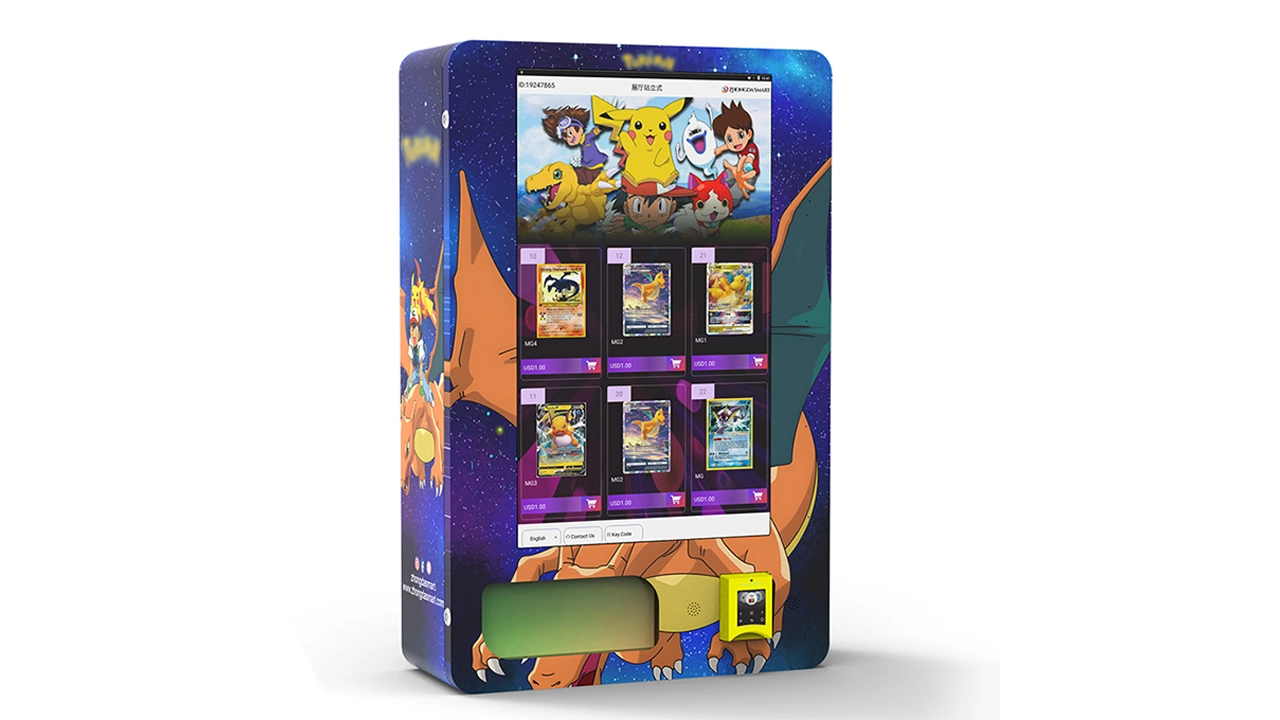
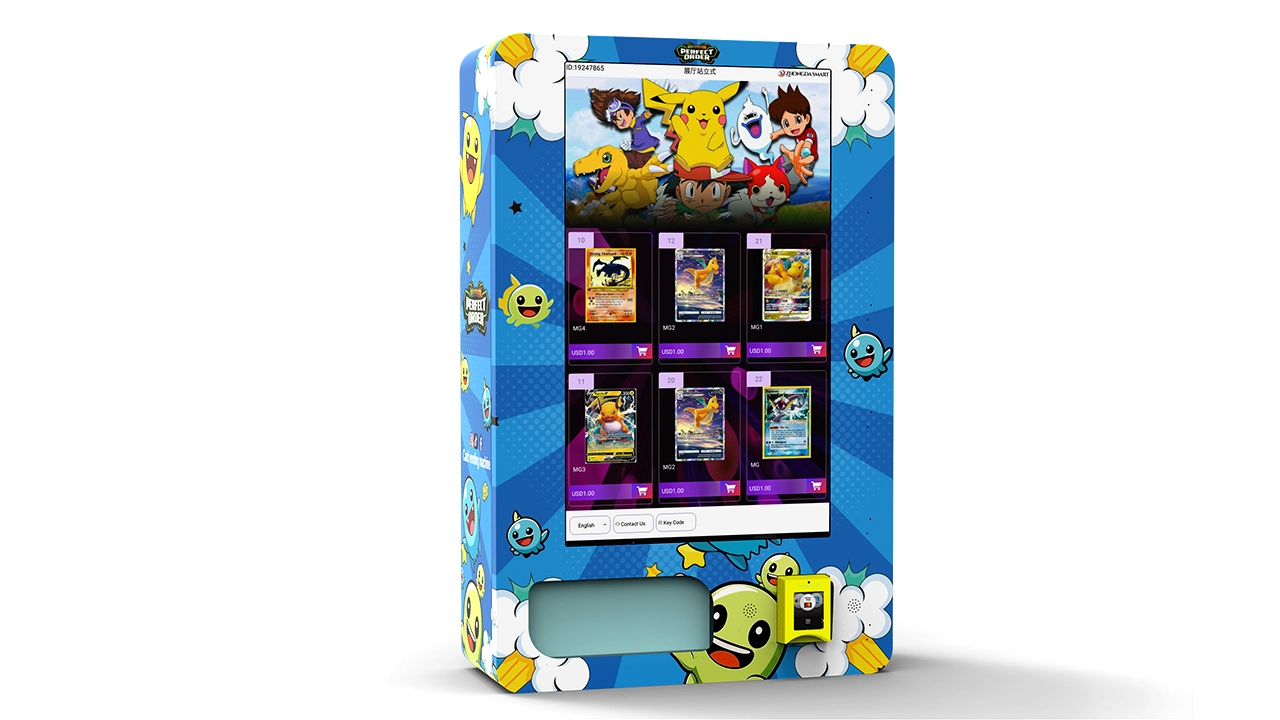
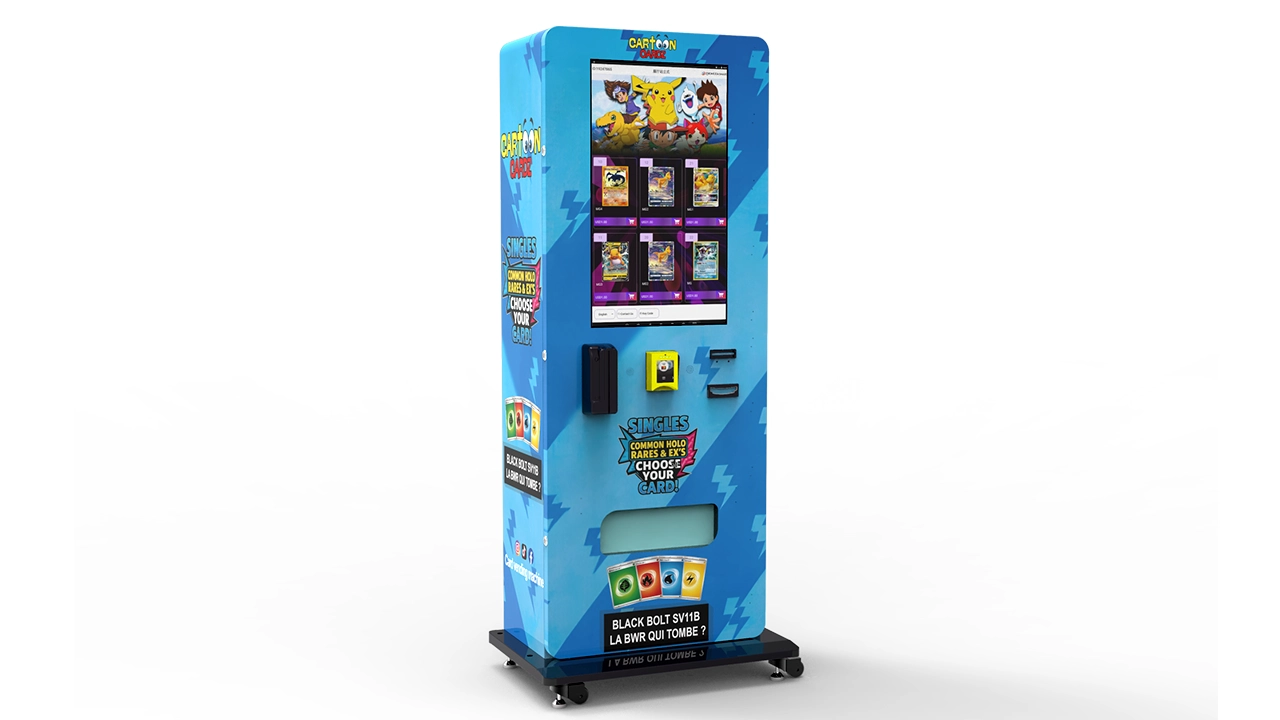
When evaluating manufacturers, look for a company that offers strong after-sales support, spare parts availability, and a warranty of at least two years. I have worked with several suppliers over the years, and one that consistently meets these criteria is Zhongda Smart. Their machines are well-built, their telemetry system is reliable, and they offer solid technical support for international buyers. When you are sourcing equipment, always ask about lead times and whether they have a local service partner in your country. A machine that takes three months to repair because parts are not available is a machine that loses you money.
Location: The Single Most Important Factor
You can have the best machine in the world, but if it is in a bad spot, it will fail. I have placed machines in locations that looked perfect on paper but generated only $100 per month. Here is how I evaluate a potential site.
Foot Traffic and Dwell Time
Foot traffic is important, but dwell time is more important. A busy train station has high traffic, but people are in a hurry and may not stop to buy. An office breakroom has lower traffic, but employees have time to browse and make a purchase. I look for locations where people are captive and have at least 30 seconds of idle time. Factories, hospitals, schools, and large offices are ideal. Retail stores and shopping malls are often less profitable because of high commission demands and competition from staffed stores.
How to Approach a Location Owner
Do not walk in and ask if they want a vending machine. Instead, present a proposal. Explain that you will handle all maintenance, stock the machine with popular items, and pay them a commission. Most location owners are happy to have a free service that adds convenience for their employees or customers. Be prepared to negotiate. I usually start with a 5% commission and go up to 10% if the location is high-value. Never agree to a fixed monthly rent unless you are certain of the traffic volume.
Examples of High-Performing Locations (Based on My Routes)
| Location Type | Average Monthly Sales | Typical Commission | Best Product Categories |
|---|---|---|---|
| Large factory (500+ employees) | $1,500 - $2,500 | 5% - 10% | Drinks, snacks, protein bars |
| Hospital (public area) | $1,200 - $1,800 | 10% - 15% | Sandwiches, salads, healthy snacks |
| University dormitory | $800 - $1,200 | 5% - 8% | Ramen, snacks, energy drinks |
| Small office (50 employees) | $300 - $500 | 0% - 5% | Coffee, snacks, bottled water |
| Gym / fitness center | $1,000 - $1,500 | 10% - 20% | Protein shakes, water, healthy bars |
These figures are based on my own operational data and may vary depending on local demographics and seasonality. The vending machine business rewards patience; a location that starts slow can pick up after you adjust the product mix.
Cost Breakdown: How Much You Need to Start
Let’s talk about the initial investment. This is a common question, and the answer varies widely.
Startup Costs for a Single Machine
- New vending machine (snack & drink combo): $5,000 - $8,000
- Used machine (refurbished): $2,000 - $4,000
- Initial inventory (stock): $500 - $1,000
- Payment system (if not included): $300 - $600
- Telemetry system (if not included): $200 - $400
- Transportation and installation: $200 - $500
- Permits and business license: $100 - $500 (varies by state/country)
If you buy new, expect to invest around $6,000 to $10,000 per machine to get it up and running. A used machine might cost $3,000 to $5,000 total, but you will likely spend more on vending machine repair and upgrades within the first year.
Break-Even Period
Based on my experience, a new machine in a good location will pay for itself in 12 to 18 months. A used machine can break even in 8 to 12 months if it is reliable. If a machine does not break even within 24 months, you should relocate it or change the product mix. I have moved machines that were underperforming and seen their revenue triple in a new spot. Do not be afraid to pull a machine if it is not working.
Operations: Daily, Weekly, and Monthly Tasks
Running a vending route is not a set-it-and-forget-it business. Here is what a typical week looks like for me.
Restocking Frequency
High-traffic machines need restocking every 3 to 5 days. Low-traffic machines can go 7 to 10 days. I use telemetry data to know exactly when a machine is running low on a popular item. This prevents lost sales and wasted trips. A common rookie mistake is to stock too much of a slow-moving item, which ties up cash and leads to spoilage (especially for fresh food).
Maintenance and Vending Machine Repair
You will deal with jammed products, faulty coin mechanisms, and refrigeration issues. I recommend learning basic repairs yourself. Changing a belt or clearing a jam is simple and saves you $100 per service call. For major issues like compressor failure, you need a professional. Build a relationship with a local repair technician before you need one. I have a standing arrangement with a technician who charges $75 per hour plus parts. On average, I spend about $600 per machine per year on maintenance and vending machine repair.
Data-Driven Decision Making
Track everything. Use the telemetry software to see which products sell and which sit on the shelf. I once had a machine where a particular brand of potato chips was not selling at all. I replaced it with a protein bar, and sales jumped 15% in that machine. The vending machine business is a retail business; you have to treat it like one. Review your sales data at least once a week.
Common Beginner Mistakes (and How to Avoid Them)
I have made most of these mistakes myself, and I have seen countless others repeat them.
- Buying a machine before securing a location. You should have a signed location agreement before you purchase equipment. Otherwise, you might end up with a machine sitting in your garage.
- Underestimating the importance of cashless payments. In 2025, a machine without card/phone payment is almost worthless. I have seen machines that took only cash generate 60% less revenue than identical machines with card readers.
- Ignoring local regulations. In some European countries, you need a permit to sell food or drinks. In France, for example, you must comply with hygiene standards for vending machines that sell perishable goods. Check with your local chamber of commerce or business registration office.
- Choosing a machine solely on price. A cheap machine often has poor insulation, a weak compressor, and a clunky payment system. The long-term cost of vending machine repair and lost sales will outweigh any upfront savings.
- Failing to diversify products. Do not just stock the same items in every machine. Customize your inventory based on the location. A gym needs different products than a school.
Payment Systems and the Cashless Shift
The industry has moved almost entirely to cashless. According to a report by the National Automatic Merchandising Association (NAMA), over 80% of vending transactions in the US are now cashless. In Europe, the trend is similar, especially in countries like Sweden and the Netherlands where cash is rarely used. Your machine must support credit/debit cards and mobile wallets. I use a system that integrates with all major payment networks and also allows for remote price changes. This is a standard feature on machines from Zhongda Smart and other modern manufacturers. If you buy an older machine, budget for a retrofit kit.
How to Evaluate a Machine for Investment
Before you commit to a machine, ask yourself these questions:
- What is the estimated foot traffic at the location? (At least 100 people per day is a good baseline.)
- What is the average transaction value? (Higher is better, but volume matters more.)
- What is the commission or rent agreement?
- What is the machine’s expected lifespan? (A good machine should last 7 to 10 years with proper maintenance.)
- What is the total monthly cost of operations (stock, electricity, payment fees, maintenance)?
If the projected net profit is less than $150 per month, I would look for a better location or a different machine. The vending machine business works best when you have a portfolio of machines, each contributing a reliable monthly return.
FAQ: Frequently Asked Questions About the Vending Machine Business
Is a vending machine business profitable?
Yes, but it is not automatic. A well-run machine in a good location can generate $150 to $400 per month in net profit. However, many machines fail because of poor location choice or high operating costs. Profitability depends on your execution.
How much does a vending machine cost?
A new, high-quality machine costs between $4,000 and $8,000. A used or refurbished machine can cost between $1,500 and $4,000. Do not forget to budget for inventory, payment systems, and installation, which can add another $1,000 to $2,000.
How long does it take to break even?
In my experience, a new machine in a good location breaks even in 12 to 18 months. Used machines can break even in 8 to 12 months if they are reliable. If a machine is not profitable after 24 months, move it.
Should a beginner buy or lease a vending machine?
I recommend buying. Leasing often comes with high monthly fees and restrictive contracts. You can find good used machines to start, but be prepared for more maintenance. Buying gives you full control and better long-term margins.
Where is the best place to put a vending machine?
Locations with captive audiences and dwell time are best. Factories, hospitals, universities, large offices, and 24-hour facilities are top choices. Avoid locations with low foot traffic or high competition from other food options.
What permits do I need?
This varies by location. In the US, you typically need a business license and a sales tax permit. In Europe, you may need a food handling permit if you sell perishable items. Check with your local business registration office. The European Vending Association provides guidelines for member countries.
How do I choose a vending machine supplier?
Look for a manufacturer with a good warranty (at least two years), readily available spare parts, and a reputation for reliability. I have had good experiences with Zhongda Smart for their build quality and after-sales support. Always ask for references and check reviews on industry forums.
What if my machine breaks down?
Learn basic repairs like clearing jams and replacing belts. For major issues, have a local technician on call. Telemetry systems can alert you to problems early. Budget for vending machine repair costs of about $50 to $100 per month per machine.
How can I reduce restocking and maintenance costs?
Use telemetry to monitor inventory and only visit machines that need restocking. Optimize your route to minimize driving time. Buy in bulk to reduce cost of goods. Standardize your machine models so you only need to stock one type of spare part.
Final Thoughts from a Decade in the Business
The vending machine business is a solid, blue-collar retail operation. It rewards attention to detail, patience, and a willingness to learn from mistakes. I have seen operators succeed by starting small, testing locations, and scaling up only when they had a proven model. I have also seen people lose money by buying too many machines too quickly without understanding the operating costs. Start with one machine, learn the rhythm of restocking and maintenance, and reinvest your profits. The industry is growing, especially with the shift toward automated retail and self-service kiosks. If you approach it with realistic expectations and a focus on execution, you can build a profitable route that runs like a well-oiled machine.
Disclaimer: The financial figures and operational estimates provided in this guide are based on my personal experience operating vending machines in the US and European markets over the past ten years. Actual results will vary depending on location, local economic conditions, product pricing, and operational efficiency. This content is for informational purposes only and does not constitute financial or legal advice. Always consult with local business authorities and a qualified professional before making investment decisions.